
What You Need to Know to Plant Dahlias


Dahlias are one of the most spectacular flowers you can add to your garden.
With their wide variety of colors, shapes, and sizes, they bring elegance and vibrancy from midsummer to fall.
Planting dahlias may seem intimidating at first, but with the right preparation and care, you can enjoy healthy plants and stunning blooms season after season.
Choosing the Right Dahlia Varieties
Before planting, it’s helpful to know that dahlias come in many forms: from small pompon blooms to dinner-plate flowers that can reach over 10 inches across.
Compact varieties are great for pots or borders, while tall types make excellent cut flowers.
Select the variety that best fits your garden’s space and sunlight conditions.

Preparing Soil and Location
Dahlias thrive in well-draining soil enriched with organic matter.
A slightly acidic to neutral pH (6.0–7.0) is ideal. If your soil is heavy or clay-based, amend it with compost or sand to improve drainage.
Choose a sunny location, as dahlias require at least 6–8 hours of direct sunlight daily. They dislike soggy ground, so raised beds or well-drained garden spots are best.
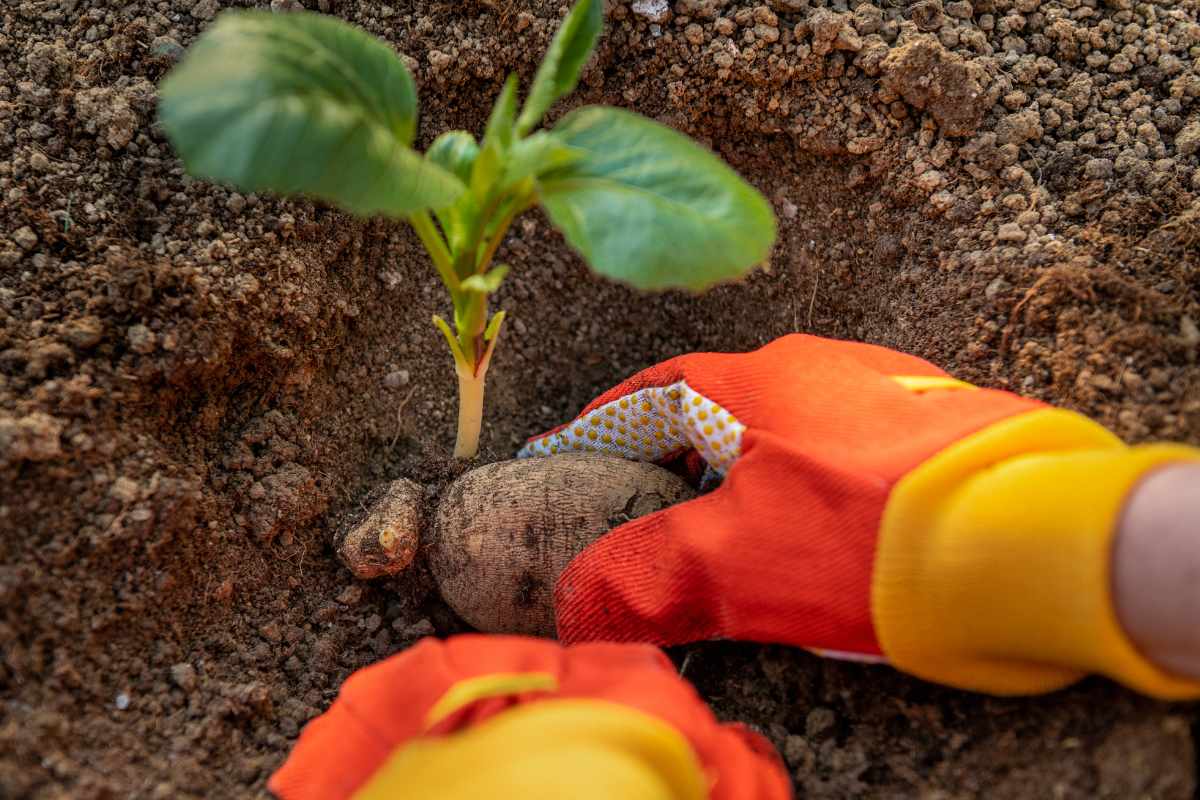
When and How to Plant Dahlias
Timing
Wait until the danger of frost has passed and the soil temperature reaches about 60°F (15°C).
In cooler climates, you can start tubers indoors 4–6 weeks before the last frost to get an early start.
Planting Tubers
Plant dahlia tubers 4–6 inches deep, placing the “eye” of the tuber facing up.
Space smaller varieties about 12 inches apart and larger ones 18–24 inches apart. Avoid watering immediately after planting; wait until you see sprouts, as too much moisture can cause rot.

Caring for Growing Dahlias
Watering and Feeding
Once sprouts appear, water deeply 2–3 times per week, depending on your climate.
Dahlias prefer consistent moisture but not waterlogged soil. Feed with a balanced, low-nitrogen fertilizer every 3–4 weeks to promote strong stems and abundant blooms.
Staking and Support
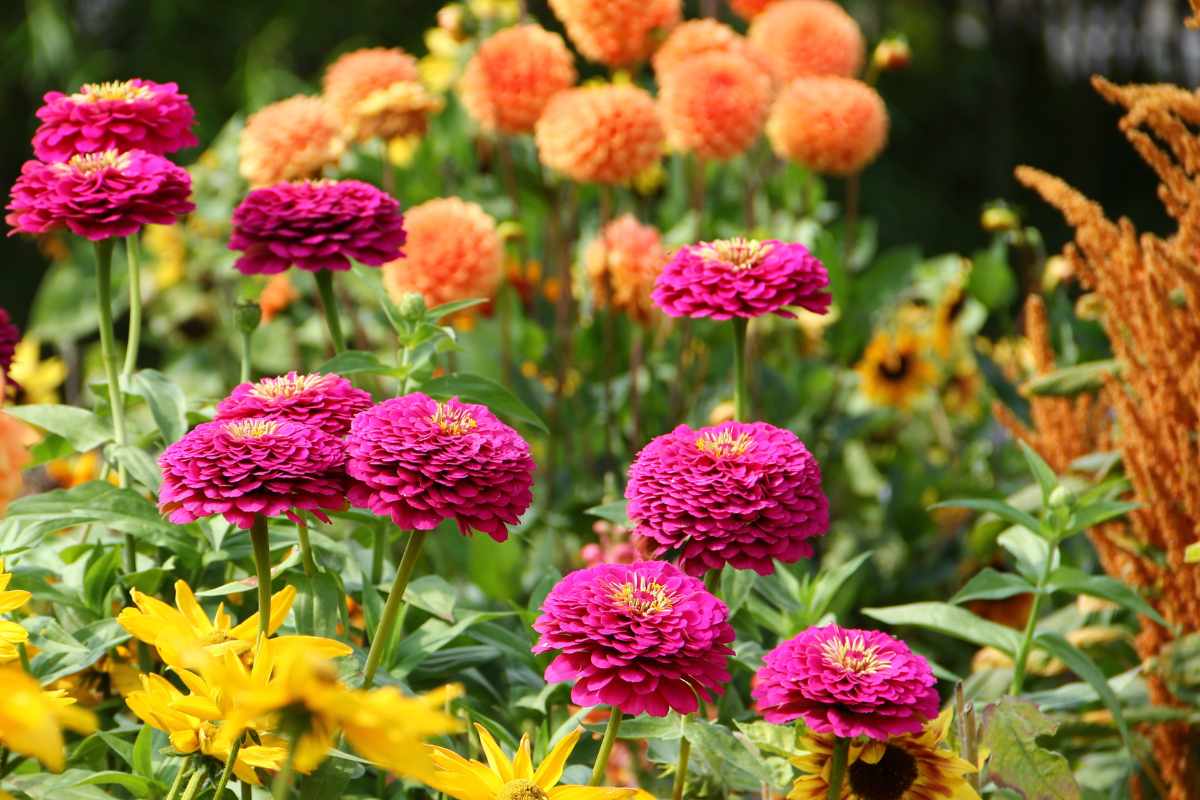
Tall dahlia varieties need support as they grow. Place stakes or cages at planting time to avoid damaging roots later.
Tie stems loosely with garden twine to keep them upright during windy days or when blooms become heavy.
Pruning and Deadheading
Pinch out the tips of young plants once they are about 12 inches tall to encourage bushier growth.
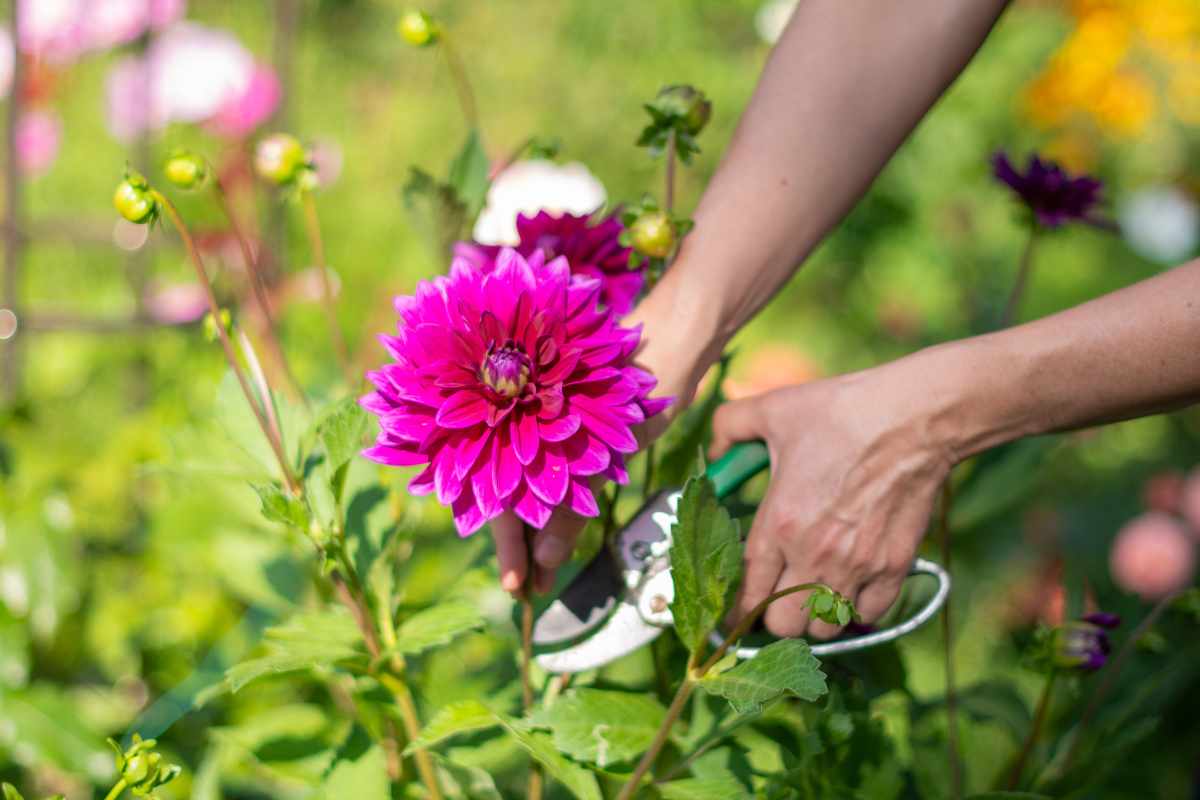
Regularly deadhead spent flowers to extend the blooming season and keep your plants looking fresh.
Common Pests and Problems
Dahlias can attract aphids, slugs, and spider mites. Check plants regularly and treat infestations early with insecticidal soap or natural remedies.
Powdery mildew and tuber rot are common issues in humid conditions—ensure good air circulation and avoid overwatering to prevent them.
End-of-Season Care
In frost-free regions, you can leave tubers in the ground year-round. In colder climates, dig them up after the first frost.
Gently clean and dry the tubers, then store them in a cool, dark place in peat moss or sawdust until spring.
This ensures healthy tubers for next year’s planting.

Bringing It All Together
Planting dahlias is more than just placing a tuber in the ground—it’s about creating the right conditions for these flowers to shine.
With proper soil preparation, regular care, and protection from pests, you’ll be rewarded with months of breathtaking color.
Whether you’re growing them in pots, borders, or as show-stopping cut flowers, dahlias will always add beauty and joy to your garden.
Enjoy This Video Tutorial

Source: The Impatient Gardener
Don’t forget to Subscribe to our Newsletter to receive amazing tips and tricks about Gardening and the FREE Ebook Green Living Strategies!
Did you find this post Useful or Inspiring? Save THIS PIN to your GARDENING Board on Pinterest! 😊

Once again, thank you for visiting our website!
We hope you've enjoyed exploring the content we've created for you.
Give yourself the chance to learn, get inspired, and have even more fun, keep browsing...
More Gardening Tips 👇🏼👇🏼