
Zero Waste Plant Fertilizer with Everyday Items


Gardening can be both rewarding and sustainable.
Creating your own zero-waste plant fertilizer using items you already have at home is not only cost-effective but also helps reduce kitchen waste and protect the environment.
By turning everyday scraps into nutrient-rich compost, your plants thrive naturally while contributing to a greener lifestyle.
Everyday Items You Can Use to Make Fertilizer
Many kitchen and household items are full of nutrients that plants love. Here are some common zero waste materials you can repurpose:
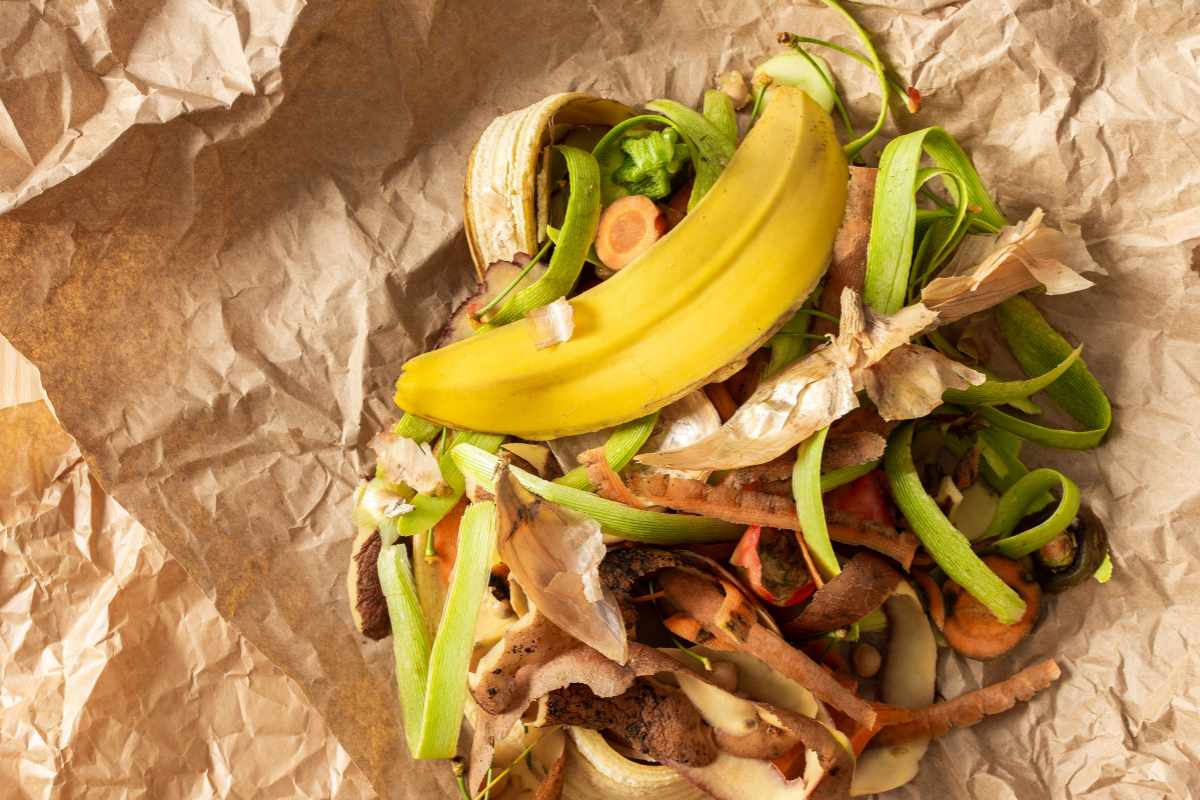
Vegetable and fruit scraps – Carrot tops, banana peels, and potato skins are rich in potassium and nitrogen. Chop them finely before adding to your compost or liquid fertilizer.
Coffee grounds – Great for acid-loving plants like tomatoes, azaleas, and blueberries. They also improve soil texture.
Eggshells – A natural source of calcium. Crush and mix into the soil to strengthen plant cell walls and prevent blossom end rot.
Used tea leaves – Add them directly to the soil or compost to provide slow-release nutrients and improve soil structure.
Water from boiled vegetables or pasta – Once cooled, this nutrient-rich water can be poured directly onto your plants.
Aquarium water – If you have a freshwater fish tank, the water is full of nitrogen and trace minerals that help your plants grow.
How to Prepare Zero-Waste Fertilizer
You can make fertilizer in different ways depending on your available materials:
Compost Method
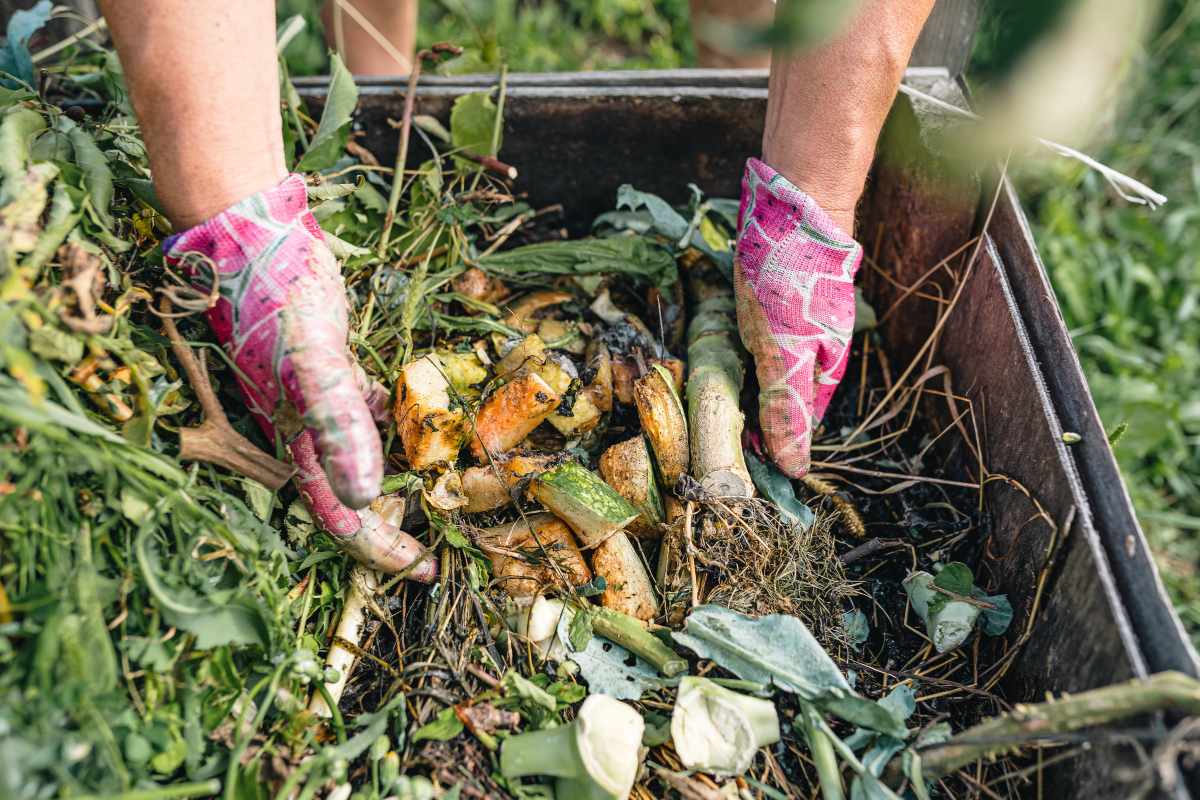
Collect vegetable scraps, coffee grounds, eggshells, and tea leaves in a compost bin.
Chop or crush larger items to speed up decomposition.
Mix regularly and allow it to break down over 2–4 weeks.
Liquid Fertilizer (Plant Tea)
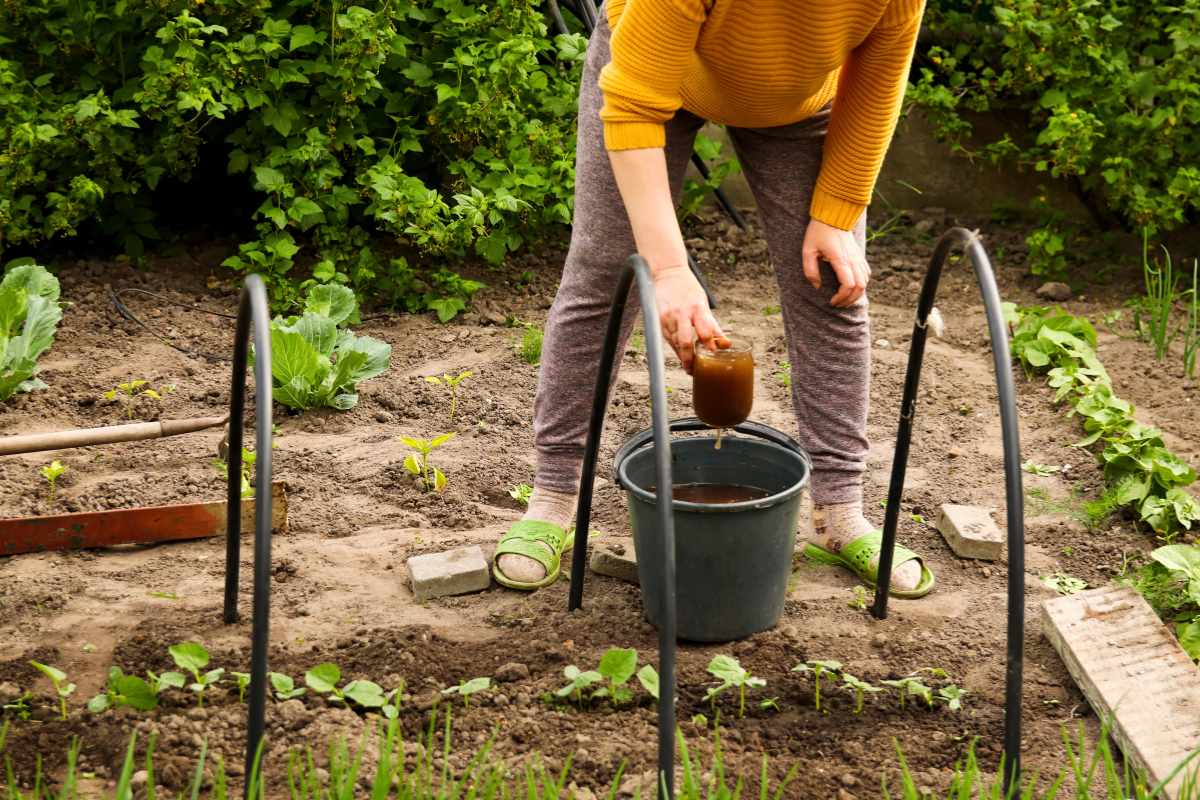
Soak scraps in water for 24–48 hours.
Strain the liquid and use it to water plants directly.
Dilute concentrated liquid teas with water to avoid over-fertilizing.
Direct Soil Addition
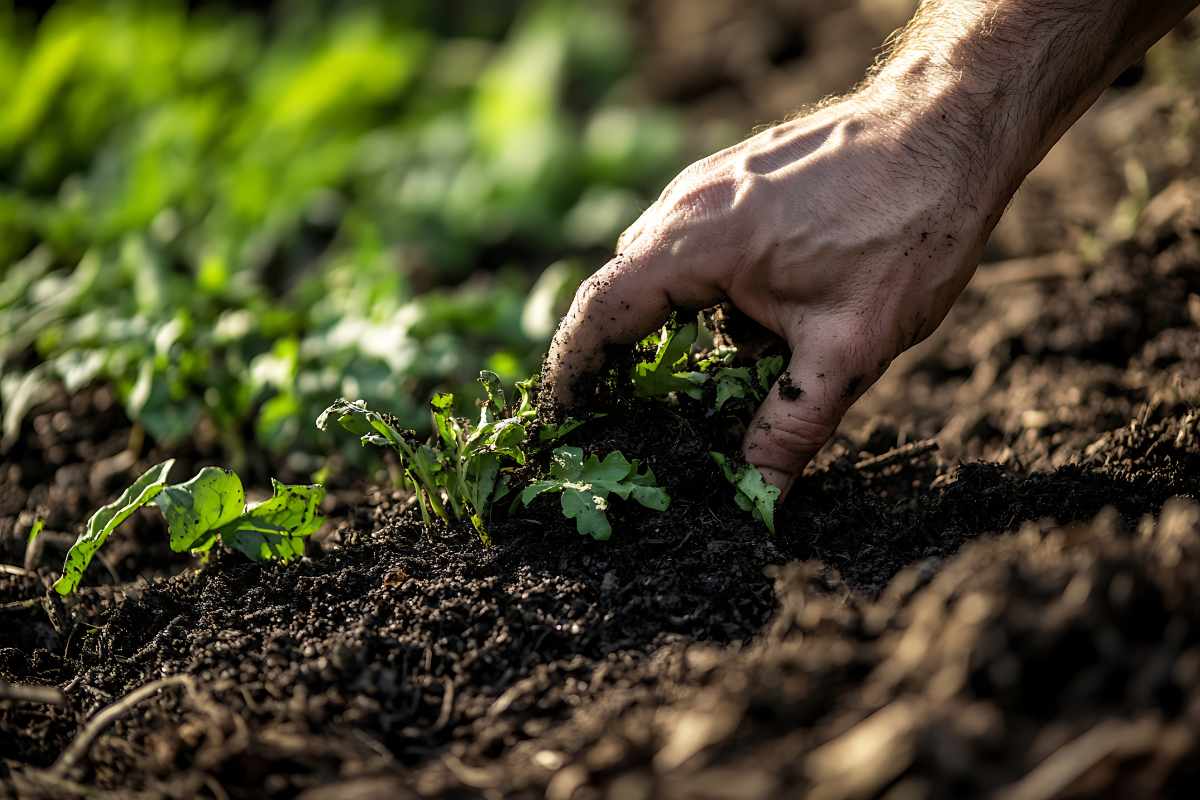
Some items, like crushed eggshells or coffee grounds, can be added directly to the soil around plants.
This method works well for potted plants and small garden beds.
Tips for Using Homemade Fertilizer Safely
While zero-waste fertilizers are natural, there are some precautions to keep in mind:
Avoid scraps with mold or rot, which can harm plants.
Do not use meat, dairy, or oily foods—they attract pests and create odors.
Use diluted liquid fertilizers to prevent root burn.
Keep a balanced mix: too much of one nutrient can harm your plants.
Benefits of Zero-Waste Fertilizer
Using homemade fertilizers comes with multiple advantages:
Cost savings – No need to buy expensive chemical fertilizers.
Environmental impact – Reduce kitchen waste and minimize your ecological footprint.
Healthier plants – Slow-release nutrients improve soil quality naturally.
Engaging and educational – A great activity for families and garden enthusiasts to learn about sustainability.
Make Your Garden Thrive with Everyday Items
By repurposing kitchen scraps and everyday household items, you can create a zero-waste plant fertilizer that nourishes your plants and reduces waste.
Experiment with different scraps, keep track of what works best for your plants, and enjoy a thriving, sustainable garden.
Start small, observe your plants’ response, and share your success with others. Sustainable gardening has never been this simple—or rewarding!
Don’t forget to Subscribe to our Newsletter to receive amazing tips and tricks about Gardening and the FREE Ebook Green Living Strategies!
Did you find this post Useful or Inspiring? Save THIS PIN to your GARDENING Board on Pinterest! 😊

Once again, thank you for visiting our website!
We hope you've enjoyed exploring the content we've created for you.
Give yourself the chance to learn, get inspired, and have even more fun, keep browsing...
More Gardening Tips 👇🏼👇🏼