
Split Leaf Philodendron vs. Monstera


Many plant lovers confuse the Split Leaf Philodendron with the Monstera deliciosa, and honestly, it’s easy to see why.
Both plants have dramatic, tropical leaves that bring a jungle vibe to any room.
But while they may look similar at first glance, they belong to different plant families and have their own unique characteristics.
Knowing the difference will help you care for your plant properly and avoid frustration if it doesn’t behave the way you expect.
Split Leaf Philodendron vs Monstera: The Main Difference
The biggest distinction is in the leaves. Monstera develop fenestrations (the natural holes that appear as they mature), while Philodendrons develop deep splits but no holes.
This subtle detail often leads to confusion, especially when plants are young and their leaves haven’t fully formed.
Another key point: despite being called split leaf, the Philodendron is not a Monstera.
They come from the same broader family (Araceae), but they are separate genera with different growth habits and needs.
What Makes Monstera Deliciosa Unique
Leaf Shape and Growth
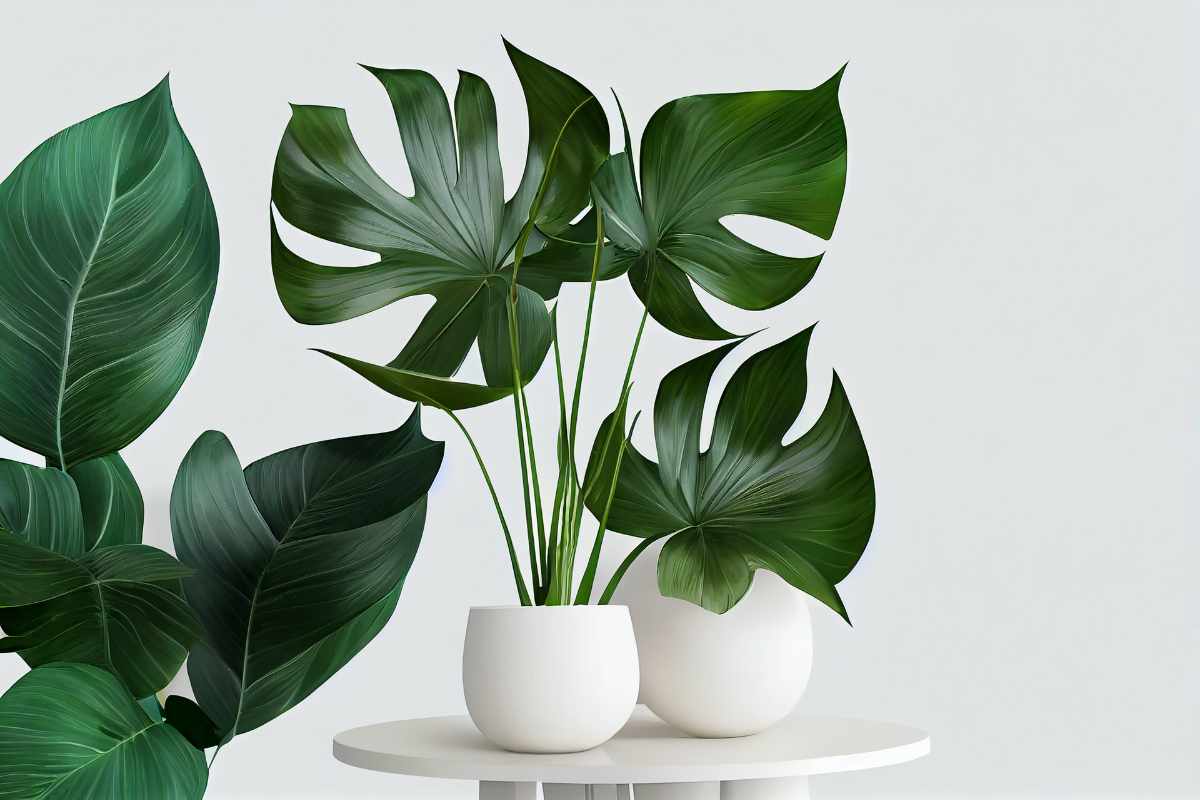
Monstera are famous for their large, glossy, heart-shaped leaves with distinct holes and slits.
As the plant matures, the fenestrations become more dramatic, giving it the nickname “Swiss cheese plant.”
Size and Habit
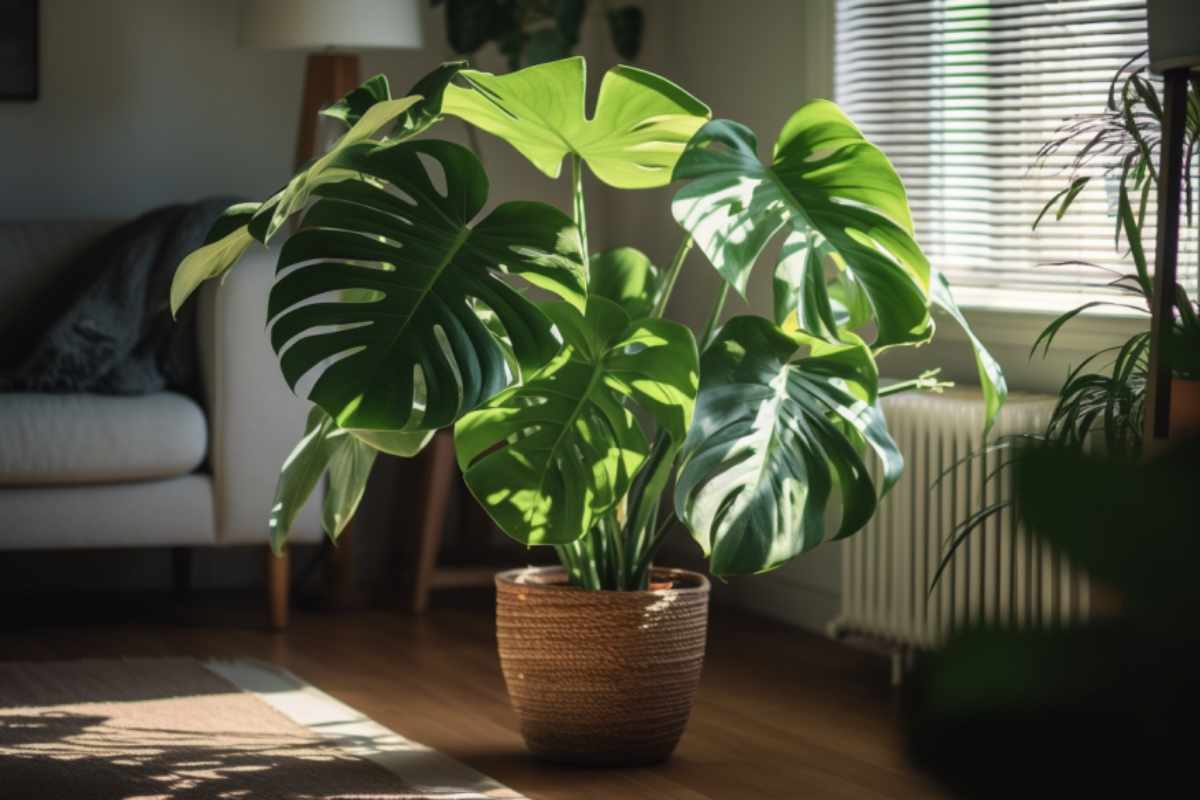
In the right conditions, a Monstera can grow impressively tall indoors—often up to 8 feet or more.
Outdoors in tropical climates, they can get even larger and behave like climbing vines.
Care Tips for Monstera
Light: Prefers bright, indirect sunlight. Direct sun can scorch leaves.
Water: Keep soil lightly moist but allow the top inch to dry between waterings.
Humidity: Thrives in higher humidity but adapts to average indoor levels.
Support: Provide a moss pole or trellis as it naturally climbs.
What Defines a Split-Leaf Philodendron
Leaf Shape and Growth
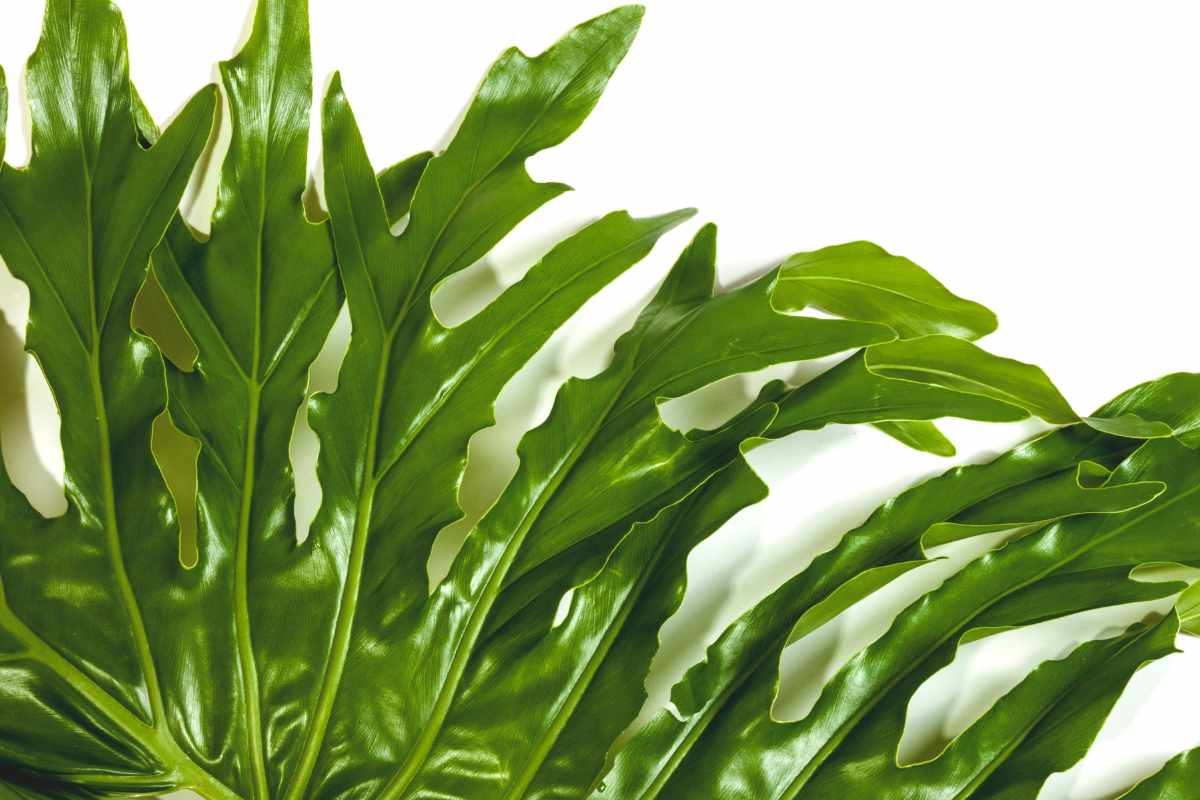
Philodendron bipinnatifidum (often mislabeled as “Philodendron selloum”) has deeply lobed, split leaves that look dramatic but do not have holes.
The leaves are more ruffled and can grow very large, with a texture that feels tougher than that of a Monstera.
Size and Habit
This plant grows as more of a self-heading shrub rather than a climbing vine.
Mature plants can form a wide, bushy structure and take up quite a bit of space, making them better suited for larger rooms or open areas.
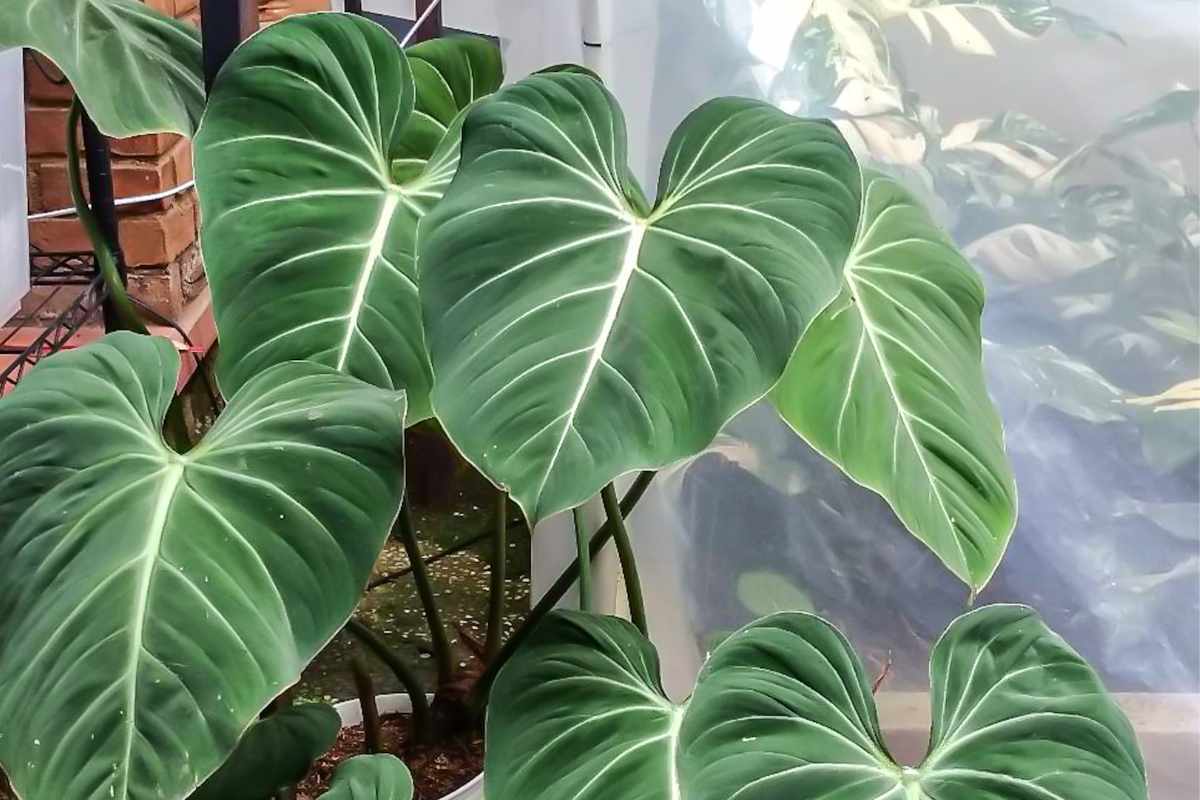
Care Tips for Philodendron
Light: Prefers bright, indirect light but tolerates medium light conditions.
Water: Water when the top layer of soil is dry; avoid waterlogging.
Humidity: Enjoys humidity but is less demanding than Monstera.
Growth Habit: Unlike Monstera, it doesn’t climb—it grows outward.
Key Differences at a Glance
Here’s a quick side-by-side comparison to make things easier:
| Feature | Monstera deliciosa | Split Leaf Philodendron |
|---|---|---|
| Leaf Style | Holes + splits (fenestrations) | Deep splits, no holes |
| Growth Habit | Climbing vine | Self-heading shrub |
| Mature Size | Tall with support (up to 8+ ft indoors) | Wide, bushy spread |
| Texture | Glossy, thinner leaves | Ruffled, leathery leaves |
| Support | Needs moss pole/trellis | Grows without support |
Why the Confusion Happens
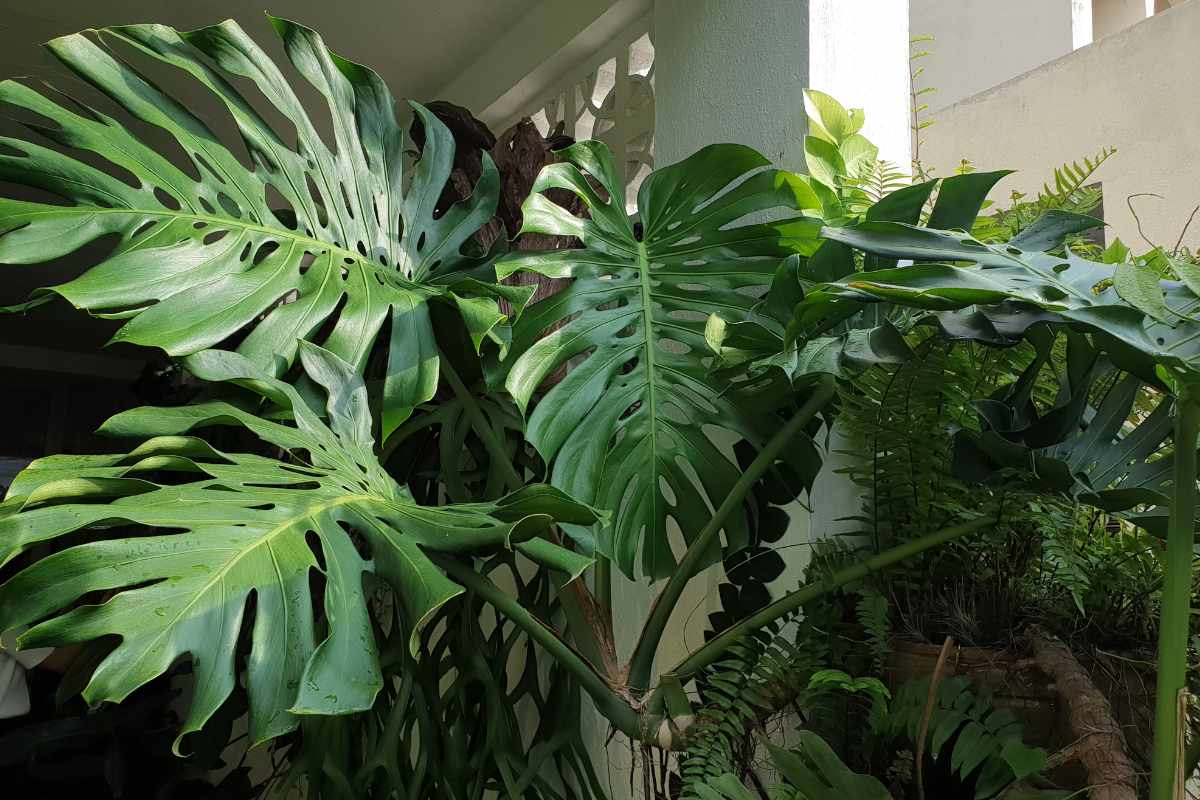
Much of the confusion comes from plant stores, nurseries, and even garden centers using the names interchangeably.
A Monstera might be labeled as a “split leaf Philodendron,” which technically isn’t correct but has stuck in popular use.
For plant parents, this can lead to mixed care advice.
If you try to treat your Philodendron like a climbing Monstera, you’ll be puzzled when it doesn’t attach to a pole.
Likewise, a Monstera without support may look messy or struggle to reach its full potential.
Final Thoughts: Split Leaf Philodendron vs Monstera
Both the Monstera deliciosa and the Split Leaf Philodendron are stunning houseplants that can transform any space. The key is recognizing the differences in their leaves, growth habits, and needs.
Once you know what you’re working with, you’ll enjoy healthier plants and more success in your indoor jungle.
So, next time you spot those big tropical leaves at a nursery, take a closer look—does your plant have holes or just splits? That little detail makes all the difference!
Enjoy The Video Tutorial

Source: Plant Savvy
Don’t forget to Subscribe to our Newsletter to receive amazing tips and tricks about Gardening and the FREE Ebook Green Living Strategies!
Did you find this post Useful or Inspiring? Save THIS PIN to your GARDENING Board on Pinterest! 😊

Once again, thank you for visiting our website!
We hope you've enjoyed exploring the content we've created for you.
Give yourself the chance to learn, get inspired, and have even more fun, keep browsing...
More Gardening Tips 👇🏼👇🏼