
How to Grow Snake Plant Faster


Snake plants, also known as Sansevieria or Dracaena trifasciata, are famous for being nearly indestructible and beautifully low-maintenance.
While these hardy houseplants will grow even with minimal care, many plant lovers wonder how to make them thrive more quickly.
The secret lies in optimizing their environment and avoiding common mistakes.
With the right approach, your snake plant can reward you with lush new shoots and faster growth.
Understanding the Natural Growth of Snake Plants
Snake plants are naturally slow growers, especially indoors, where light levels are lower.
On average, they produce a few new leaves each year, with noticeable growth happening in spring and summer.
Knowing this baseline helps you manage expectations: “faster” means supporting healthier, more consistent growth, not overnight transformation.
Provide the Right Light

One of the most important factors in speeding growth is light exposure.
Snake plants tolerate low light, but they thrive when given more.
Bright, indirect light for 6–8 hours daily is ideal.
Direct sunlight can scorch leaves, but a few hours of gentle morning sun is beneficial.
If your home is dim, consider using a grow light to supplement natural light.
Good light not only accelerates growth but also deepens leaf color and encourages new shoots.
Water Smartly, Not Frequently

Overwatering is the number one reason snake plants struggle.
For faster growth, you must find the right balance:
Water only when the top 2–3 inches of soil are completely dry.
During spring and summer, this might be every 2–3 weeks; in winter, once a month is often enough.
Always use a pot with drainage holes to prevent root rot.
Snake plants store water in their leaves, so less is more. Proper watering keeps roots healthy, which translates to stronger growth.
Choose the Perfect Soil Mix

Soil directly affects root health and the speed of growth.
Snake plants prefer a fast-draining mix that mimics their natural dry habitat.
A mix of cactus soil + perlite or sand works well.
Avoid heavy, compact soil that retains water.
Refresh the soil every 1–2 years to provide nutrients and avoid compaction.
Healthy roots in airy soil allow your plant to grow more quickly and produce offshoots.
Fertilize During the Growing Season

To encourage faster growth, snake plants benefit from light feeding:
Use a balanced, diluted houseplant fertilizer (such as 10-10-10) once every 4–6 weeks in spring and summer.
Avoid fertilizing in fall and winter, when growth naturally slows.
Overfertilizing can burn roots, so always dilute to half-strength.
Think of fertilizer as an energy boost that helps your snake plant produce new leaves and pups.
Repot When the Plant Outgrows Its Container
Snake plants like being slightly root-bound, but if the roots are bursting out of the pot, growth may slow down.
Repot every 2–3 years, or when roots coil tightly around the pot.
Choose a container 1–2 inches wider than the current one.
Fresh soil and extra space allow for new shoots and healthier growth.
Repotting in spring is best, giving your plant an active season to adjust.
Temperature and Humidity Matter

Snake plants prefer conditions similar to their native African climate:
Keep them in warm temperatures (65–85°F / 18–29°C).
Avoid placing them near drafts, heaters, or air conditioners.
Low humidity is fine, but they also adapt well to moderate indoor humidity.
Consistency is key—sudden changes in temperature or moisture can slow growth.
Propagation for Quick Expansion
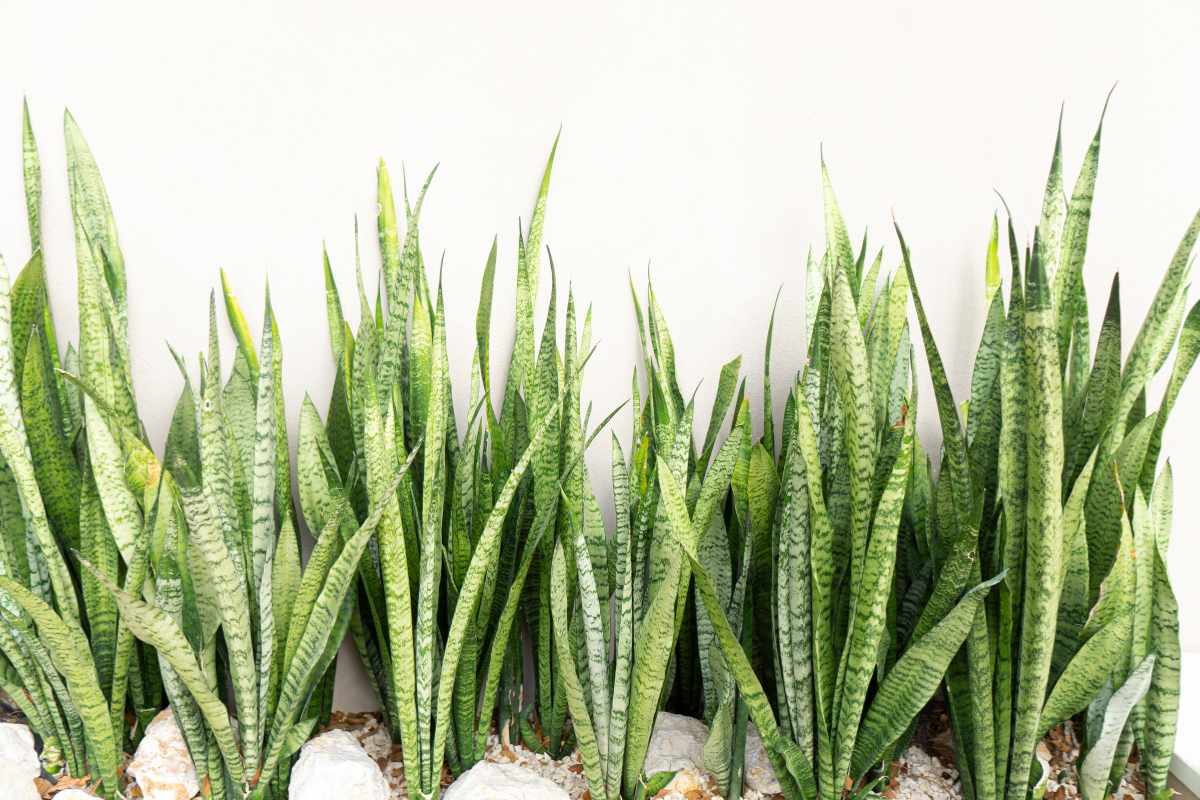
If you want “more snake plant” rather than just faster growth in one pot, propagation is an option:
Division method: Separate pups from the main plant and pot them individually.
Leaf cuttings: Cut a healthy leaf, let it callous, and root it in soil.
Propagation not only multiplies your collection but also rejuvenates older plants.
Common Problems and How to Fix Them
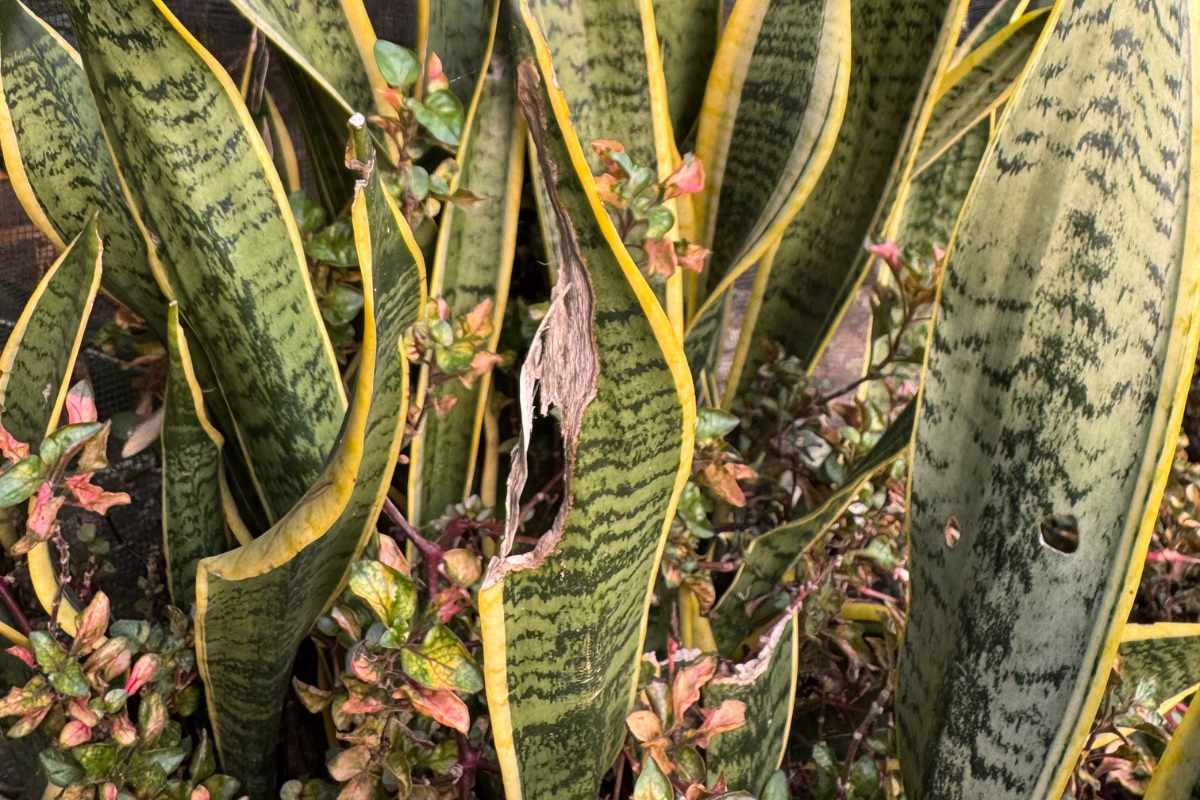
Even resilient snake plants can face issues that slow their growth:
Yellowing leaves → Likely overwatering; let soil dry completely before watering again.
Soft or mushy leaves indicate root rot; remove the damaged leaves and repot in dry soil.
No new growth for months → Check light levels and repot if root-bound.
Pale leaves → May need more light or occasional fertilizer.
Quick troubleshooting ensures your plant stays on track.
Seasonal Care Tips
Snake plants follow seasonal rhythms. Adjusting care throughout the year helps maximize growth:
Spring & Summer: Growing season → fertilize, repot if needed, water more frequently.
Fall & Winter: Dormant season → reduce watering, skip fertilizer, keep in stable indoor temperatures.
Respecting this cycle prevents stress and keeps your plant healthier year-round.
With the right light, soil, water, fertilizer, and environment, you’ll notice steady growth, brighter leaves, and new pups emerging.
A little patience goes a long way, but when cared for properly, snake plants can surprise you with how quickly they flourish.
Enjoy The Video Tutorial

Source: Garden Up
Don’t forget to Subscribe to our Newsletter to receive amazing tips and tricks about Gardening and the FREE Ebook Green Living Strategies!
Did you find this post Useful or Inspiring? Save THIS PIN to your GARDENING Board on Pinterest! 😊

Once again, thank you for visiting our website!
We hope you've enjoyed exploring the content we've created for you.
Give yourself the chance to learn, get inspired, and have even more fun, keep browsing...
More Gardening Tips 👇🏼👇🏼