
Growing Potted Eucalyptus


With their silvery-blue leaves and refreshing aroma, potted eucalyptus trees bring a touch of elegance and calm to any home or patio.
These beautiful evergreens are not just for large gardens—you can easily grow them in containers with the right care and setup.
In this guide, we’ll walk you through everything you need to know to grow eucalyptus in pots successfully, whether indoors or outdoors.
Choosing the Right Eucalyptus Variety
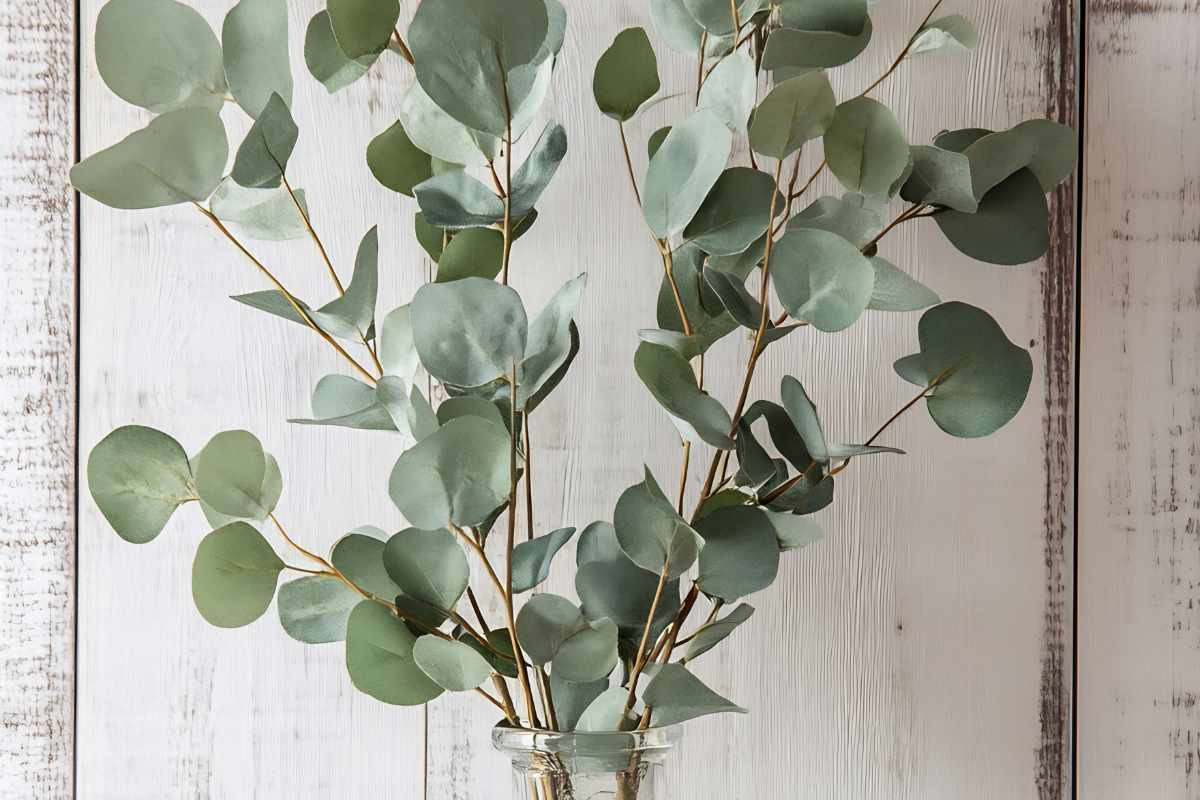
Not all eucalyptus trees are suitable for container life.
When selecting your plant, choose compact or slow-growing varieties that adapt well to limited root space.
Some of the best options include:
- Eucalyptus gunnii (Cider Gum): cold-tolerant and adaptable.
- Eucalyptus cinerea (Silver Dollar Tree): known for its round, fragrant leaves.
- Eucalyptus pulverulenta: compact size with ornamental foliage.
- Eucalyptus globulus ‘Compacta’: a dwarf form of the traditional Blue Gum.
These varieties maintain manageable heights while offering the classic eucalyptus scent and silvery-green glow.
Best Pot and Soil Mix

A good start begins with the right container. Eucalyptus roots grow quickly, so select a large pot with excellent drainage holes.
Terracotta or ceramic pots are ideal because they allow airflow and prevent waterlogging.
For the soil, a well-draining mix works best: combine 40% potting soil, 30% coarse sand or perlite, and 30% compost or organic matter.
This ensures proper drainage and keeps the roots healthy. The ideal soil pH is between 6.0 and 7.0. Avoid dense, heavy soils that hold too much moisture, as eucalyptus dislikes “wet feet.”
Light, Temperature, and Location
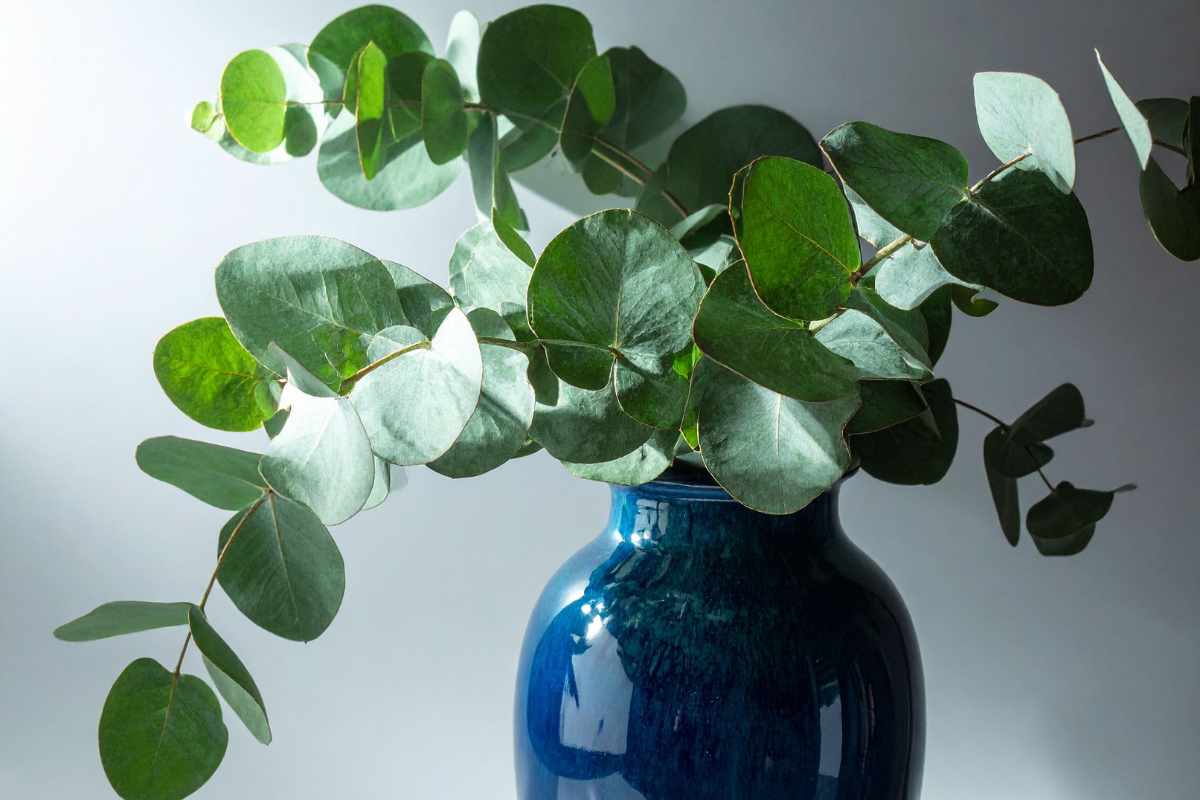
Eucalyptus loves full sun. Aim for at least six hours of direct sunlight daily.
Indoors, place your plant near a south- or east-facing window where it gets bright light most of the day. Outdoors, choose a sunny and wind-protected location.
These plants prefer mild to warm temperatures—between 59°F and 77°F (15°C–25°C)—and do not tolerate severe frost.
In colder regions, bring your eucalyptus indoors during winter or protect it with frost covers.
Watering and Humidity Tips
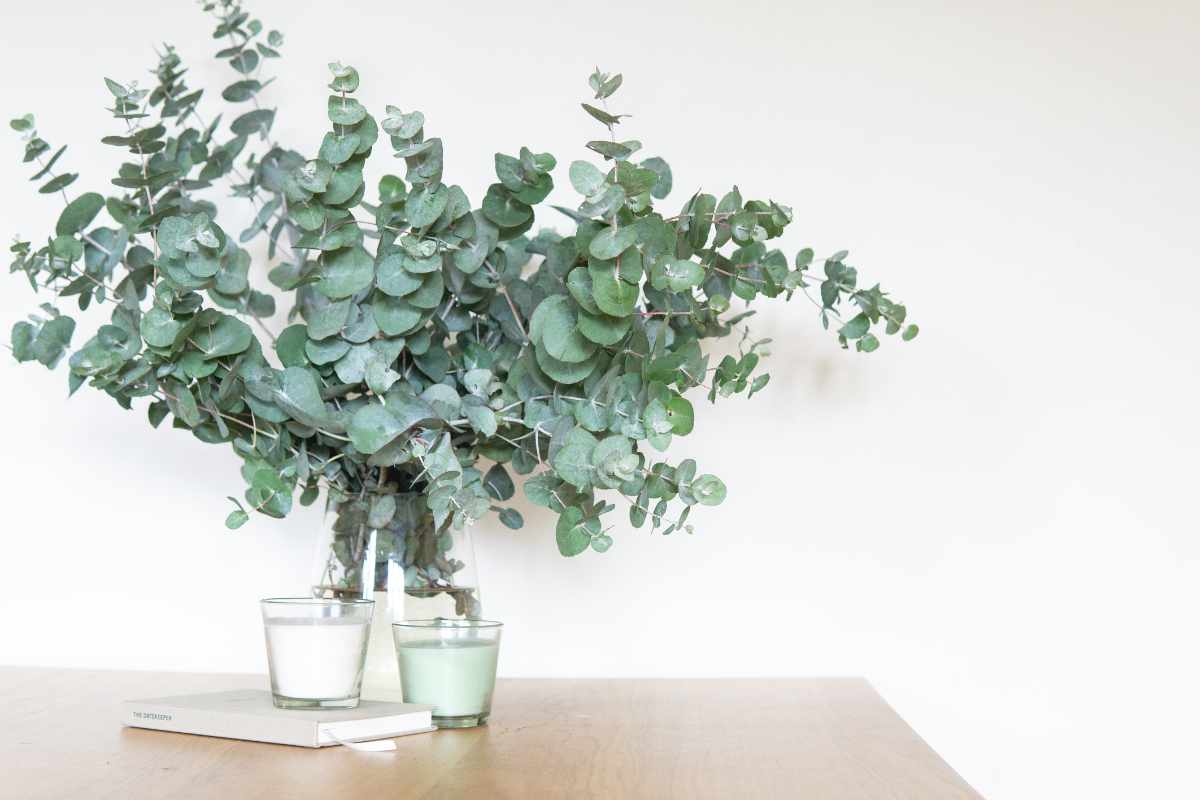
Eucalyptus plants like consistent moisture but not soggy soil.
Water only when the top 1–2 inches (2–5 cm) of soil feel dry, and allow excess water to drain completely. In spring and summer, keep the soil lightly moist.
During autumn and winter, reduce watering as growth slows down. Low to moderate humidity is ideal; no misting is required.
Watch for warning signs: yellow leaves usually indicate too much water, while crisp, brown leaves suggest the plant is too dry or exposed to excessive heat.
Feeding and Pruning

Feed your potted eucalyptus every 4–6 weeks during spring and summer with a balanced liquid fertilizer (10-10-10).
Stop feeding in the fall to let the plant rest.
Pruning helps control the size and shape of your tree. Lightly trim long stems at the end of winter or after flowering.
Regular pruning keeps your eucalyptus bushy and attractive and encourages new leaf growth. Always use clean, sharp pruning shears.
Common Problems and How to Fix Them
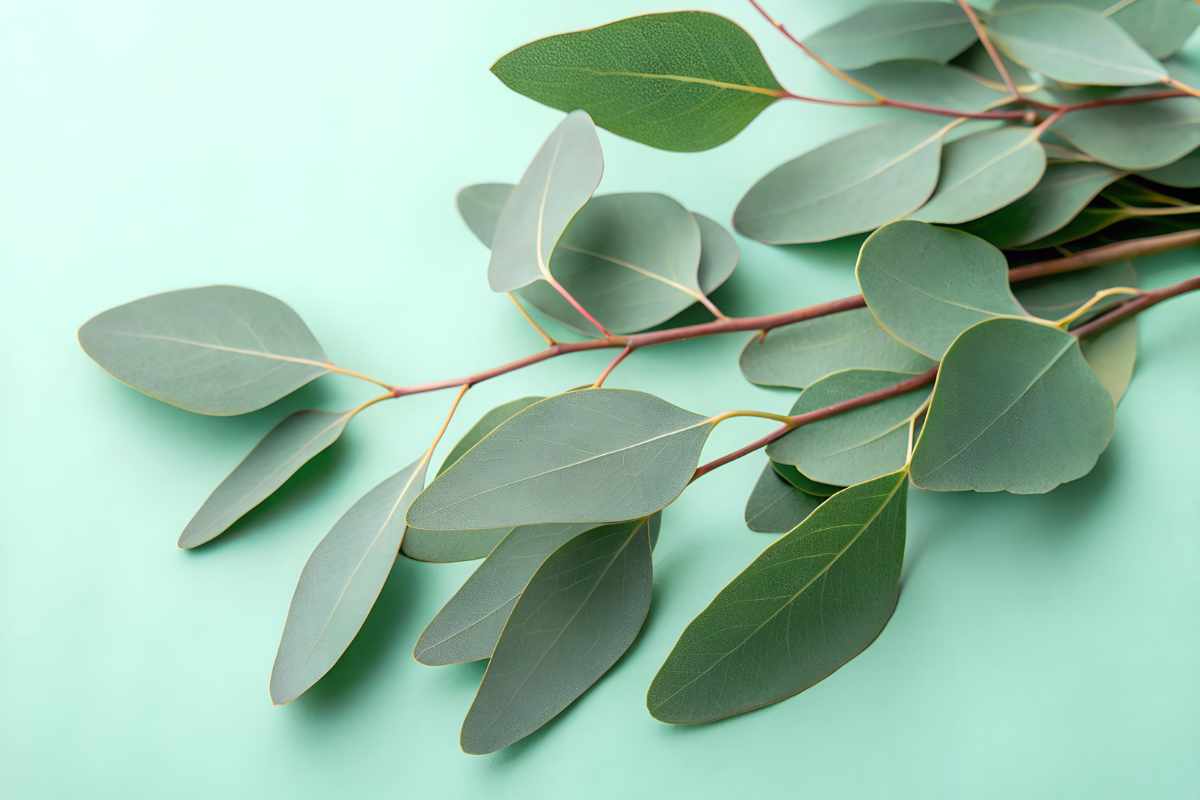
Even hardy plants like eucalyptus can face a few issues.
Yellow leaves are often a sign of overwatering or poor drainage, while dry or curling leaves usually indicate underwatering or too much sun exposure.
Pests such as aphids, scale, or mites can appear if the plant is weak or dry.
Treat infestations with neem oil or insecticidal soap, and maintain good airflow around the plant to prevent most problems.
Overwintering and Repotting
If you live in a region with cold winters, move your potted eucalyptus indoors before temperatures drop below 32°F (0°C).
Place it in a bright, cool room and water sparingly until spring.
Repot your plant every two to three years or when roots start circling inside the pot. Replace the top layer of soil annually to refresh nutrients and encourage healthy growth.
Final Thoughts on Growing Potted Eucalyptus
Growing eucalyptus in pots is a rewarding way to enjoy this aromatic plant even in small spaces.
With the right sunlight, well-draining soil, and regular pruning, your potted tree will thrive year-round—filling your home or garden with its refreshing fragrance and elegant color.
Enjoy This Video Tutorial

Source: Plants and Lucia
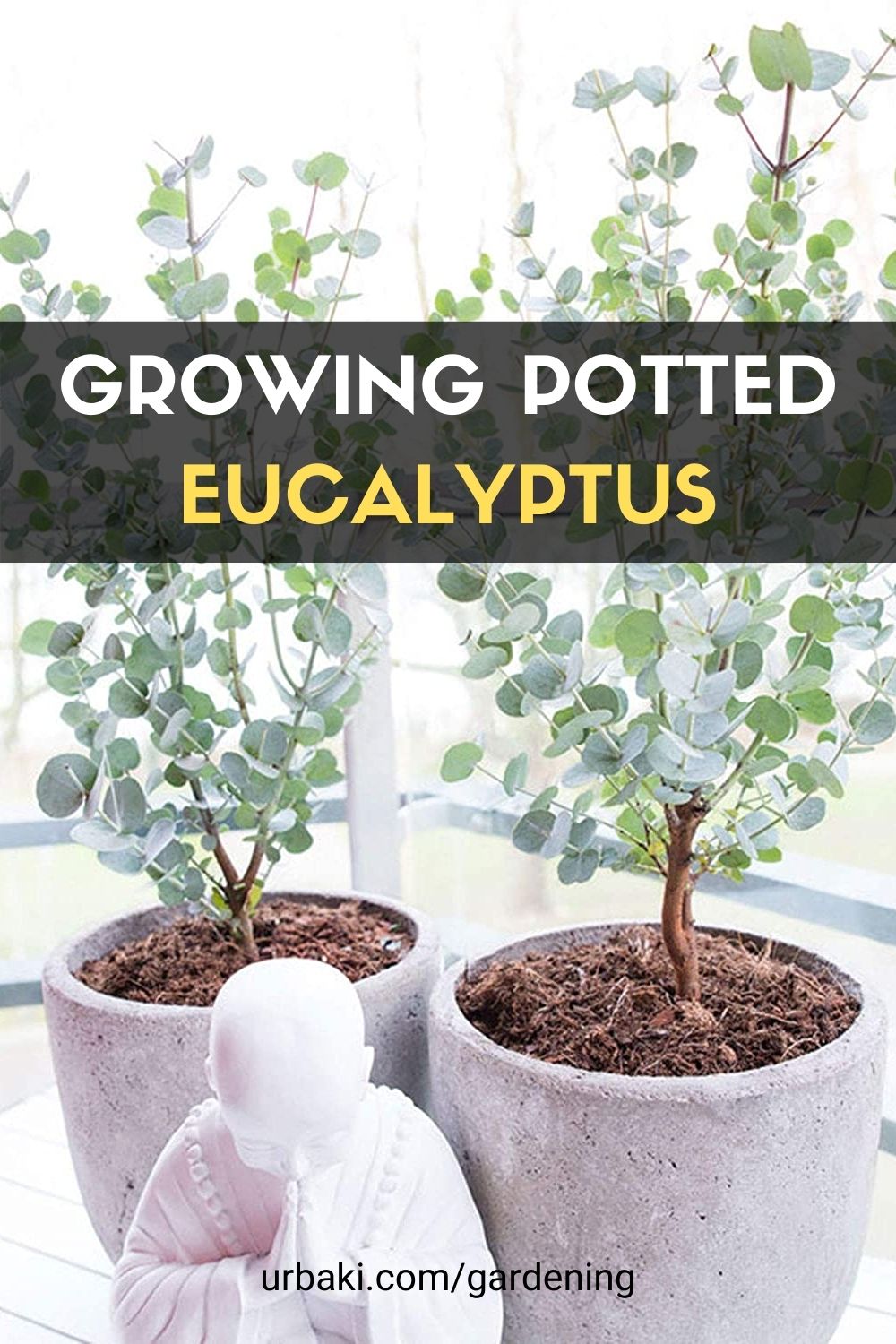
Did you find this post Useful or Inspiring? Save THIS PIN to your GARDENING Board on Pinterest! 😊
Once again, thank you for visiting our website!
We hope you've enjoyed exploring the content we've created for you.
Give yourself the chance to learn, get inspired, and have even more fun, keep browsing...
More Gardening Tips 👇🏼👇🏼