
Get More Blooms From Your Hydrangea


Hydrangeas are beloved for their lush clusters of colorful blooms, but if yours aren’t producing as many flowers as you’d hoped, don’t worry — you’re not alone.
Many gardeners struggle to get consistent blossoms year after year.
The good news is that with a few simple adjustments, you can get more blooms from your hydrangea and enjoy a truly spectacular display.
Choose the Right Location
Hydrangeas thrive in bright, indirect light. Too much shade can limit flowering, while intense afternoon sun can scorch leaves and buds.
Ideally, plant your hydrangea where it gets morning sun and afternoon shade.
If you’re growing them in pots, rotate the containers occasionally to ensure even light exposure.
Proper light encourages strong stems and abundant blooms.
Understand the Blooming Type
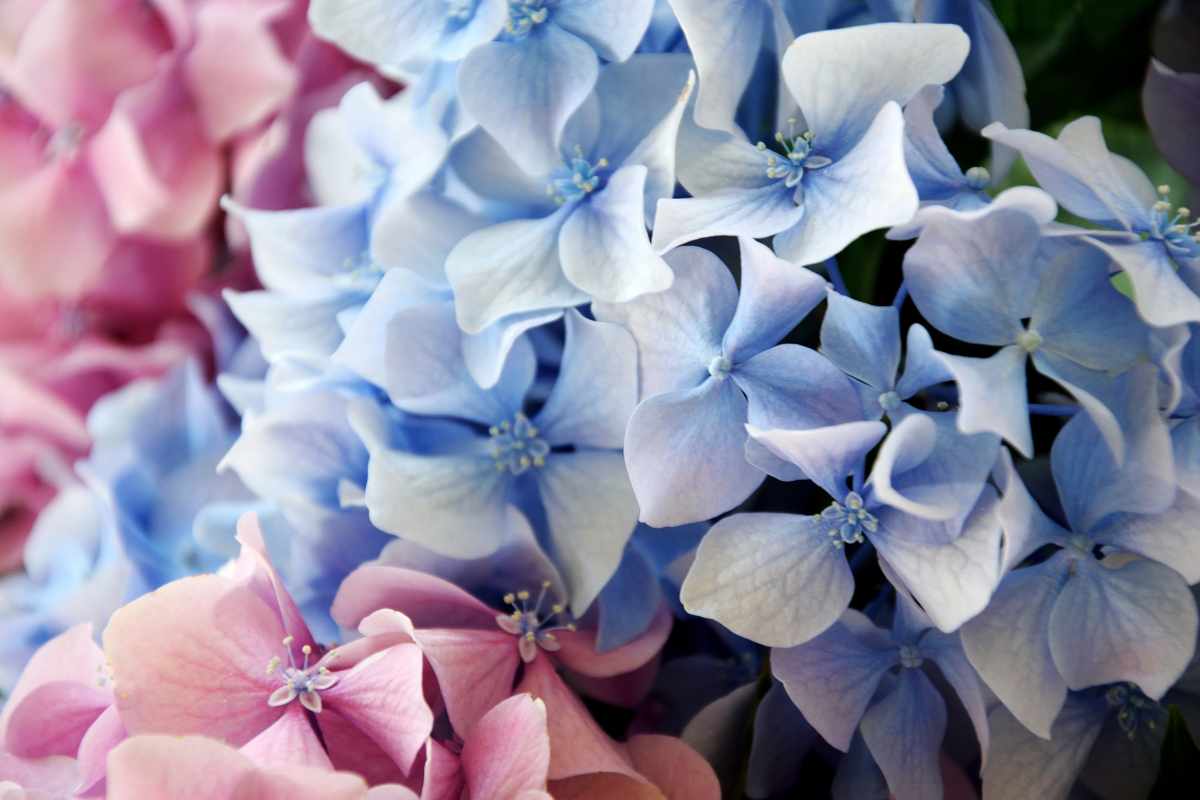
Not all hydrangeas bloom the same way.
Some varieties — like Hydrangea macrophylla (Bigleaf) and Hydrangea quercifolia (Oakleaf) — bloom on old wood, meaning they form buds the previous season.
Others, such as Hydrangea paniculata and Hydrangea arborescens, bloom on new wood and produce buds in the current season.
Knowing your plant type helps you avoid cutting off potential flowers during pruning. If you’re unsure, watch where the buds form in early spring — that’s a clear clue.
Prune at the Right Time
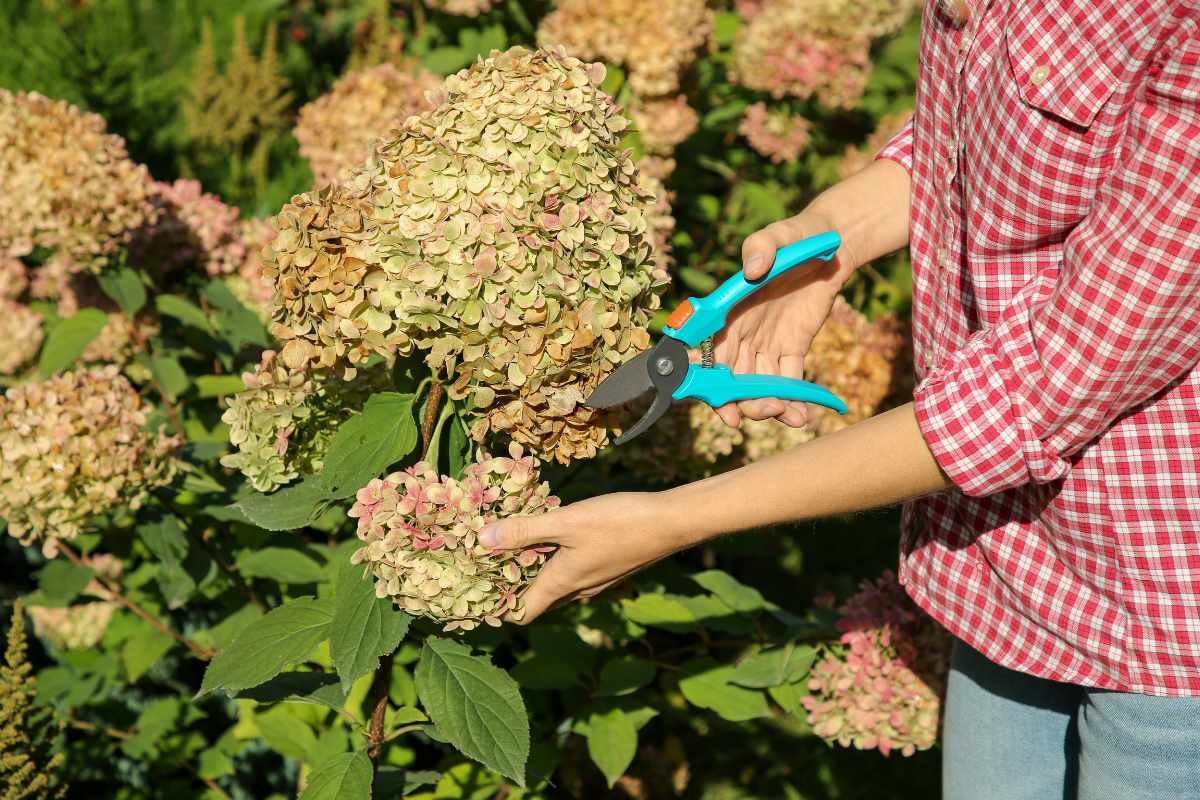
Pruning mistakes are one of the most common reasons hydrangeas don’t bloom.
Old-wood hydrangeas should be pruned right after flowering, no later than early fall.
New-wood hydrangeas can be pruned in late winter or early spring before new growth starts.
Always remove dead or weak stems to improve airflow, and avoid heavy pruning unless necessary.
Proper pruning allows your hydrangea to focus its energy on developing healthy buds.
Feed Your Plant Wisely
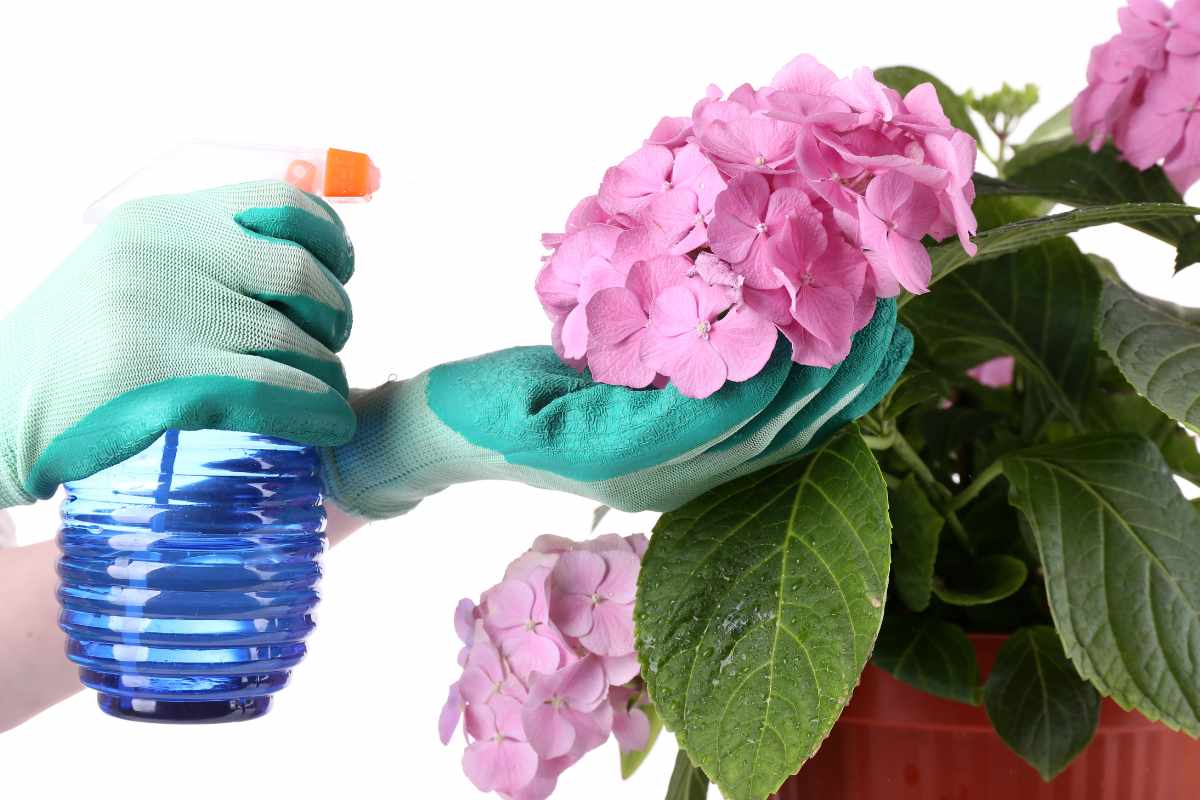
Like all flowering plants, hydrangeas need nutrients — but balance is key.
Too much nitrogen (common in lawn fertilizers) encourages lush leaves instead of blooms.
Use a balanced slow-release fertilizer such as 10-10-10 or one specifically made for flowering shrubs. Apply it in spring when new growth begins, and again lightly in early summer.
If your soil is poor, consider adding compost or organic matter to improve fertility and moisture retention.
Check Your Soil pH
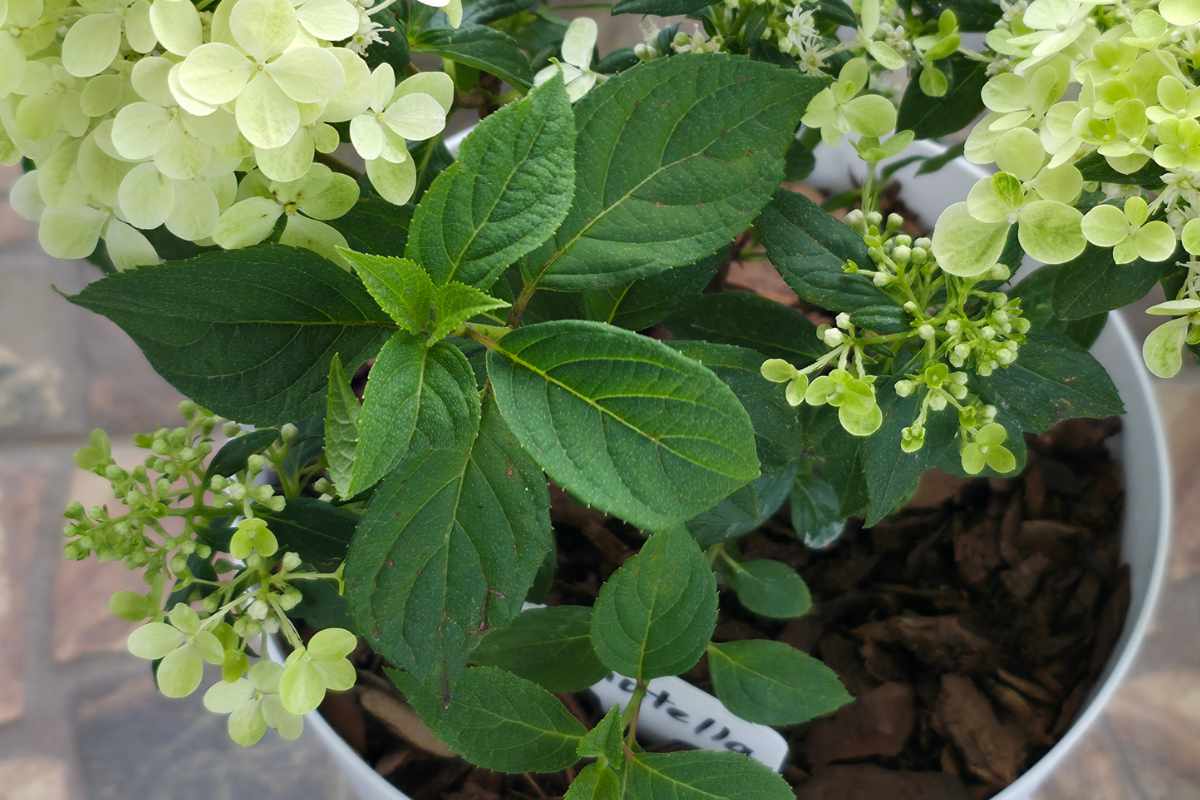
Your soil’s pH doesn’t just affect bloom color — it also impacts the plant’s health and flowering potential.
Hydrangeas prefer slightly acidic soil (around pH 6.0). If the soil is too alkaline, the plant may struggle to absorb key nutrients.
Test your soil once a year using a simple kit. Adjust acidity naturally by adding sulfur or peat moss for more acid, or lime to make it more alkaline if needed.
Healthy soil means stronger, more reliable blooms.
Water Consistently
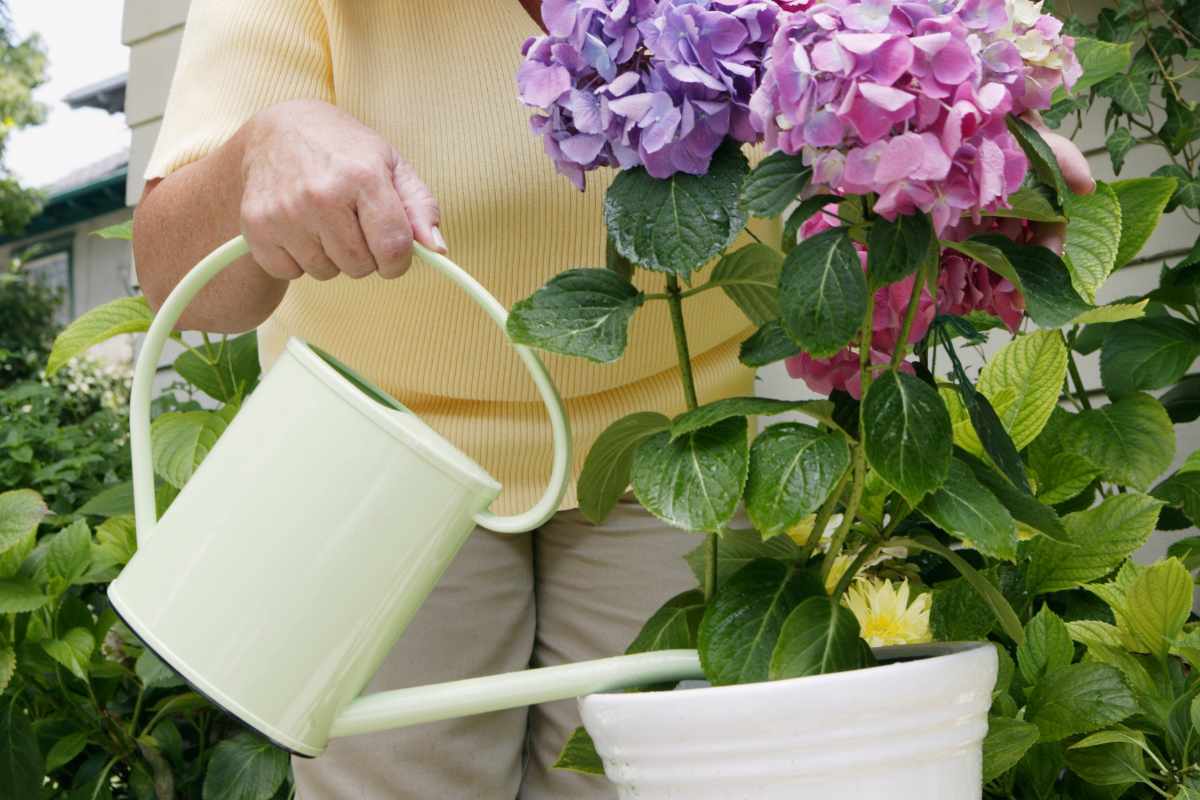
Hydrangeas love moisture but dislike soggy soil. Keep the soil evenly moist — not waterlogged — especially during hot or windy days.
Water deeply two or three times a week rather than shallow watering daily.
Adding a layer of mulch around the base helps retain moisture, regulate temperature, and reduce weeds.
Protect from Frost and Heat
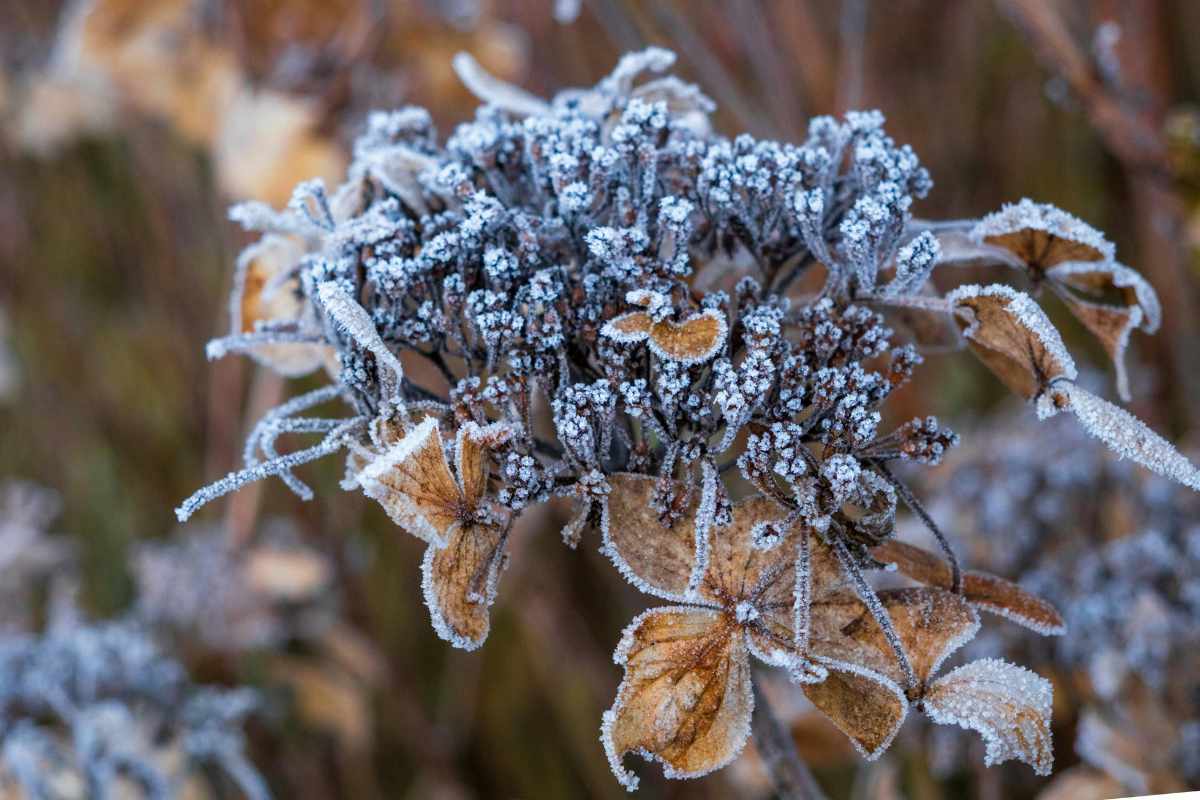
Late spring frosts can damage buds before they open, especially on old-wood varieties.
If frost is forecast, cover your hydrangea overnight with a sheet or frost cloth.
Likewise, during heatwaves, provide extra shade and water early in the morning.
These small precautions can make the difference between sparse blooms and a thriving plant covered in flowers.
Encourage New Growth
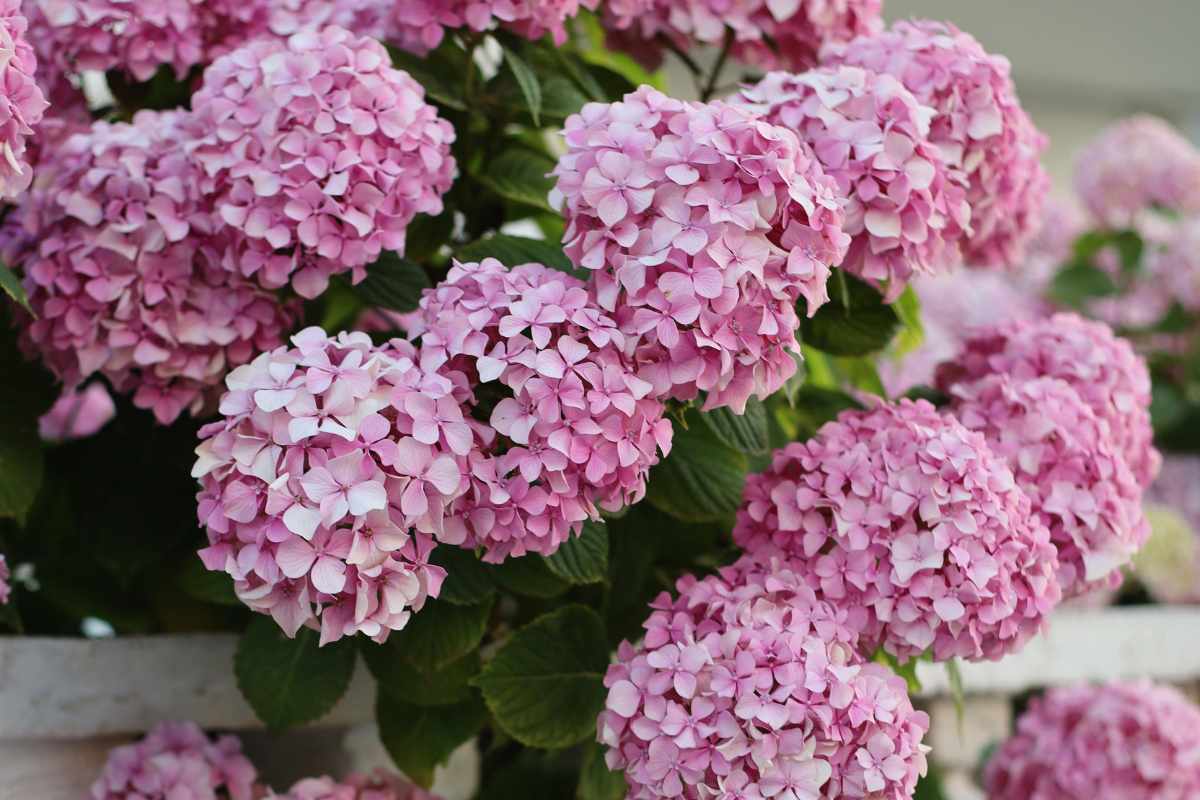
After your hydrangea finishes blooming, deadhead spent flowers and trim lightly to encourage new shoots.
This light pruning stimulates fresh growth that leads to stronger flowering in the next cycle.
You can also give your plant a gentle mid-summer feed with a diluted liquid fertilizer to boost energy without overwhelming it.
Final Thoughts on Getting More Hydrangea Blooms
Getting a hydrangea to bloom beautifully year after year isn’t complicated — it just takes understanding its needs.
With the right balance of light, pruning, feeding, and soil care, your hydrangea will reward you with vibrant, abundant flowers season after season.
Take the time to observe your plant and adjust your care routine accordingly.
In just a few weeks, you’ll start noticing the difference — bigger, healthier blooms that make your garden shine.
Enjoy This Video Tutorial

Source: Kelly Lehman
Don’t forget to Subscribe to our Newsletter to receive amazing tips and tricks about Gardening and the FREE Ebook Green Living Strategies!
Did you find this post Useful or Inspiring? Save THIS PIN to your GARDENING Board on Pinterest! 😊

Once again, thank you for visiting our website!
We hope you've enjoyed exploring the content we've created for you.
Give yourself the chance to learn, get inspired, and have even more fun, keep browsing...
More Gardening Tips 👇🏼👇🏼