
CROTON Care Tips & Tricks


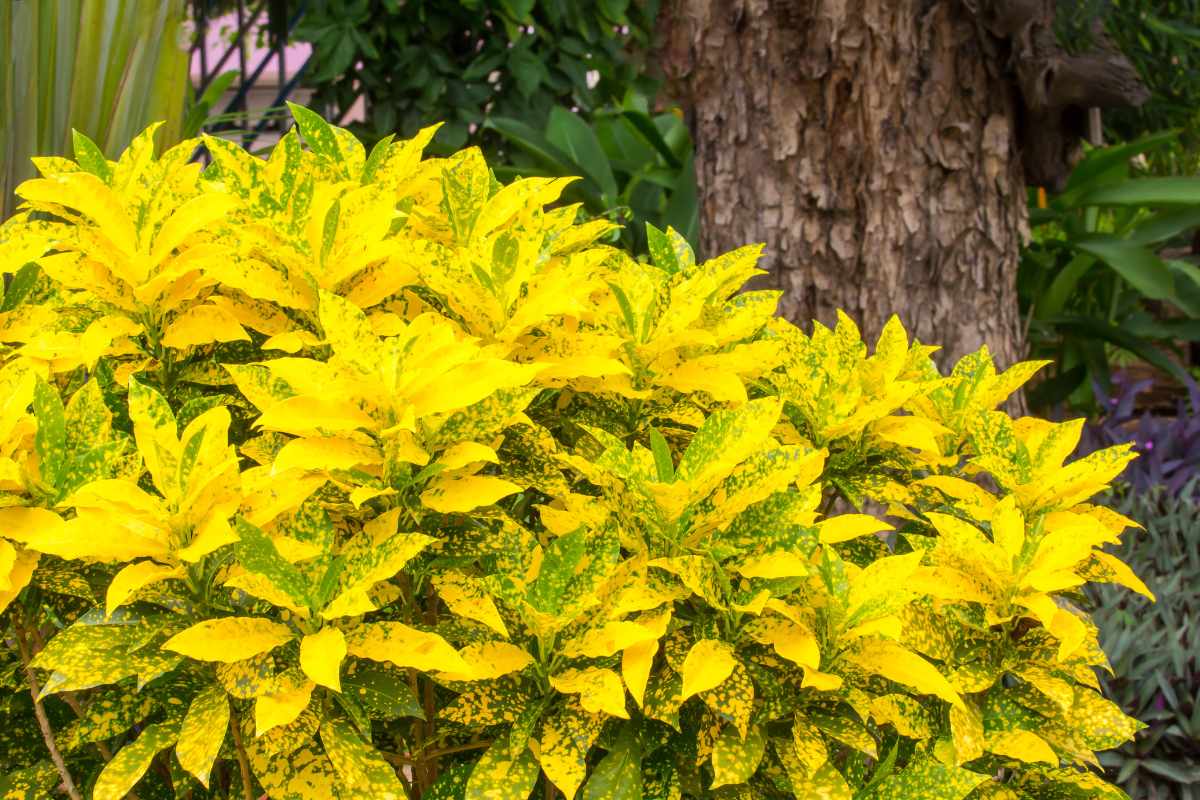
If you love bold, tropical houseplants, the Croton (Codiaeum variegatum) is an eye-catching choice.
Its bright, variegated leaves bring instant color to any indoor space—but keeping them vibrant takes a bit of care.
Here’s a complete guide on how to help your Croton plant thrive at home, from lighting and watering to propagation and problem-solving.
Light Requirements for Croton Plants
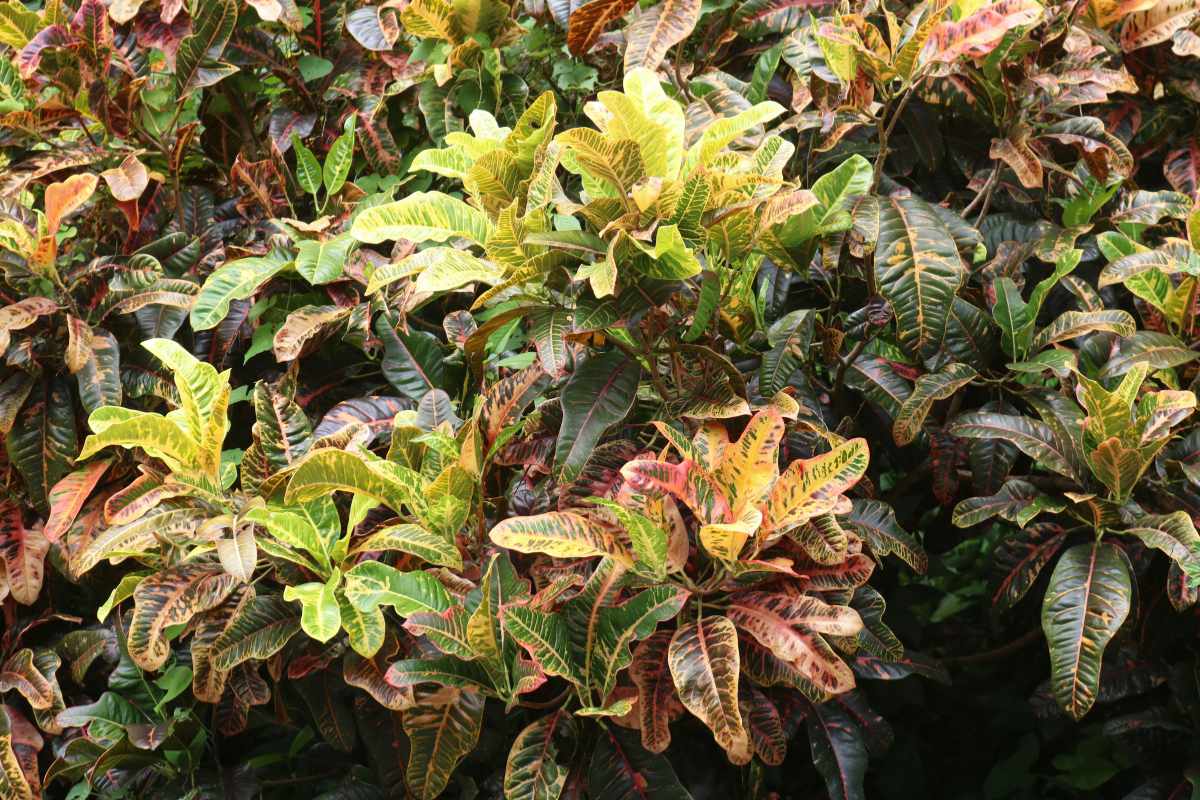
Crotons love bright, indirect light. The more light they receive, the richer their leaf colors become.
Place yours near an east- or south-facing window where it gets plenty of filtered sunlight.
Avoid low-light areas—leaves will lose their color and turn plain green.
Too much direct sun, however, may scorch delicate foliage.
Adjusting to New Light Conditions
When moving your Croton to a brighter spot, do it gradually.
Sudden light changes can cause leaf drop, a common issue with this sensitive plant.
Watering Tips and Humidity Needs

The Croton prefers consistently moist but not soggy soil. Let the top inch (2–3 cm) of soil dry before watering again.
Always use a pot with good drainage to avoid root rot.
How to Maintain Humidity
Crotons are native to humid tropical regions.
Keep humidity around 60% or higher by misting regularly, using a pebble tray, or placing a humidifier nearby—especially during winter when indoor air gets dry.
Soil and Fertilizing
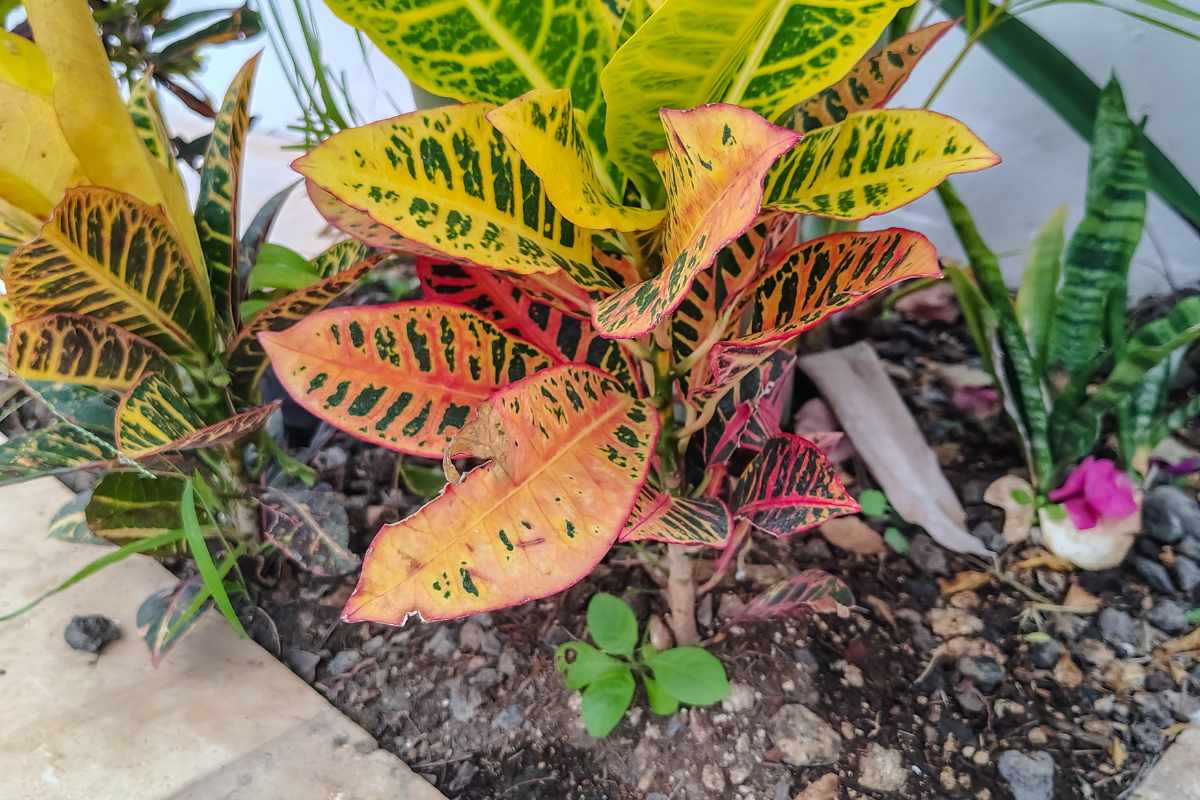
Use a well-draining potting mix that retains some moisture, such as a blend of peat, perlite, and compost.
Feed your plant every 4–6 weeks during spring and summer with a balanced liquid fertilizer diluted to half strength.
Stop feeding during the colder months when growth slows down.
Temperature and Placement
Crotons thrive between 60–85°F (16–29°C). Keep them away from cold drafts or heat sources like radiators and air conditioners.
Sudden temperature changes can lead to leaf loss or dull coloring.
Pruning and Repotting
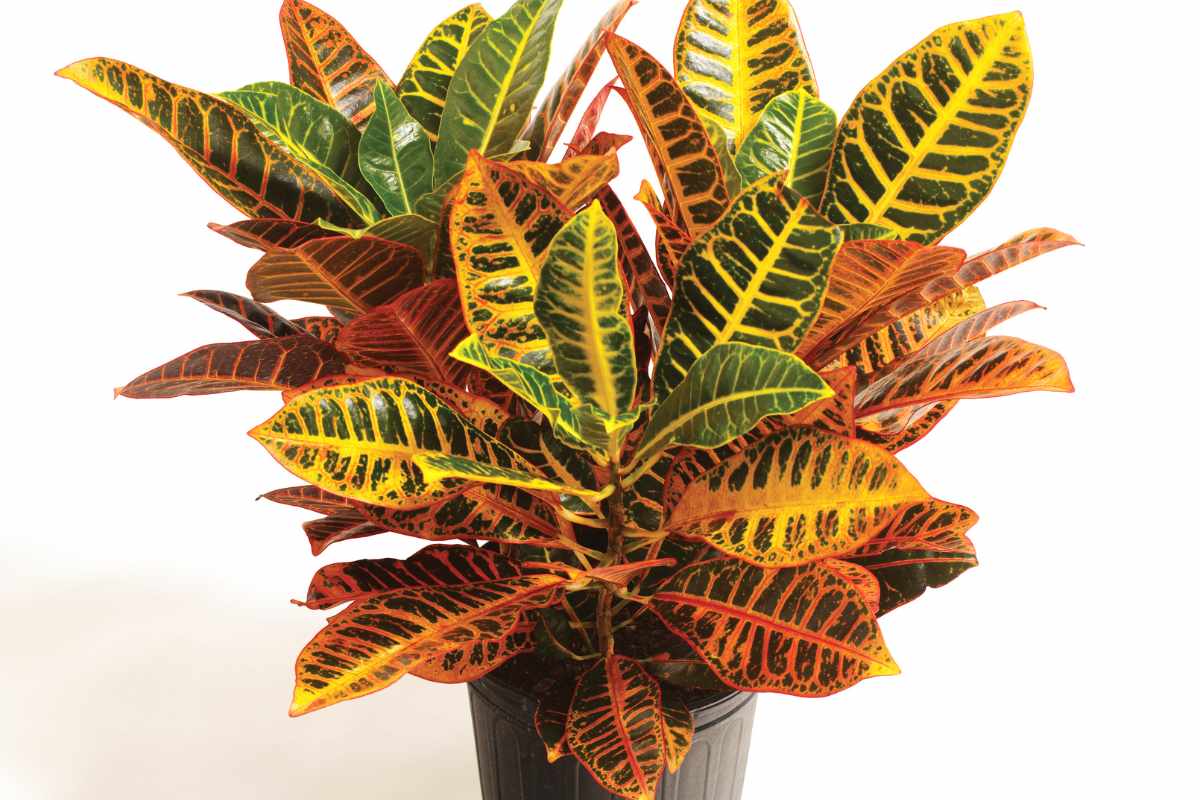
Prune leggy stems in early spring to maintain a compact, bushy shape.
Wipe pruning shears with alcohol to prevent disease spread.
Repot your Croton every two years or when roots start circling the pot.
Choose a container one size larger with drainage holes.
How to Propagate Croton Plants
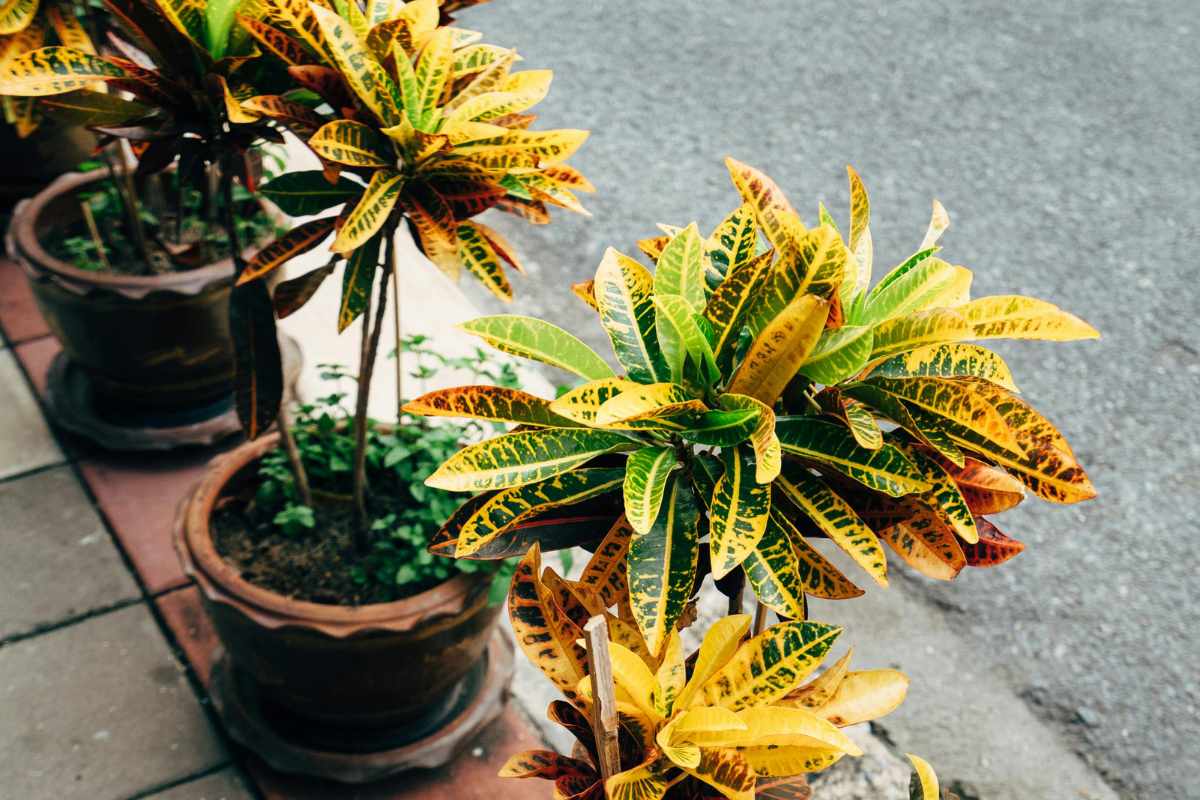
Crotons propagate easily from stem cuttings. Choose a healthy stem with at least three leaves and cut just below a node.
Place the cutting in water or directly in moist soil. Roots usually appear in 3–4 weeks. Keep it warm and humid during this stage.
Common Problems and How to Fix Them
Leaf drop: Usually caused by sudden temperature or light changes.
Pale leaves: Indicates lack of sunlight.
Brown edges: The Air is too dry or the soil is too compact.
Pests: Check for spider mites and mealybugs; wipe leaves with insecticidal soap if needed.
Why You’ll Love Growing Croton
The Croton plant isn’t just beautiful—it’s a statement piece that transforms dull corners into tropical highlights.
With the right care routine, it rewards you with year-round color and striking patterns.
Whether you’re a beginner or an experienced plant lover, a Croton adds personality and life to any room.
Enjoy This Video Tutorial About

Source: Good Growing
Don’t forget to Subscribe to our Newsletter to receive amazing tips and tricks about Gardening and the FREE Ebook Green Living Strategies!
Did you find this post Useful or Inspiring? Save THIS PIN to your GARDENING Board on Pinterest! 😊

Once again, thank you for visiting our website!
We hope you've enjoyed exploring the content we've created for you.
Give yourself the chance to learn, get inspired, and have even more fun, keep browsing...
More Gardening Tips 👇🏼👇🏼