
China Doll Plant: Indoor Care and Growing Guide


The china doll plant (Radermachera sinica) is a graceful, fern-like tree that brings lush, glossy foliage to bright rooms—without demanding the fuss of tropical divas.
This practical guide covers China Doll Plant Care Indoors from light and watering to pruning, humidity, and troubleshooting, so you’ll know exactly How To Care For China Doll Plant year-round as part of smart Indoor Plant Care.
Meet the Plant: Why “China Doll” Wins Indoors
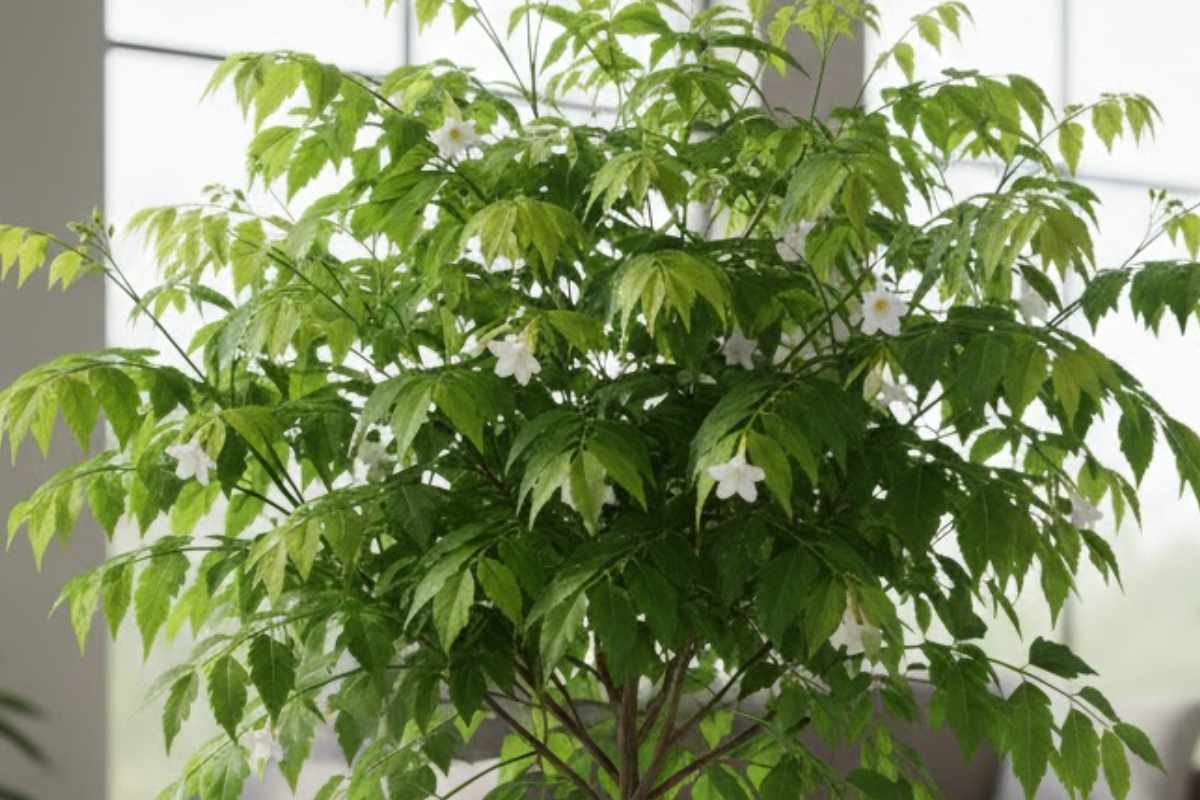
Often sold as compact tabletop shrubs, China Doll plants are actually juvenile trees. Their fine-textured leaves create a soft, elegant silhouette that fits modern and classic interiors alike.
When positioned correctly, they grow steadily and maintain a tidy form with minimal shedding.
Success with china doll plant care starts with expectations: this species loves bright, indirect light and consistent moisture—not soggy soil. It rewards stable conditions and gentle, regular pruning, which encourages dense, feathery growth.
Light: Bright, Indirect, and Steady
Place the plant near an east or west window with abundant but filtered light. A sheer curtain in a south window works well too. Insufficient light causes sparse stems and leaf drop; harsh midday sun can scorch leaves. Aim for the sweet spot: bright light that never sears.
Rotate the pot a quarter turn each week to prevent leaning. If your space is dim in winter, supplement with a full-spectrum grow light 10–12 inches above the canopy for 10–12 hours daily. Even light equals even growth—cornerstone advice for China Doll Plant Care Indoors.
Watering: Even Moisture, Never Waterlogged
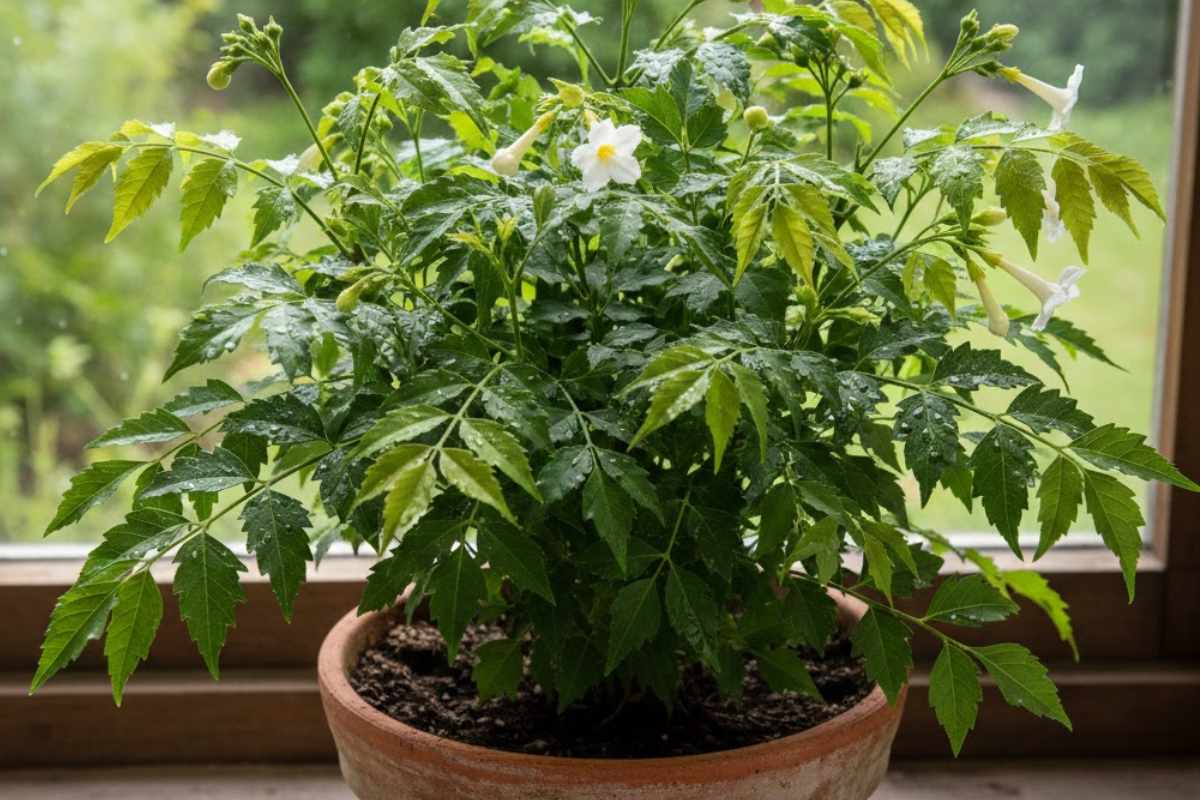
Water thoroughly when the top inch (2–3 cm) of soil feels dry. Let excess drain completely; never leave water pooling in the saucer. Overwatering suffocates roots and triggers sudden yellowing and drop.
In warm months, your plant may need water every 5–7 days; in cooler seasons, every 10–14 days is common. Track your cadence for a month and adjust to your room’s conditions—simple data makes china doll plant care predictable and low-stress.
Soil & Potting: Light Mix, Good Drainage
Use a free-draining, peat-free potting mix amended with perlite or fine bark. Choose a pot with generous drainage holes. Repot only when roots circle the pot or water rushes through too quickly—typically every 18–24 months.
When repotting, move up just one size. A giant pot stays wet too long and encourages root issues. Keep the crown at the same depth and water lightly for the first week while roots re-establish.
Feeding: Moderate Nutrition for Tidy Growth

During spring and summer, feed with a balanced, liquid fertilizer at half strength every 4–6 weeks. Skip or halve feedings in fall and winter when growth naturally slows. Overfeeding can produce coarse, lanky stems—gentle is better.
Top-dressing with a thin layer of high-quality compost once a year supports soil life and steadies moisture. This slow, steady approach suits thoughtful Indoor Plant Care.
Pruning & Shaping: Fuller, Bushier, Better
Pinch soft tips to promote branching and a dense canopy. For leggy stems, cut just above a leaf node; new shoots will emerge below the cut. Always use clean, sharp shears to avoid tearing the delicate foliage.
If the plant becomes too tall, a harder prune in early spring resets the shape. Reduce watering slightly for two weeks while the plant redirects energy to new buds, then resume your standard routine.
Humidity & Temperature: Comfort Over Extremes
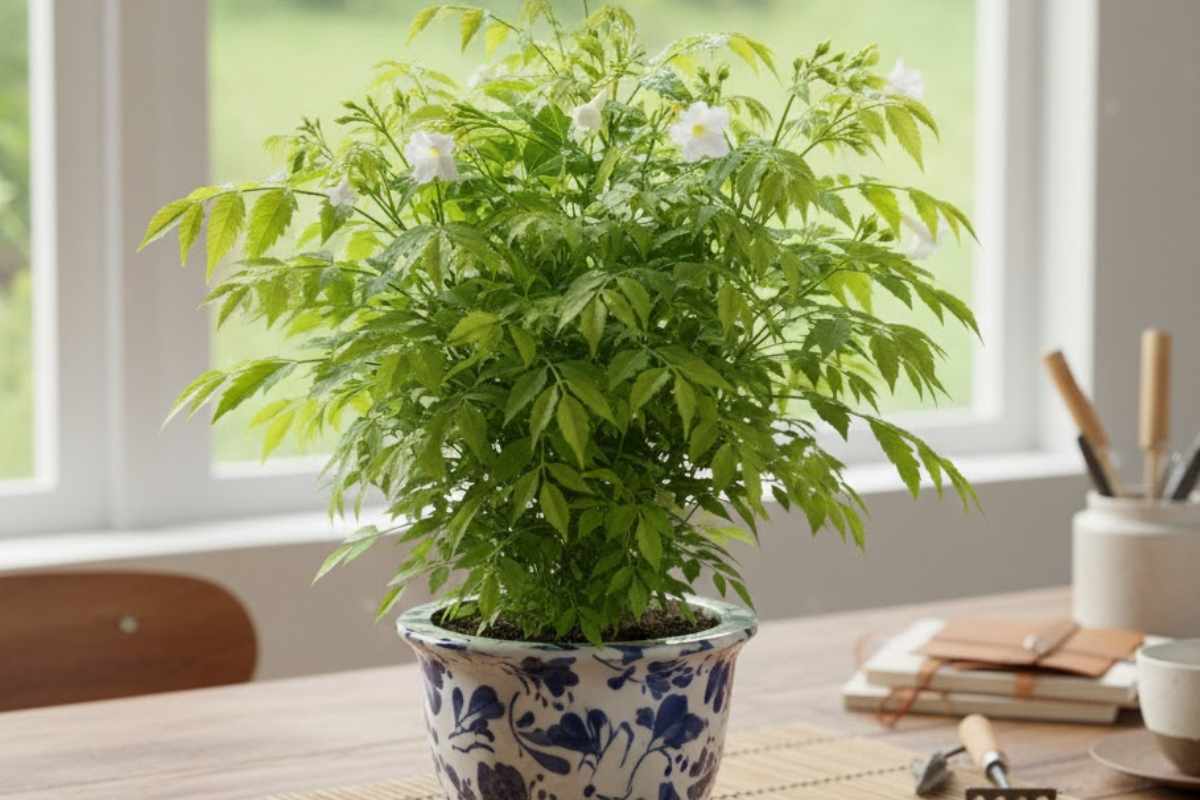
China Doll likes room temperatures between 18–26°C (65–79°F) and dislikes drafts or heat blasts. Keep it away from air vents and frequently opened doors. Average household humidity is usually fine; if the air is very dry in winter, cluster plants together or place the pot on a pebble tray.
Misting can refresh foliage temporarily, but humidity stability comes from the environment: sealed windows, grouped plants, and consistent watering habits.
Common Problems and Easy Fixes
Sudden leaf drop: Usually a response to change—light shifts, overwatering, or a cold draft. Move the plant to bright, stable light, let soil partially dry, and avoid further relocations for two weeks.
Leggy growth: Increase light and begin regular tip-pinching. Rotate weekly. A light prune can coax compact form and restore the elegant “treelet” look associated with the China Doll.
Sticky leaves or webbing: Inspect for scale or spider mites. Wipe foliage with a damp cloth and treat with insecticidal soap, repeating weekly until clear. Boost light and airflow to prevent reinfestation.
Seasonal Rhythm: Adjust, Don’t Overhaul
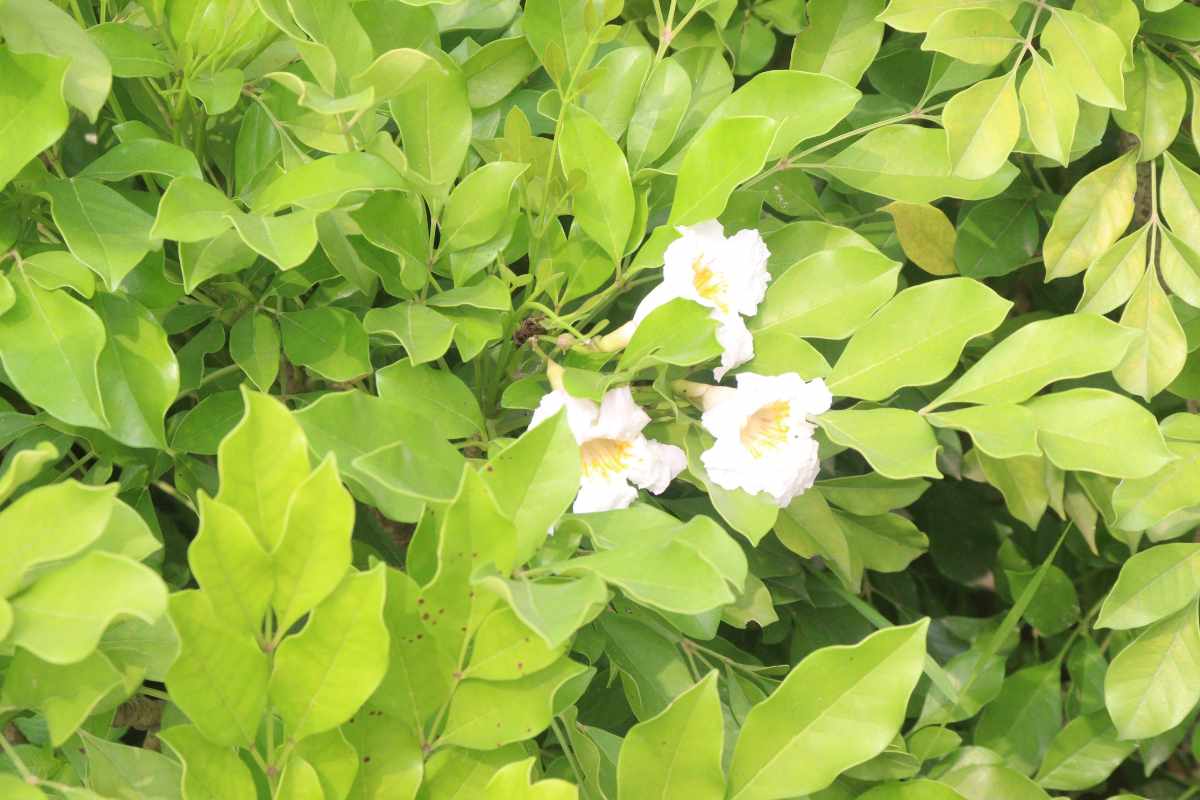
Spring and summer bring faster growth—lean into your feeding schedule and prune lightly for shape. In autumn, reduce fertilizer and monitor watering intervals as days shorten. Winter success is all about consistency: steady light, minimal disturbance, and careful watering.
Remember, the plant stores energy in its woody stems. Patience through seasonal pauses is a key principle in long-term china doll plant care.
Propagation & Repotting Strategy
Stem cuttings root best in late spring. Take a 10–12 cm cutting with several leaflets, remove the lower set, dip in rooting hormone (optional), and place in a sterile, moist mix. Bright, indirect light and stable warmth are essential.
When potting up rooted cuttings, start small. Graduated pot sizes encourage a resilient root system and make watering simpler to dial in.
Styling Ideas: Make It the Room’s Green Anchor
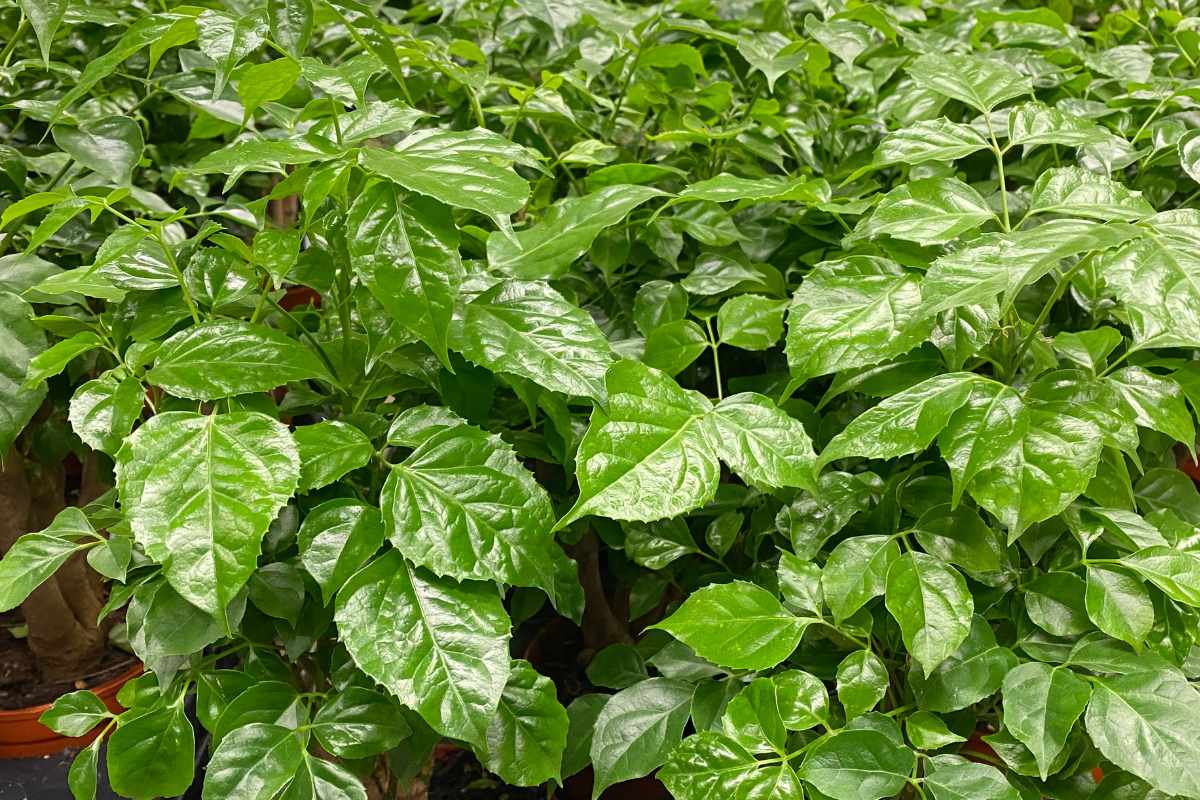
Use the plant as a vertical accent beside a sofa or reading chair. Pair with broad-leaved companions for contrast—rubber plant, monstera—or place on a stand to showcase its fine texture. A neutral pot lets the foliage shine; a textured planter adds subtle drama.
Because foliage is airy, a dark or warm-toned background highlights the delicate leaflets. Good styling doesn't just look great—it helps you notice subtle changes as part of daily Indoor Plant Care.
FAQ: How To Care For China Doll Plant (Quick Answers)
How much light? Bright, indirect light all day, or a few hours of gentle morning sun. Avoid intense midday rays.
How often to water? When the top inch is dry; water thoroughly and drain well. Frequency shifts with season and room conditions.
Do I need to mist? Optional. Focus on stable humidity and keep leaves dust-free to maximize photosynthesis.
When to repot? Every 18–24 months or when roots circle the pot and water runs through quickly.
Your Next Step
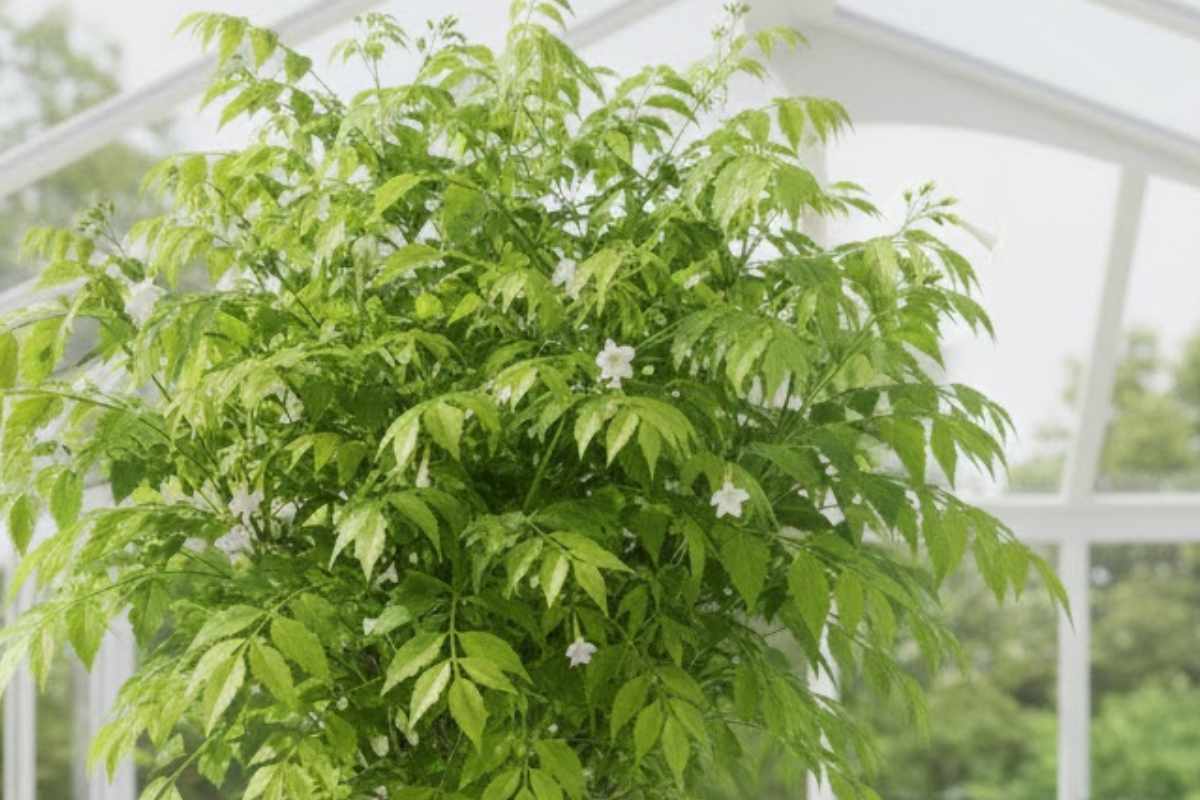
Now that you know the essentials of China Doll Plant Care Indoors, pick one improvement to apply today—better light placement, a consistent watering routine, or a light tip-pinch for shape. Small, steady tweaks compound into a thriving china doll plant that feels effortless.
Keep Learning with Urbaki Gardening
Explore more practical guides for pruning, lighting, and Indoor Plant Care across popular species. Save your favorites and share your progress—we’re rooting for you.
Enjoy This Video Tutorial

Source: Jenny David
More Gardening Tips 👇🏼👇🏼