
Tibouchina: Indoor Plant care & Growing Guide


The Tibouchina Plant (princess flower) is a velvety-leaved beauty with vivid purple blooms that pop indoors or on sheltered patios. Although it’s naturally a Tropical Flowering Tree, you can keep it compact in containers with smart pruning and steady care.
This guide walks you through setup, maintenance, and troubleshooting so you know exactly How To Grow Tibouchina successfully at home.
Tibouchina Plant Care Essentials
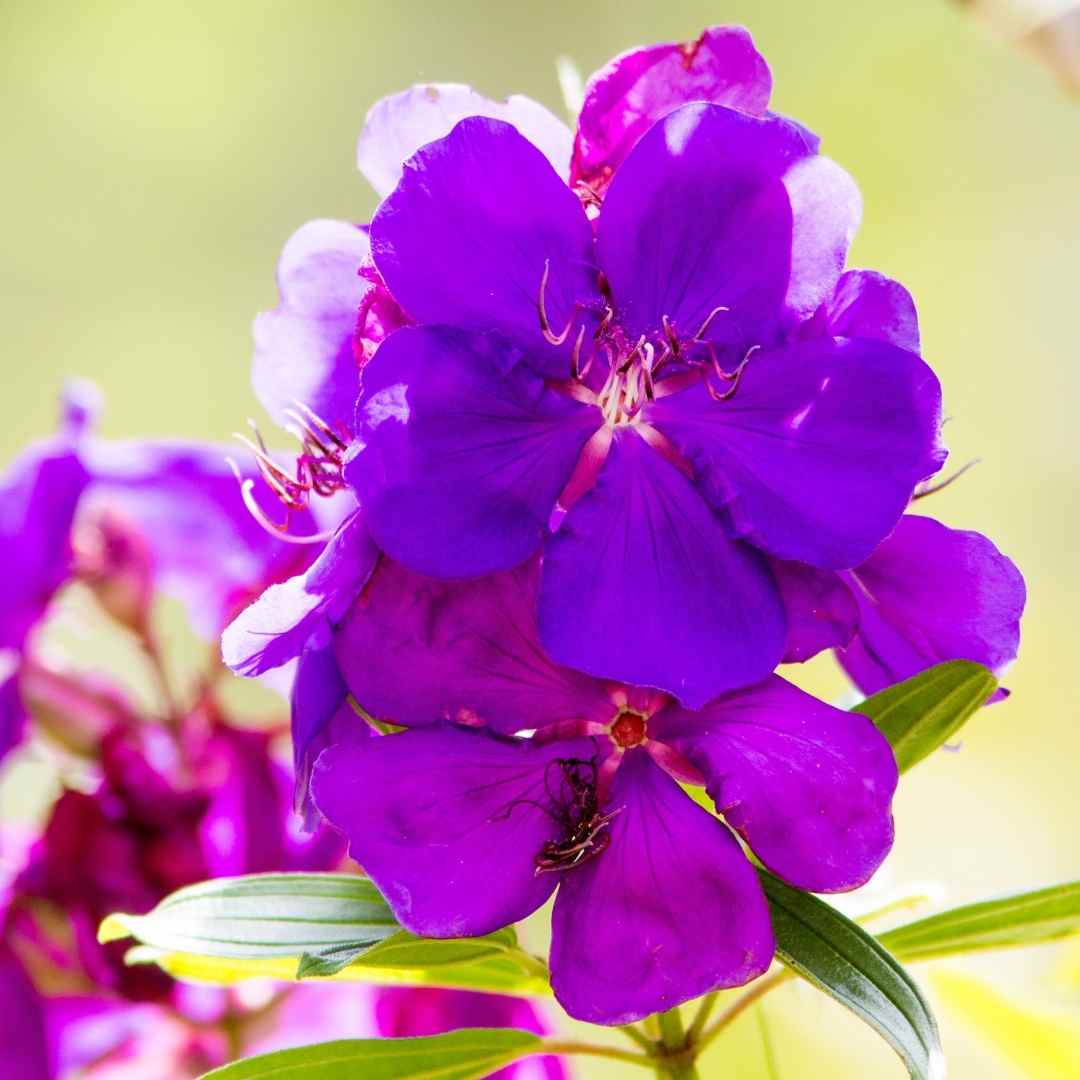
Light: Bright, indirect light is ideal; morning sun plus afternoon shade keeps foliage plush and petals saturated. Direct, hot mid-day rays can scorch leaves, especially behind glass.
Temperature & Humidity: Aim for 65–80°F (18–27°C) and moderate humidity. Cool drafts and dry air slow growth. A small humidifier or pebble tray helps the plant keep buds.
Water: Keep the mix evenly moist but never soggy. Let the top inch dry before watering again. Consistency prevents bud drop and crispy tips.
Feeding: During spring–fall, feed every 3–4 weeks with a balanced, blossom-supporting fertilizer. Reduce or pause in winter.
Light, Temperature & Humidity Explained

Tibouchina thrives where light is strong yet filtered—an east window, a bright south room with sheer curtains, or a sunroom with dappled rays. If foliage pales or internodes stretch, increase light gradually.
Warmth fuels blooms. Keep the pot away from AC vents, winter windows, or drafty doors. If your home is dry, group plants together or place a tray of water and pebbles beneath (pot resting above the waterline).
Soil & Watering That Work

Soil Mix: Use a rich, free-draining media: quality potting mix + fine bark or perlite for aeration. Good drainage is non-negotiable to protect roots.
Watering Rhythm: Water thoroughly until excess drains. Empty saucers. In bright, warm rooms you’ll water more often; in winter, less. Leaves that droop then perk up after watering signal you were slightly late—adjust your cadence.
How To Grow Tibouchina Indoors
1) Start Right: Choose a 10–14 inch (25–35 cm) container with drainage. Insert a light stake early to guide the young leader if you want a “mini standard” form resembling a petite Tibouchina Tree.
2) Place For Blooming: Bright, filtered light plus steady moisture keeps buds forming. Rotate the pot weekly so the canopy develops evenly.
3) Feed For Flowers: Use a bloom-forward liquid feed at half-strength during the active season. Stop if growth slows or light decreases markedly.
4) Prune With Purpose: After a flush of flowers, tip-prune to encourage branching and a dense habit—perfect for small spaces.
Pruning, Training & Size Control

To keep this Tropical Flowering Tree house-friendly, pinch soft tips during spring and early summer. Each pinch creates more laterals, more flower sites, and a compact, bushy silhouette.
For a patio standard, select a single central stem as the leader. Stake gently and remove competing shoots below the future canopy. Once height is set, pinch the crown to form a tidy “umbrella.”
Potting, Repotting & Overwintering
Repot Timing: Move up one size when roots circle the pot, usually every 1–2 years. Refresh the top third of mix annually if you’re holding the same container size.
Outdoor/Indoor Transition: In warm months, a bright patio is perfect. Before nights drop below 55°F (13°C), move the plant indoors, check for pests, and reduce watering slightly as growth slows.
Propagation: More Blooms, More Plants
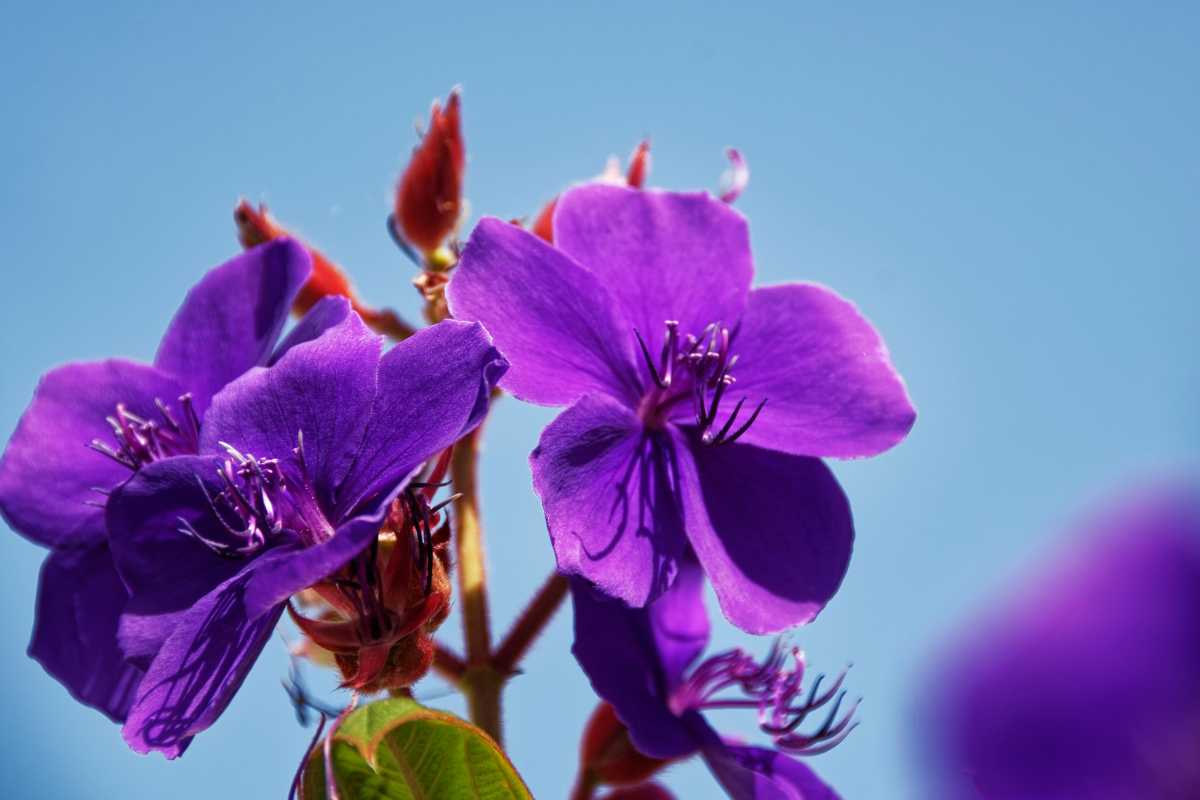
Softwood cuttings root well. Take 4–6 inch (10–15 cm) tips below a node, strip lower leaves, and dip in rooting hormone. Place in moist perlite or a perlite/peat mix under bright, indirect light and high humidity.
Vent daily to prevent rot. When roots are 1–2 inches long, pot cuttings into the standard mix and pinch tips once established to build a dense young plant.
Troubleshooting & Quick Fixes
Bud Drop: Usually inconsistent moisture, low humidity, or sudden moves. Stabilize watering, boost humidity, and avoid relocating the plant while it’s in bud.
Pale Leaves / Leggy Growth: Increase light gradually or supplement with a grow light. Prune lightly to reset structure.
Leaf Scorch: Harsh midday sun. Add sheer curtains or shift the pot a step back from the window.
Pests (aphids, spider mites, whiteflies): Rinse foliage, then apply insecticidal soap or neem on a 7–10 day cycle until clear. Improve airflow and avoid dusty leaves.
Design Ideas: Make The Color Sing
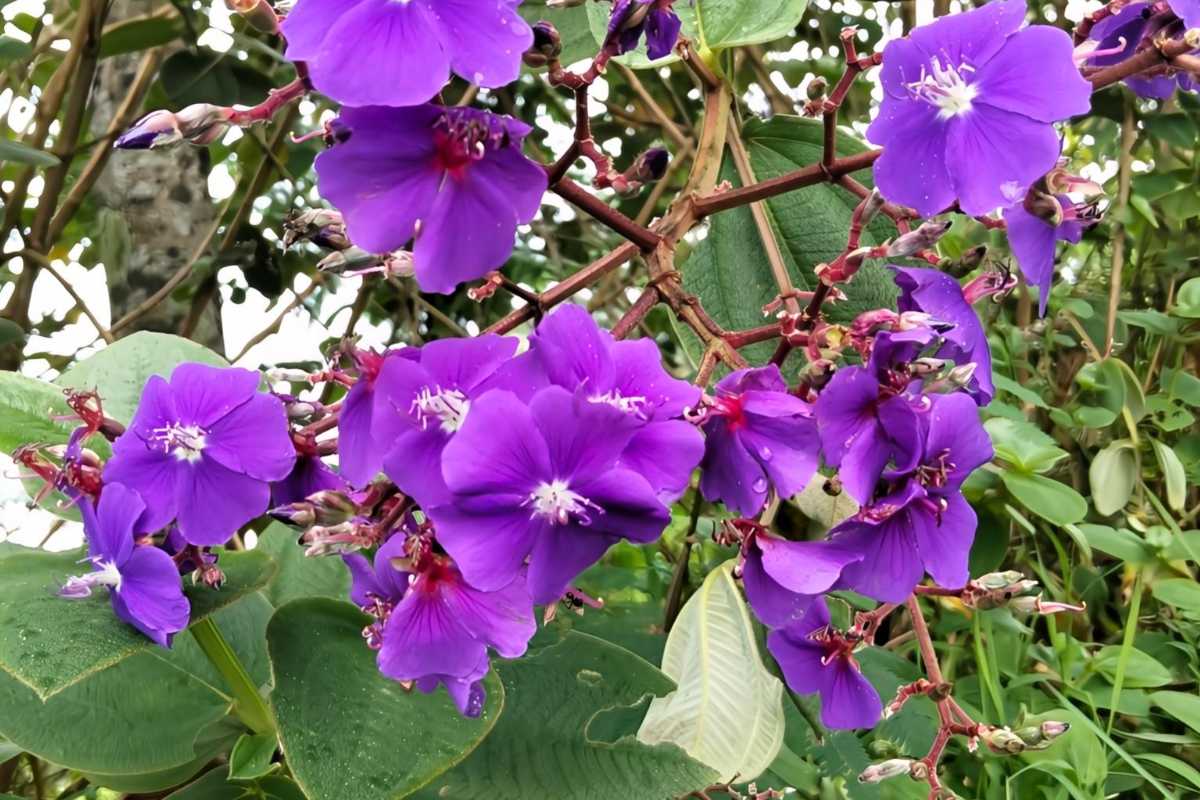
Pair the saturated blossoms of your Tibouchina Plant with neutral, matte planters—charcoal or sand—to spotlight the purple. Use light stakes to keep stems upright without visual clutter.
On patios, cluster with silver foliage (dichondra, dusty miller) for contrast. Indoors, stage near warm wood accents; purple against oak or walnut feels rich and modern.
Seasonal Rhythm & Bloom Window

With bright light, consistent moisture, and regular feeding, blooms typically cycle from late spring through early fall. Tip-prune after each flush, then resume feeding to set the next wave.
In winter, growth slows. Provide as much light as possible, water sparingly, and hold fertilizer until days lengthen—your plant will rebound quickly in spring.
Wrap-Up: Confident Care For Big Color
Give bright, filtered light, a breathable mix, steady moisture, and periodic pinching, and your indoor Tibouchina Tree will deliver velvet leaves and electric blooms for months.
Ready for more plant-smart tips and container inspiration? Explore our latest guides and keep growing with confidence.
Enjoy This Video Tutorial About Tibouchina Care

Source: johnny A
More Gardening Tips 👇🏼👇🏼