
Planning a Vegetable Garden? 6 Things to Consider

Today we want to share with you a special post:
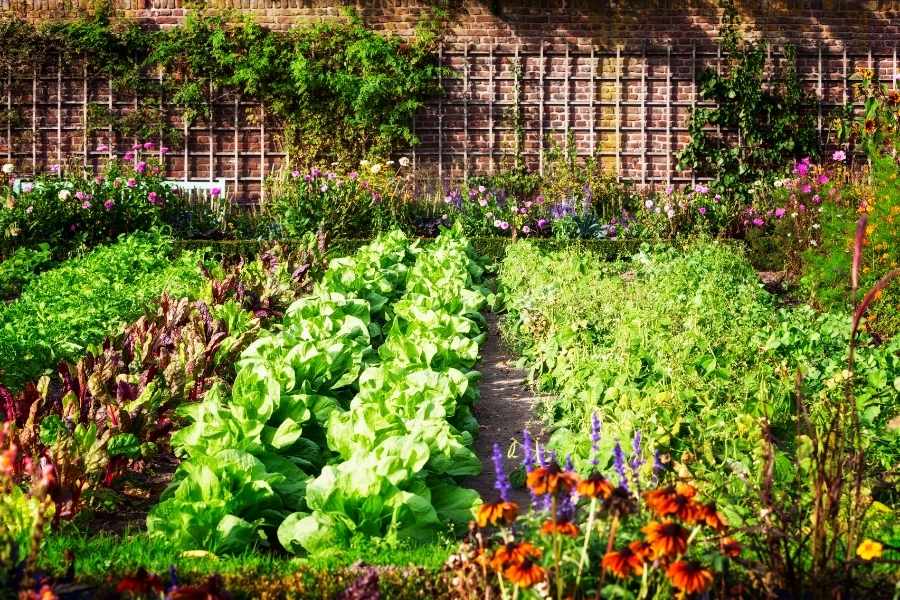
Designing a garden is more about knowing which vegetables grow in close proximity to each other than how things are. Some vegetables excrete substances that can inhibit the growth of other plants. Tall greens can shade shorter greens. Vegetables from the same family will attract the same pests and should be removed every year.
Remember that these plants will be eaten by you and your loved ones, so if you've never given organic gardening much thought before, you can think about it now.
What to Consider Before Planting Your Vegetable Garden
The good news is that most vegetables have similar growing needs, so when deciding where to put your garden, you can follow these guidelines.
Sun
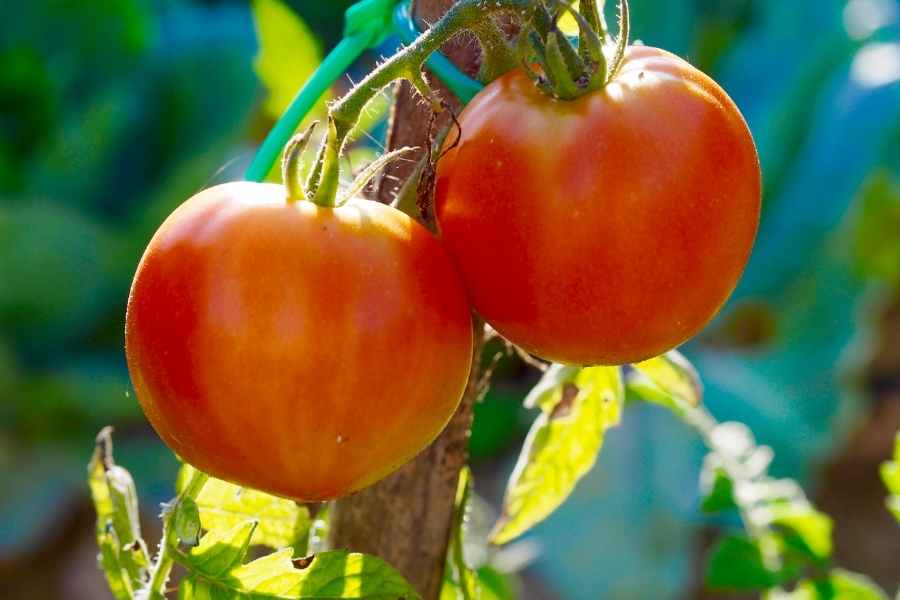
Vegetables love the sun. Most will grow best in 6 to 8 hours or more of direct sunlight. Green leaves can withstand less sun and crops that prefer a cooler climate, such as lettuce, will continue to grow through the summer in the shade of taller plants. But you will still want to choose a spot in full sun to set up your garden.
Access
Ideally, your garden should be near a water source and your kitchen. Vegetables will need water regularly. If they are watered unevenly, they will present all kinds of problems, such as cracking, not bearing fruit, or becoming susceptible to cultural problems, such as flower rot.
Proximity to the kitchen or easy access from the entrance to a house will remind you to water and check your garden every day and you will be more tempted to run outside and choose something fresh while cooking.
Soil
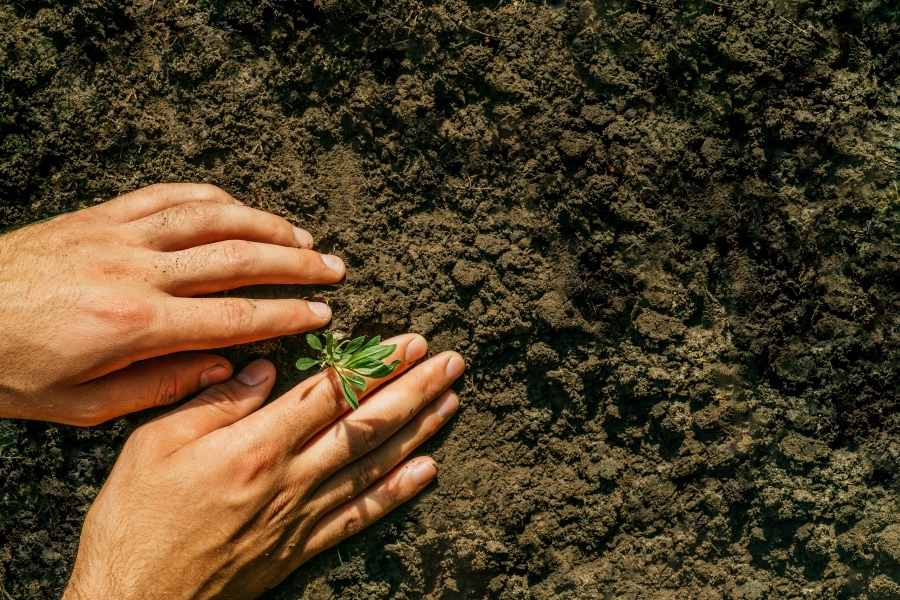
Soil is the most important factor in any garden and perhaps more so in a vegetable garden. Annual vegetables spend the entire season producing flowers and fruits. They eat a lot and the fertile soil will not only keep them growing but will also help prevent diseases and pests.
To begin with, the soil in your garden should be rich in organic matter. Compost and composted manure can be added in the spring and/or fall. It is highly recommended to test the soil when starting a new garden.
The test results will tell you if other modifications need to be added and if the soil pH needs to be adjusted.
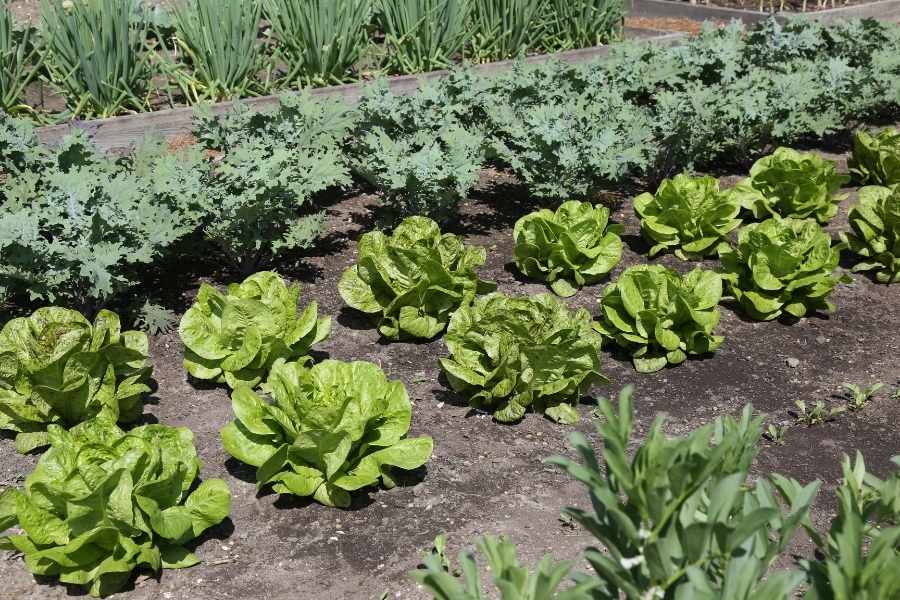
Probably the easiest way to ensure good soil for your garden is to create raised beds. Raised beds simply mean that the soil you are growing in is 15 centimeters or more above ground level.
It can be stacked between walkways or create elaborate structures, but the raised beds allow you to control the soil in the planting area, it is never trampled or compacted, it drains well and heats up faster. Therefore, it can be planted in early spring.
One final consideration when looking at the ground is to be aware of drainage and runoff. Vegetables don't like being in moist soil, so if the soil is heavy, the texture will need to be improved. Hopefully, the organic matter will leave its mark.
You also don't want all the added nutrients to flow elsewhere. If your site is not level, you will need to create drainage barriers. Likewise, you don't want water from less favorable sources, like your driveway, to flow into your garden.
Organic or Not?
Organic gardening gets a bad rap for being tougher and less efficient than gardening with synthetic and chemical fertilizers, but it is not known if this is the case.
If you have resisted organic gardening in the past, now is a good time to start, as garden centers are finally stocking up on a wide variety of organic gardening products and most of the garden information is available written to suit them.
Organic gardening takes less time because the goal is to avoid problems before they arise. Soil rich in organic matter is full of all kinds of organisms that will benefit your plants.
Keeping your plants healthy by providing them with the water, sun, and nutrients they need is the fastest way to avoid pests and diseases that favor diseased plants. And choosing plants that are suitable for their growing conditions and designed to resist disease will keep them healthy.
Tools
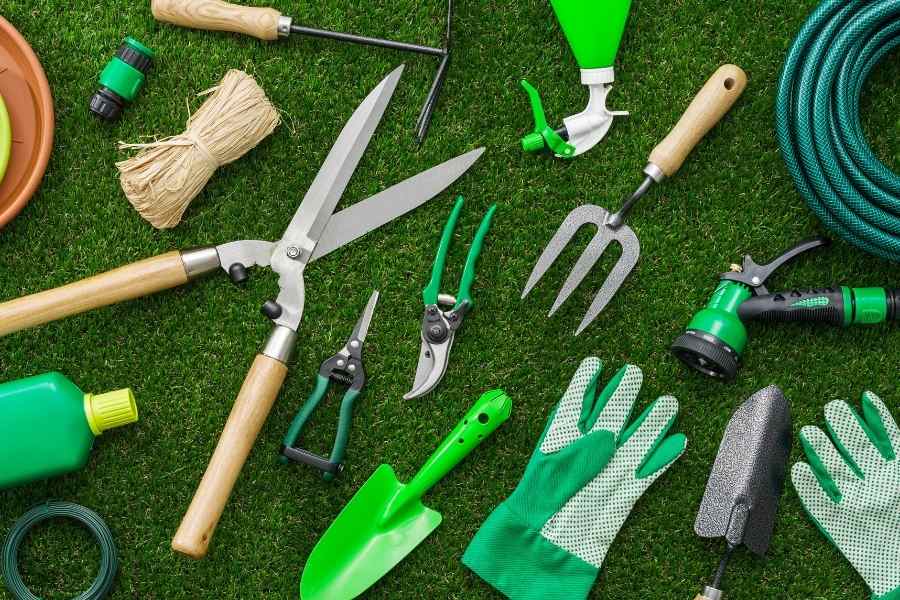
Every new business requires the right tools and gardening is no exception. Horticulture can be divided into 2 stages: preparing the garden and caring for the plants.
To create the garden, you will be moving a lot of soil. Basic tools include a shovel, a fork, a spatula, and optionally a sprout.
As your plants grow, you will need a different set of tools that will include: a hoe, hose, and nozzle or some type of irrigation system, cuttings, twine, and pruning shears.
Fencing
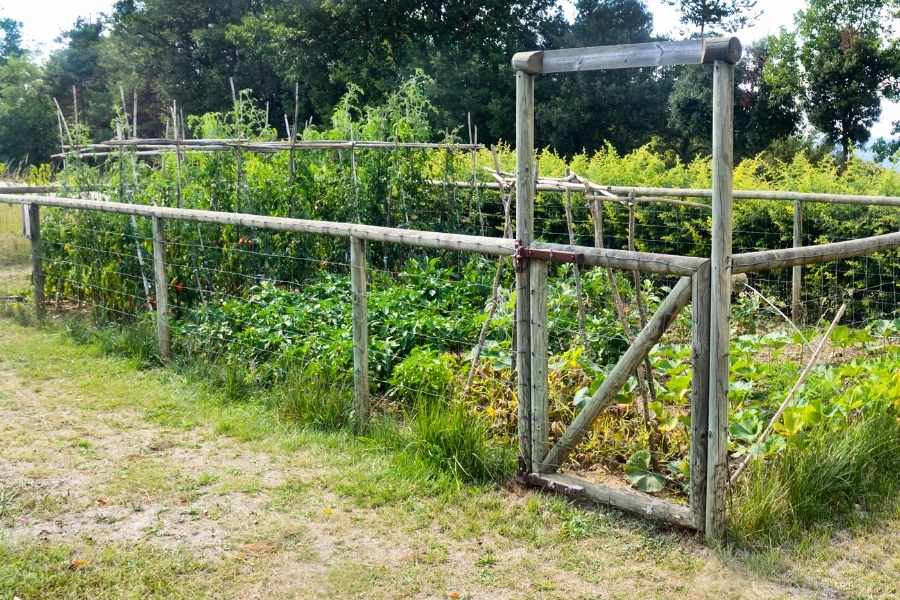
One more thing to consider is fencing. Fences can be awkward and unsightly, but you're not the only creature who likes to eat vegetables.
You will be surprised how quickly the animals can eat not only the fruits of your efforts but also the entire planting of leaves. It is a never-ending battle to protect your fenced yard.
In fact, you may need a fence above and below the garden. Many animals are buried under a fence and some, like prairie dogs, appear everywhere. It is not necessarily good the first year, but a little fencing is recommended.
Enjoy this video tutorial on the plan to have plenty of food throughout the year!!
Source: Huw Richards
Don’t forget to Subscribe to our Newsletter to receive amazing tips and tricks about Gardening and the FREE Ebook Green Living Strategies!
Did you find this post Useful or Inspiring? Save THIS PIN to your GARDENING Board on Pinterest! 😊
Once again, thank you for visiting our website!
We hope you've enjoyed exploring the content we've created for you.
Give yourself the chance to learn, get inspired, and have even more fun, keep browsing...
More Gardening Tips 👇🏼👇🏼