
Is Manure Safe to Use in Your Vegetable Garden?

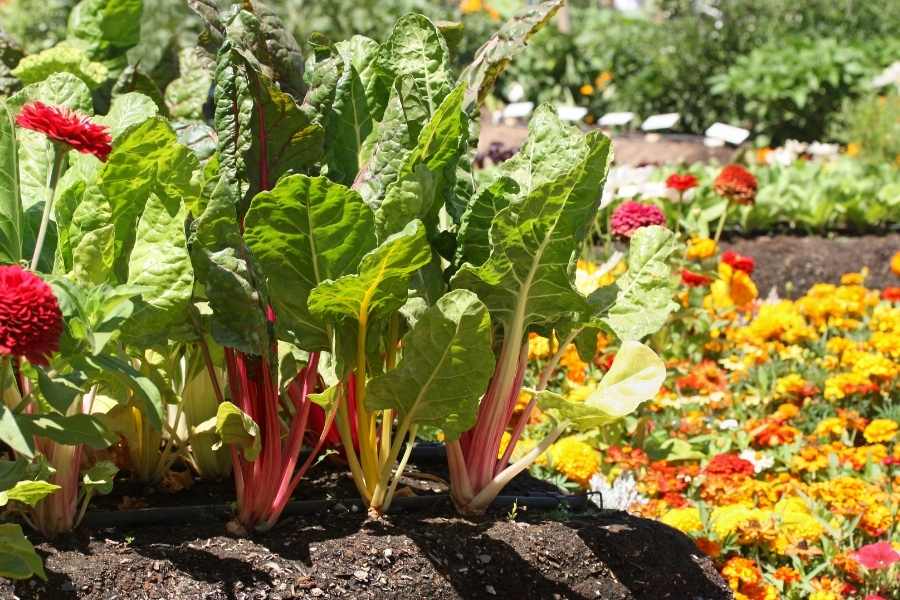
Today we want to share with you a special post:
Manure Magic: Maximizing the Benefits While Minimizing the Risks
Animal manure has been used in orchards for centuries. It adds nutrients and organic matter, which helps the development of healthy, living soil.
However, there have been many health problems that link the use of manure as a fertilizer with the eruption of E. coli (Escherichia coli), which can cause you to wonder: is it safe to add manure to a vegetable garden?
Bacteria already in plant roots, as well as bacteria and fungi in the soil, would compete with E. coli and keep it in check, perhaps even feeding on it.
Furthermore, no research has indicated that the E. coli bacteria is anything more than a surface contaminant.
That said, it is quite possible that manure can transmit disease to humans, although there aren't many long-term studies involving manure and home gardens.
Pathogens can be transferred from animal manure to humans.
The pathogens salmonella, listeria, and E. coli 0157: H7, as well as parasites such as roundworms and tapeworms, have been associated with manure applications. gardens.
As with E. coli, contamination can occur when certain types of food come into contact with animal feces.

Tips for Avoiding Contamination by Manure
There is always a risk when using manure or manure tea in your garden, but there are some precautions you can take to stay safe.
Don't Use Fresh Manure
In addition to the risk of contamination, the fresher the manure, the greater the chances that it contains high nitrogen and ammonia content, which can burn plant roots and even inhibit seed germination.
If the manure comes from a herbivorous animal, it will probably also be full of weed seeds, which will not prevent them from germinating.
If you still want to use fresh manure, do not apply it after planting the garden.
The United States Department of Agriculture recommends a 120-day application window before harvesting and eating any vegetables where the edible part comes into contact with the soil.
This includes everything that is grown underground (beets, carrots, potatoes, radishes, etc.), as well as everything that is in the ground, like lettuce, spinach, and even crops like cucumbers and squash.
You can apply fresh compost up to 90 days before harvest for vegetables far enough off the ground so that nothing is spilled on them, but you prefer to be careful.
Find Other Ways to Use Manure in the Garden
Instead of using manure as a fertilizer, use it as a soil amendment. Add fresh manure in the fall to plant in the spring. You will have time to work on the soil and compost.
Wait until all the vegetables have been harvested before adding them to the soil.
Another option is to monitor composted manure during the growing season. Composted manure reduces the risk of contamination, especially if the pile is heated to 140 degrees or more.
You can buy composted manure or if you have a fresh manure source, compost yourself.
According to Stephen Reiners, a horticulturist at Cornell University, high summer temperatures often kill E. Coli.
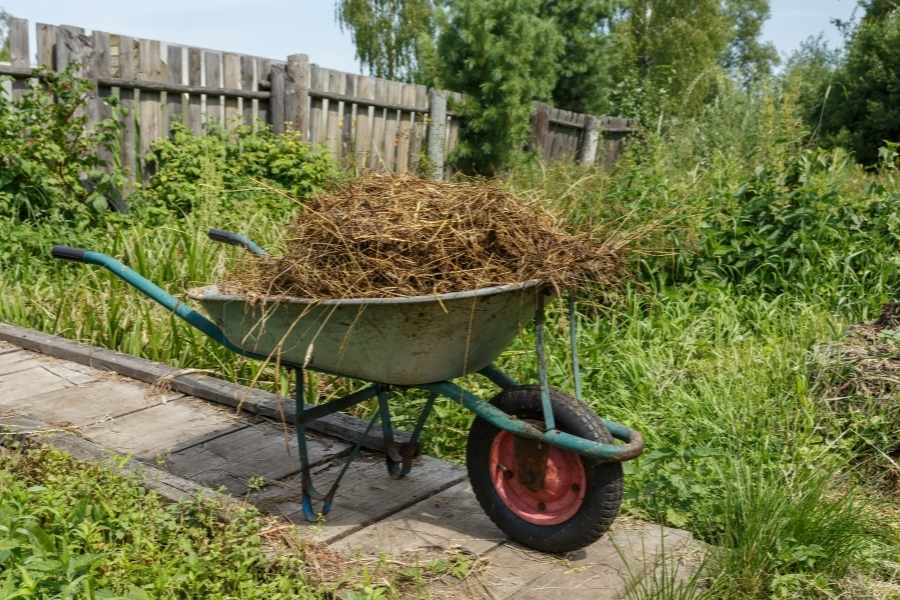
Make Sure It's Free of Pathogens
If you are buying packaged manure, the bag should indicate whether it is pathogen-free. Don't assume that you're completely composted just because it's sold as a fertilizer.
If you source manure locally, ask at the farm if the animals have any health problems.
Use Common Sense Precautions
Wash your hands and nails thoroughly before and after harvesting manure.
Since roots (beets, carrots, radishes) and leafy greens (chard, lettuce, spinach) are the most susceptible to contamination, wash these vegetables well and possibly peel them before eating.
Cooking also kills pathogens.
If you have been susceptible to foodborne illness in the past, avoid eating raw vegetables fertilized with manure.
Children, pregnant women, people with weakened immune systems, and people with chronic diseases should also avoid eating these vegetables.
Not All Manure Is Created Equal
Most sources recommend avoiding the use of pig, cat, and dog manure in the garden, as it may contain parasites that can survive in the soil and infect humans.
Enjoy This Video Tutorial About Is Horse Manure Good for the Garden?
Source: Whistle Thicket
Don’t forget to Subscribe to our Newsletter to receive amazing tips and tricks about Gardening and the FREE Ebook Green Living Strategies!
Did you find this post Useful or Inspiring? Save THIS PIN to your GARDENING Board on Pinterest! 😊

Once again, thank you for visiting our website!
We hope you've enjoyed exploring the content we've created for you.
Give yourself the chance to learn, get inspired, and have even more fun, keep browsing...
More Gardening Tips 👇🏼👇🏼