
How to Grow and Care for Peanuts


Peanuts are a fascinating addition to any garden, especially if you’re looking for a unique plant with a bit of mystery. Originating in South America, the peanut plant, Arachis hypogaea, develops its fruits underground in an intriguing process that’s captivating for gardeners of all ages. With the right growing conditions, peanuts can thrive and add variety to your garden.
Choosing the Right Growing Conditions
Peanuts flourish in long, warm seasons with plenty of sunshine. Ideally, they need around 120 to 150 days without frost to fully develop. For those living in warmer zones, peanuts are a rewarding crop that brings both beauty and functionality to the garden.
Light and Sun Exposure
For successful peanut growth, select a sunny spot where the plants can soak up at least eight hours of full sunlight each day. Adequate sunlight ensures strong, healthy plants and helps them produce a good crop.
Soil Preparation
Peanuts grow best in loose, well-draining sandy loam soil. Avoid heavy clay soils, as they restrict root growth and can lead to poor yields. Since peanuts grow from a part of the plant that pushes into the soil, it's important to keep the earth loose and avoid planting them where other legumes like beans or peas were recently grown.

Watering Needs
During the growing season, peanuts need about one inch of water per week. Consistent moisture is especially crucial right after planting and when the plants begin sending their “stakes” into the soil to form peanuts. Towards the end of the growing season, it’s best to reduce watering to help the pods mature properly.
Temperature and Humidity
Peanuts prefer a warm climate, with temperatures between 86 and 93 degrees Fahrenheit for optimal growth. Humidity is fine during most of the growing period, but a dry spell near harvest is beneficial for curing.
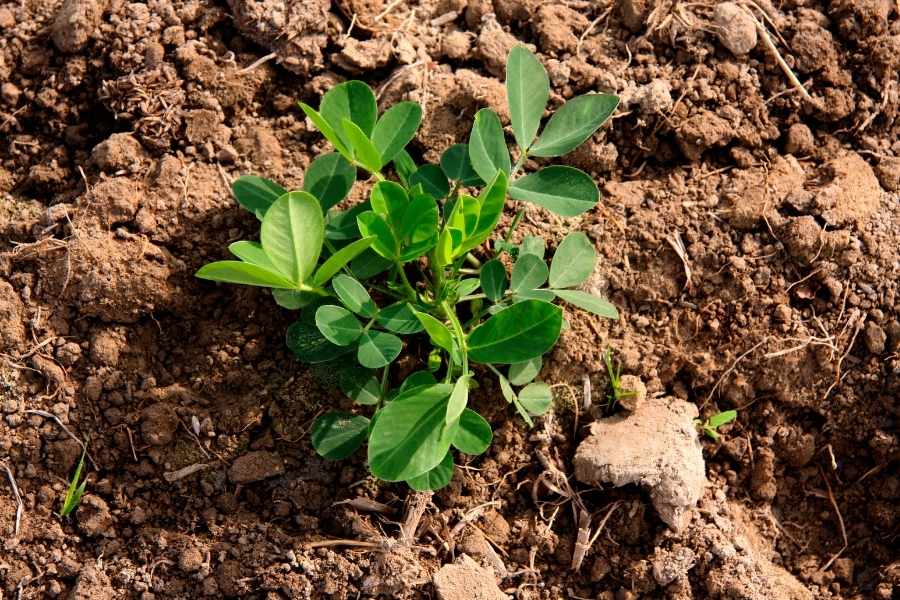
The Role of Calcium and Nutrients
Peanuts thrive with calcium-rich soil, which is especially important in the upper layers where the pods develop. While peanuts are nitrogen-fixing plants, they don’t require additional nitrogen fertilizers if there is rhizobial bacteria in the soil. However, when planting in a new area, it’s helpful to add a peanut inoculant to encourage the development of nitrogen-fixing nodules.
Growing Peanuts from Seeds
To start peanuts from seeds, wait until the last frost has passed. Remove the husks carefully without damaging the seeds, then plant them one to two inches deep and ten to fifteen inches apart. Thin out seedlings as they grow, ensuring ample space for each plant to thrive.
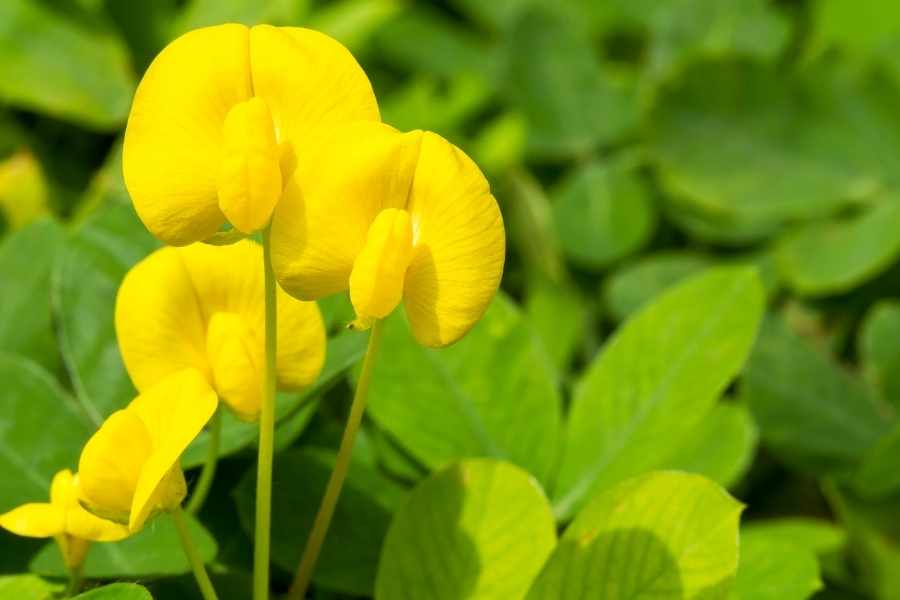
Mulching around the plants helps keep weeds at bay and retains soil moisture. Once the plants begin to bloom, they’ll send “stakes” into the ground. These stakes form the peanut pods underground, so avoid disturbing the soil around the plants during this critical time.

Container Growing: Challenges and Limitations
While peanuts can technically be grown in containers, the restricted space limits their yield and growth potential. For the best results, it’s recommended to plant peanuts directly in the ground where they have room to spread.
Harvesting and Curing Peanuts
Peanuts are typically ready to harvest in late summer to early fall. One sign of maturity is yellowing foliage. Dig up a few plants and inspect the pods. Mature peanuts have a distinctive veined surface, and the inner seed coat will have a dark color.
To harvest, dig or pull up the entire plant and shake off excess soil. Hang the plants in a dry, airy location and allow them to cure for about a week. Once they’re cured, remove the pods and continue drying them for an additional one to two weeks.
Peanut Varieties to Try
There are several peanut varieties to choose from, each with unique characteristics:
- Valencia Peanuts: Known for their relatively quick maturity (90-110 days), they have small, red-skinned kernels and are ideal for home gardens.
- Spanish Peanuts: With a growing period of 90-120 days, they’re popular for snacks and roasting.
- Virginia Peanuts: Taking 130-150 days to mature, these peanuts produce larger pods with excellent flavor, making them great for fresh eating.
- Runner Peanuts: Known for their small fruit and high yield, Runners are often used in peanut butter production.
Managing Pests and Diseases
Peanuts, like many garden plants, are susceptible to certain pests and diseases. Common insect pests include armyworms and caterpillars, while diseases like leaf spot, rust, and viruses can affect plant health. Preventive care includes selecting disease-resistant varieties and consulting local extension services for advice on specific issues.
Bringing It All Together: A Satisfying Garden Project
Growing peanuts can be a fun and educational experience for any gardener. Watching the plants stake into the soil and produce peanuts underground is truly unique, and the harvest is both satisfying and nutritious. Whether you’re a beginner or an experienced gardener, peanuts offer a rewarding challenge and a delightful addition to your home garden. Enjoy your journey with this fascinating crop!
Enjoy The Video Tutorial

Source: California Gardening
Did you find this post Useful or Inspiring? Save THIS PIN to your GARDENING Board on Pinterest! 😊

Once again, thank you for visiting our website!
We hope you've enjoyed exploring the content we've created for you.
Give yourself the chance to learn, get inspired, and have even more fun, keep browsing...
More Gardening Tips 👇🏼👇🏼