
Grow Your Own Luffa Sponges: Easy Steps


Have you ever thought about growing your own luffa sponges right in your backyard? It might surprise you that these natural scrubbers don’t come from the ocean—they grow on a vine!
Cultivating luffa plants is not only rewarding but also a great way to reduce plastic waste and enjoy a more sustainable lifestyle.
Let’s walk through what you need to know before planting your first seed.
Why Grow Luffa Sponges?
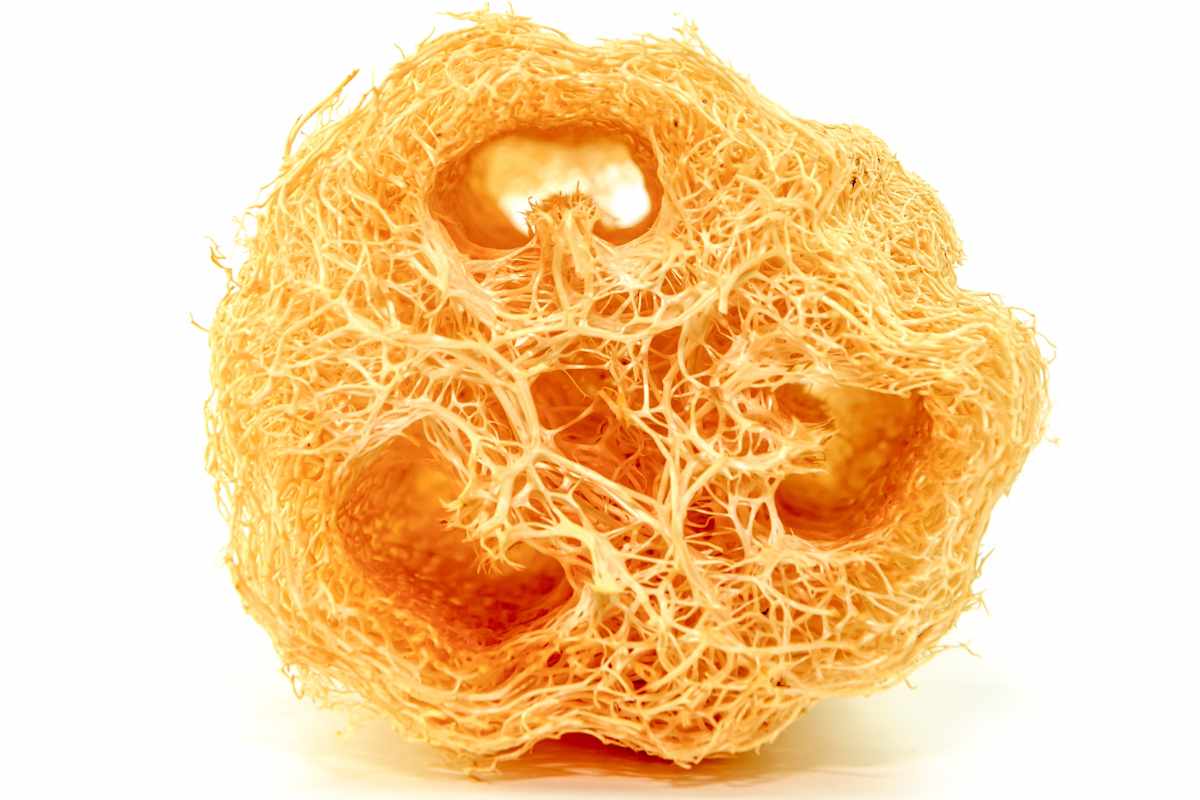
Growing luffa gourds is both fun and eco-friendly. Unlike synthetic sponges, these plant-based alternatives are completely biodegradable, compostable, and chemical-free.
You’ll be harvesting something useful for both your kitchen and bathroom—and it looks great hanging in your garden, too!
Plus, it’s a satisfying process. Watching a small vine turn into a full green canopy producing long, fibrous gourds is pure gardening magic.
When dried and peeled, you’re left with a natural sponge that can last for months.
Understanding the Luffa Plant

Luffa (or loofah) belongs to the cucumber family. It grows on climbing vines that thrive in warm, sunny conditions.
The plants can reach impressive lengths, so make sure you have a sturdy trellis or fence to support them.
Each vine can produce multiple fruits, and with proper care, you’ll have a steady supply for your home and friends.
Luffas need a long growing season—around 150 to 200 frost-free days—so they’re ideal for gardeners in warmer climates or those who can start seeds indoors early in the spring.
How to Grow Luffa from Seed
Growing luffa from seed is easier than most people think. Here’s how to set yourself up for success:
1. Start Early
Since luffas need plenty of time to mature, begin seeds indoors 6–8 weeks before your last expected frost.
Soak them overnight in warm water to help them germinate faster.
2. Transplant Carefully

Once the seedlings have two to three true leaves and the danger of frost has passed, move them outdoors.
Choose a sunny location with well-draining soil enriched with compost or aged manure.
3. Provide Support
These vines love to climb! Use a strong trellis, fence, or arbor to keep the fruits off the ground.
This helps them grow straight and prevents rot.
4. Water Consistently

Keep the soil evenly moist but not waterlogged. Mulching helps retain moisture and reduce weeds.
Avoid overhead watering, as it can lead to mildew.
5. Be Patient
Luffas take time—around 4 to 6 months to fully mature. You’ll know they’re ready when the skin turns brown and feels light and dry.
Harvesting and Preparing Your Luffa Sponges

When the gourds turn yellow or brown and begin to dry on the vine, it’s time to harvest.
Cut them off and let them finish drying in a warm, ventilated area. Once completely dry, peel off the outer skin, shake out the seeds, and rinse the fibrous sponge thoroughly.
For a brighter appearance, you can soak them briefly in a mild bleach solution, then rinse well and let them dry completely.
Store your luffa sponges in a dry place until you’re ready to use them.
Common Growing Problems and How to Avoid Them

Even though luffas are low-maintenance, a few challenges might pop up:
Poor germination: Soak seeds and use a heat mat to maintain warmth.
Powdery mildew: Ensure good air circulation and avoid wetting the leaves.
Slow growth: Make sure they get full sun and regular feeding with compost or organic fertilizer.
A little care goes a long way toward a healthy, productive vine.
The Reward of Growing Luffa

From seed to sponge, growing luffa is a satisfying journey that combines gardening creativity, patience, and eco-conscious living.
Once you harvest your first natural sponge, you’ll never look at store-bought scrubbers the same way again.
So, are you ready to grow your own luffa sponges? Grab your seeds, set up that trellis, and watch nature work its magic—one vine at a time.
Enjoy This Video Tutorial

Source: Kaye Kittrell | Late Bloomer Urban Organic Garden Show
Don’t forget to Subscribe to our Newsletter to receive amazing tips and tricks about Gardening and the FREE Ebook Green Living Strategies!
Did you find this post Useful or Inspiring? Save THIS PIN to your GARDENING Board on Pinterest! 😊

Once again, thank you for visiting our website!
We hope you've enjoyed exploring the content we've created for you.
Give yourself the chance to learn, get inspired, and have even more fun, keep browsing...
More Gardening Tips 👇🏼👇🏼