
Artillery Fungus: Identification and Prevention
When small, sticky, tar-like black spots appear on our house siding, on external surfaces such as windows, railings, and cars, or on the foliage of garden plants, you may be inclined to think that they are droppings from insects or some kind of sap.
But the culprit could also be mulch in your backyard that is affected by artillery mold, also known as shotgun or cannonball mold. It forcefully expels its mature spores into the air, leaving uncomfortable spots.
The good news is that while artillery fungus is a nuisance because it is unsightly, it is not harmful to humans or pets, does not kill garden plants, or cause any structural damage to the surfaces it lands on.
Get Your Garden Growing – Discover Essential Gardening Tools and Supplies!


To get rid of it and prevent it from coming back, it helps to understand what causes artillery fungus, as well as its life cycle.
What is the artillery mushroom?
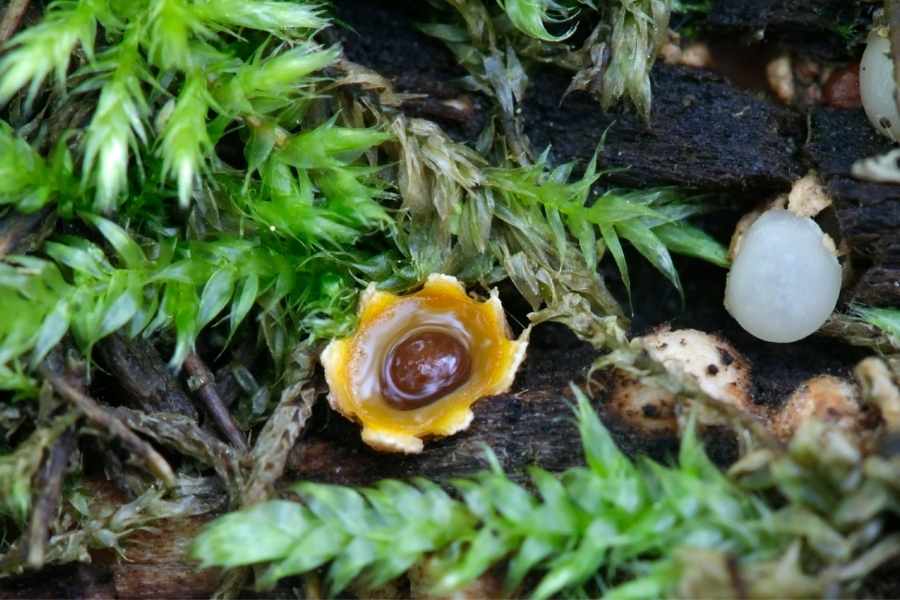
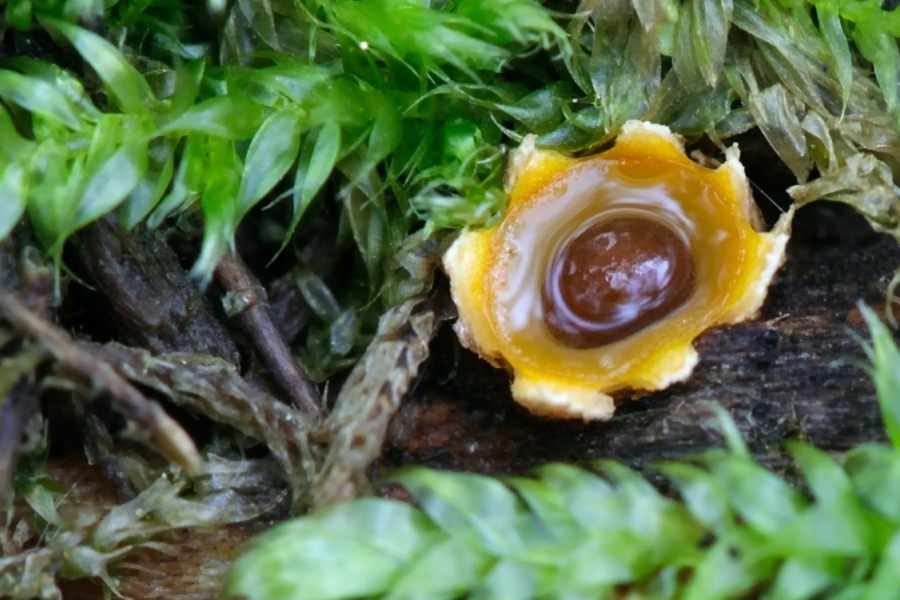
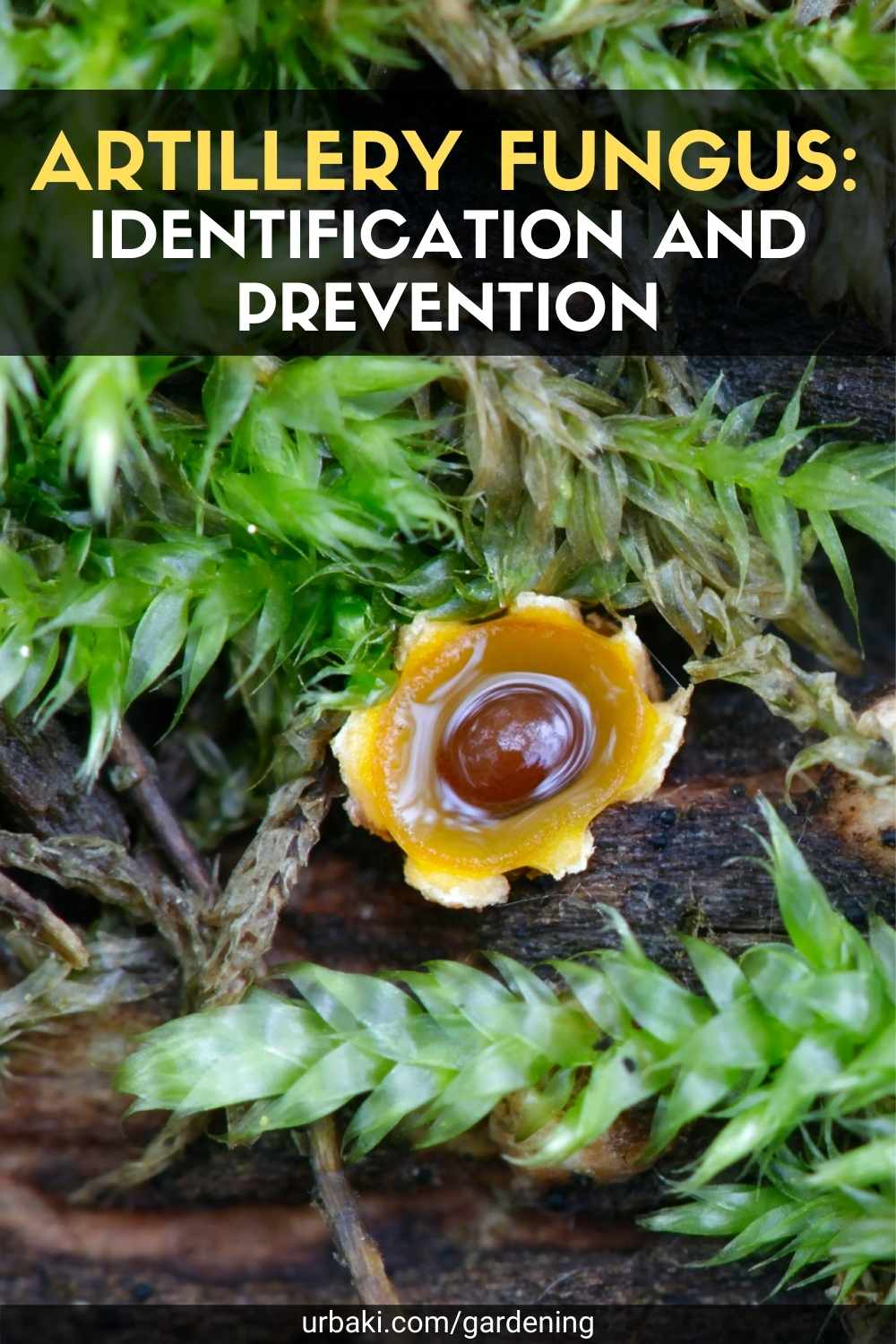
The artillery fungus (Sphaerobulus stellatus) is a fungus that grows on rotten wood in a humid environment. What makes it unique is the way it releases its spores into the air after so much liquid has accumulated in their mature fruiting bodies that they have opened.
About five hours later, the mature black spores, about 1 to 2 mm in diameter each, are propelled through the air into the strongest light.
The spores can land on surfaces up to 20 feet away, and because they are attracted to light, their preferred landing spaces are generally light-colored surfaces.
The spores have a sticky coating that makes them stick wherever they land.
If you are unsure whether it is artillery fungus, inspect the spots with a magnifying glass. Artillery fungus spores are balloon-shaped, and when you scratch the dark brown outer layer open, you'll see a whitish, finely granular, rubber-like center.
What Causes Artillery Fungus?
The fungus is mainly found in wood debris cover, but also in fallen decaying trees and other decaying wood, as well as in animal droppings. It needs sunlight and humidity to grow.
Artillery fungus occurs primarily in cool spring and fall weather, in a temperature range between 50 and 70 degrees Fahrenheit. Fruit bodies do not develop in climates above 78 degrees.
Is artillery fungus harmful to humans
Artillery fungus, or Sphaerobolus stellatus, is a type of fungus known for its unique ability to "shoot" spores up to several meters away. This trait has earned it the nickname of "shotgun" or "artillery" fungus. Despite this peculiar behavior, artillery fungus is not directly harmful to humans. It does not cause disease nor does it produce toxins that could pose a health risk. However, it can create some issues indirectly, which are mostly related to property damage and aesthetic concerns.
The primary concern with artillery fungus is its ability to adhere strongly to surfaces, such as the siding of houses, cars, and other outdoor objects. The spores it ejects can stick to a wide range of materials, including wood, plastic, and metal. Once these spores are attached, they can be very difficult to remove, often leaving a stain or mark even after removal. This can result in considerable cleaning costs and potential devaluation of property.
Whilst not harmful, some people can find the presence of artillery fungus in their yard or garden to be quite bothersome. This is because the fungus thrives in moist, organic material such as mulch or decayed wood, which are common in many gardens. The fungus proliferates in these environments and can rapidly spread, leading to a significant number of spores being ejected onto nearby surfaces.
Although not dangerous to humans, it is still recommended to take steps to prevent the growth of artillery fungus if possible. This could involve regularly replacing organic mulch with inorganic materials such as stone or rubber, or using fungicides. Regularly aerating the soil can also help by reducing the moisture levels that the fungus needs to thrive. These preventative measures can help to reduce the likelihood of artillery fungus becoming a nuisance.
How to eliminate artillery fungus
First, there is no fungicide to control the fungus; mechanical removal is your only option. Removing black spots within two to three weeks after they appear is the key to effective removal. The longer stains remain on the surface, the more difficult it will be to clean.
The removal method that works best depends on the surface. Shaving followed by soap and hot water is the most delicate option. Using bleach (1 cup bleach per 1 gallon of water) is the next step for non-porous surfaces, but make sure the bleach doesn't damage the surface.
Pressure washing, the strongest option, should only be applied to suitable surfaces. On porous surfaces like hardwood floors, you may not be able to remove more than the top layer of spores and stains may remain permanent.
How to prevent artillery fungi
Artillery fungus develops mainly in the coating of wood waste. Choosing a different mulch is the best way to avoid this. Instead, use bark or cedar mulch, as they are resistant to artillery fungi.
Mulching redwoods and cypresses is not recommended for sustainability reasons, as native forests have been depleted from logging.
Artillery mushroom does not grow in a dry environment. If you have a small garden, another option is to stir the straw regularly to keep it dry.
If you have an ongoing problem with artillery mold, it is best to remove all affected mulch and start from scratch with a new, stronger mulch.
If you leave the old straw with the artillery mushroom in place and simply cover it with a layer of new straw, the repair is merely temporary, as the fruit bodies will eventually resurface. Dispose of all contaminated straw safely in the trash and do not compost it or throw it out in the garden, as the fungus can spread.
Yet another alternative is to use a non-organic material to cover unplanted areas such as rocks or gravel.
If artillery fungus is still a persistent problem, treating your home's floor with a special coating that inhibits mold and mildew growth is another long-term solution.
Enjoy This Video Tutorial About Artillery Fungus
Source:Liquidambar Girl Gardening
Did you find this post Useful or Inspiring? Save THIS PIN to your GARDENING Board on Pinterest! 😊
Once again, thank you for visiting our website!
We hope you've enjoyed exploring the content we've created for you.
Give yourself the chance to learn, get inspired, and have even more fun, keep browsing...
Last update on 2026-01-06 / Affiliate links / Images from Amazon Product Advertising API

More Gardening Tips 👇🏼👇🏼