
- Urbaki Gardening
- Plants
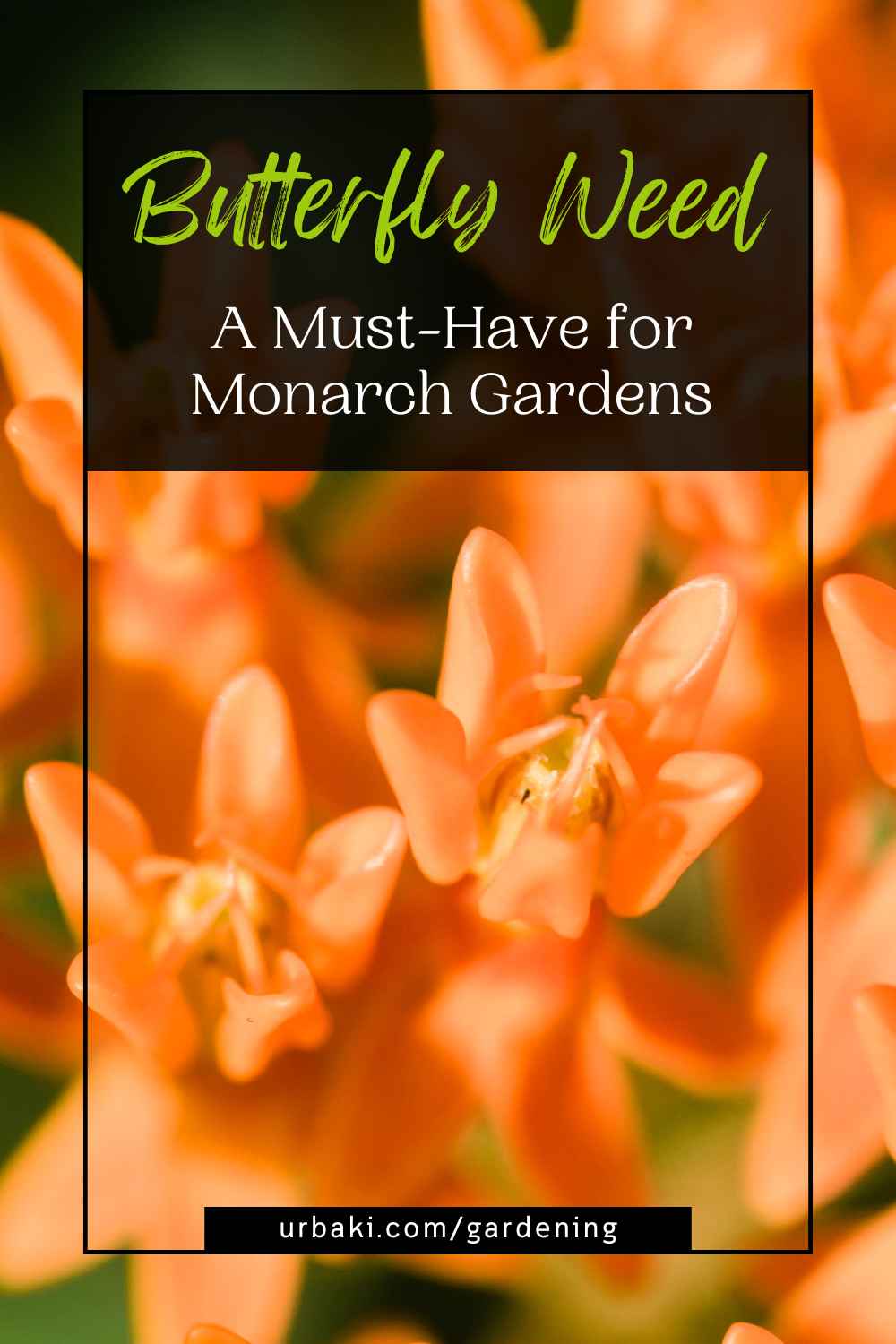
- Butterfly Weed: A Must-Have for Monarch Gardens
Butterfly Weed: A Must-Have for Monarch Gardens

Emily Brooks
03/08/2025 · Updated on: 04/02/2026
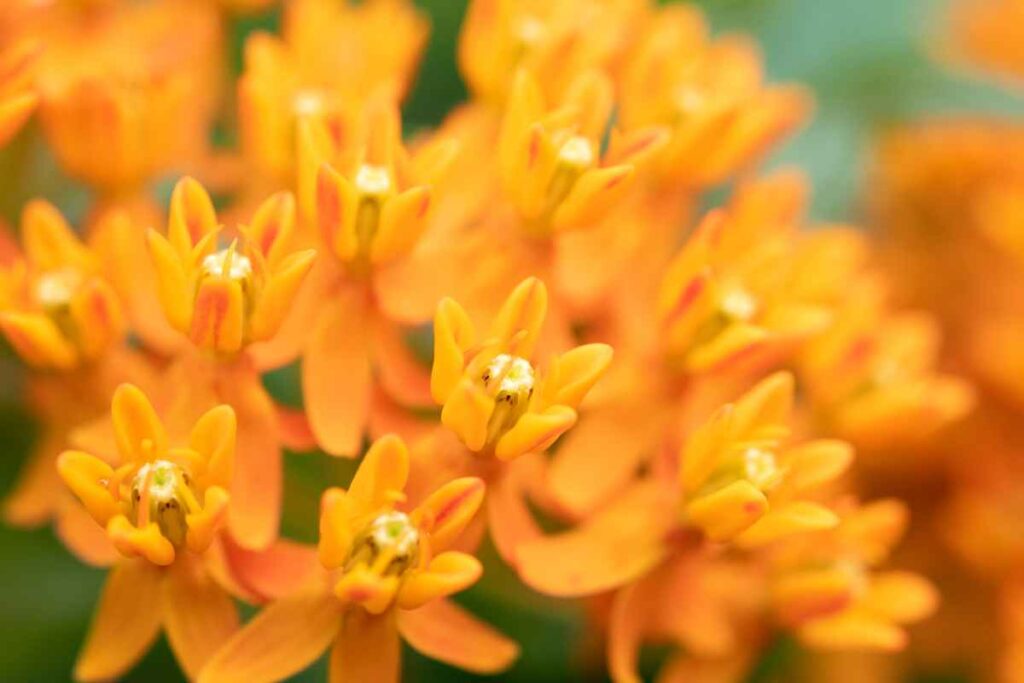
If you're a gardener who loves attracting butterflies to your yard, Butterfly Weed (Asclepias tuberosa) should definitely be on your must-have list. Known for its stunning orange blooms and its vital role in supporting monarch butterflies, this plant is a true treasure for both nature lovers and those looking to add a splash of color to their gardens.
Not only is it visually striking, but it also provides critical habitat and nourishment for monarchs, which are facing declining populations. In this article, we’ll explore why Butterfly Weed is an essential addition to any monarch garden and how to grow and care for this beautiful plant.
What is Butterfly Weed?
Butterfly Weed is a perennial flowering plant in the milkweed family. It gets its name from the way its vibrant orange flowers attract butterflies, especially monarchs.
The plant is native to North America, thriving in a range of environments from prairies to roadsides. Its ability to support pollinators, particularly the monarch butterfly, has made it an increasingly popular choice for wildlife gardens and pollinator-friendly landscapes.
Characteristics of Butterfly Weed
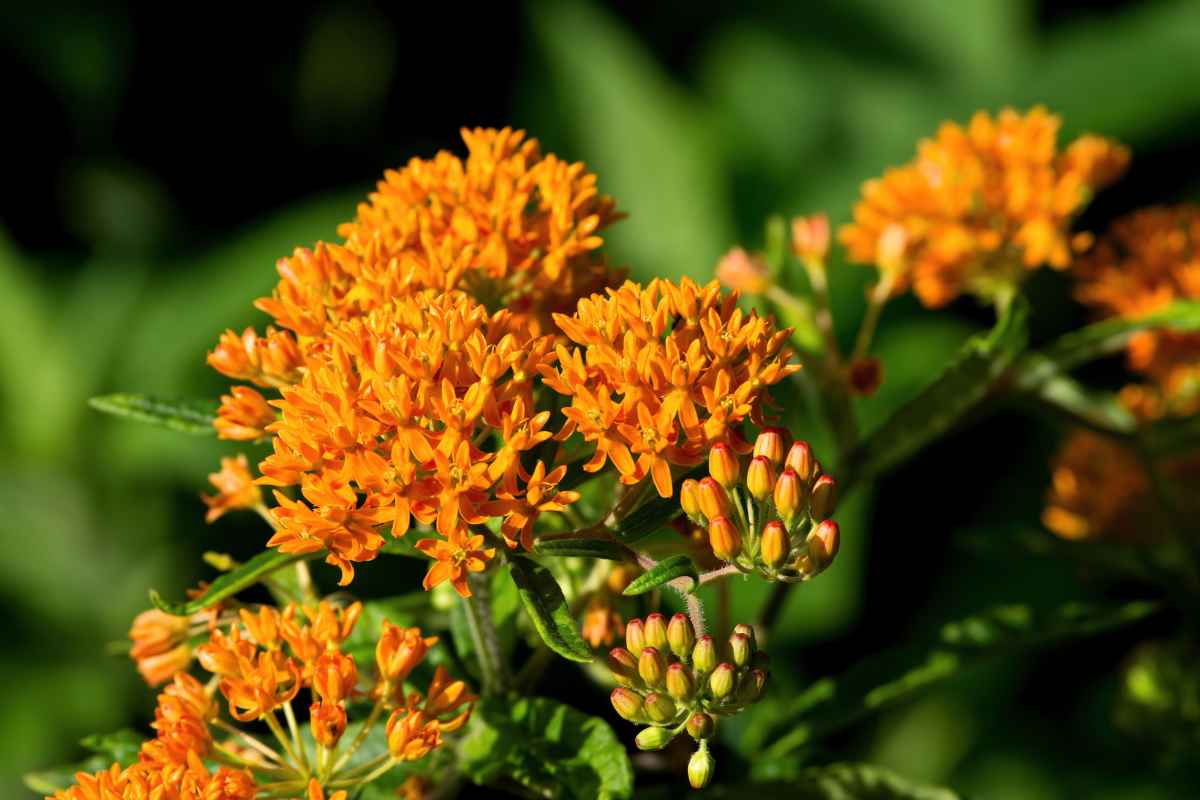
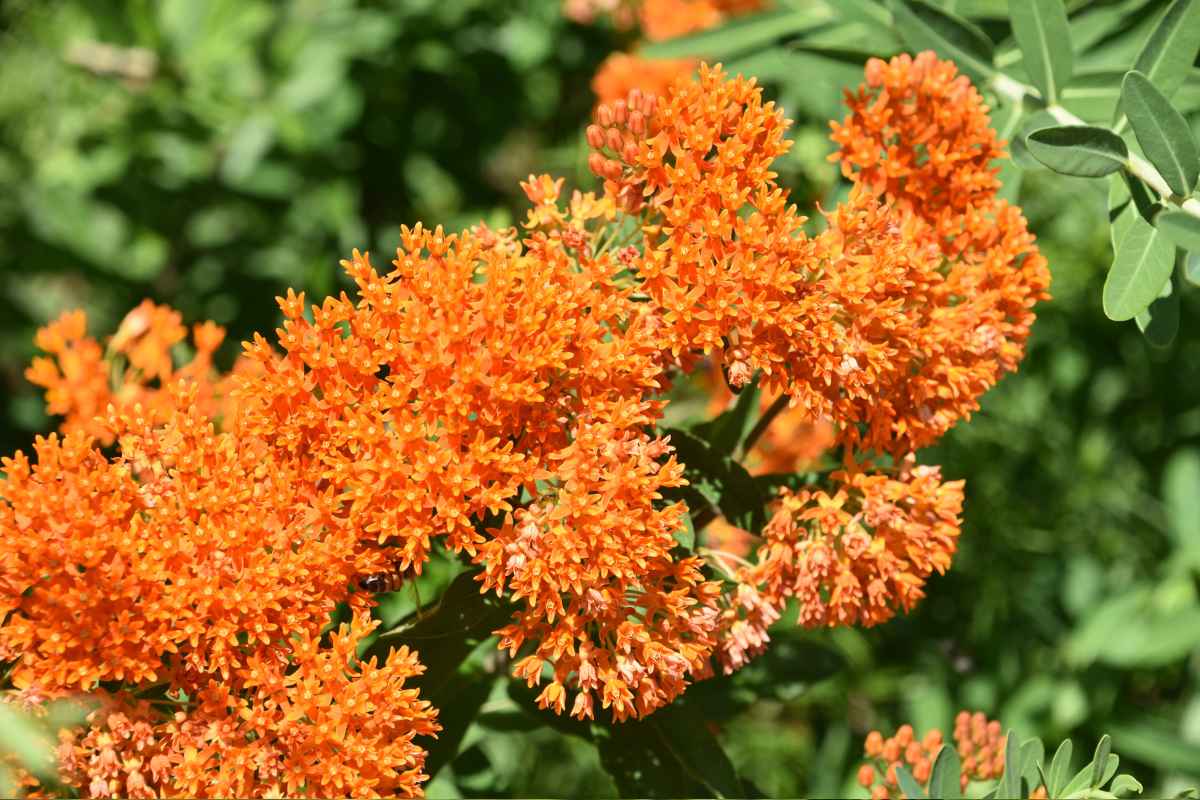
Flowers: The standout feature of Butterfly Weed is its vivid orange flowers, which appear in clusters during late spring and early summer. These flowers are not only beautiful but also highly attractive to pollinators like butterflies, bees, and hummingbirds.
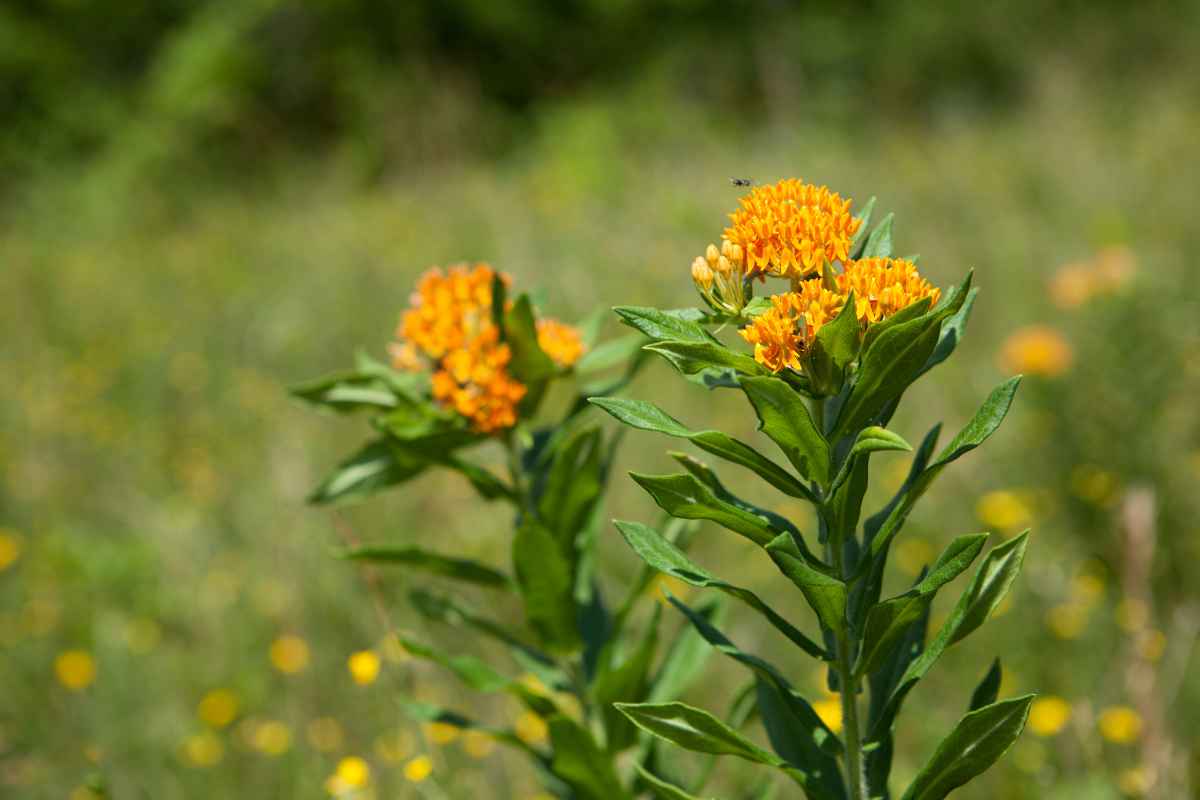
Leaves: The plant has narrow, lance-shaped leaves that are a silvery-green in color. These leaves can be a great contrast to the bright blooms.
Height and Spread: Butterfly Weed generally grows between 18 to 36 inches in height, with a spread of about 12 to 18 inches. Its compact size makes it suitable for various garden types, including flower beds, borders, and containers.
Habitat: It thrives in well-drained soil and enjoys full sunlight, making it ideal for gardens with sunny spots.
Why Butterfly Weed is Essential for Monarch Gardens
One of the main reasons to include Butterfly Weed in your garden is its crucial role in supporting monarch butterfly populations. Monarchs are known for their incredible migration journey, traveling thousands of miles each year from North America to Mexico.
However, habitat loss, climate change, and pesticides have led to a significant decline in their numbers. Butterfly Weed plays a vital role in the monarch's life cycle.
A Source of Food for Monarch Caterpillars
Monarch butterflies rely on milkweed plants as the primary host plant for their larvae. Female monarchs lay their eggs on the leaves of the Butterfly Weed, and once the eggs hatch, the caterpillars feed on the leaves. The plant provides all the nourishment they need to grow and metamorphose into butterflies.
Key Fact: Monarch caterpillars are specialized feeders, meaning they can only consume plants in the milkweed family. By planting Butterfly Weed, you’re directly contributing to the survival and reproduction of monarchs.
Nectar for Adult Monarchs
While the larvae feed on the leaves, the adult monarch butterflies rely on the nectar of plants like Butterfly Weed. The plant’s flowers produce a rich nectar that helps nourish adult butterflies during their migration and breeding periods.
Tip: Butterfly Weed’s vibrant flowers are highly attractive to adult monarchs, providing a safe haven where they can rest and refuel on their journey.
Creating a Habitat for Monarchs
In addition to providing food, Butterfly Weed helps create an environment that supports the entire life cycle of monarch butterflies. By adding this plant to your garden, you’re providing a protected space where both caterpillars and adult butterflies can thrive.
Tip: For a true monarch-friendly garden, consider planting multiple milkweed species alongside Butterfly Weed to offer a variety of resources for both caterpillars and butterflies throughout their life stages.
Growing Butterfly Weed: Tips for Success
If you’re excited to plant Butterfly Weed and create a monarch haven in your garden, you’re in luck—this plant is relatively easy to grow and care for. Here are some tips to help you get started.
1. Choose the Right Location
Butterfly Weed thrives in full sunlight. It requires at least 6 hours of direct sun each day to bloom and perform well. Make sure to plant it in a spot that gets plenty of sunlight throughout the day.
Soil: It prefers well-drained soil and doesn’t like to sit in wet conditions. You can plant it in sandy, loamy, or even rocky soil, as long as the drainage is good. If your soil retains too much moisture, you can amend it with sand or gravel to improve drainage.
2. Planting Butterfly Weed
When to Plant: The best time to plant Butterfly Weed is in the spring or early summer when the risk of frost has passed. You can also start from seeds, which should be stratified (subjected to cold treatment) for a few weeks before planting.
Spacing: Space the plants about 12 to 18 inches apart to allow for proper air circulation and growth.
3. Watering
While Butterfly Weed is relatively drought-tolerant once established, it will need regular watering during the first few weeks after planting to help it get established. However, it’s important not to overwater it, as wet roots can cause rot.
Tip: Water it deeply but infrequently to encourage deep root growth.
4. Pruning and Maintenance
Butterfly Weed requires very little maintenance once established. Deadheading (removing spent flowers) can encourage more blooms, though it’s not necessary for the health of the plant.
Tip: If the plant becomes leggy or overly tall, you can cut it back slightly in early summer to encourage bushier growth.
5. Winter Care
In colder climates, Butterfly Weed may die back in winter. However, it is a hardy perennial that will return in the spring. After the plant dies back in the fall, you can cut it back to the ground. During winter, be sure to mulch around the base of the plant to protect the roots from extreme cold.
Tip: In areas with harsh winters, consider planting Butterfly Weed in raised beds to improve drainage and prevent root rot.
Other Benefits of Butterfly Weed
While Butterfly Weed’s role in supporting monarch butterflies is its most notable benefit, it also provides other advantages for your garden and the environment.
1. Attracting Other Pollinators
In addition to monarchs, Butterfly Weed attracts other pollinators, including bees, hummingbirds, and other butterflies. These creatures are essential for maintaining a healthy ecosystem, as they help with pollination and the growth of other plants.
2. Low Maintenance and Pest Resistant
Butterfly Weed is relatively pest-free. It’s naturally resistant to most common garden pests, including aphids, making it a low-maintenance addition to your garden. Its tough, leathery leaves also make it unappealing to most animals.
3. Drought-Tolerant
Once established, Butterfly Weed is highly drought-tolerant, making it ideal for areas with dry conditions. This also means it’s a low-water plant that can help reduce the amount of water needed in your garden, making it an environmentally friendly choice.
Butterfly Weed is more than just a beautiful flowering plant—it’s a critical resource for monarch butterflies and other pollinators. By adding Butterfly Weed to your garden, you are directly contributing to the preservation of monarchs and helping to provide a natural habitat for these incredible creatures.
With its easy care, vibrant flowers, and environmental benefits, Butterfly Weed is a must-have for any monarch garden. Whether you’re an experienced gardener or just starting, this hardy, pet-friendly plant will make an incredible addition to your landscape while supporting the local ecosystem.
Did you find this post useful or inspiring? Save THIS PIN to your GARDEN Board on Pinterest!
Emily Brooks
I’m Emily, a lifelong nature lover with dirt on my boots and a passion for all things green. I don’t claim to be a botanist; I’m just an enthusiast who believes that every backyard—no matter how small—can become a sanctuary. After years of trial and error (and more than a few wilted ferns), I’m sharing my honest journey of growing flowers and veggies. Let's learn from the seasons and grow something beautiful together!
More Gardening Tips 👇🏼👇🏼