
Bye-bye Pests: Organic Control That Works!


Maintaining a beautiful and thriving garden is a joy for any gardening enthusiast. However, pesky pests can quickly turn this idyllic vision into a nightmare.
While chemical-based pesticides are commonly used, they can harm beneficial insects and have negative environmental impacts.
The good news is that there are effective organic pest control methods that can safeguard your garden without compromising its health or the surrounding ecosystem.
In this article, we'll explore proven organic pest control strategies that truly work, allowing you to enjoy a pest-free garden naturally.
Companion Planting
One of the simplest yet effective techniques for organic pest control is companion planting.
By strategically intermingling pest-repelling plants with susceptible crops, you create a natural deterrent against unwanted insects.
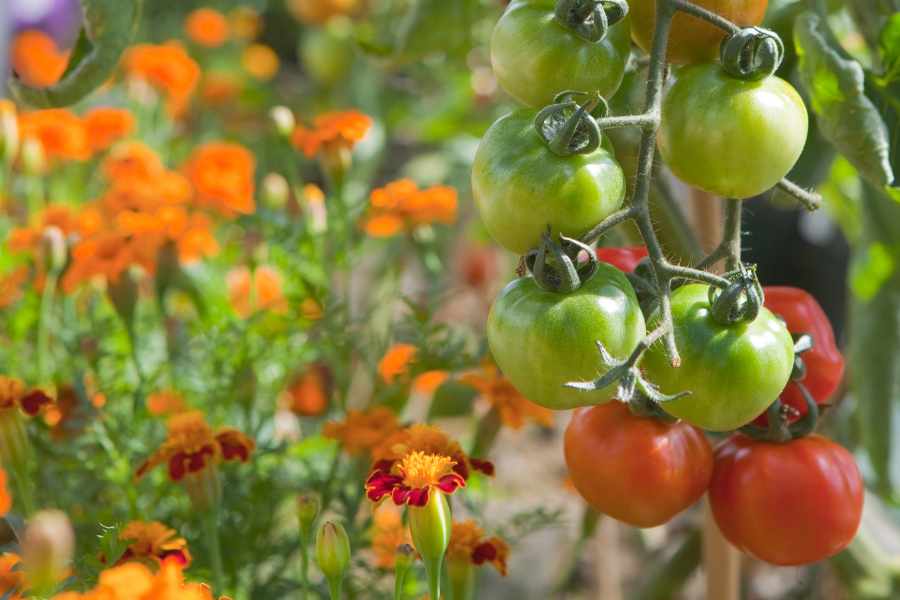
For instance, planting marigolds alongside tomatoes can repel aphids and nematodes, while basil repels mosquitoes and flies.
Understanding which plants complement each other and discourage pests will help you establish a harmonious garden ecosystem.
Beneficial Insects
Invite nature's allies to your garden by attracting beneficial insects.
Ladybugs, lacewings, and praying mantises are voracious predators of common garden pests like aphids, caterpillars, and mites.
Planting nectar-rich flowers such as daisies, yarrow, and lavender will entice these beneficial insects to your garden.
Consider creating insect-friendly habitats like small water sources and sheltered areas to encourage their presence throughout the growing season.
Homemade Organic Sprays
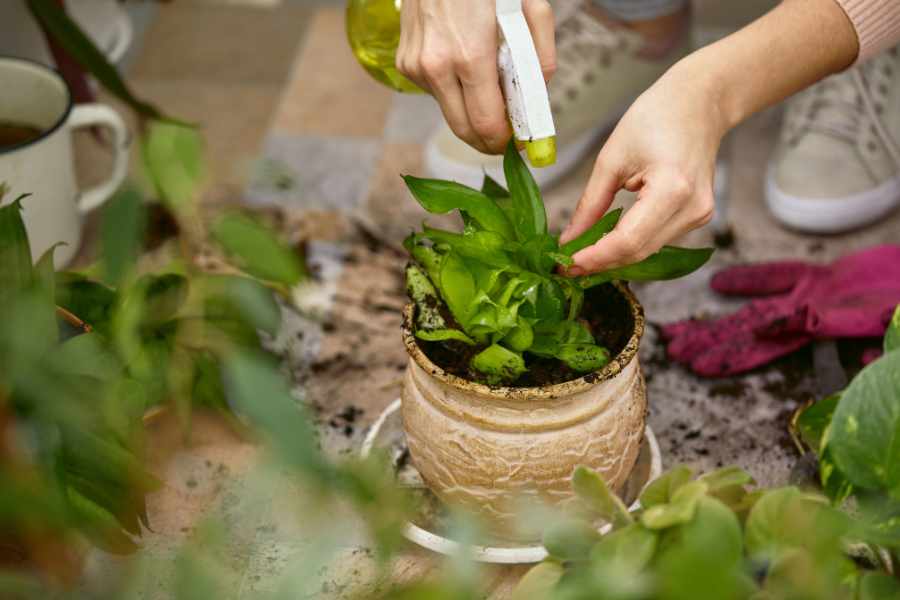
Create your own organic pest control sprays using readily available household ingredients.
For example, a mixture of water, garlic, and dish soap can repel soft-bodied insects like aphids and whiteflies.
Neem oil, derived from the neem tree, is another excellent organic spray that acts as an insect repellent and disrupts the lifecycle of pests.
By utilizing these homemade remedies, you can effectively control pests while minimizing environmental impact.
Physical Barriers
Implement physical barriers to safeguard your plants from pests. Installing row covers or netting can prevent insects, birds, and larger animals from accessing your crops.
Use wire mesh fences to protect against rabbits and deer, and elevate pots and containers to deter crawling pests.
By creating a physical barrier, you can significantly reduce the need for chemical pesticides and preserve the integrity of your organic garden.
Soil Health and Crop Rotation
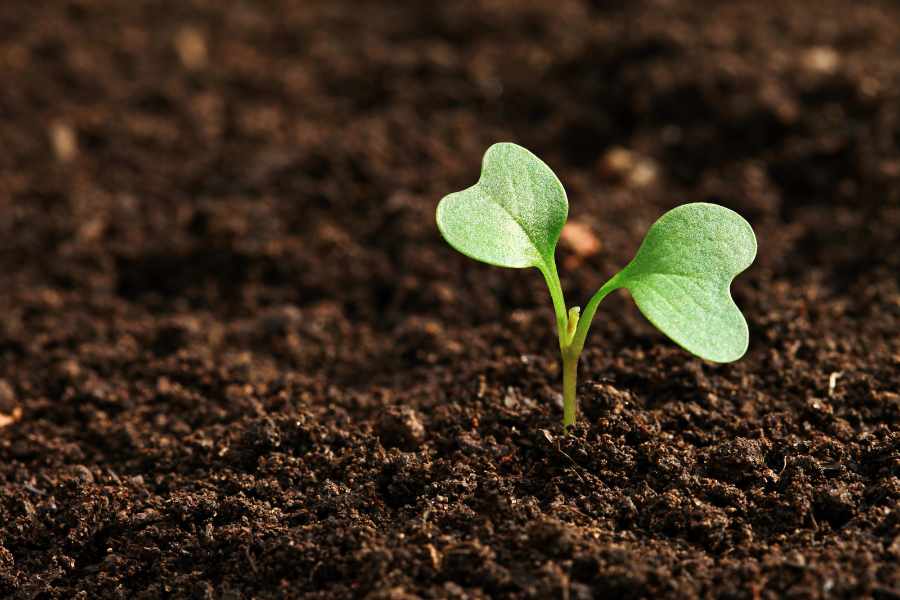
Maintaining healthy soil is crucial for plant resilience and natural pest control.
Healthy plants are less susceptible to pest attacks, as they can withstand environmental stressors better.
Enhance soil fertility by adding compost, organic matter, and beneficial microbes.
Additionally, practicing crop rotation annually helps break pest and disease cycles, reducing the likelihood of recurring infestations.
When it comes to pest control in your garden, embracing organic methods not only protects the environment but also promotes a healthier and sustainable gardening practice.
By incorporating companion planting, attracting beneficial insects, utilizing homemade sprays, implementing physical barriers, and focusing on soil health and crop rotation, you can effectively control pests without compromising the overall well-being of your garden.
Embrace these organic pest control strategies, and watch your garden thrive while maintaining its natural balance.
We hope you enjoy this video about Organic PEST CONTROL that really WORKS
Source: GrowingInTheGarden
Did you find this post Useful or Inspiring? Save THIS PIN to your GARDENING Board on Pinterest! 
Once again, thank you for visiting our website!
We hope you've enjoyed exploring the content we've created for you.
Give yourself the chance to learn, get inspired, and have even more fun, keep browsing...
More Gardening Tips 👇🏼👇🏼