
Can a Plant Recover from Root Rot?

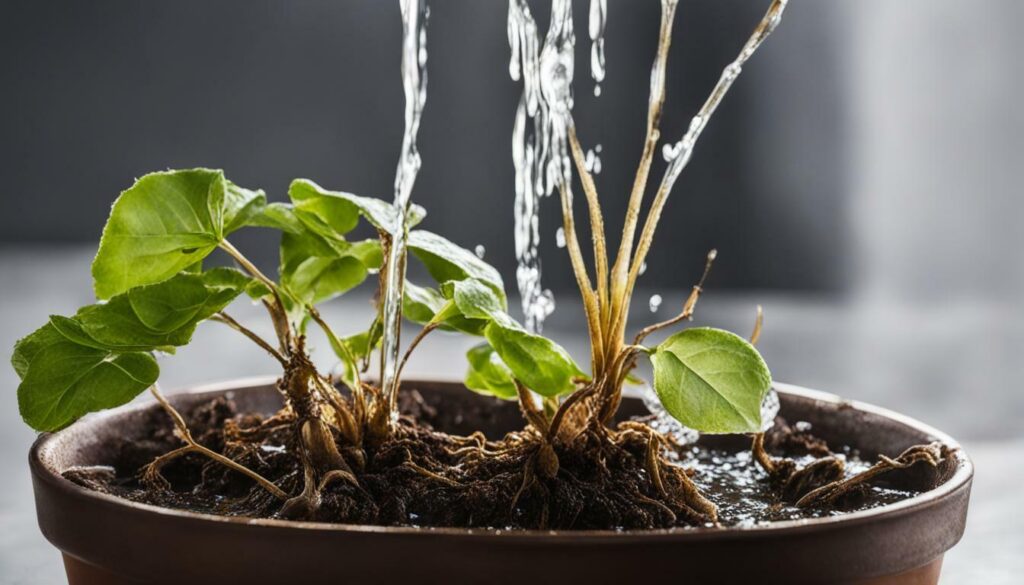
Root rot is a common plant disease that affects a wide range of plants, from vegetables to ornamentals.
It is caused by a variety of factors, including overwatering, poor drainage, and fungal infections.
Symptoms of root rot include wilting, yellowing leaves, stunted growth, and root decay.
Fortunately, it is possible for plants to recover from root rot with proper treatment and prevention methods.
In this article, we will explore the various causes, symptoms, and treatment options, as well as practical steps to prevent its occurrence in the future.
Identifying Symptoms of Root Rot
If you notice that your plants are wilting or showing signs of stunted growth, it could be a sign.
This common plant disease can affect a wide variety of plants, including flowers, vegetables, and trees.
Root rot in plants is caused by fungi that thrive in damp, poorly drained-soil.
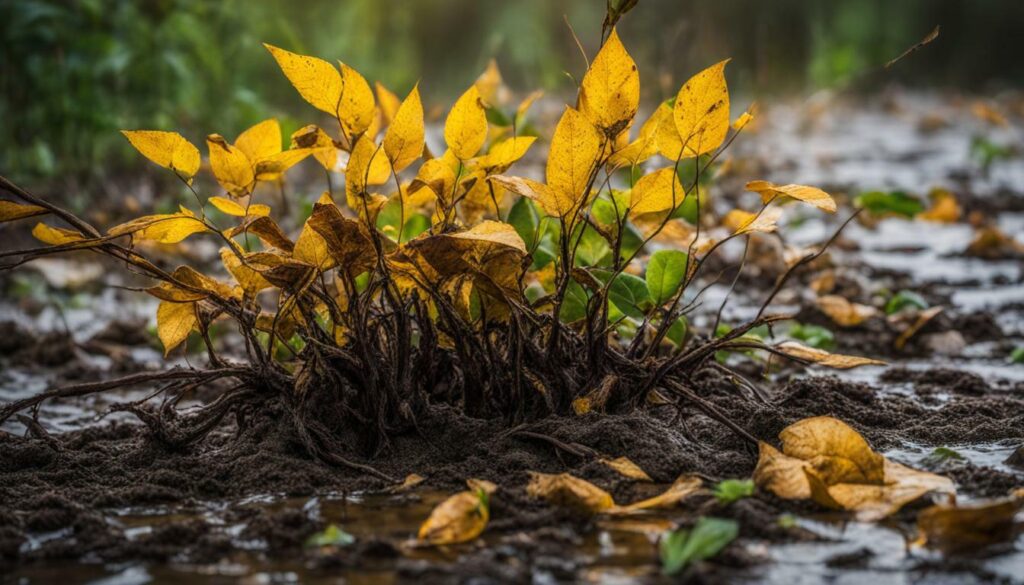
One of the most common signs of root rot is the yellowing and wilting of leaves, which occurs as the roots become less efficient at absorbing water and nutrients.
In addition, plants affected by root rot often have brown, slimy roots that may emit a foul odor. When you pull up a plant from the soil, you may notice the roots are blackened and mushy.
Pro Tip: It's important to understand that root rot can sometimes be mistaken for other plant diseases or issues, such as over-watering.
If you're unsure whether your plant has root rot, it's always a good idea to consult with a plant expert or do some additional research to confirm your suspicions.
“One of the most common signs of root rot is the yellowing and wilting of leaves, which occurs as the roots become less efficient at absorbing water and nutrients.”
It's essential to act quickly if you suspect that your plants have root rot. If left untreated, the disease can quickly spread and cause irreparable damage, potentially killing the plant.
For more information on how to treat and prevent root rot, be sure to check out the next section.
Treating and Preventing Root Rot
Root rot can be caused by a variety of factors, including overwatering, poor soil drainage, and fungal or bacterial infections.
Fortunately, there are several measures gardeners can take to prevent the occurrence of root rot in plants
Prevention of Root Rot
One of the most effective ways to prevent root rot is to ensure that the soil surrounding your plants is well-drained.
Poor drainage can lead to waterlogged roots, which creates an ideal environment for root rot to thrive. To improve drainage, consider amending the soil with organic matter, such as compost or peat moss, or installing a drainage system.
Another key factor in preventing root rot is proper watering. Avoid overwatering your plants, and only water when the top inch of soil feels dry to the touch.
Additionally, try to water your plants from the base rather than from above, as this can help prevent water from accumulating around the roots.
Treatment for Root Rot
If you suspect that your plant has root rot, prompt action is crucial in order to prevent the disease from spreading. Begin by removing the affected plant from the soil and gently shaking off any excess soil.
Then, carefully inspect the roots for signs of damage or decay. If the roots are black, mushy, or have a foul odor, it's likely that root rot is the culprit.
Once you've identified root rot, consider treating the plant with a fungicide or bactericide. Look for a product that specifically targets the type of fungus or bacteria causing the root rot, as different species require different treatments.
In addition to using chemical treatments, it's also important to take steps to improve soil drainage and reduce the risk of future infection.
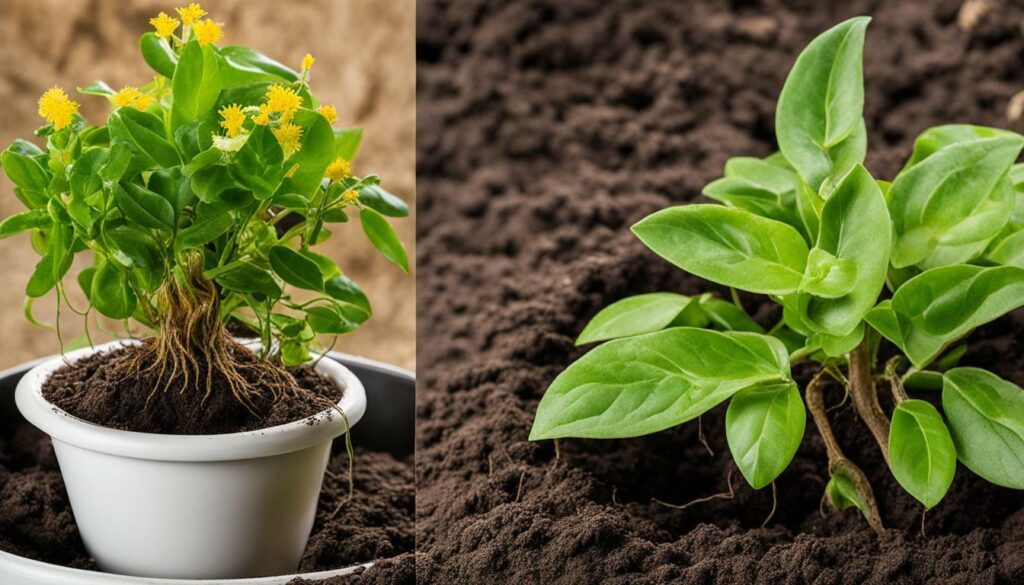
By taking preventative measures and treating root rot promptly, gardeners can effectively manage this common plant disease and keep their plants healthy and thriving.
Diagnosing Root Rot: A Step-by-Step Guide
Root rot can be a tricky disease to diagnose, as its symptoms can mimic those of other plant issues. However, by following a few simple steps, you can accurately assess whether root rot is affecting your plant.
Step 1: Examine the Roots
Start by carefully examining the roots of your plant. Healthy roots should be firm and white, while roots affected by root rot will appear mushy and discolored. If you notice any blackened or brown roots, this is a clear sign of root rot.
Step 2: Observe the Plant's Growth
Another indicator of root rot is stunted or slowed plant growth. If you notice your plant is not growing as quickly as it should or is producing fewer leaves than usual, it may be a sign of root rot.
Step 3: Check Soil Moisture Levels
Excessively damp soil can also be a contributing factor to root rot. If you notice water pooling around the base of your plant or the soil is consistently wet, this can increase the risk of root rot developing.
Step 4: Smell the Roots
While not the most pleasant step, smelling your plant's roots can also be a useful diagnostic tool for root rot. If you notice a foul odor emanating from the roots, this is often a sign of root rot.
Step 5: Perform a Tug Test
A final way to check for root rot is to perform a tug test. Carefully grasp the stem of the plant near the soil line and gently tug upward.
If the entire plant easily lifts out of the soil, this can be a sign that the roots have rotted away and can no longer support the plant.
By following these five steps, you can accurately diagnose root rot in your plants and take the necessary steps to address the issue and prevent its spread.
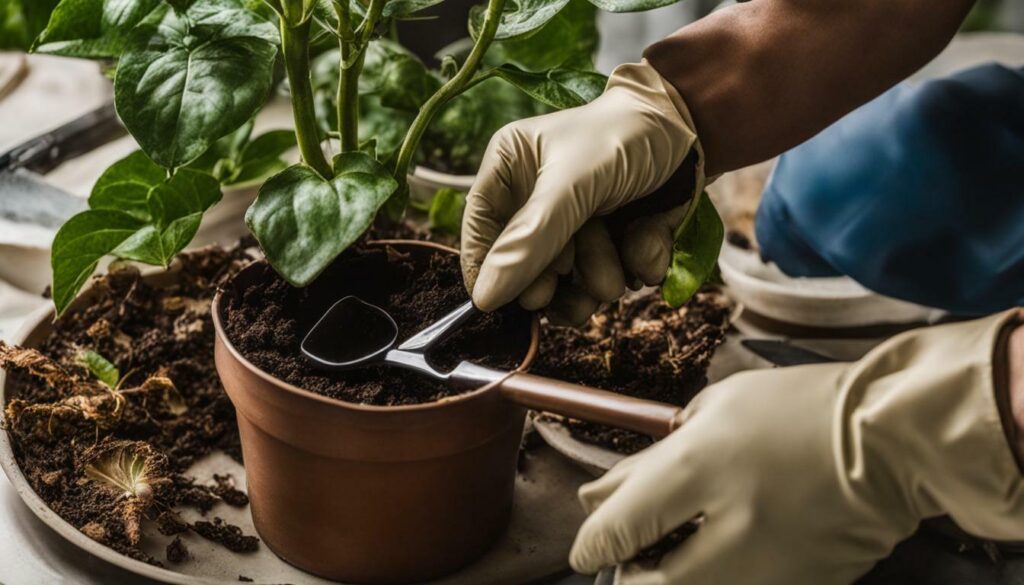
Root rot is a serious issue that can damage the health of plants and cause significant harm to gardens.
Fortunately, there are several effective strategies available to control root rot and maintain the vitality of plants. Here are some practical and proven methods for controlling root rot:
Cultural Practices
One of the most effective ways to control root rot is by implementing cultural practices in your garden.
These practices include effective soil management, proper drainage, and watering habits. It is vital to use well-draining soil to prevent water accumulation around the roots.
You should also ensure that your plants receive adequate sunlight and airflow. Moreover, avoid overwatering your plants, as this can increase soil moisture and promote root rot.
Additionally, keeping the area around the plants clean and free of debris can help prevent root rot. Dead plant matter and organic debris can create a favorable environment for fungi and bacteria that cause root rot.
Biological Controls
Biological controls involve the use of microbes to fight against root rot-causing pathogens. Various fungi and bacteria can attack the pathogens responsible for root rot and suppress them.
Some of the most common biological controls include using compost tea, beneficial nematodes, and bacterial biocontrol agents.
Compost tea, a liquid fertilizer, is made from composted organic material and is an effective way to combat root rot.
It contains beneficial bacteria and fungi that can suppress the growth of root rot-causing pathogens.
Beneficial nematodes are microscopic worms that attack and destroy the larvae of root rot-causing insects. They can also be used to control root rot by attacking the fungi that cause it.
Bacterial biocontrol agents are live bacteria that can prevent the growth of root rot-causing pathogens. These agents work by colonizing the plants' roots and creating a protective barrier against the pathogens.
Chemical Controls
There are several chemical controls available that can treat root rot, including fungicides and bactericides.
These products can be effective in controlling root rot, but their use should be limited, as they can also harm beneficial microbes and insects in your garden.
If you decide to use chemical controls, it is important to follow the instructions carefully and wear protective gear to avoid exposure to harmful chemicals.
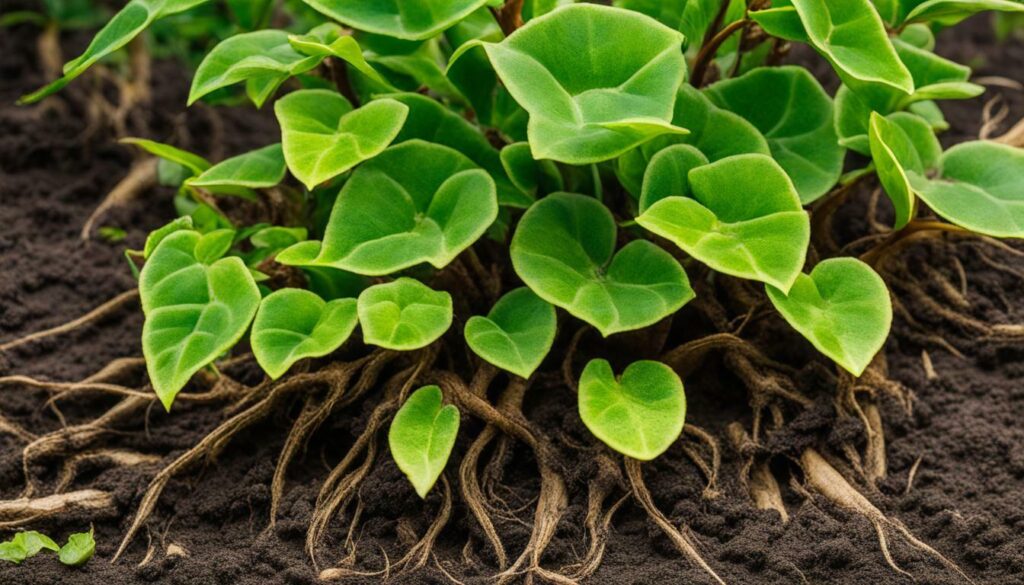
By implementing the strategies discussed above, gardeners can effectively control root rot and maintain healthy plants in their gardens.
Cultural practices, biological controls, and chemical controls can all be used in combination or independently to manage root rot issues.
Remember to take prompt action when you see signs of root rot, such as yellowing leaves, stunted growth, and soft roots. With proper care and attention, plants can recover from root rot and continue to thrive.
Conclusion
In summary, managing root rot is essential for maintaining the health and vitality of plants in your garden. By identifying the symptoms of root rot, gardeners can take prompt action to prevent further damage.
Effective treatment options such as removing affected plant parts and applying fungicides can help restore the health of affected plants.
Prevention is also key in managing root rot. Keeping plants healthy through proper watering and fertilization, providing adequate drainage, and avoiding overcrowding can reduce the likelihood of root rot occurring.
Additionally, using biological controls such as beneficial fungi can help suppress the growth of root rot pathogens.
Overall, managing root rot requires a combination of preventative measures and effective treatment options. By implementing the strategies discussed in this article, gardeners can ensure the health and longevity of their plants for years to come.
So keep an eye out for the symptoms of root rot, and take action promptly to keep your plants in top condition!
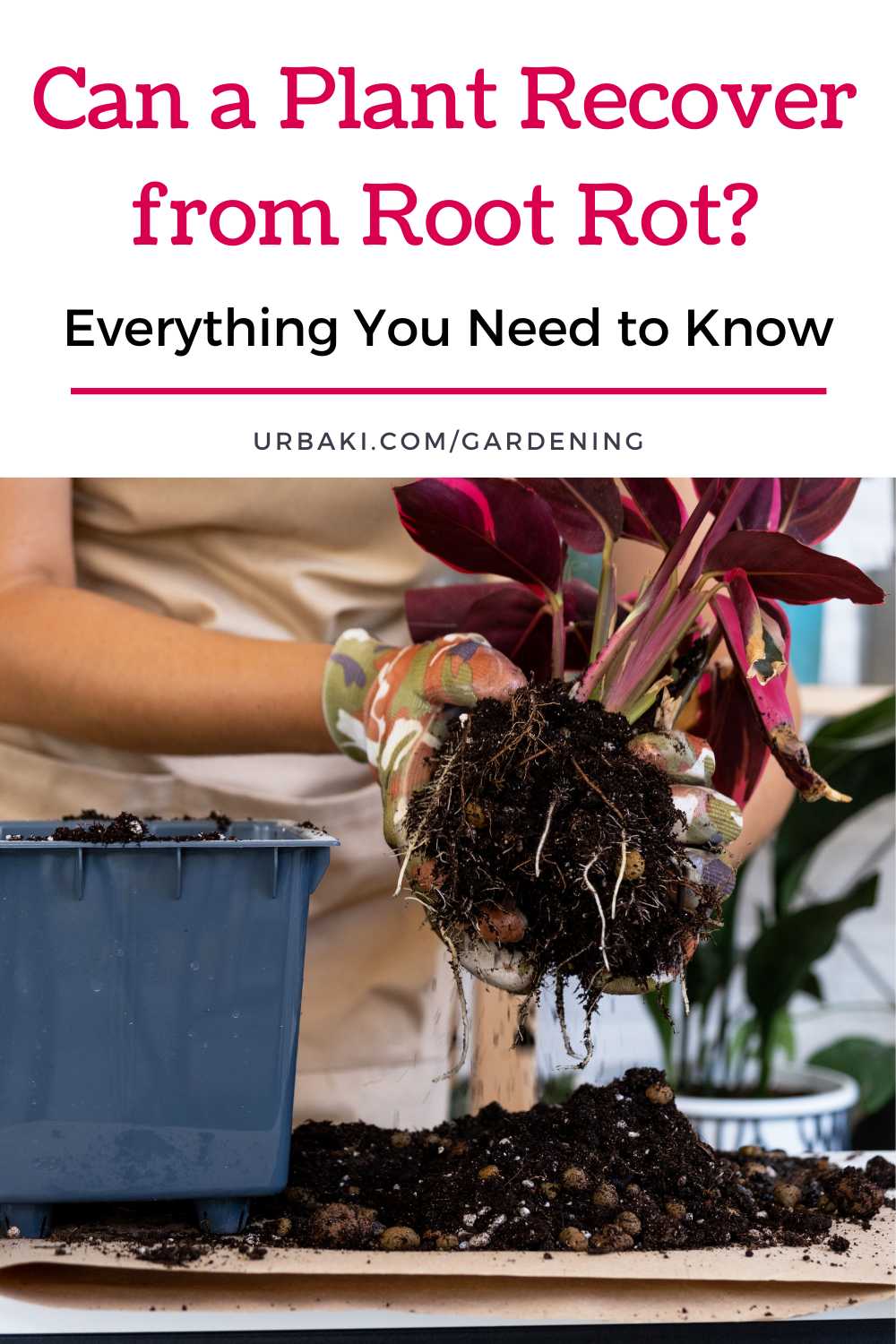
Did you find this post Useful or Inspiring? Save THIS PIN to your GARDENING Board on Pinterest!
Once again, thank you for visiting our website!
We hope you've enjoyed exploring the content we've created for you.
Give yourself the chance to learn, get inspired, and have even more fun, keep browsing...
More Gardening Tips 👇🏼👇🏼