
Can Plants Hear You? The Debate on Sound and Growth

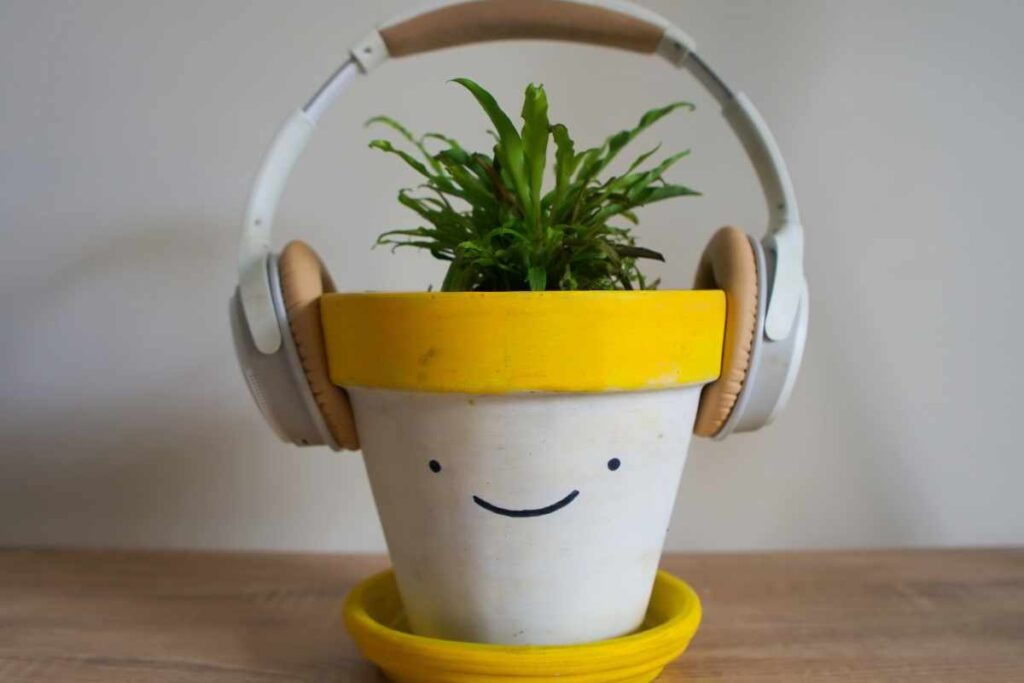
Gardeners have long swapped stories about talking to their plants. Some swear that a few kind words can make leaves greener or blooms more vibrant. Others dismiss it as a charming but baseless tradition.
The question at the heart of the debate is intriguing: can plants actually “hear” us? While they don’t have ears or nervous systems like animals, research into plant biology and environmental responses suggests that sound may play a role in how they grow.
Where the Idea Comes From
The notion of plants responding to human voices dates back centuries, appearing in folk wisdom, gardening manuals, and even literature. Victorian gardeners often believed that singing to flowers encouraged more blooms, while Indigenous traditions sometimes incorporated song and sound into planting rituals.
In modern times, the idea gained popularity through documentaries and experiments, making it a topic that blends cultural heritage with scientific curiosity.

What Science Says About Sound Perception in Plants
Plants lack auditory organs, but they are far from oblivious to their surroundings. Research shows that they can sense vibrations—changes in pressure caused by sound waves—through their cells and tissues. These vibrations may trigger subtle biochemical changes, influencing processes like nutrient uptake, photosynthesis, or hormone production.
One well-known study from the University of Missouri suggested that plants exposed to the sound of caterpillars chewing could activate defensive chemicals, as if preparing for an attack.
Other experiments have examined the effects of music, white noise, and even spoken words, with results ranging from noticeable growth differences to no significant changes at all. The science is still developing, but the evidence hints that plants may be more sensitive to sound than we once believed.
Music, Frequency, and Growth
Not all sounds are equal when it comes to potential plant responses. Studies exploring music and growth often look at frequency and vibration intensity rather than melody or lyrics.
Some experiments report that classical music, with its balanced tones and moderate tempos, can encourage growth, while harsh, loud, or erratic noises might cause stress. This could be because gentle vibrations mimic natural environmental cues, such as wind or pollinator movement, while louder or irregular sounds resemble threats.
The Role of Vibration in Nature
In the wild, plants constantly encounter vibrations—from rain falling on leaves to bees buzzing nearby. These natural sounds may serve as signals, prompting plants to adjust their behavior. For instance, the vibration of a pollinator’s wings can encourage certain flowers to release pollen more effectively.
Similarly, rhythmic environmental patterns like wind swaying a stem might strengthen plant structures, much like gentle exercise strengthens muscles in animals.

Talking to Plants: Ritual or Reality?
Even if the physiological effects of human voices remain under study, talking to plants can still be beneficial in indirect ways.
Regularly speaking to your plants often means spending more time observing them, which makes it easier to spot early signs of stress, pests, or nutrient deficiencies. This increased attention can improve overall plant care, leading to better growth regardless of whether the sound itself has a direct impact.
For many gardeners, talking to plants also creates a deeper sense of connection. This emotional engagement can make gardening more enjoyable and encourage consistent care, a factor just as important as sunlight or soil health.
Potential Practical Applications
If plants do respond to sound in measurable ways, it could open new possibilities for agriculture and horticulture. Farmers might use specific sound frequencies to stimulate germination or enhance nutrient absorption.
Indoor growers could integrate low-level vibration systems to encourage stronger stems without relying solely on artificial fans or mechanical movement. While these applications remain experimental, the concept of “sonic farming” has already attracted interest among researchers.
Sounds That Could Help, and Those That Might Not
Based on current studies, plants seem to respond best to consistent, gentle vibrations within certain frequency ranges—often between 100 and 500 Hz. This range includes the hum of pollinators and soft instrumental music.
Very loud or high-frequency noises, such as heavy machinery or constant traffic, may have neutral or even harmful effects, potentially causing stress responses in plants.
Gardeners curious about experimenting can try placing a speaker near their plants for short daily sessions, observing any differences in growth, flowering, or leaf quality over several weeks. Keeping the volume moderate and avoiding continuous exposure can help prevent overstimulation.

The Debate Continues
While scientific studies are promising, they are not yet conclusive. Some researchers caution that many experiments have small sample sizes or lack control for other variables like temperature, light, and humidity.
Others point out that even if plants respond to sound, the changes may be subtle compared to other environmental factors. For now, the topic remains a blend of fact, possibility, and tradition—an area where personal experience often shapes belief.
The Human Side of the Conversation
Regardless of the scientific verdict, the act of talking to plants speaks to something deeply human: our desire to nurture, connect, and communicate with the living world.
Gardens are not just collections of plants—they are shared spaces where we invest time, care, and emotion. Whether or not your voice is truly influencing their growth, it can certainly enrich your own gardening experience.

Growing with an Open Mind
The question of whether plants can “hear” us may never have a simple yes or no answer. Plants experience the world in ways vastly different from animals, but that doesn’t make their responses any less fascinating.
Sound is just one of many environmental cues they interact with, and exploring how they use it deepens our appreciation for their complexity.
For gardeners, the takeaway is clear: engage with your plants in whatever way feels right. If that means chatting to your tomatoes or humming to your herbs, go ahead. You might just be giving them a little extra reason to thrive—or at least making your own time in the garden more joyful.
Did you find this post useful or inspiring? Save THIS PIN to your GARDENING Board on Pinterest!
More Gardening Tips 👇🏼👇🏼