
Cape Primrose (Streptocarpus): Blooms for Shaded Spaces

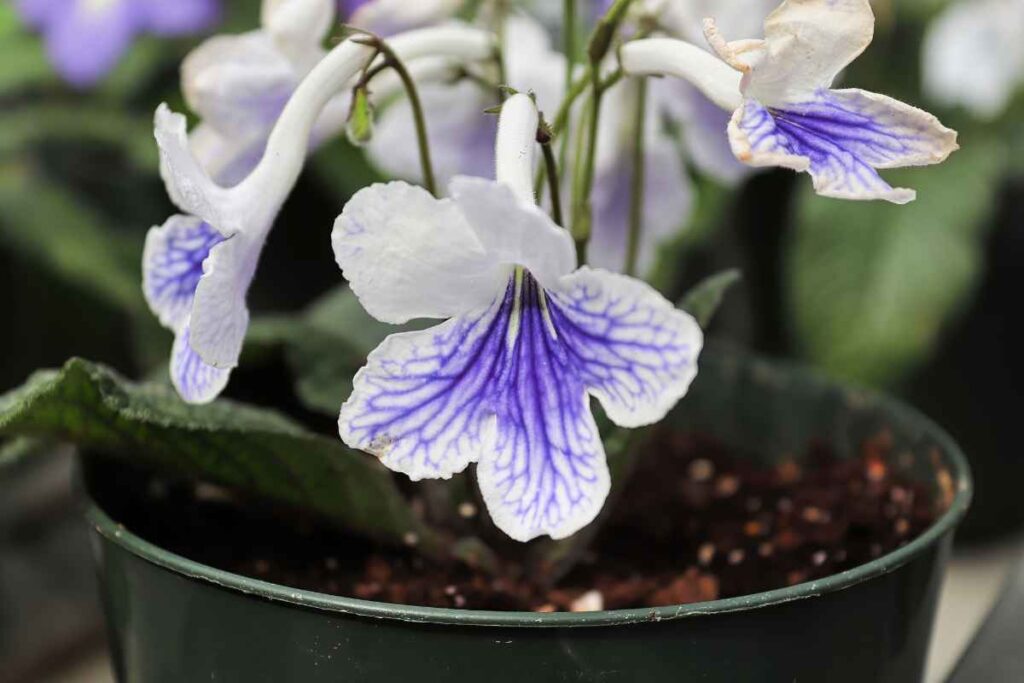
If you're looking to add vibrant color and lush greenery to a shaded space in your garden or home, the Cape Primrose (Streptocarpus) is an excellent choice. With its delicate, trumpet-shaped flowers and soft, velvety leaves, this beautiful plant offers year-round color and can thrive in environments where many other plants may struggle.
Whether you're planting indoors or outdoors, the Cape Primrose is sure to bring life and beauty to your space. In this article, we’ll explore the unique characteristics of Streptocarpus, how to care for it, and why it's a perfect addition to shaded areas.
What is Cape Primrose?
Cape Primrose, scientifically known as Streptocarpus, is a genus of flowering plants in the Gesneriaceae family, native to regions of Southern Africa, including South Africa and Mozambique.
The plant gets its common name from its resemblance to the primrose flower, although it is not directly related. Cape Primrose is admired for its beautiful, tubular blooms and soft, fuzzy leaves, which make it a popular choice for both houseplants and garden borders.
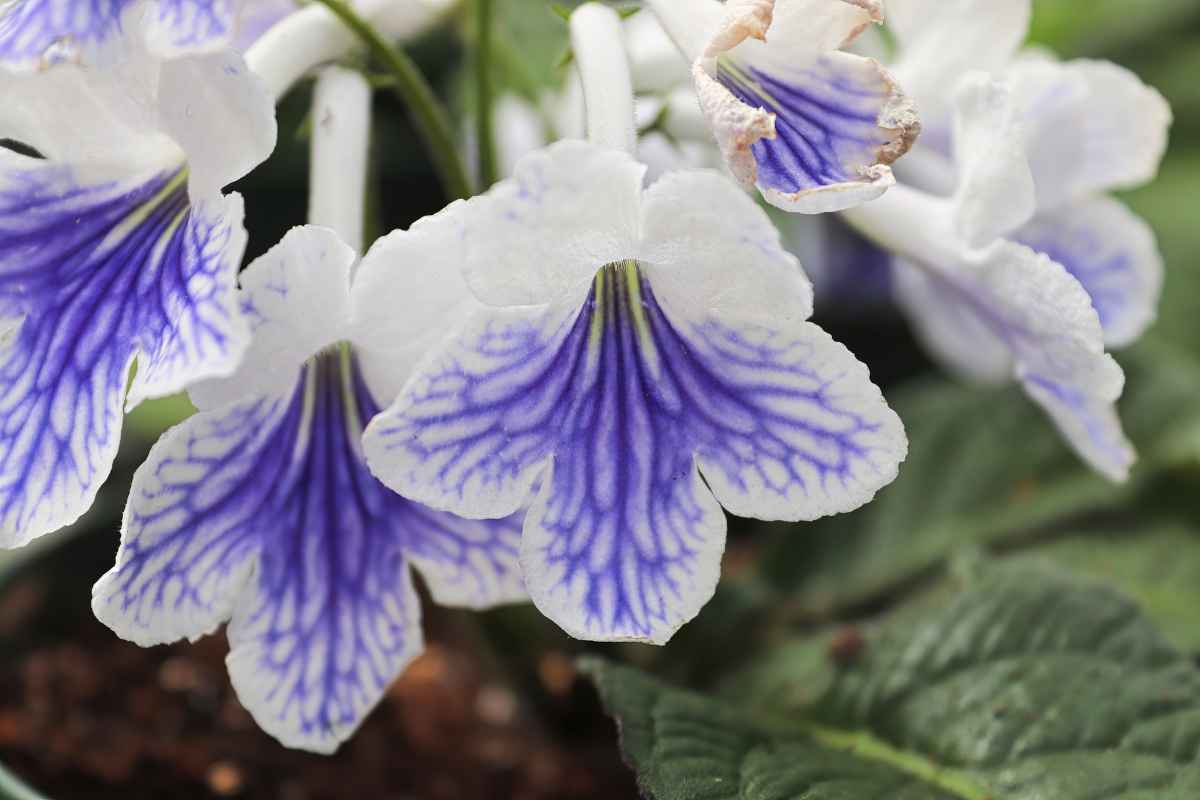
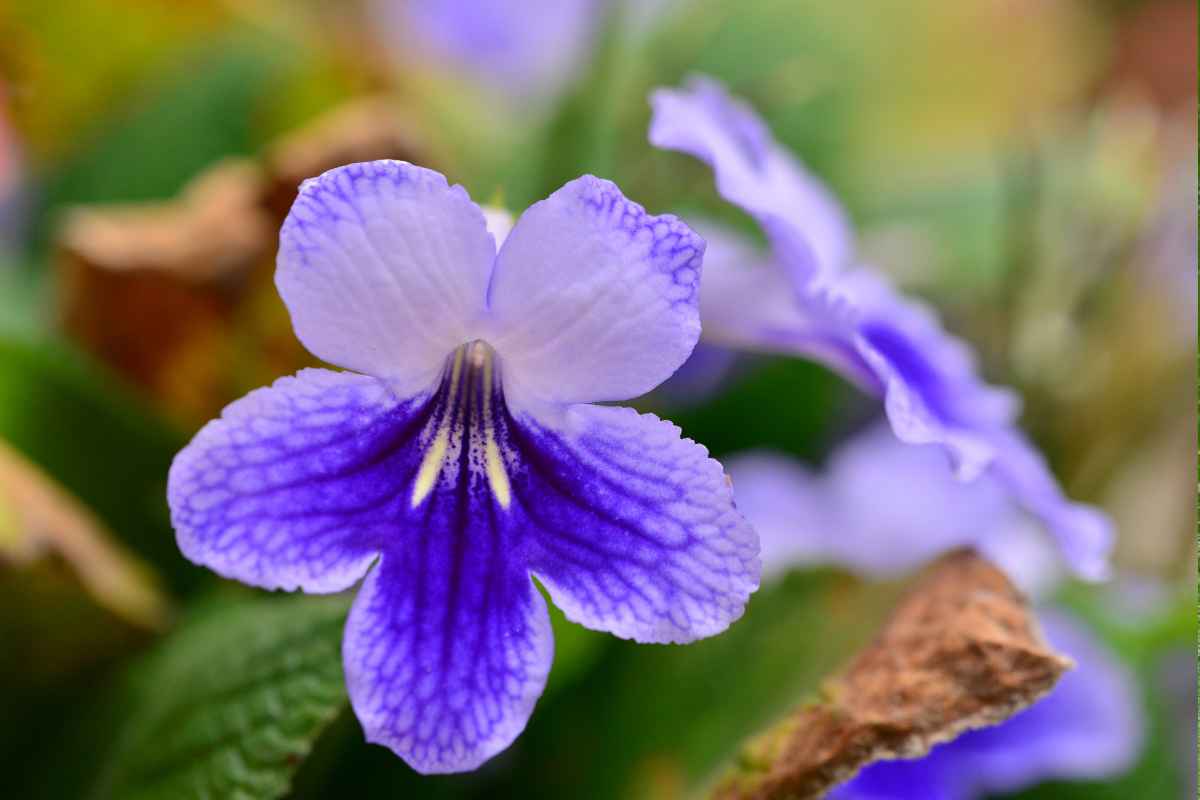
Streptocarpus has a variety of flower colors, including shades of purple, pink, white, and blue, often with striking markings or patterns. The plants are known for their ability to bloom consistently over a long period, making them an ideal choice for gardeners and plant lovers looking for low-maintenance beauty in shaded spots.

Common Varieties of Cape Primrose
There are several varieties of Streptocarpus, ranging from compact, single-flower types to larger, more decorative versions. Some of the most common varieties include:
Streptocarpus x hybrida: Known for its large flowers and broad color range, this hybrid is often chosen for its vibrant blooms.
Streptocarpus ‘Hilda’s Gem’: A smaller variety with deep purple flowers and striking white patterns.
Streptocarpus ‘Variegated Blue’: With soft, blue petals and a touch of white, this variety is ideal for adding color to indoor spaces.
No matter the variety, the beauty of Cape Primrose is guaranteed to shine through, especially when grown in the right conditions.
Why Cape Primrose is Perfect for Shaded Spaces
One of the main reasons Cape Primrose is an excellent choice for shaded spaces is its ability to thrive in low light conditions. Unlike many other flowering plants, which require direct sunlight to bloom, Cape Primrose has adapted to grow well in dappled light or areas with partial shade. This makes it an ideal addition to indoor spaces like living rooms, bedrooms, or kitchens, as well as shaded corners of outdoor gardens.
Adaptability to Light Conditions
While Cape Primrose doesn’t need full sunlight, it still requires bright, indirect light to flourish. A location with filtered sunlight or near a north-facing window is perfect for growing Streptocarpus. If you're growing Cape Primrose outdoors, look for a spot that receives morning sunlight or light dappled through the branches of trees.
Tip: If your space is very low on natural light, Cape Primrose can also adapt to artificial lighting, making it a good option for rooms with minimal sunlight.
How to Care for Cape Primrose
Growing Cape Primrose is relatively easy, but like any plant, it benefits from the right care. By providing the right environment, proper watering, and some basic maintenance, your Cape Primrose can thrive and bloom for months at a time.
1. Light Requirements
As mentioned earlier, Cape Primrose thrives in bright, indirect light. Direct sunlight can scorch the delicate leaves, so avoid placing your plant in areas with harsh, direct sun. On the other hand, too little light will cause the plant to become leggy and reduce flowering.
Solution: Keep the plant near a window with plenty of filtered sunlight. If you're growing it indoors, consider placing it near a sheer curtain or in a room with good ambient light.
2. Watering
Cape Primrose plants prefer to be kept slightly moist, but they don't like sitting in water. Over-watering can lead to root rot, so it's important to ensure the plant is in well-draining soil and that excess water can escape. Let the top inch of soil dry out before watering again.
Tip: Water the plant at the base to avoid getting water on the leaves, as this can cause spots or mold. Be sure to use room temperature water to avoid shocking the roots.
3. Humidity
Cape Primrose thrives in moderate humidity. If you're growing it indoors, especially in a dry environment, you might need to increase the humidity around the plant.
Solution: Consider placing the plant on a tray filled with pebbles and water or using a humidifier to maintain the ideal moisture levels. Misting the leaves lightly with water once or twice a week can also help maintain the right environment.
4. Soil and Fertilizing
Streptocarpus prefers well-draining soil, and a mixture of peat-based potting soil with added perlite or vermiculite is ideal. This allows water to flow freely and prevents the roots from becoming waterlogged.
Fertilizing: During the growing season (spring through summer), you can feed your Cape Primrose every two to four weeks with a balanced, water-soluble fertilizer diluted to half strength. This will encourage vigorous growth and plenty of blooms.
Tip: Reduce fertilizing in the fall and winter, as the plant enters a dormant phase.
5. Pruning and Maintenance
Cape Primrose is generally low-maintenance, but it does benefit from some regular care to keep it looking its best. Deadheading spent blooms encourages the plant to produce more flowers.
Solution: Prune any dead or damaged leaves regularly. In the case of leggy growth, you can trim back the stems to encourage more compact, bushy growth.
6. Repotting
As Cape Primrose grows, it may eventually outgrow its pot. Repotting is necessary every 1-2 years to give the roots more space and to refresh the soil. Choose a slightly larger pot and use fresh, well-draining potting mix.
Common Problems and How to Address Them
Like any plant, Cape Primrose can encounter a few issues. Here are some common problems and how to address them:
1. Yellowing Leaves
If the leaves of your Cape Primrose are turning yellow, it might be due to over-watering, inadequate light, or nutrient deficiencies.
Solution: Check the watering routine and make sure you're not allowing the plant to sit in water. Ensure the plant is receiving adequate light and consider adding fertilizer if it hasn't been fed in a while.
2. Pests
Cape Primrose is generally resistant to pests, but sometimes it can attract aphids or mealybugs, especially in humid environments.
Solution: Regularly inspect the plant for pests. If you find any, gently wipe the leaves with a damp cloth or use insecticidal soap to remove the pests.
3. Leggy Growth
If your Cape Primrose becomes leggy or sparse, it may not be receiving enough light.
Solution: Move the plant to a location with brighter indirect light or supplement it with artificial lighting.
Why Choose Cape Primrose for Shaded Spaces?
Cape Primrose offers some benefits for shaded spaces:
Low-light tolerance: It thrives in indirect light, making it perfect for areas that don’t get a lot of direct sun.
Year-round blooms: With the right care, Cape Primrose can bloom continuously throughout the year, providing color and vibrancy in your home or garden.
Easy care: Once established, it requires minimal attention, making it an ideal plant for beginners or those with busy schedules.
Cape Primrose (Streptocarpus) is a fantastic choice for anyone looking to add color and vibrancy to a shaded garden or indoor space.
With its beautiful blooms, low-maintenance care, and ability to thrive in low-light conditions, it’s the perfect plant to brighten up areas that receive limited sunlight. Whether you're a seasoned gardener or a beginner, Cape Primrose offers beauty, blooming potential, and resilience, making it a must-have for any garden or home.
Did you find this post useful or inspiring? Save THIS PIN to your GARDEN Board on Pinterest!
More Gardening Tips 👇🏼👇🏼