
Chemical Solutions for Fungus Gnat Control

Fungus gnats, those pesky little flyers, can be an unwelcome guest in any gardener's paradise, whether you tend to an indoor oasis or an outdoor haven.
These minuscule insects have a knack for infiltrating your plants, potentially wreaking havoc on both their delicate roots and lush foliage.
While we firmly advocate for non-chemical methods as the initial strategy to combat these persistent pests, there are instances when resorting to chemical solutions becomes a necessity to tackle a severe infestation head-on.
Protect Your Garden from Pests – Discover Effective Solutions and Tools!


In this article, we'll delve into the realm of chemical options available for curbing the menace of fungus gnats in your cherished greenery.
3 Effective Chemical Control of Fungus Gnats
Pyrethrin: A Natural Defense
Derived from chrysanthemum flowers, pyrethrin is a natural insecticide known for its effectiveness against fungus gnats.
It disrupts the nervous system of these pests, ultimately leading to their demise. However, it's important to exercise caution when using pyrethrin, as it can also harm beneficial insects like bees.
To minimize environmental impact, apply it sparingly and avoid contact with pollinators.

Permethrin: A Synthetic Solution
Permethrin is a synthetic insecticide that offers effective control of fungus gnats.
Like pyrethrin, it should be used with care due to its potential harm to beneficial insects, especially bees.
Applying permethrin sparingly and strictly following the manufacturer's instructions is essential to minimize its impact on the environment.
Imidacloprid: A Systemic Approach
Imidacloprid is a systemic insecticide that differs from contact sprays like pyrethrin and permethrin.
When applied to the soil or as a drench, it is absorbed by the plant, making the plant itself toxic to fungus gnats. This method is less harmful to bees compared to contact sprays.
However, it's crucial to use imidacloprid sparingly and strictly follow label instructions.

Remember, Chemicals Are Not a Long-Term Fix
While chemical solutions can provide immediate relief from a fungus gnat infestation, they should not be viewed as a long-term solution.
To prevent the return of these pesky pests, it's vital to address the root cause of the problem. Consider the following preventative measures:
- Adjust your watering habits to allow the soil to dry out between waterings.
- Reduce the overall moisture levels in the growing environment.
- Remove dead or decaying plant material from the vicinity, as this can attract fungus gnats.
- Use sticky traps to monitor and catch adult fungus gnats.
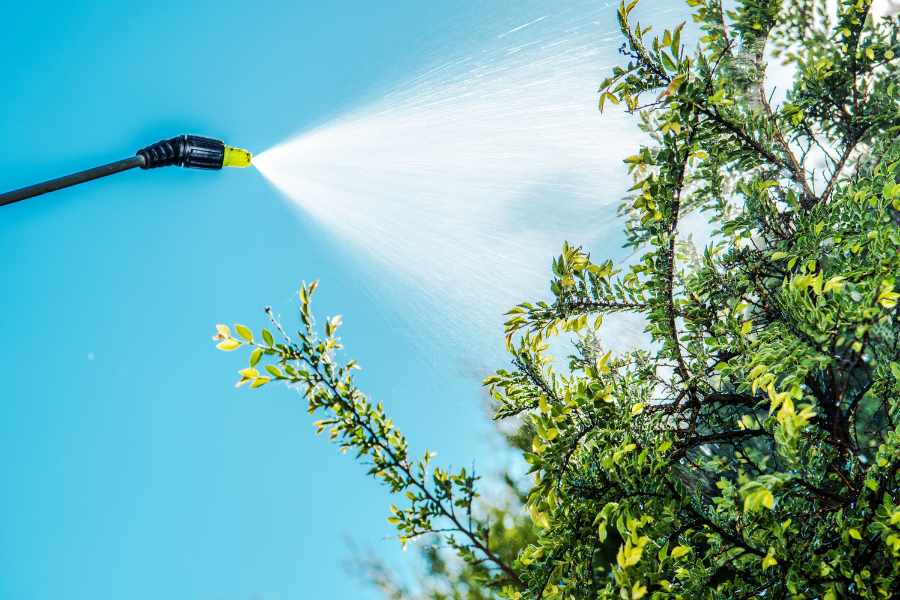
Chemical solutions can be a valuable tool in your arsenal against fungus gnats, but they should be used judiciously and as a last resort.
Prioritize non-chemical methods and always follow the instructions provided by the manufacturer to minimize the impact on beneficial insects and the environment.
We hope you enjoy this video about How to Get Rid of Fungus Gnats
Source: Tatiana's Tiny Zoo
Did you find this post Useful or Inspiring? Save THIS PIN to your GARDENING Board on Pinterest!

Once again, thank you for visiting our website!
We hope you've enjoyed exploring the content we've created for you.
Give yourself the chance to learn, get inspired, and have even more fun, keep browsing...
Last update on 2025-12-30 / Affiliate links / Images from Amazon Product Advertising API

More Gardening Tips 👇🏼👇🏼