
Creating a Water-Wise Garden: Tips and Tricks

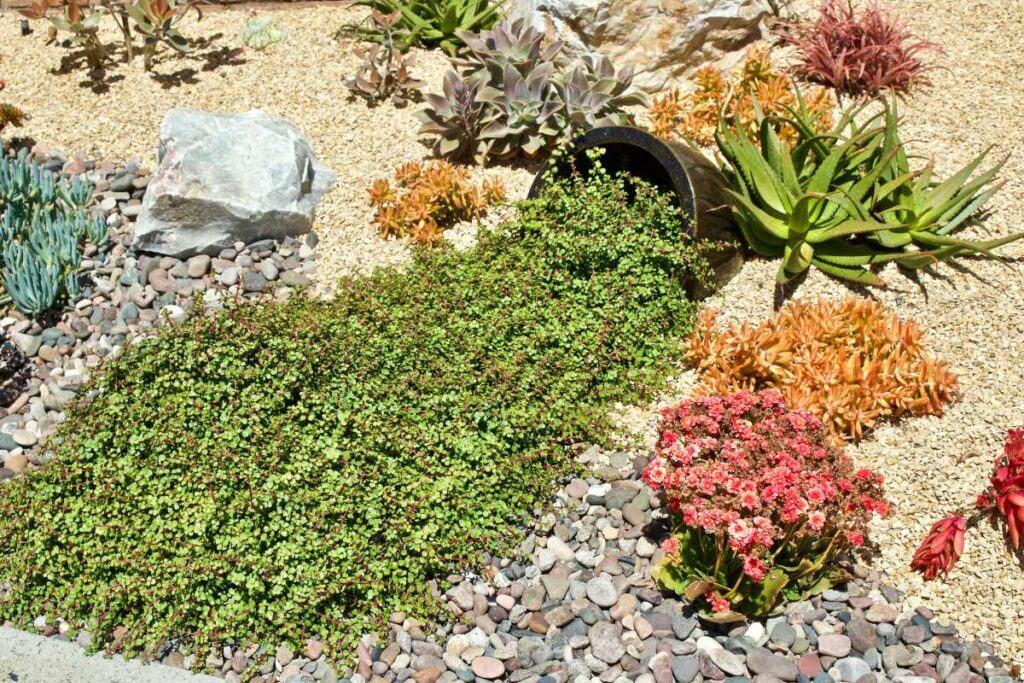
In today's world, where water conservation is becoming increasingly important, creating a water-wise garden is a smart and sustainable choice.
Not only does it help reduce water usage, but it also ensures that your garden thrives even during dry spells.
Additionally, a water-wise garden can significantly lower your water bills and reduce the overall maintenance effort required.
This article will provide you with practical tips and tricks to design and maintain a water-wise garden that is both beautiful and environmentally friendly.
Why Choose a Water-Wise Garden?
A water-wise garden is designed to minimize water usage while maximizing plant health and growth.
This approach not only conserves a precious resource but also reduces your water bills and maintenance time.
Plus, a well-designed water-wise garden can be just as lush and vibrant as a traditional garden.
Selecting the Right Plants
The foundation of any water-wise garden is choosing the right plants. Opt for drought-tolerant plants that thrive in your local climate.
Native plants are often the best choice as they are already adapted to the local conditions.
Top Drought-Tolerant Plants:
- Succulents: Aloe, Sedum, and Echeveria
- Perennials: Lavender, Sage, and Yarrow
- Shrubs: Rosemary, Juniper, and Oleander
- Grasses: Blue Fescue, Fountain Grass, and Feather Reed Grass
Efficient Irrigation Systems
An efficient irrigation system is crucial for a water-wise garden. Traditional sprinklers can waste a lot of water through evaporation and runoff. Instead, consider installing a drip irrigation system.
This method delivers water directly to the plant roots, reducing water waste and ensuring that your plants get the moisture they need.
Benefits of Drip Irrigation:
- Water Efficiency: Directly targets plant roots
- Reduced Evaporation: Minimizes water loss
- Healthier Plants: Promotes deep root growth
Mulching for Moisture Retention
Mulching is a simple yet effective way to retain soil moisture and reduce water usage in your water-wise garden. Apply a thick layer of organic mulch, such as wood chips, straw, or compost, around your plants.
Mulch helps to keep the soil cool, reduces evaporation, and suppresses weeds that compete for water.
Mulching Tips:
- Apply Generously: Use a 2-4 inch layer of mulch
- Keep Away from Stems: Leave space around plant stems to prevent rot
- Refresh Regularly: Replenish mulch as it decomposes
Soil Preparation and Improvement
Healthy soil is key to a successful water-wise garden. Improve your soil's water-holding capacity by adding organic matter such as compost or well-rotted manure. This not only enhances soil structure but also increases its ability to retain moisture.
Soil Improvement Steps:
- Test Your Soil: Determine its composition and nutrient levels
- Add Organic Matter: Mix in compost or manure to improve texture and fertility
- Aerate the Soil: Loosen compacted soil to enhance water infiltration

Smart Garden Design
Designing your garden with water conservation in mind can make a big difference. Group plants with similar water needs together, and create hydrozones—areas of the garden that receive water based on plant requirements.
Place high-water-use plants in shaded areas to reduce their water needs and use hardscaping elements like rocks and gravel to reduce plant coverage.
Design Tips:
- Hydrozoning: Group plants by water needs
- Shaded Areas: Place water-loving plants in shade
- Hardscaping: Use rocks and gravel to minimize planting areas
Watering Techniques
How you water your garden is just as important as what you water it with. Water deeply and infrequently to encourage deep root growth.
Early morning or late evening watering reduces evaporation and ensures that more water reaches the plant roots.
Effective Watering Techniques:
- Deep Watering: Water less often but more deeply
- Time of Day: Water in the early morning or late evening
- Avoid Overwatering: Let the soil dry out slightly between watering
Harvesting Rainwater
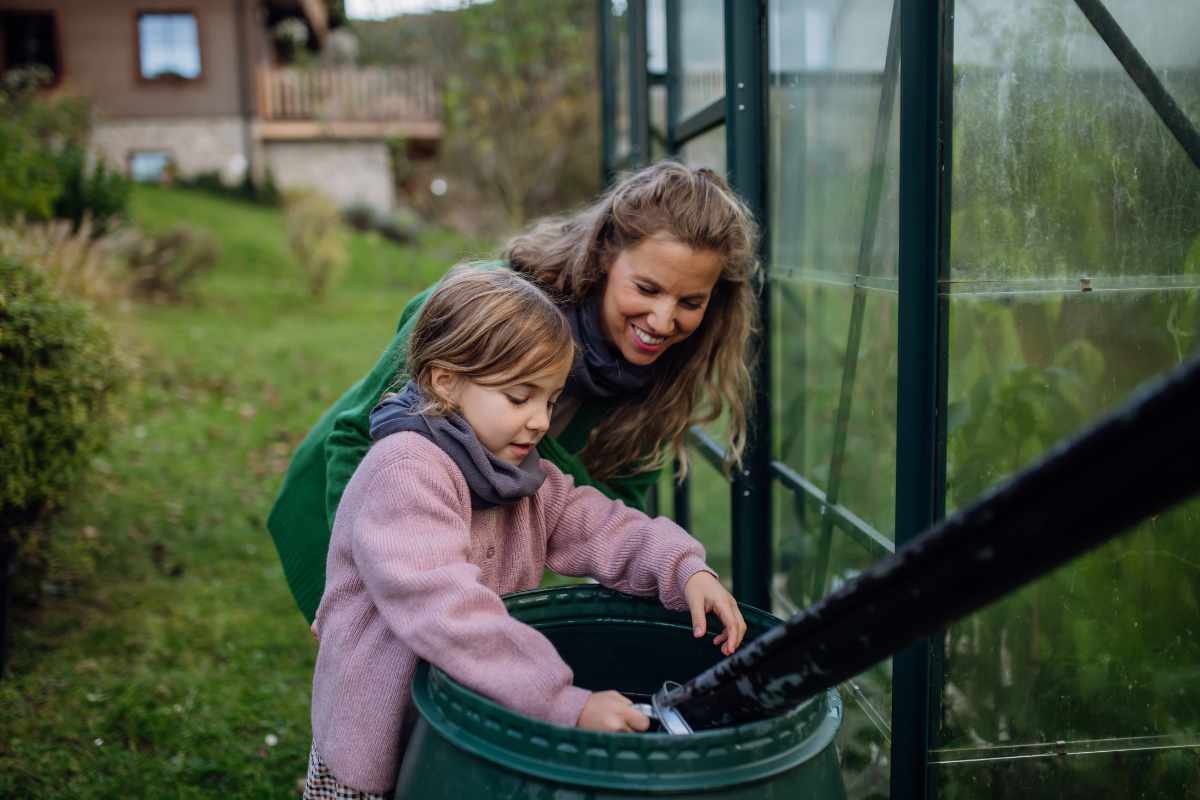
Collecting and using rainwater is an excellent way to reduce your reliance on municipal water supplies. Install rain barrels or other collection systems to capture rainwater from your roof and use it to water your garden. Rainwater is naturally soft and free of chemicals, making it ideal for plants.
Rainwater Harvesting Tips:
- Install Rain Barrels: Place them under downspouts
- Use Collected Water: Water your garden during dry spells
- Regular Maintenance: Keep barrels clean and covered
Regular Maintenance
Maintaining a water-wise garden involves regular care and attention. Keep an eye out for signs of over- or under-watering, and adjust your watering schedule as needed. Regularly check your irrigation system for leaks and make sure your mulch layer is intact.
Maintenance Checklist:
- Monitor Plant Health: Look for signs of stress or disease
- Check Irrigation Systems: Fix any leaks or clogs
- Refresh Mulch: Add more mulch as needed
Creating a water-wise garden is not only beneficial for the environment but also for your wallet and your plants.
By choosing drought-tolerant plants, using efficient irrigation systems, mulching, improving your soil, designing smartly, and adopting effective watering techniques, you can create a beautiful, sustainable garden that thrives with minimal water.
Start implementing these tips and tricks today, and enjoy the rewards of a lush, water-efficient garden.
Did you find this post Useful or Inspiring? Save THIS PIN to your GARDENING Board on Pinterest!

Once again, thank you for visiting our website!
We hope you've enjoyed exploring the content we've created for you.
Give yourself the chance to learn, get inspired, and have even more fun, keep browsing...
More Gardening Tips 👇🏼👇🏼