
Discover Why Your Gardenia Has Yellow Leaves


Gardenias (Gardenia augusta / Gardenia jasminoides), found primarily outdoors in the south and grown for their fragrant flowers and beautiful foliage, are popular ornamental shrubs known for their demanding needs.
In fact, despite being a beautiful addition to your garden in some areas, gardenias require considerable maintenance.
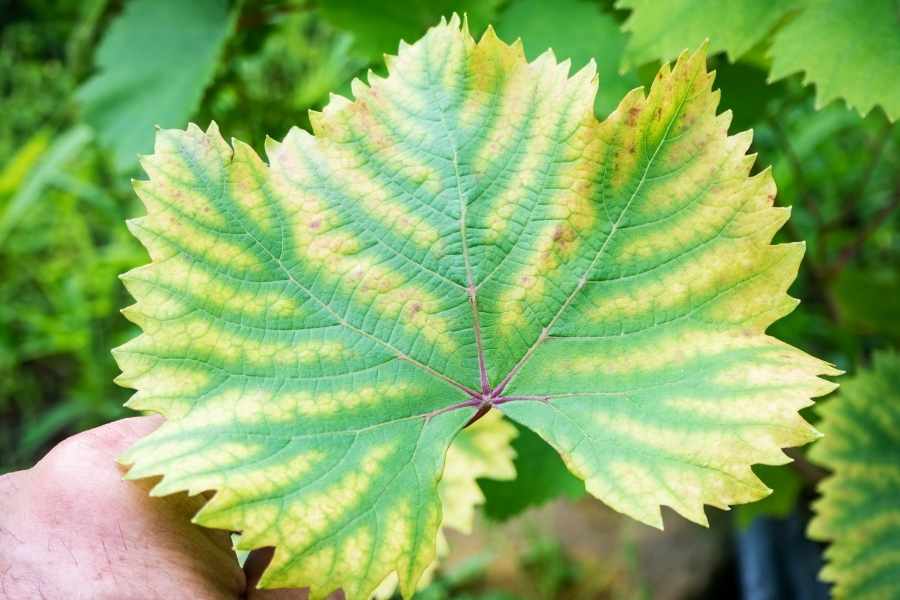
It is a shame to see a gardenia with yellow leaves. In addition to the beauty and smell of its flowers, its dark green and shiny leaves are a great attraction.
This yellowish color can also alert you to plant health problems. Before we learn about the possible causes (and solutions) for this discoloration, let's find out exactly what a gardenia is and what growing conditions it prefers.
Growing needs
Grow gardenias in partial shade and in soil that has:
- An acidic soil pH.
- Good drainage
- Sufficient nutrient fertilizer, etc.
- Adequate (but not excessive) humidity
Failure to meet one or more of these growing needs can cause leaves to turn yellow.
Causes of discoloration
Although you will never want to see yellow leaves on your gardenias, it is important to realize that their presence does not always indicate a problem.
In spring it is normal to see some yellow leaves. This is simply part of the process of extinction of the older foliage to make way for the newer ones.
During other seasons, it is not normal for gardenias to have many yellow leaves. To compound the problem, you can't automatically attribute yellowing to just one cause.
Instead, you must work through a checklist of possible causes to find the answer. For any individual gardenia infested with yellow leaves, you need to eliminate all possible causes that don't fit in until you get the right one.
Check first for signs of disease (such as mold left behind by fungi) and insect infestations so you can rule them out (or treat them immediately, if present).
Once you've ruled out disease and insects, explore the possibility of your gardenia suffering from chlorosis.
Chlorosis
It can be satisfying to name a condition but saying that a plant with yellow leaves has chlorosis really only begins to tell the story.
On a technical level, it means that the affected plant is not getting enough chlorophyll and therefore suffers from a nutrient deficiency.
But, on a practical level, this still doesn't identify the cause. There may be more than one reason for such a deficiency.
Also, there are different types of chlorosis (each indicating a different nutrient deficiency).
Submit a soil sample to your local county extension and ask them to test for deficiencies. The extension can recommend a solution to you when delivering the test results.
Solving the problem
But don't assume that you can just fertilize it to solve the problem. The problem could be that although the necessary nutrients are present in the soil, the gardenia cannot access them.
This is why it is important to know what type of soil pH your plant needs. In the case of acid-loving plants like gardenias, if they grow in very alkaline soil, the nutrients they need (even if they are present in the soil) will not be available to them.
To lower the pH of the soil and make it more acidic, you can use a fertilizer containing sulfur, for example.
The nutrient unavailability problem can also occur if the plant in question has suffered root damage, which can happen if its gardenia roots are in the water.
The roots need to breathe, and drowning in water cuts off the air supply, leading to damage. Hence the need to pay attention to two of the other growing needs of gardenias: well-draining soil and adequate (but not excessive) moisture.
These conditions are closely related, as poorly draining soil is likely to be very wet, even if it is not to blame for overwatering.
If the root is damaged, it may be too late to fix the problem (and it would be too much work) - replace the gardenia. Just don't make the same mistake again, either from overwatering on your part or simply from poor drainage.
Your goal in watering is to keep the soil evenly moist (down to the root zone); it should not be soaked. To avoid drainage problems, put a lot of organic matter in the soil.
Fertilizer
If you've ruled out incorrect soil pH, poor drainage, and overwatering as possible causes of yellow leaves on your gardenia, consider yourself lucky.
The fourth growing need, sufficient nutrients, is easily met if such nutrition is lacking. Just fertilize.
Start with a balanced fertilizer unless you know for sure what nutrient is missing; in that case, you can concentrate more and apply a fertilizer with a high content of this nutrient.
Take care to follow the application instructions closely.
We hope you enjoy watching this video about why are the leaves of my gardenia turning yellow:
Source: Brainy.Garden
Did you find this post Useful or Inspiring? Save THIS PIN to your GARDENING Board on Pinterest! 
Once again, thank you for visiting our website!
We hope you've enjoyed exploring the content we've created for you.
Give yourself the chance to learn, get inspired, and have even more fun, keep browsing...
More Gardening Tips 👇🏼👇🏼