
DIY Calendula Oil Recipe: Skin Care Benefits and Uses


Calendula, also known as pot marigold, has been treasured for centuries for its soothing and healing properties.
Whether in salves, teas, or oils, this bright orange flower is a favorite among herbalists and natural skin care enthusiasts.
One of the easiest and most effective ways to enjoy its benefits is by making your own calendula-infused oil at home. Not only is this a simple DIY project, but it also results in a nourishing product with countless uses for your skin.
Let’s dive into how to make calendula oil, explore its many skin care benefits, and learn why it deserves a spot in your daily routine.
Why Calendula Deserves the Spotlight
Calendula officinalis is more than just a cheerful flower. It contains antioxidants, anti-inflammatory compounds, and antimicrobial properties that support skin health in multiple ways. The petals are rich in flavonoids and triterpenoids—plant-based chemicals that help reduce redness, soothe irritation, and promote skin repair.
Calendula is especially loved for its gentle, non-irritating nature, making it safe for sensitive skin, babies, and even pets. Its wide range of uses—from dry skin to minor wounds—makes it a staple in natural remedies.
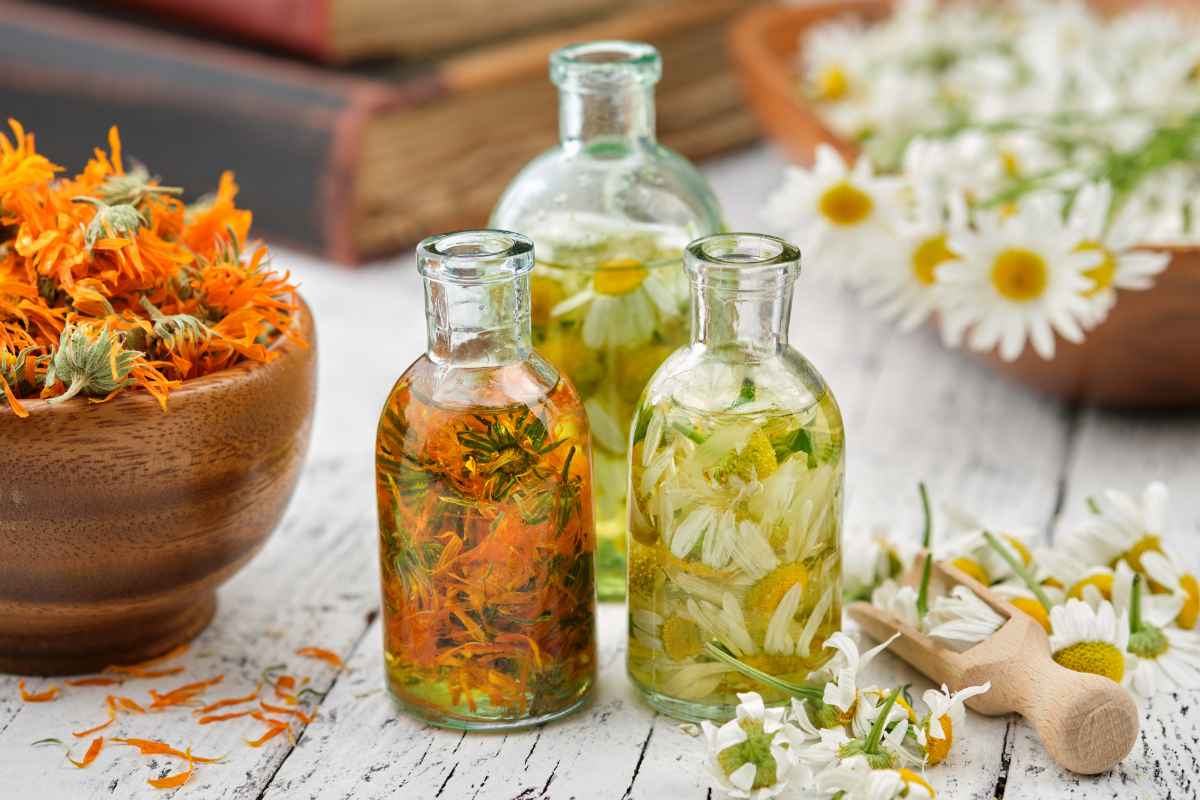
Skin Care Benefits of Calendula Oil
Using calendula oil regularly can improve the overall health and appearance of your skin. Here are some of the most common and effective benefits:
Soothes Inflammation and Redness
Calendula is excellent for calming irritated or inflamed skin. Whether it’s from eczema, rosacea, or a sunburn, calendula oil helps reduce discomfort and supports healing.
Promotes Skin Healing
Its ability to stimulate collagen production and cell turnover makes it ideal for treating small cuts, scrapes, insect bites, and scars. It speeds up the healing process while minimizing scarring.
Hydrates and Softens Dry Skin
Calendula oil is deeply moisturizing and helps repair the skin barrier, making it perfect for dry, cracked, or flaky skin. It’s gentle enough to use on your face, lips, and even around the eyes.
Fights Bacteria and Fungal Infections
The natural antimicrobial compounds in calendula help prevent infections in minor wounds and may also aid in treating fungal issues like athlete’s foot or ringworm.
Calms Diaper Rash and Baby Skin
Thanks to its gentle nature, calendula oil is safe for infants. Many natural baby creams and balms use calendula as a base for soothing diaper rash or cradle cap.
How to Make DIY Calendula Oil
Creating your own calendula oil is surprisingly simple and doesn’t require any fancy equipment. You’ll just need dried calendula petals and a carrier oil of your choice.
Ingredients:
1 cup of dried calendula petals (fresh petals can introduce moisture and risk spoilage)
1 cup of carrier oil (olive oil, sweet almond oil, jojoba oil, or sunflower oil work well)
A clean glass jar with a tight-fitting lid
A fine mesh strainer or cheesecloth
A dark glass bottle for storage (optional, but it helps preserve the oil longer)
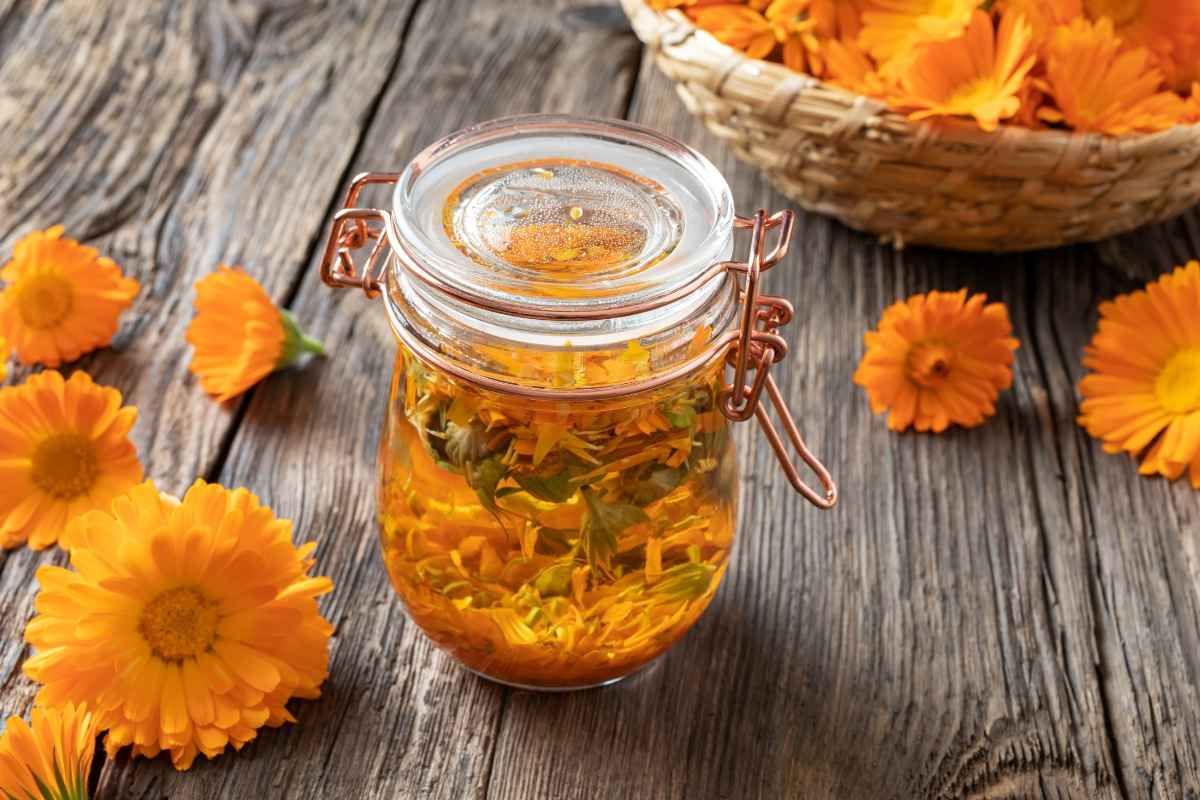
Method 1: The Traditional Cold Infusion
Fill your clean jar about halfway with dried calendula petals.
Pour your chosen oil over the petals, covering them completely.
Seal the jar tightly and place it in a sunny window or warm spot for 4–6 weeks. Shake gently every few days.
After infusing, strain the oil using cheesecloth into a clean bowl.
Transfer the finished oil to a dark glass bottle and label it with the date.
Method 2: Quick Heat Infusion (If You’re in a Hurry)
Place dried petals and oil in a double boiler or heatproof bowl over a pot of simmering water.
Let it warm gently for 2–3 hours, making sure the oil doesn’t overheat.
Strain and bottle as you would in the traditional method.
Both methods yield a beautiful, golden oil that’s ready to use in countless ways.
Practical Uses for Calendula Oil
Once your oil is ready, the possibilities are endless. It can be used on its own or as a base for other DIY products. Here are some of the most popular uses:
Face and Body Moisturizer
Apply a few drops to clean skin after showering to lock in moisture. It absorbs easily and leaves your skin feeling silky and nourished.
Massage Oil
The gentle scent and soothing nature make calendula oil ideal for a relaxing massage, especially for sensitive skin.
Lip and Cuticle Treatment
Rub a drop or two on chapped lips or cracked cuticles for fast, natural relief.
Baby Care
Use a small amount to calm diaper rash, dry patches, or cradle cap—just be sure to do a patch test first.
First Aid Support
Apply directly to minor cuts, scrapes, or insect bites to reduce redness and encourage healing.
DIY Balm or Salve Base
Mix your calendula oil with beeswax and essential oils to create healing balms or salves perfect for on-the-go care.
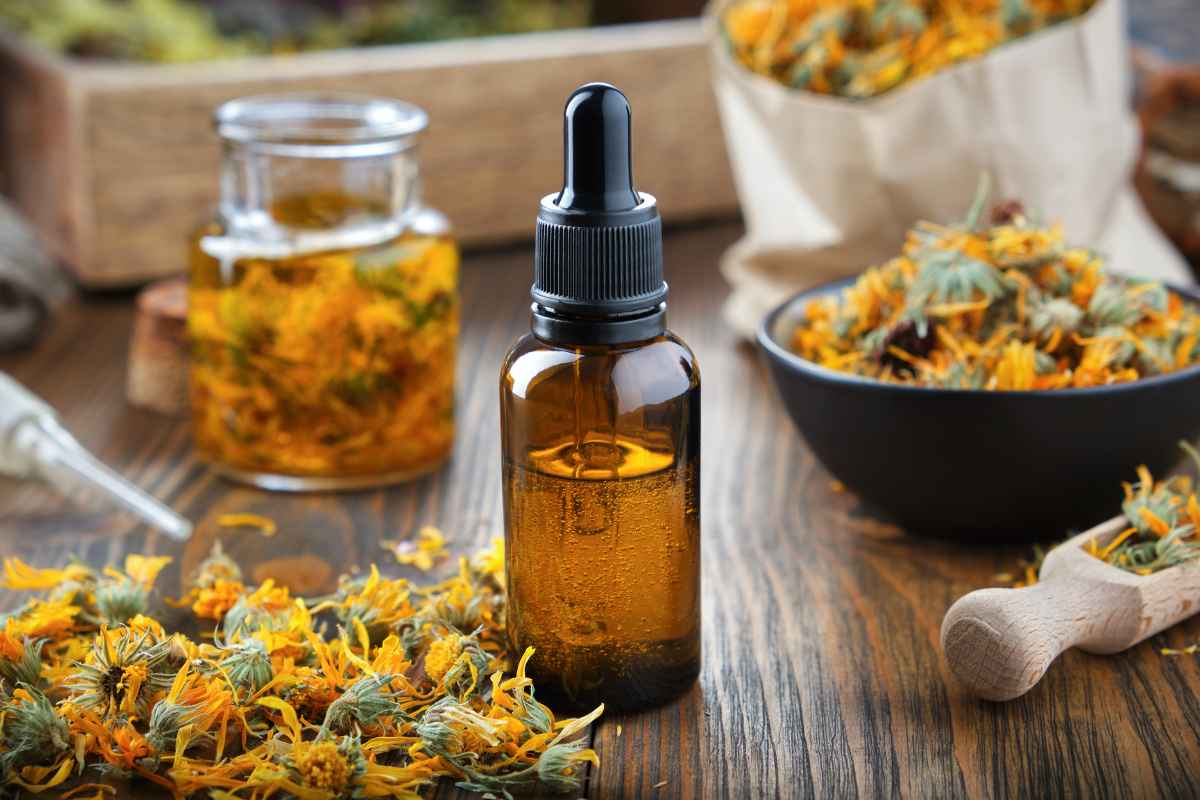
Tips for Storage and Shelf Life
To make your calendula oil last as long as possible:
Store it in a cool, dark place
Use a dark glass bottle if possible
Always use clean hands or droppers to avoid contamination
When properly stored, calendula oil can last up to one year. If you notice any off smells or cloudiness, it’s time to make a new batch.
A Simple Way to Care for Your Skin Naturally
Calendula oil is one of those rare natural remedies that’s both gentle and effective. Whether you're looking to calm inflammation, hydrate dry skin, or create a homemade balm, this golden oil is a must-have in your herbal toolkit.
By making it yourself, you not only save money, but you also gain complete control over what touches your skin. Plus, there’s something incredibly satisfying about creating a product that’s beautiful, nourishing, and entirely handmade.
So gather your petals, choose your oil, and let the magic of calendula work its way into your daily routine. Your skin will thank you with every radiant, healthy glow.
Did you find this post useful or inspiring? Save THIS PIN to your GARDEN Board on Pinterest!
More Gardening Tips 👇🏼👇🏼