
DIY Glow-in-the-Dark Planters: Do They Work?


Glow-in-the-dark planters have become a trending DIY project across social media. The idea is simple and fun—paint your pots with glowing paint and let them light up your garden or balcony at night. But the real question is: do they work, or are they just a viral gimmick?
In this article, we’ll explore the science behind glow-in-the-dark materials, what works (and what doesn’t), how to make your glowing planters, and whether they’re worth the effort. Let’s break down the hype and find out what to expect.
What Are Glow-in-the-Dark Planters?
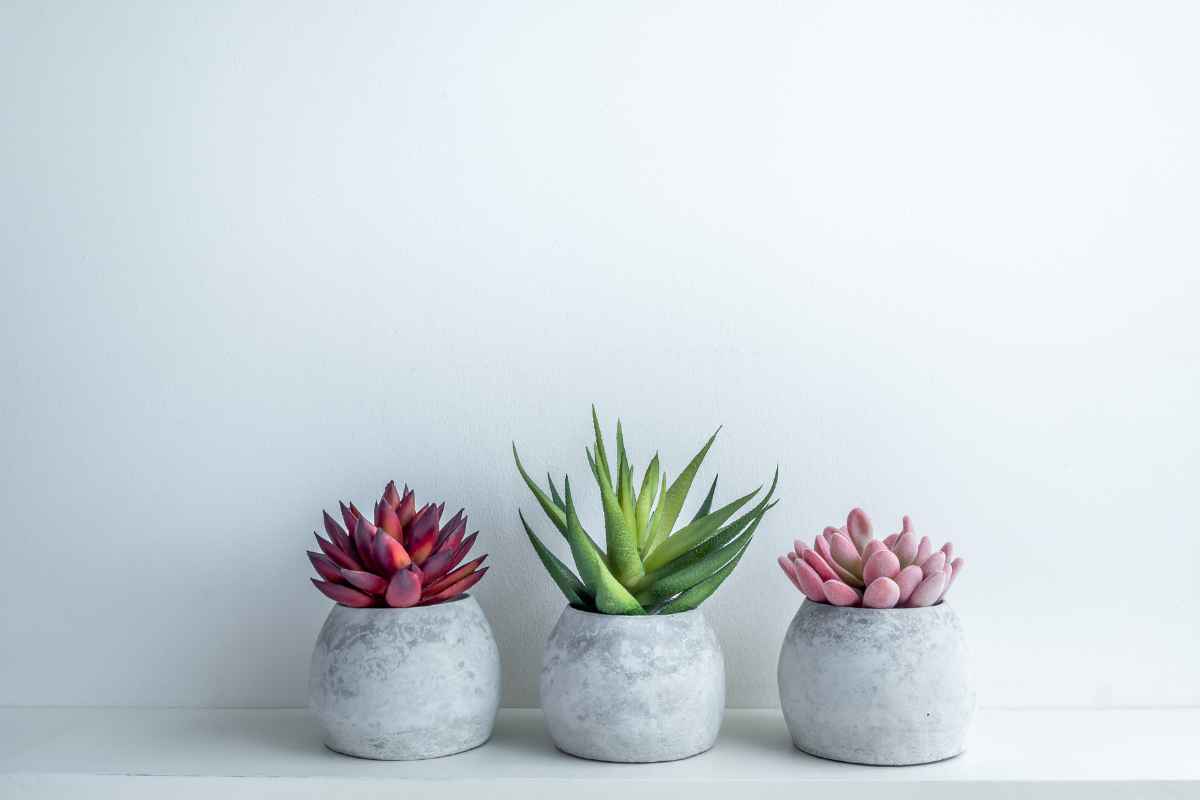
Glow-in-the-dark planters are simply plant containers coated with phosphorescent paint—a paint that absorbs light during the day and releases it at night as a soft glow. The goal is to create an eye-catching, energy-free way to add ambient lighting to your outdoor or indoor space.
They’re especially popular for:
Pathway accents
Patio or balcony decor
Kids' gardening projects
Festive or party lighting
At first glance, they seem like a fun, low-cost upgrade to ordinary pots. But success depends on materials, exposure to light, and how they’re made.
How Glow-in-the-Dark Paint Works
The glow comes from phosphorescent pigments, usually made from compounds like strontium aluminate or zinc sulfide. These materials absorb UV light during the day and slowly release it at night.
Here’s what you should know:
Strontium aluminate glows brighter and longer than older zinc-based compounds.
The glow fades over time, usually lasting anywhere from 30 minutes to several hours, depending on quality.
The brighter the daytime exposure, the stronger the nighttime glow.
So yes—the concept works. But whether your DIY version glows like a lantern or barely flickers depends on what you use and how you apply it.
Common DIY Materials
To make your glow-in-the-dark planter, you'll typically need:
Terracotta or plastic pots
Glow-in-the-dark spray paint or acrylic paint
A clear topcoat sealer (optional, but helpful for outdoor use)
Painter’s tape (for design work or protecting plant areas)
Types of Paint to Look For:
Outdoor-safe glow-in-the-dark spray paint
Waterproof glow acrylics
UV-reactive paints (some only glow under blacklight, not actual darkness—check the label)
Avoid cheap novelty paints—they often look great for a day, then fade out permanently after minimal use.
How to Make Them (Step by Step)
Here’s how to make a glow-in-the-dark planter that works:
1. Choose Your Pot
Terracotta works well because it holds paint nicely. Plastic is fine too, but rough up the surface lightly with sandpaper to help the paint stick.
2. Clean and Dry
Make sure the planter is clean and dry before painting. Remove any dirt, dust, or residue.
3. Apply Base Coat (Optional)
Applying a white or light-colored base coat makes the glow paint appear much brighter. Dark backgrounds absorb more light and reduce the glow.
4. Paint with Glow Material
Use even coats of glow-in-the-dark paint. Two to three coats are usually necessary. Let each coat dry completely before adding another.
5. Add Sealer
If you plan to leave the planter outside, use a clear UV-resistant sealant. This protects the paint from fading due to the sun and rain.
6. Charge It Up
Place the finished planter in direct sunlight or under strong indoor light. The longer it charges, the more it glows. Avoid shaded areas—shade = no charge = no glow.
So... Do They Work?
Yes, but with realistic expectations. Here's what you can expect:
Pros:
Visible glow at night, especially in complete darkness
Easy, low-cost project for all ages
Great for temporary outdoor parties or events
Works well as decorative accents
Cons:
Not very bright—don’t expect them to replace outdoor lights
Short-lived glow—most fade within 1–2 hours
Weather exposure can wear down paint over time
Requires strong daylight to work properly
If you’re imagining solar-lamp-level brightness, you’ll be disappointed. But if you’re okay with a soft, magical glow, especially in dark corners of a yard or balcony, it’s a charming touch.
Tips for Better Results
Want to make sure your glowing planters actually impress? Here are a few pro tips:
Use high-quality strontium-based paints
Apply over a white base coat
Place planters where they get 6–8 hours of sunlight
Reapply paint every few months for best results
Store planters indoors during harsh weather seasons
And remember—the darker the environment, the better they’ll shine.
Alternative Ideas
Glow-in-the-dark planters are just one way to light up your garden. Consider these alternatives if you want stronger or longer-lasting effects:
Solar-powered planter lights
Glow-in-the-dark gravel or mulch
Glow paint on stepping stones or garden signs
LED strips around pots for controllable light
These options offer more consistent lighting, though they don’t have quite the same DIY charm.
DIY glow-in-the-dark planters do work, but how well they work depends on your expectations. If you’re hoping for a glowing beacon that lights up your yard all night, you’ll likely be let down. But if you’re looking for a fun, creative project that adds a subtle glow and some personality to your space, they deliver.
They’re inexpensive, easy to make, and a great weekend craft for kids or adults. Just be prepared for a little trial and error, and remember: not all glow paints are created equal.
Did you find this post useful or inspiring? Save THIS PIN to your GARDEN Board on Pinterest!
More Gardening Tips 👇🏼👇🏼