
Easy-to-Grow Mailbox Flowers for a Beautiful Entrance

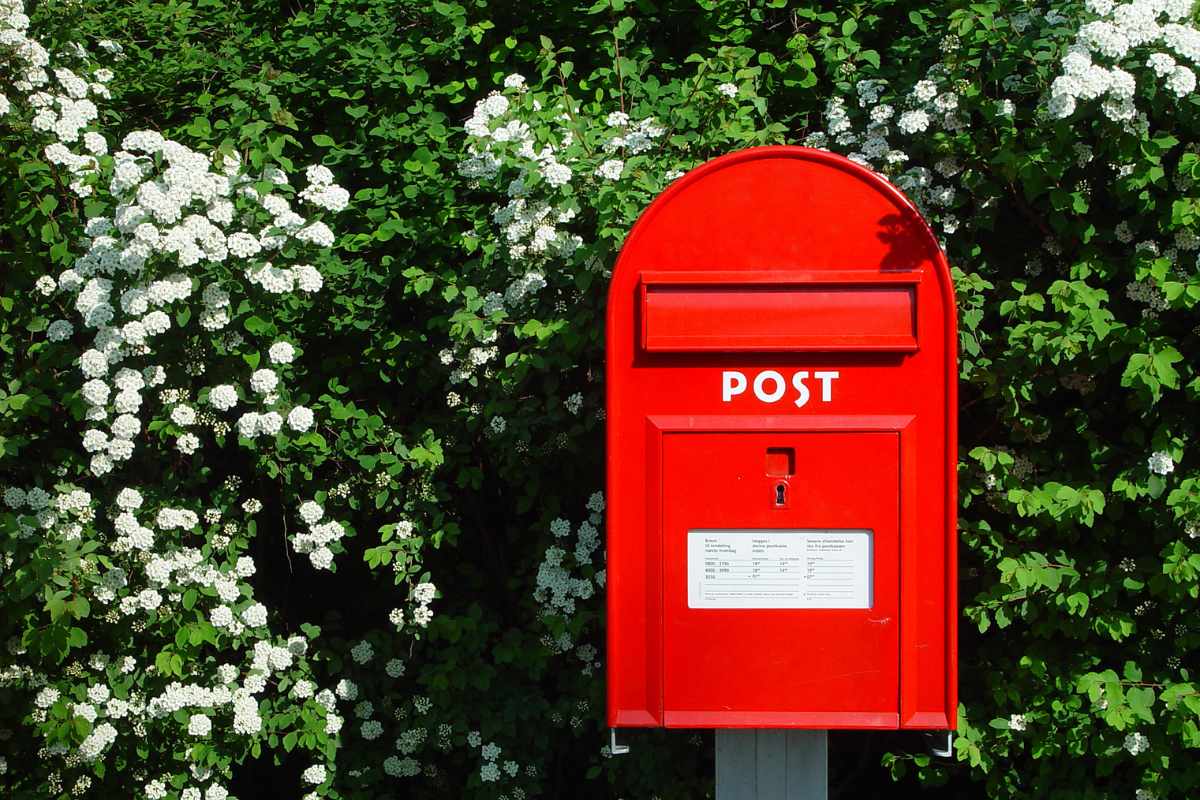
Adding mailbox flowers to your front yard can instantly boost curb appeal and create a welcoming touch. The area around a mailbox offers a unique opportunity to grow vibrant plants that add color and charm to your landscape. Selecting the right flowers is essential, as they need to withstand various conditions, from full sun exposure to the occasional brush with the mail carrier.
Choosing Flowers That Thrive Near the Mailbox
When selecting plants for your mailbox area, consider flowers that are hardy, low-maintenance, and able to tolerate a range of weather conditions. Since mailboxes are often in sunny spots, heat-tolerant and drought-resistant varieties work well. It’s also helpful to pick plants that don’t require frequent watering or constant attention.
Perennials are a great choice as they return year after year, offering continuous beauty with minimal upkeep. Annuals can also be incorporated to add bursts of seasonal color and variety. Combining both types creates a dynamic and long-lasting display.
Sun-Loving Flowers for Mailbox Gardens
Most mailbox areas receive full sun throughout the day, making it important to choose flowers that can handle the heat. Coneflowers are a popular option, known for their resilience and bright, daisy-like blooms. These perennials come in a range of colors and attract butterflies, adding life and movement to your garden.
Black-eyed Susans are another excellent choice. With their golden petals and dark centers, they provide vibrant pops of color from summer through fall. These hardy flowers thrive in sunny locations and require little maintenance.
For a touch of elegance, consider planting daylilies. Available in a wide array of colors, these perennials produce stunning blooms that can withstand hot conditions. Their long, arching leaves also add texture and depth to the area around your mailbox.
Adding Height and Structure
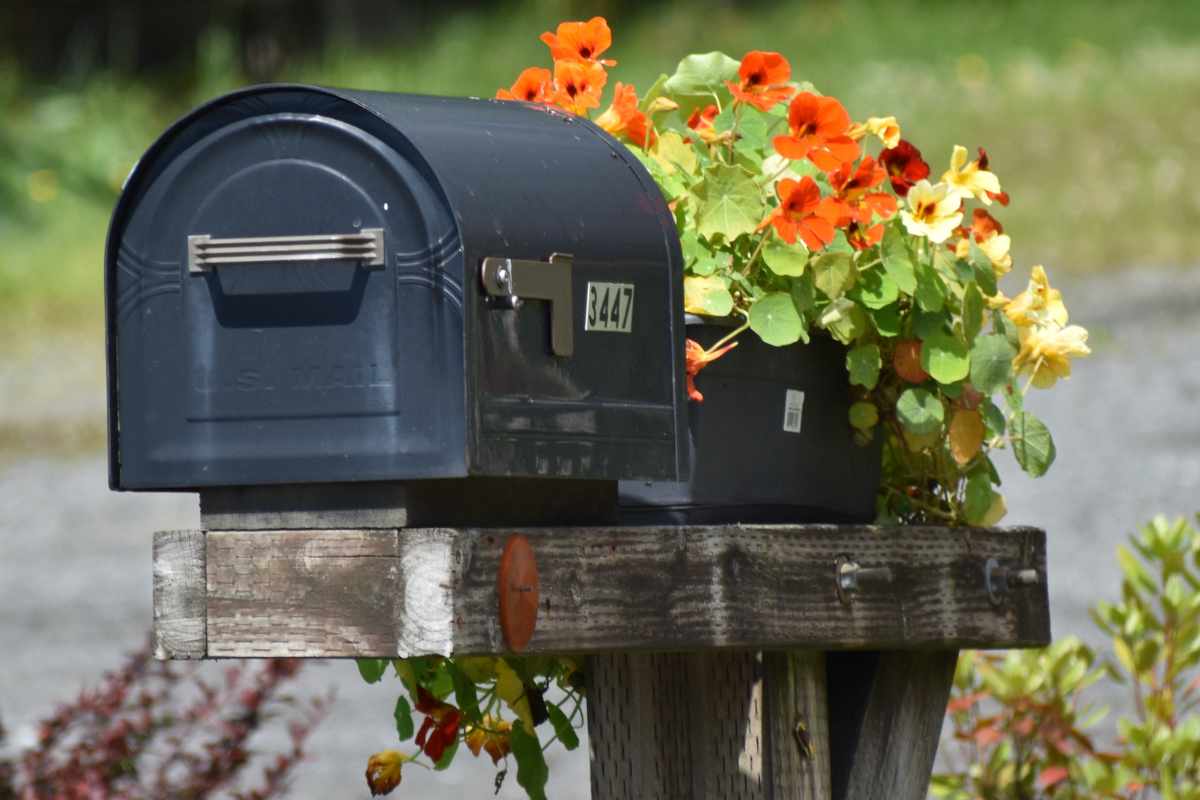
Incorporating taller plants can help frame your mailbox and add visual interest. Hollyhocks are a classic choice, known for their tall spikes of colorful flowers. They create a dramatic backdrop and can grow up to six feet tall, making a bold statement.
Lavender is another versatile option. Not only does it add height, but it also provides a pleasant fragrance and attracts pollinators. Lavender’s silvery foliage and purple blooms create a calming, cottage-garden feel around your mailbox.
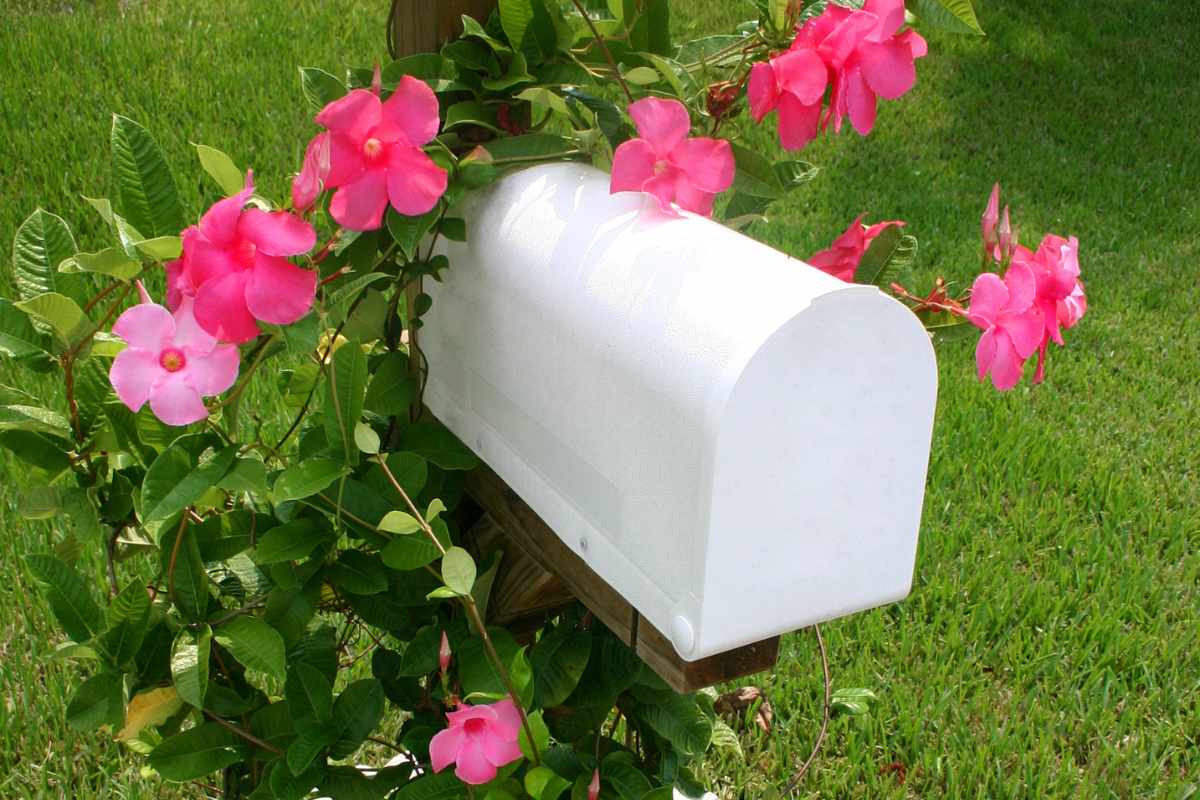
Climbing plants can also be used to add vertical interest. Clematis, with its vibrant, star-shaped flowers, can be trained to grow up a trellis or mailbox post, adding a whimsical touch to the space.
Ground Covers and Fillers
Consider adding ground covers and filler plants around your mailbox flowers to create a lush, cohesive look. Creeping thyme is an excellent low-growing plant that adds greenery and tiny purple blooms. It’s also drought-tolerant and gives off a pleasant aroma when stepped on.
Sweet alyssum works well as a filler, producing delicate white or purple flowers that spill over the edges of garden beds. Its low-growing habit softens the look of the planting area and adds a touch of charm.
Another great option is sedum, a hardy succulent that thrives in sunny spots. With its thick, fleshy leaves and clusters of star-shaped flowers, sedum adds texture and color while requiring minimal care.
Incorporating Seasonal Color
While perennials offer a year-round structure, adding seasonal annuals can bring fresh bursts of color throughout the year. Petunias are a popular choice for mailbox gardens, with their vibrant, trumpet-shaped flowers that bloom from spring to fall. Available in nearly every color, they’re perfect for creating eye-catching displays.
Zinnias are another colorful option. These hardy annuals come in bold shades of red, pink, orange, and yellow, and their long-lasting blooms make them ideal for summer gardens. Plus, they attract butterflies and bees, adding to the garden’s lively atmosphere.
In the fall, consider planting pansies or mums to keep your mailbox area looking vibrant as the temperatures cool. Their rich colors and hardiness make them perfect for extending the growing season.
Maintaining a Beautiful Mailbox Garden
Keeping your mailbox flowers looking their best requires some basic maintenance. Regular watering, especially during dry spells, helps keep plants healthy and vibrant. Mulching around the base of your flowers helps retain moisture, suppress weeds, and regulate soil temperature.
Deadheading spent blooms encourages new growth and keeps plants looking tidy. Pruning taller plants, like hollyhocks or lavender, ensures they don’t become too unruly or overshadow smaller flowers.
It’s also essential to be mindful of visibility and accessibility. Ensure your plants don’t obstruct the mailbox opening or interfere with the mail carrier’s path.
Creating a Cohesive Look
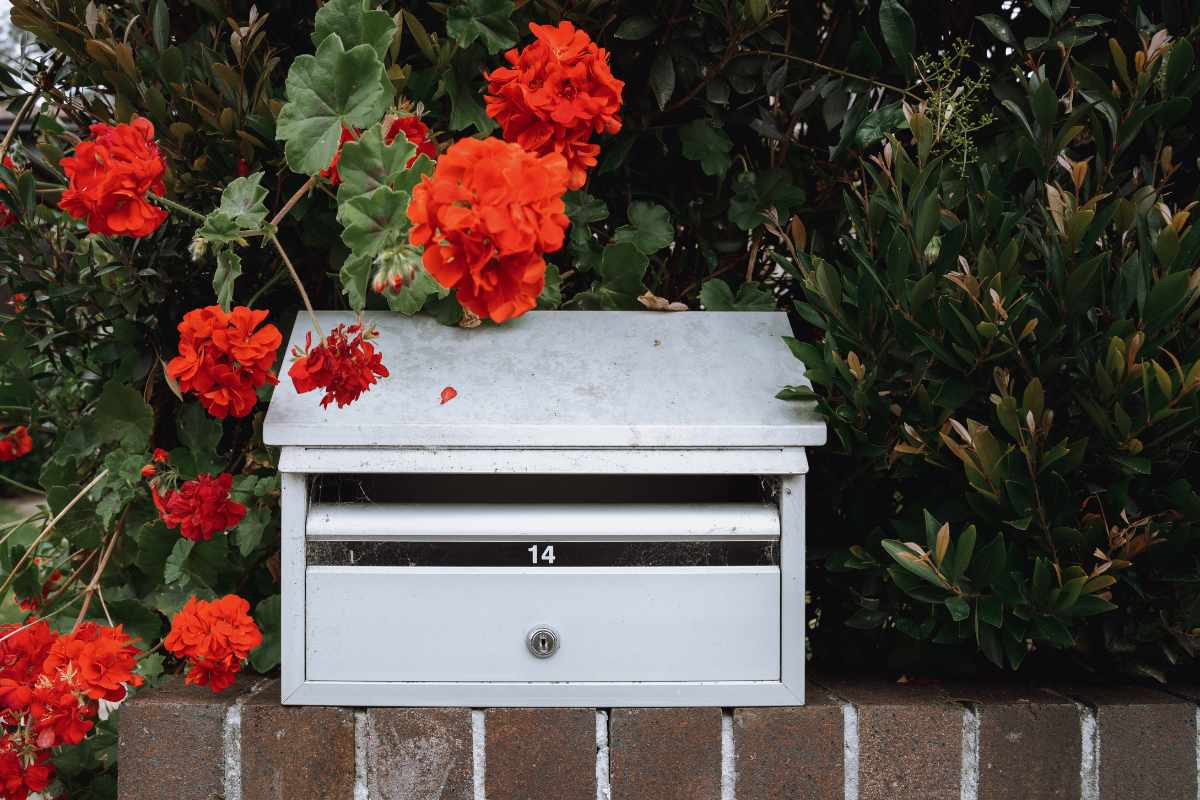
When designing your mailbox garden, think about the overall aesthetic you want to achieve. Mixing different heights, colors, and textures creates a dynamic and inviting display. Grouping flowers in odd numbers, such as planting three or five of the same variety together, can make the arrangement feel more natural.
Consider the color palette as well. Complementary colors, like purple and yellow or red and white, create striking contrasts, while analogous colors, like pink and purple, offer a softer, harmonious look.
Adding decorative elements, such as a small garden sign, decorative stones, or a charming border, can further enhance the space and tie the design together.
Did you find this post Useful or Inspiring? Save THIS PIN to your GARDENING Board on Pinterest!
More Gardening Tips 👇🏼👇🏼