
Easy Ways to Collect Rainwater in Your Garden


As custodians of our environment, the responsibility to weave sustainable practices into our gardening endeavors rests upon us.
Beyond the undeniable benefits bestowed upon the planet, embracing eco-conscious methods imparts a profound influence on the vitality and allure of our outdoor havens.
Of all the sustainable gardening practices out there, one of the most useful and accessible is using simple techniques to collect rainwater in your garden.
Here we will look more closely at these approaches, so you understand them well and get the most out of this eco-friendly project.
Smart and Easy: Harvest Rainwater for a Greener Garden
1. Rain Barrels: A Classic and Efficient Choice
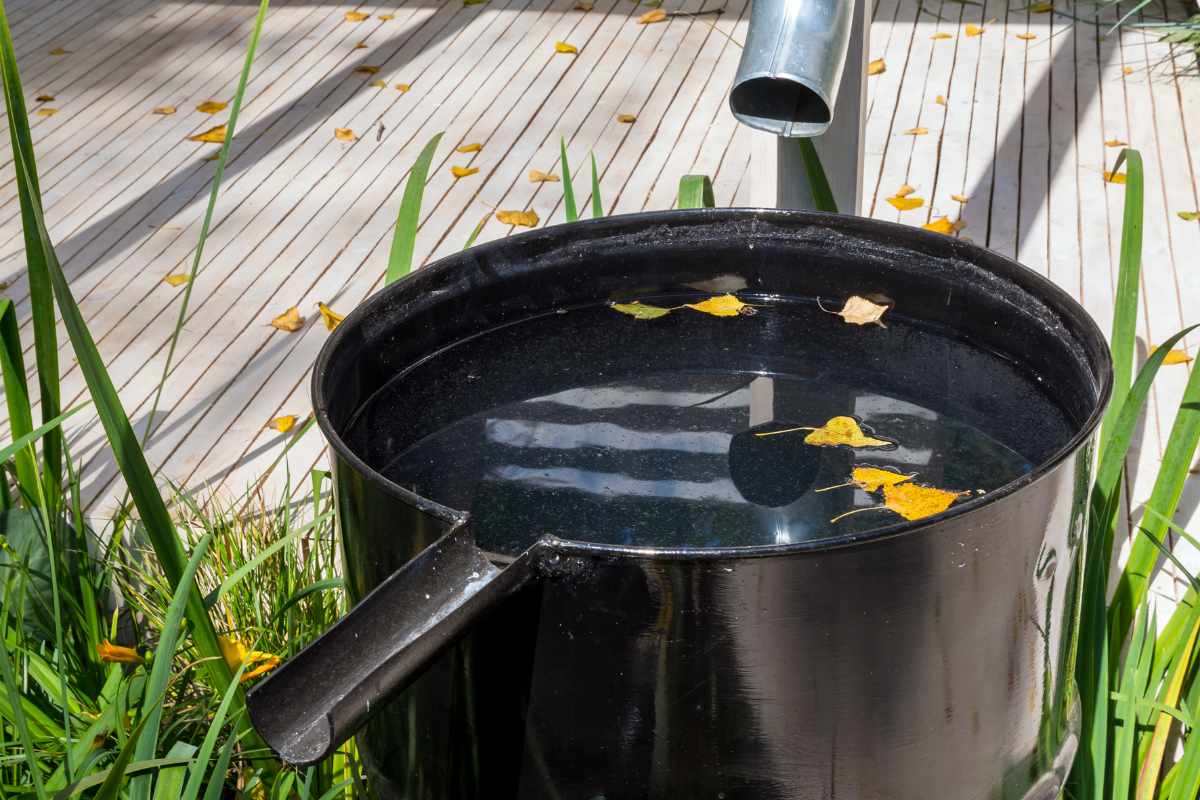
Rain barrels serve as stalwart guardians of rainwater, collecting it as it cascades from your roof.
These barrels, available in various sizes, can be strategically positioned under downspouts to capture substantial amounts of rain.
To enhance their functionality, install a fine mesh screen atop the barrels, preventing debris from entering and ensuring a cleaner water source for your garden.
2. Gutter Extensions: Directing Rainwater to Desired Areas
Gutter extensions offer a tailored approach to rainwater distribution.
By adding extensions or diverters to your existing gutter system, you have the flexibility to guide rainwater precisely where it's needed most.
This method not only conserves water but also reduces the need for supplemental irrigation, promoting resource efficiency in your garden.
3. Rain Chains: Functional and Aesthetic Water Diverters
Rain chains make rainwater harvesting look more attractive. Besides being decorative, these chains also work well to direct water.
As rainwater cascades down, the chains create a captivating visual and auditory experience.
Position them strategically under downspouts to combine beauty and functionality in a single eco-conscious solution.
4. Permeable Surfaces: Letting Rainwater Naturally Soak In
Opting for permeable surfaces goes beyond capturing rainwater – it actively facilitates its absorption into the soil.
Consider incorporating permeable materials, such as gravel paths or permeable pavers, into your garden design.
These surfaces allow rainwater to permeate the soil, replenishing groundwater and nurturing plant roots for sustained growth.
5. Rain Gardens: Purposeful Planting for Water Absorption
A rain garden is a purposefully designed area that harnesses the power of rainwater absorption.
By strategically planting water-loving vegetation in depressions or low-lying areas, you create a natural reservoir that prevents waterlogging in other sections of your garden.
Select native plants with deep roots to enhance water absorption and create a visually appealing and ecologically beneficial rain garden.
6. DIY Rainwater Harvesting Systems: Custom Solutions for Every Garden
For the hands-on gardener, crafting a DIY rainwater harvesting system adds a personal touch to sustainable practices.
Use recycled materials to fashion your gutters, downspouts, and collection containers, tailoring the system to your garden's specific needs and dimensions.
This hands-on approach not only promotes resourcefulness but also allows for customization based on your garden's unique requirements.

Embracing rainwater harvesting methods transforms your garden into a resilient and eco-friendly oasis.
By adopting these sustainable practices, you not only conserve water but also nurture a thriving ecosystem.
As you implement these strategies, watch your garden flourish with the abundance provided by nature, and revel in the satisfaction of contributing to a healthier, greener world.
Did you find this post Useful or Inspiring? Save THIS PIN to your GARDENING Board on Pinterest!
Once again, thank you for visiting our website!
We hope you've enjoyed exploring the content we've created for you.
Give yourself the chance to learn, get inspired, and have even more fun, keep browsing...
More Gardening Tips 👇🏼👇🏼