
English Daisy Plant Profile


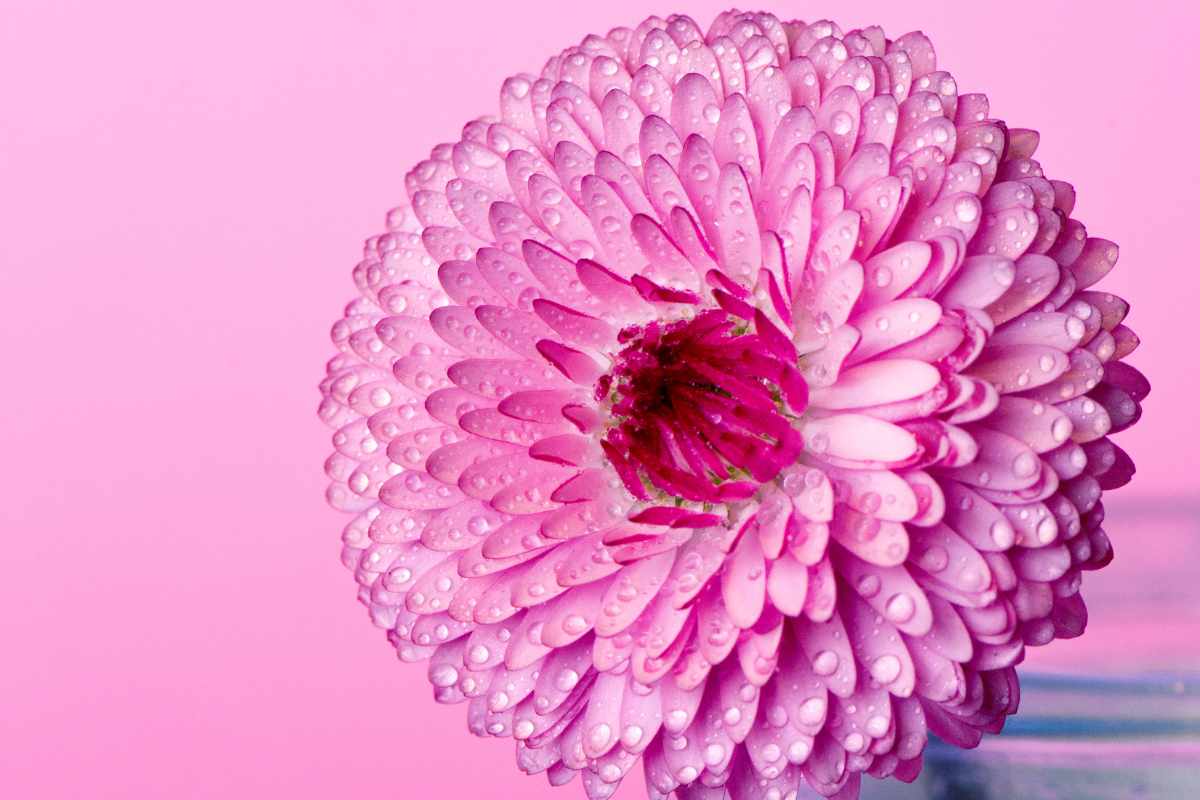
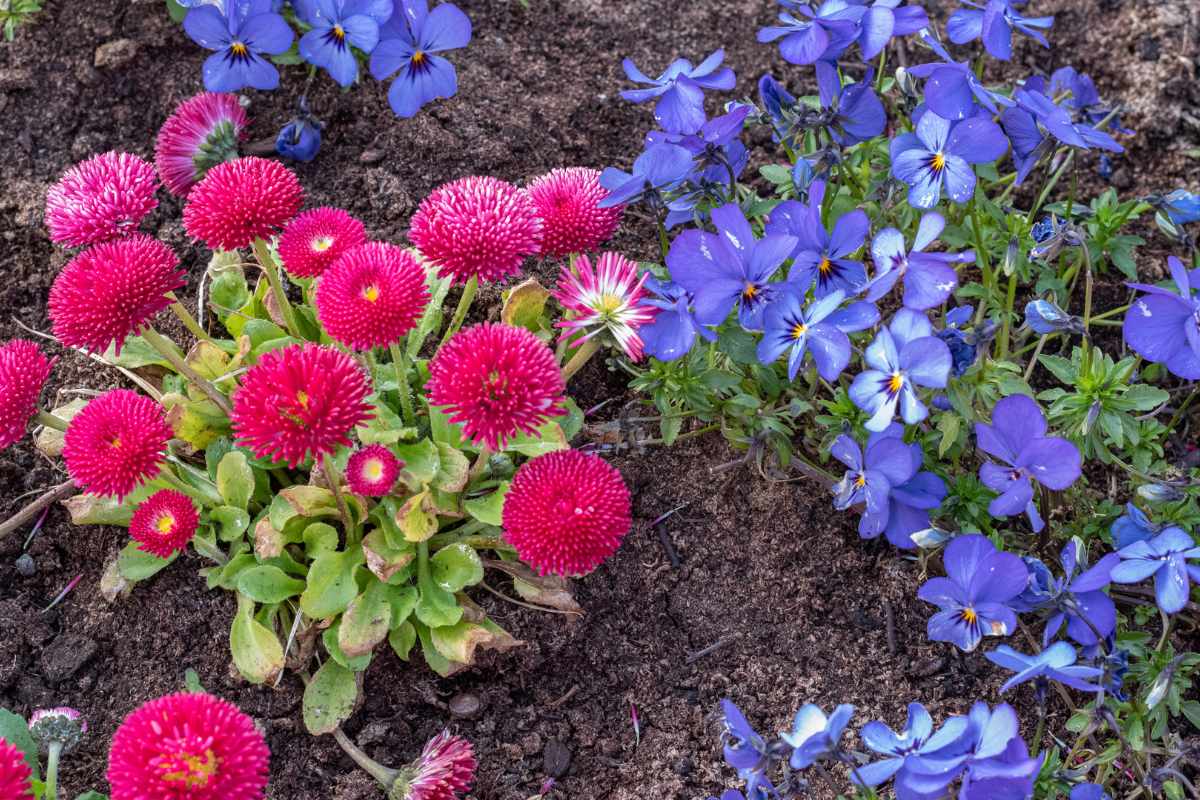
English daisy (Bellis perennis) is a charming, compact plant known for its pom-pom blooms in shades of pink, red, and white.
This short-lived perennial, often treated as a biennial, thrives in cool conditions, making it a favorite for early spring gardens.
While it’s hardy in USDA Zones 4–8, it flourishes in full sun to part shade and requires consistently moist, fertile, and well-drained soil to reach its full potential.
At a Glance (Quick-Care)
English daisies are versatile and easy to grow in the right conditions. Here’s a quick overview of their needs:
Botanical name: Bellis perennis (Asteraceae)
Zones: 4–8 (best in cool climates)
Life cycle: Short-lived perennial, often grown as a biennial or annual
Light: Full sun to part shade (afternoon shade in hotter regions)
Soil: Moist, fertile, well-drained; tolerates pH 6–8
Water: Keep evenly moist; not drought-tolerant
Height/Spread: Grows about 3–6 inches tall and 3–9 inches wide
Bloom window: Early spring, declines in heat
Deer/Rabbits: Generally ignored
Best uses: Ideal for spring bedding, edging, containers, and underplanting for spring bulbs
Planting & Site
Sun & Temperature
English daisies prefer cooler temperatures and grow best in full sun to part shade.
They can tolerate partial shade, but in hotter regions, giving them some afternoon shade will help maintain their health and prevent the blooms from fading too quickly.
These plants are sensitive to heat and tend to decline as summer temperatures rise, so in warmer climates, they are often treated as annuals or biennials.
If you live in an area with hot summers, it's important to plan your English daisies as early spring plants that will shine during the cooler months and decline as the temperatures increase.
Soil & Spacing
To ensure your English daisies thrive, plant them in moist, fertile, well-drained soil. They prefer a soil pH of 6 to 8.
When planting, space them 6 to 8 inches apart to allow for proper airflow and to prevent overcrowding.
Overcrowded plants can hinder growth and cause issues with fungal diseases.
Mulching lightly around the plants can help maintain soil moisture and keep the roots cool during the warmer months.

Water & Feeding
English daisies are not drought-tolerant, so they need consistent moisture to grow well. Ensure the soil is kept evenly moist—but not soggy. Over-watering can cause root rot, so it's important to find a balance.
If you're growing them in containers, you may need to water more frequently, especially during dry spells.
Fertilize lightly in early spring using a balanced fertilizer to encourage healthy growth and flowering. Be cautious with high-nitrogen fertilizers, as these can promote leaf growth at the expense of blooms.
In containers or poor soil, a light feed can help your daisies thrive during their bloom period.

Seasonal Care Calendar
English daisies have a clear growth cycle throughout the year. Here's a helpful care calendar:
Late Winter to Early Spring
If starting from seed, begin by indoor sowing about 6–10 weeks before your last expected frost.
Surface-sow the seeds, as they require light to germinate. Keep the soil at around 70°F, and expect germination in 10–25 days.
Spring
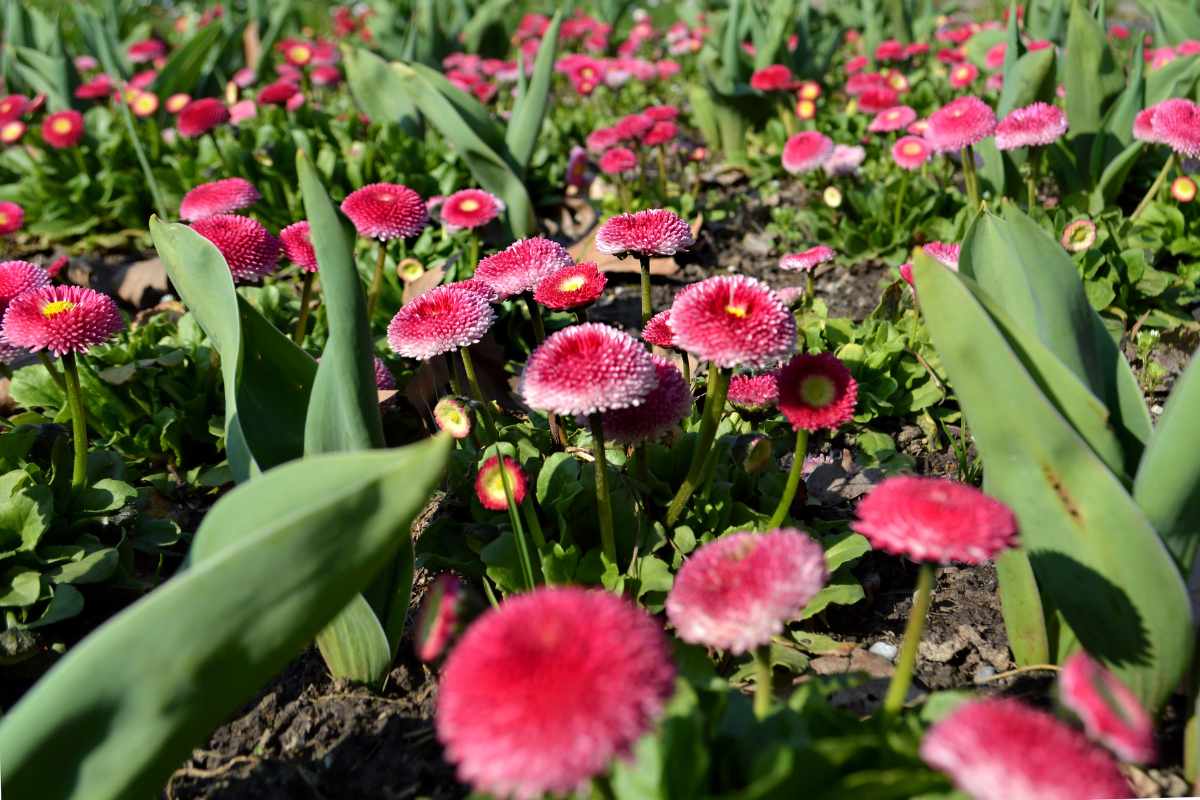
Transplant your hardened-off seedlings outdoors when the risk of frost has passed.
If you’ve purchased plants, they can be set out directly. Regular deadheading of spent flowers will keep the plants tidy and encourage them to keep blooming.
However, deadheading also limits self-seeding, which is useful if you want to control the plant's spread in your garden.
Early Summer
As temperatures rise, English daisies will begin to decline.
This is the time to either shear the plants lightly or replace them with summer annuals.
In regions with cool summers, daisies can persist a little longer, but in hot climates, they’ll be best replaced with heat-tolerant plants.
Early Fall (in cooler climates)
Fall is a great time for dividing the plants.
After they have finished blooming, carefully lift and divide any clumps to refresh them and multiply your plants for the next season.
If you want to grow more plants, you can also sow seeds in late summer or early fall for a spring bloom.

Propagation
English daisies are easy to propagate. Here are the main methods:
From Seed
Starting daisies from seed is the most common method. Surface-sow the seeds, as they need light to germinate.
If you’re starting indoors, sow about 6–10 weeks before your last frost date, and keep them at 70°F for best results.
Germination usually takes about 10–25 days.
By Division
Once your English daisies have established themselves, you can divide them to propagate new plants.
This should be done after blooming, in early fall, to help the new plants grow strong roots before the next season.
Containers & Design Ideas
English daisies are perfect for containers and small garden spaces. Here are a few simple planting ideas:
Cool-tone bowl (12"): Combine 5 English daisies, 5 violas, and a bit of trailing ivy for a soft, spring look.
Tulip underplanting (18"): Place 7–9 dwarf tulips at the center of the pot, surrounded by 8–10 English daisies for a layered effect.
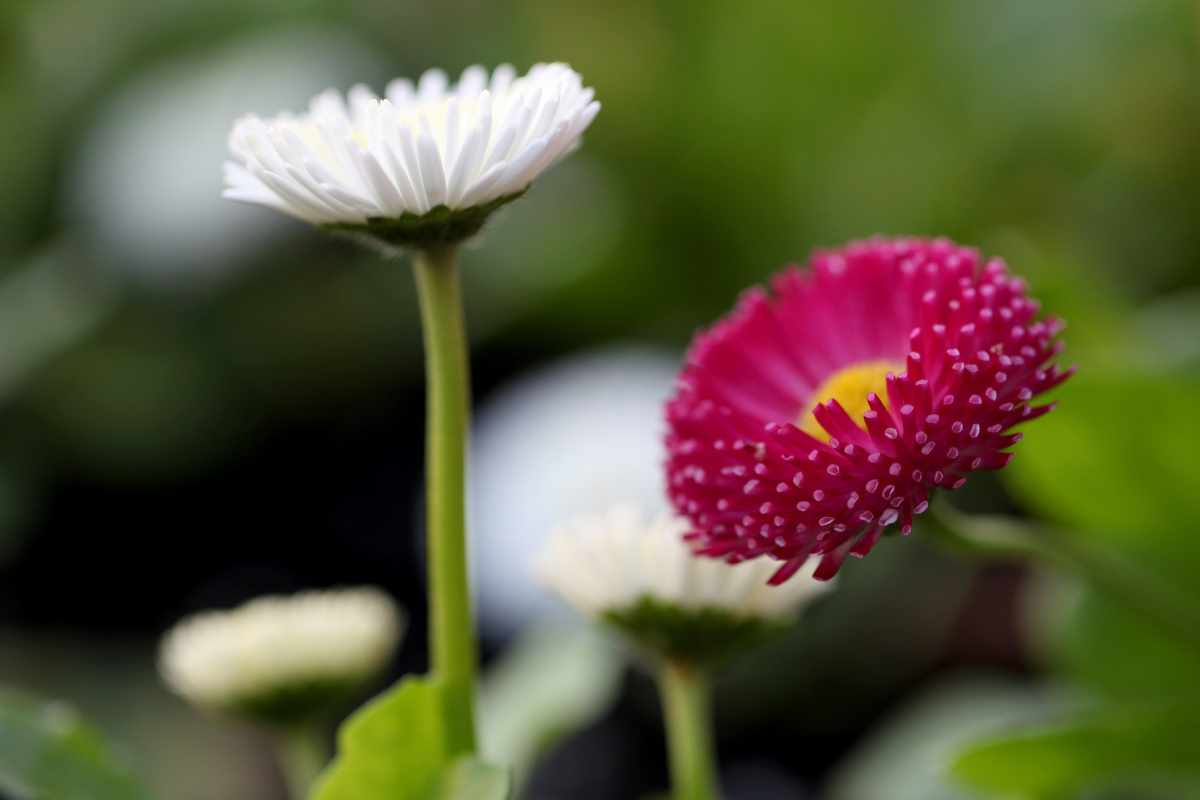
Candy-stripe window box (24"): Alternate red/white English daisies with blue forget-me-nots for a cheerful spring display.
These plants not only add early-season color but also work beautifully when paired with spring bulbs in containers or as an edging along garden paths.

Grooming, Spread & Longevity
To maintain your English daisies, regular deadheading of spent flowers is essential.
While this process doesn’t always extend the blooming period, it helps keep the plant neat and prevents it from spreading too aggressively through self-seeding.
In areas with cool summers or lawns, English daisies can sometimes naturalize, meaning they may spread beyond their original planting area.
If you’re concerned about them spreading, consider using edging to contain their growth or remove spent flowers before they have a chance to seed.
Varieties Worth Growing
Several varieties of English daisies offer unique characteristics:
‘Bellissima’ series – Known for their compact size and double, pom-pom blooms in shades of pink, red, and white, making them ideal for bedding and containers.
‘Tasso’, ‘Habanera’, ‘Pomponette’ – These popular double varieties provide vivid color in spring gardens, great for edging or underplanting bulbs.
Each variety adds its own charm to the garden, and selecting one or more can ensure a colorful spring display.
Common Problems
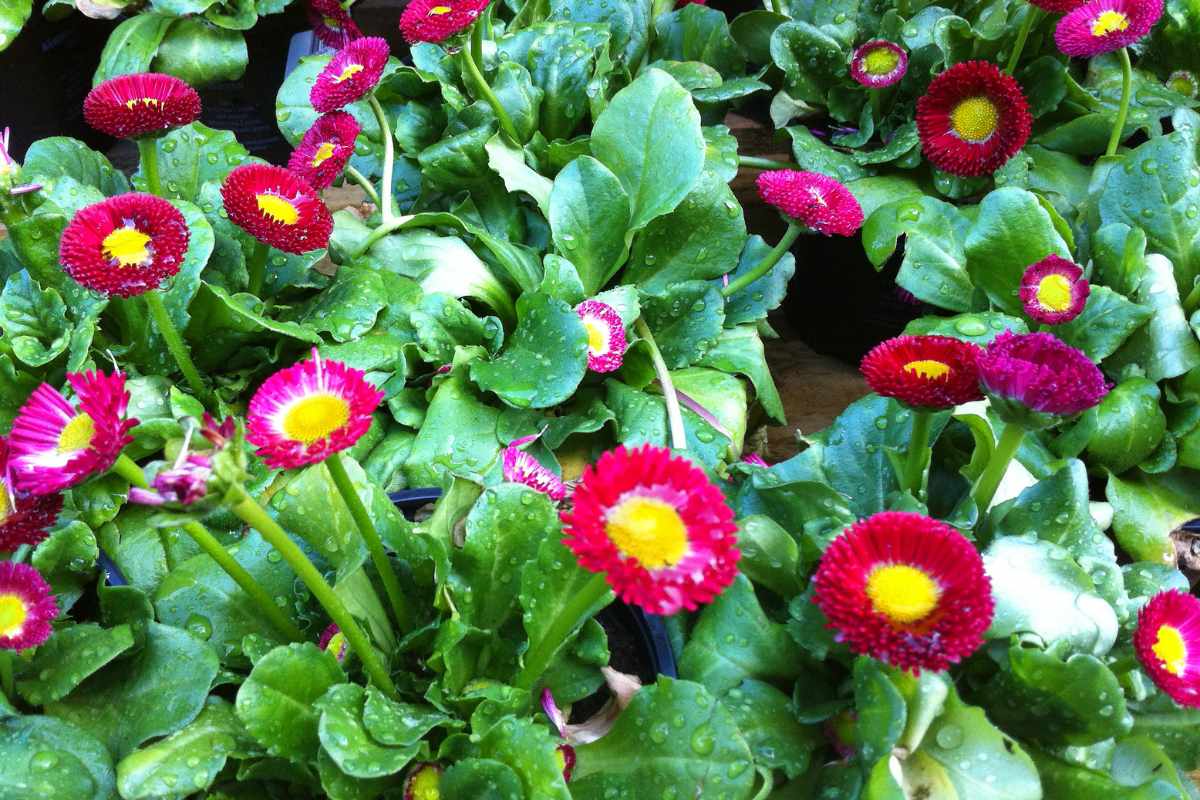
Despite being relatively low-maintenance, English daisies can face a few issues, especially during damp, cool spells:
Heat Stress & Drought: As temperatures rise, English daisies can suffer from heat stress. Ensure they have sufficient shade and moisture to thrive through the warmer months.
Rust: This fungal disease can sometimes affect English daisies. Improve airflow around plants and avoid overhead watering to reduce the risk.
Gray Mold (Botrytis): Prolonged damp conditions may lead to botrytis, especially if the plants are crowded. Thin plants for better airflow and remove any infected tissue promptly.
Slugs & Snails: Cool-season pests like slugs and snails may target young growth. Control these pests by using natural barriers or traps to prevent damage.
English Daisy vs. Shasta vs. Oxeye (Look-Alikes)
While English daisies are often confused with other daisies, they differ in a few key ways:
English daisy (Bellis perennis) – Smaller, mat-forming plants, with 3–6 inch blooms that appear in early spring. They are often grown in bedding or containers.
Shasta daisy (Leucanthemum × superbum) – Larger plants, often reaching 1–4 feet tall with summer blooms. These are hybrids that are known for their size and great cut flowers.
Oxeye daisy (Leucanthemum vulgare) – This wildflower features larger flowers and taller stems. It is more aggressive in spreading compared to the English daisy and blooms in late spring to early summer.
Being able to identify these look-alikes can help avoid confusion in your garden.

Safety, Pets & “Edible Flower” Notes
There’s some conflicting information about the edibility of English daisies. While some gardeners use young leaves or flowers sparingly in salads, it’s important to exercise caution:
Chrysanthemum species (another type of “daisy”) can be toxic to pets. Always ensure your garden plants are safe for animals and avoid consuming flowers that have been exposed to pesticides.
If you're unsure, it's always best to consult a reliable plant safety database before introducing any flowers to your pets’ environment.
Did you find this post Useful or Inspiring? Save THIS PIN to your Gardening Board on Pinterest! 😊

Once again, thank you for visiting our website!
We hope you've enjoyed exploring the content we've created for you.
Give yourself the chance to learn, get inspired, and have even more fun, keep browsing...
More Gardening Tips 👇🏼👇🏼