
Fall Lawn Care: Why Aeration & Overseeding Matter

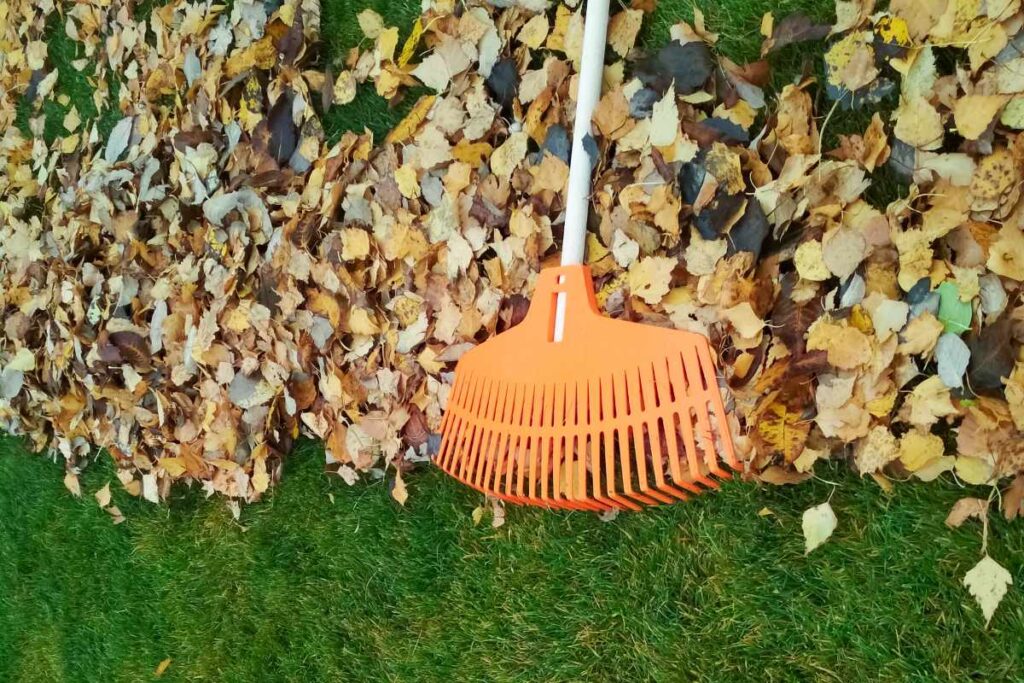
As summer fades and fall takes over with its rich colors, it's tempting to think your lawn care duties are winding down. But fall is a critical time for ensuring a healthy, green lawn that thrives come spring. Two important tasks that can make a big difference are aeration and overseeding.
These might sound like extra chores, but they’re essential for promoting long-term lawn health and resilience.
In this guide, we’ll dive into why these practices are so beneficial, how to do them properly, and how they can transform your lawn into a lush, vibrant landscape by the time spring rolls around.
Why Aeration is Essential in Fall Lawn Care
What is Aeration?
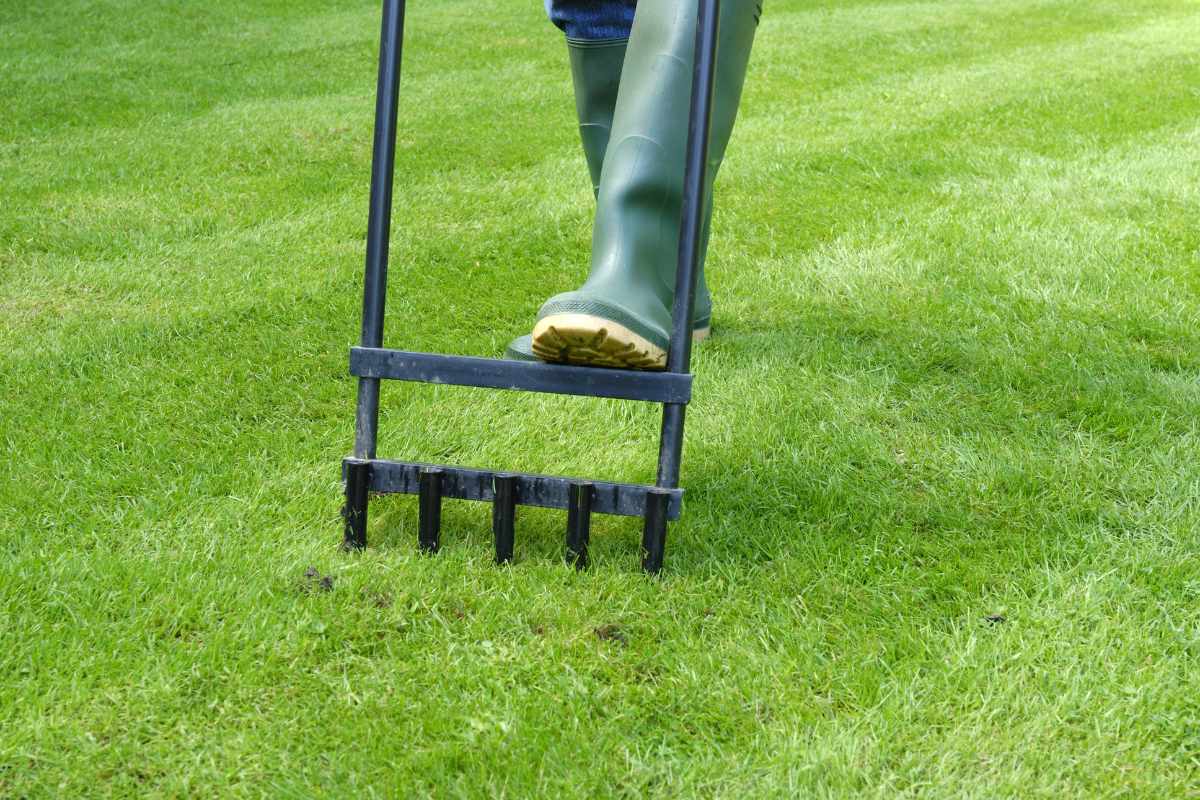
This process involves creating small holes in the soil to allow air, water, and nutrients to penetrate deep into the roots of your grass.
Over time, soil can become compacted due to foot traffic, heavy equipment, and even the natural settling process. This compaction restricts the flow of essential elements that grassroots need to grow strong and healthy.
Benefits of Aeration
- Improves Soil Structure: By reducing soil compaction, aeration helps the soil breathe, allowing roots to expand more easily.
- Enhances Nutrient Uptake: The holes created by aeration let water, fertilizer, and oxygen reach the roots more effectively, promoting healthier growth.
- Reduces Thatch Buildup: Thatch—a layer of dead grass, roots, and debris—can suffocate your lawn. Aeration helps break it up and keeps thatch from becoming a problem.
- Promotes Root Growth: With better access to water and nutrients, roots grow deeper, making your lawn more drought-resistant and resilient.
When to Aerate
The ideal time to aerate is in the fall, while the grass is still growing but the weather is cooler. This gives your lawn the chance to recover quickly and take advantage of the improved soil conditions before winter sets in.
The Importance of Overseeding in Fall Lawn Care
What is Overseeding?
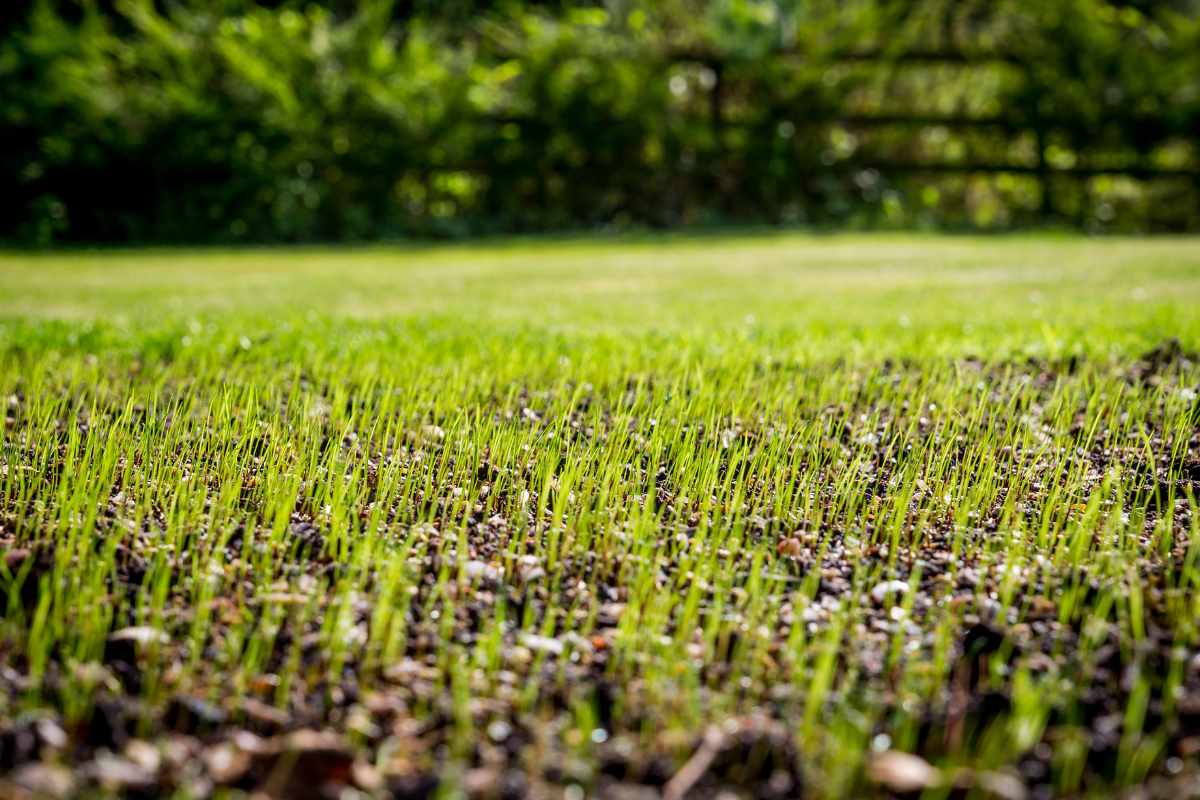
Overseeding involves spreading grass seed over an existing lawn, especially in areas with thin grass or bare patches. It helps fill in those gaps and encourages a thicker, more uniform lawn.
Benefits of Overseeding
- Thicker Lawn: Adding new grass makes your lawn look fuller and lusher.
- Increased Disease Resistance: A denser lawn leaves less room for pests, diseases, and weeds to invade.
- Improved Color: Many newer grass varieties offer richer colors and better drought resistance, enhancing your lawn’s appearance.
- Enhanced Recovery: After the stress of summer, overseeding gives your lawn a fresh start and prepares it for the colder months.
When to Overseed
Fall is the perfect time to be overseed. The soil is still warm, which promotes good seed germination, and cooler air temperatures are less stressful for young seedlings. This gives the new grass plenty of time to establish before winter.

How to Aerate and Overseed Your Lawn
Steps for Aeration
- Choose the Right Equipment: Manual aerators work well for small lawns, while powered aerators are better for larger areas.
- Prepare the Lawn: Mow your lawn to a shorter height and lightly water it the day before to make the soil easier to penetrate.
- Aerate the Lawn: Focus on areas with heavy foot traffic or compacted soil. Aim for 2-3 inches deep, with holes spaced about 3 inches apart.
- Remove Soil Plugs: The aerator will pull out small soil plugs, which you can leave on the lawn to decompose naturally, adding nutrients back into the soil.
Steps for Overseeding
- Select the Right Seed: Choose a grass seed that matches your current lawn and is appropriate for your climate.
- Prepare the Lawn: After aeration, rake the lawn to remove debris and smooth the surface for the new seeds.
- Spread the Seed: Use a broadcast spreader to evenly distribute the grass seed. Follow the seeding rate recommended by the seed manufacturer.
- Water Regularly: Keep the soil consistently moist to encourage the seeds to germinate. Water lightly but often until the new grass is well established.
Tips for Success
- Fertilize After Overseeding: Give your new grass a nutrient boost by applying a balanced fertilizer.
- Limit Foot Traffic: Try to stay off the lawn while the new grass is taking root.
- Monitor Growth: Keep an eye on the seedlings and continue watering until they are fully established.
Taking the time to aerate and overseed in the fall might feel like extra work, but the payoff is a healthier, more resilient lawn that will reward you come spring.

Did you find this post useful or Inspiring? Save THIS PIN to your GARDENING Board on Pinterest!

Once again, thank you for visiting our website!
We hope you've enjoyed exploring the content we've created for you.
Give yourself the chance to learn, get inspired, and have even more fun, keep browsing...
More Gardening Tips 👇🏼👇🏼