
Frost Damage in Fall Gardens - Prevention & Solutions

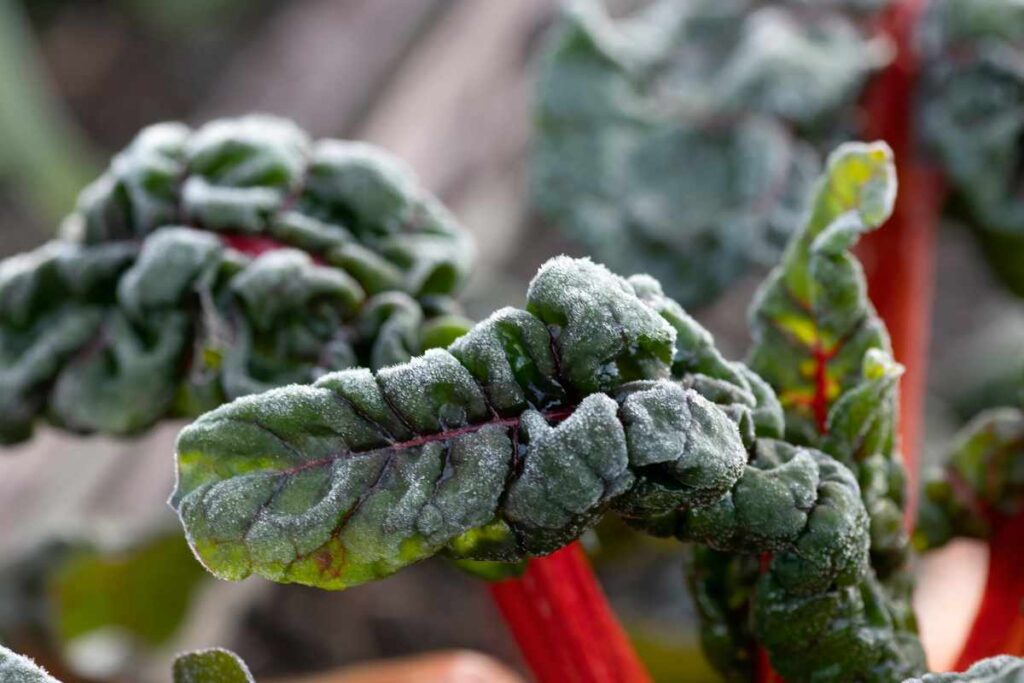
As autumn progresses and temperatures begin to drop, one of the biggest challenges gardeners face is the risk of frost damage.
Frost can have a significant impact on a fall garden, affecting everything from late-season vegetables to delicate perennials.
Understanding how frost forms, recognizing its effects, and knowing how to protect your plants are essential skills for any gardener.
In this article, we will explore the causes and signs of frost damage and provide practical tips for preventing and mitigating its impact on your garden.
Signs of Frost Damage
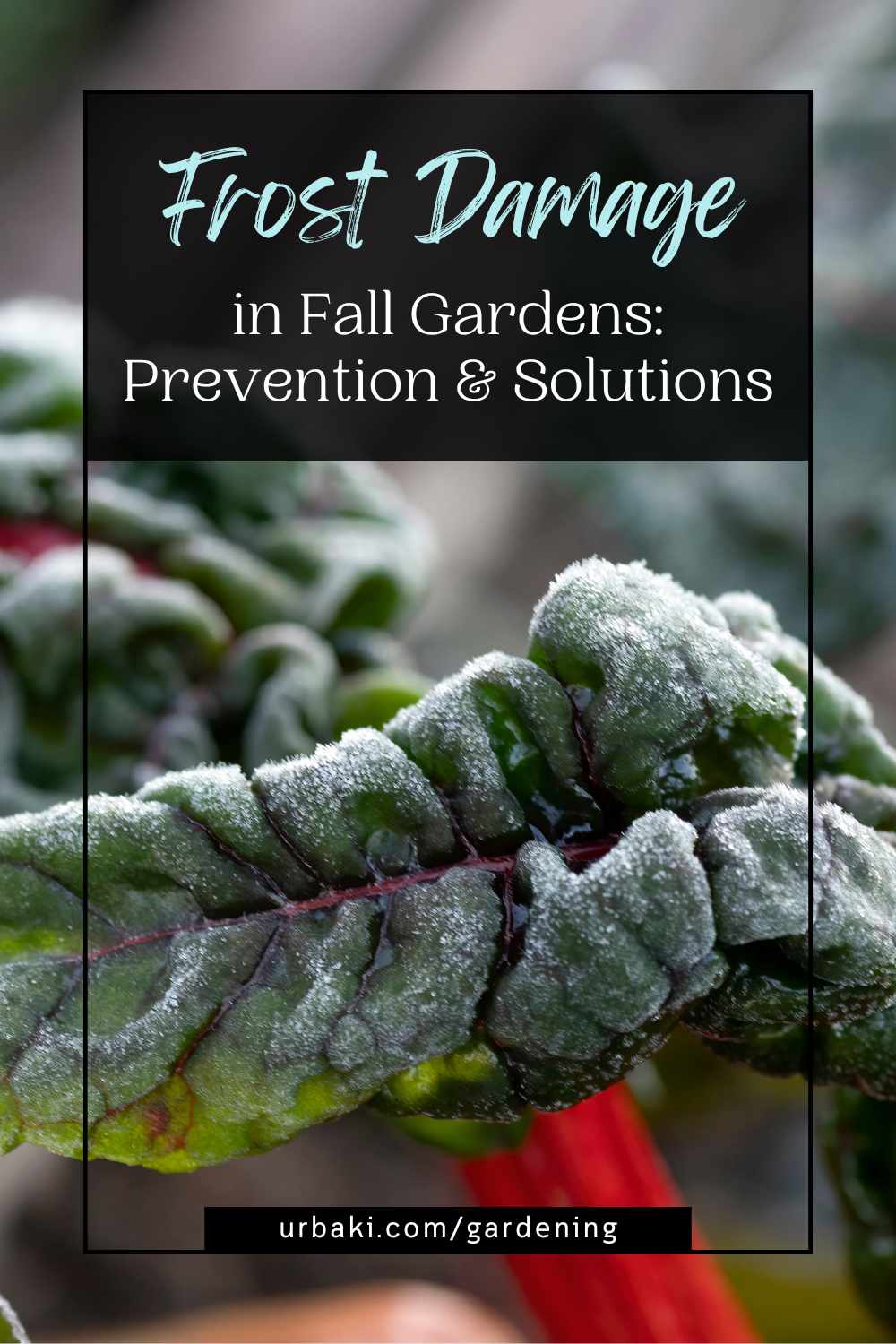
Frost occurs when the temperature near the ground drops to the freezing point of water, causing moisture in the air to condense and form ice crystals on surfaces like plant leaves.
This typically happens on clear, calm nights when there is no cloud cover to trap heat close to the ground.
Frost can be particularly harmful in the fall, as plants that thrived during the summer may not be ready for the sudden cold.
Recognizing the signs of frost damage can help you take prompt action to save your plants. Common indicators include:
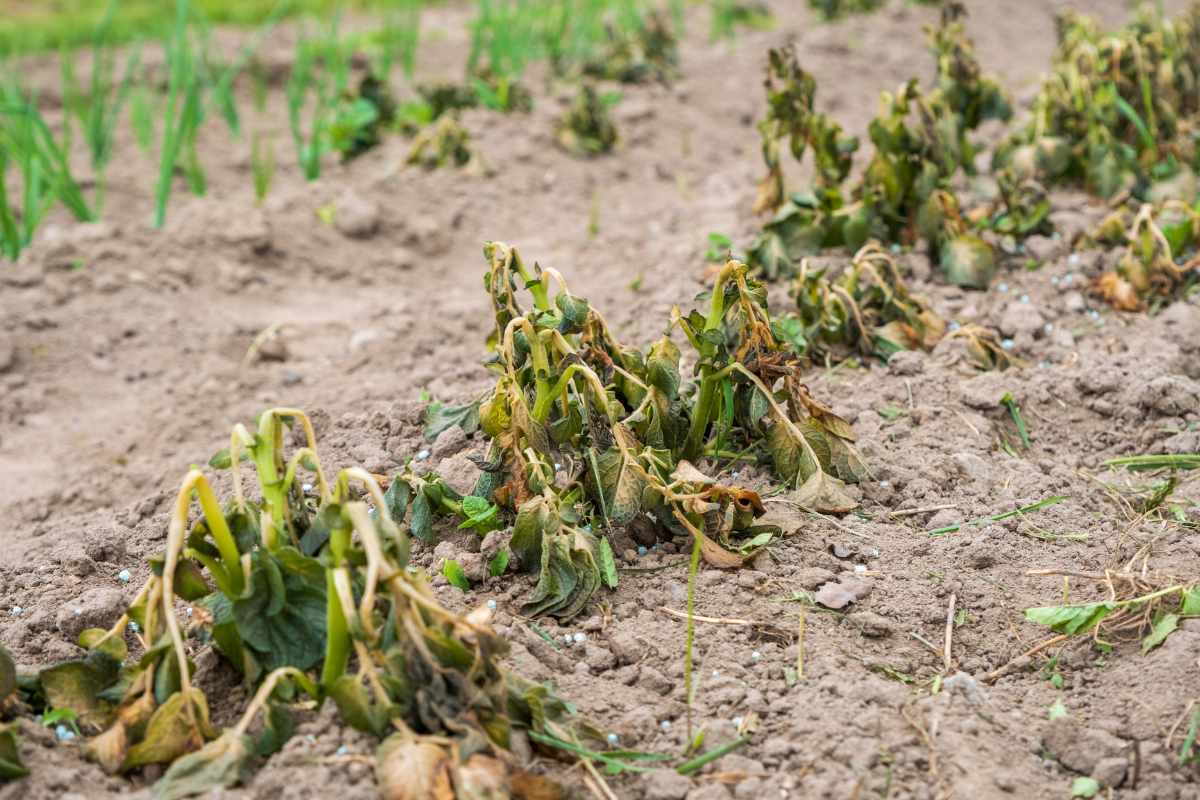
- Blackened Leaves: Frost-damaged leaves often turn black or dark brown and become wilted or mushy.
- Wilted Stems: The stems of affected plants may appear limp and discolored.
- Flower and Bud Damage: Flowers and buds may turn brown and fail to open.
- Root Damage: In severe cases, frost can damage the roots, affecting the plant’s overall health and growth.
Preventing Frost Damage
1. Monitor Weather Forecasts
Stay informed about upcoming weather conditions. Frost warnings or a forecast of clear, cold nights should prompt you to take protective measures.
2. Choose the Right Plants
Opt for frost-resistant plants in your fall garden. Certain vegetables like kale, Brussels sprouts, and carrots can tolerate frost and even improve in flavor after exposure to cold temperatures.
3. Mulching
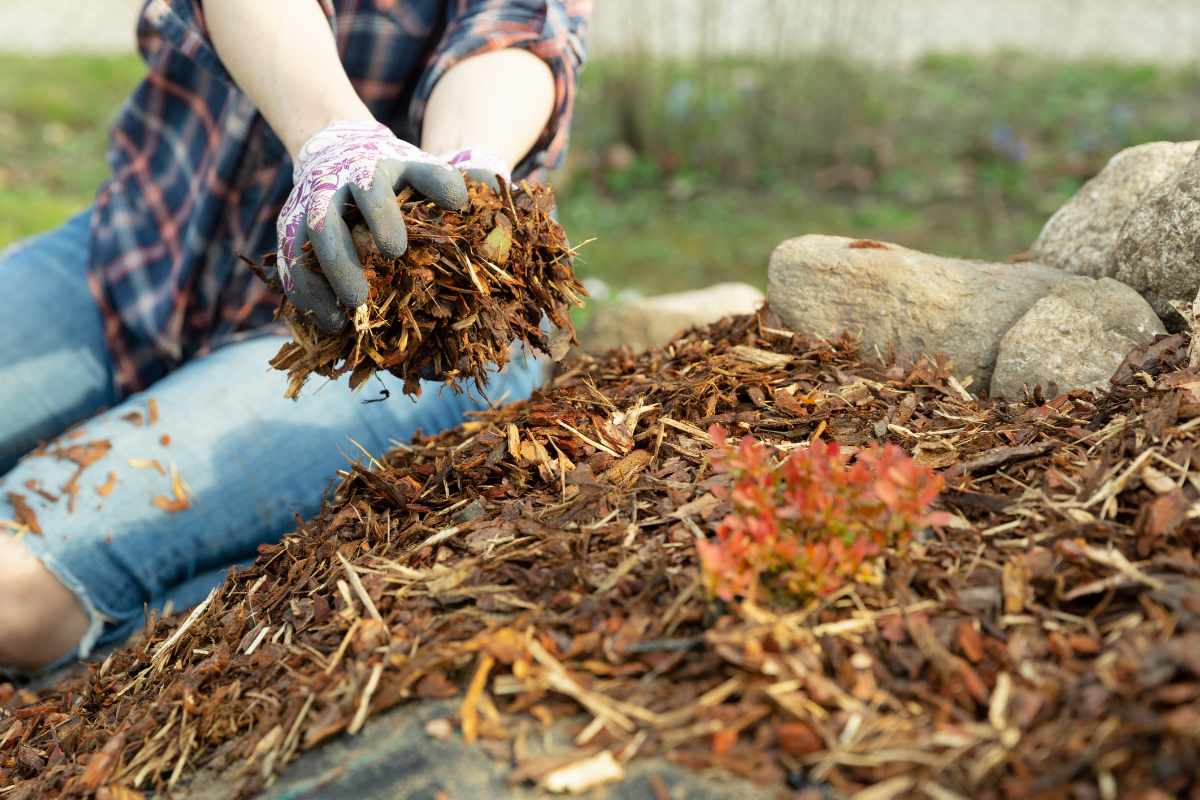
Apply a thick layer of mulch around the base of plants to insulate the roots and soil. Mulch helps retain moisture and moderate soil temperatures, reducing the risk of frost damage.
4. Watering
Water your plants thoroughly before a predicted frost. Moist soil retains heat better than dry soil, providing some protection against cold temperatures. However, avoid overwatering, as overly wet conditions can lead to other problems.
5. Covering Plants
Use frost blankets, row covers, or old bed sheets to cover vulnerable plants during frosty nights. Secure the covers to the ground to trap warmth. Remove the coverings during the day to allow sunlight and air circulation.
6. Use Cold Frames and Cloches
Cold frames and cloches act as mini-greenhouses, protecting plants from frost while allowing sunlight to reach them. These structures can be particularly useful for extending the growing season of delicate plants.
7. Relocate Potted Plants
Move potted plants to a sheltered location, such as a garage or porch, during cold nights. This can prevent frost damage and allow for continued growth.
Mitigating Frost Damage
If frost does manage to affect your plants, there are steps you can take to mitigate the damage:
1. Assess and Prune
Inspect your plants for signs of frost damage. Prune away blackened or damaged leaves and stems to prevent the spread of disease and encourage new growth.
2. Wait Before Replanting
If a plant appears severely damaged, give it some time before deciding to replace it. Some plants may recover once warmer temperatures return.
3. Provide Extra Care
Frost-damaged plants need extra care to recover. Ensure they receive adequate water and nutrients, and protect them from further stressors.
4. Replant Hardy Varieties
If you lose some plants to frost, consider replanting with hardier varieties that can better withstand cold temperatures.
Long-Term Strategies
To reduce the impact of frost on your garden in the future, consider implementing long-term strategies:
1. Create Microclimates
Use walls, fences, and hedges to create microclimates that can protect your garden from cold winds and frost. These structures can help trap heat and provide a more stable environment for your plants.
2. Invest in Perennials
Planting perennials that are suited to your climate can reduce the need for annual replanting and ensure that your garden remains resilient against frost.
3. Plan for Frost-Resistant Landscaping
Incorporate frost-resistant plants into your garden design. These plants can provide year-round interest and reduce the risk of frost damage.
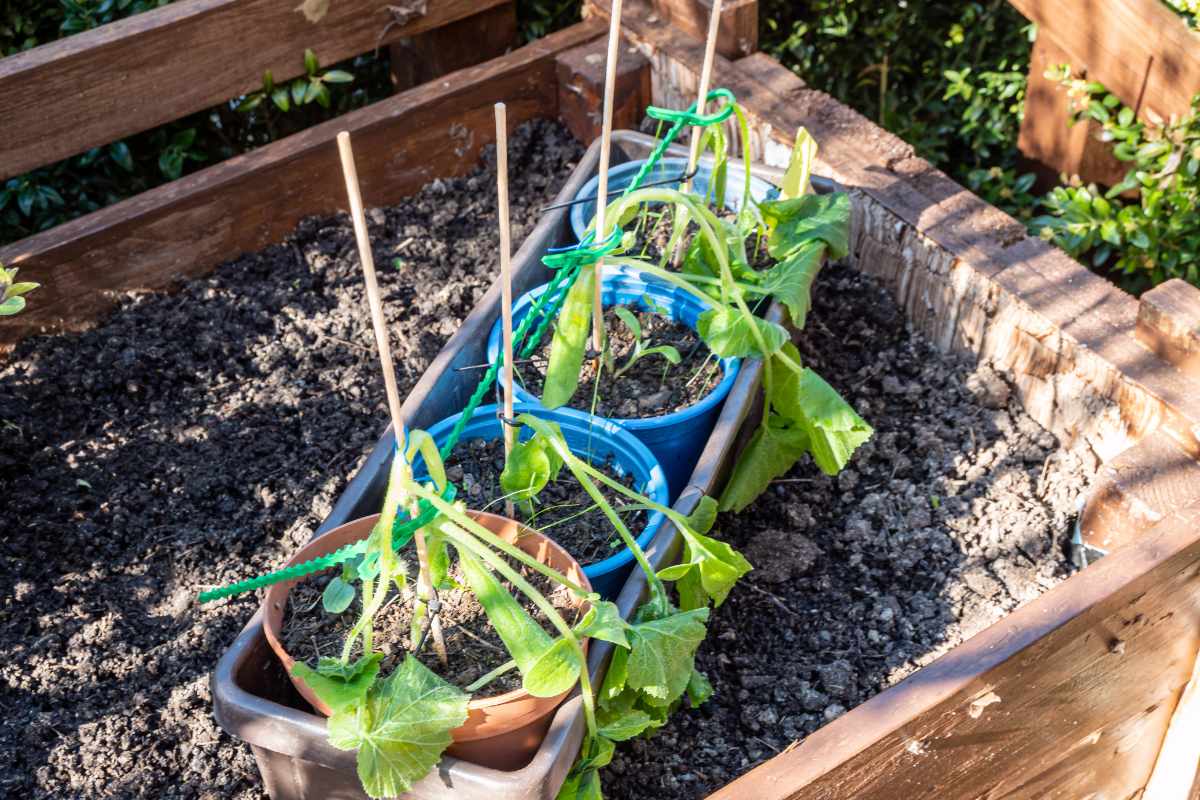
Frost damage is a common challenge for fall gardens, but with careful planning and proactive measures, you can protect your plants and minimize their impact.
By monitoring weather conditions, choosing the right plants, using protective coverings, and employing long-term strategies, you can enjoy a healthy, vibrant garden even as temperatures drop.
Embrace the changing seasons with confidence, knowing that you have the tools and knowledge to keep your garden thriving despite the frost.

Did you find this post Useful or Inspiring? Save THIS PIN to your GARDENING Board on Pinterest!
Once again, thank you for visiting our website!
We hope you've enjoyed exploring the content we've created for you.
Give yourself the chance to learn, get inspired, and have even more fun, keep browsing...
More Gardening Tips 👇🏼👇🏼