
Gardening for Apartment Dwellers Without Balconies

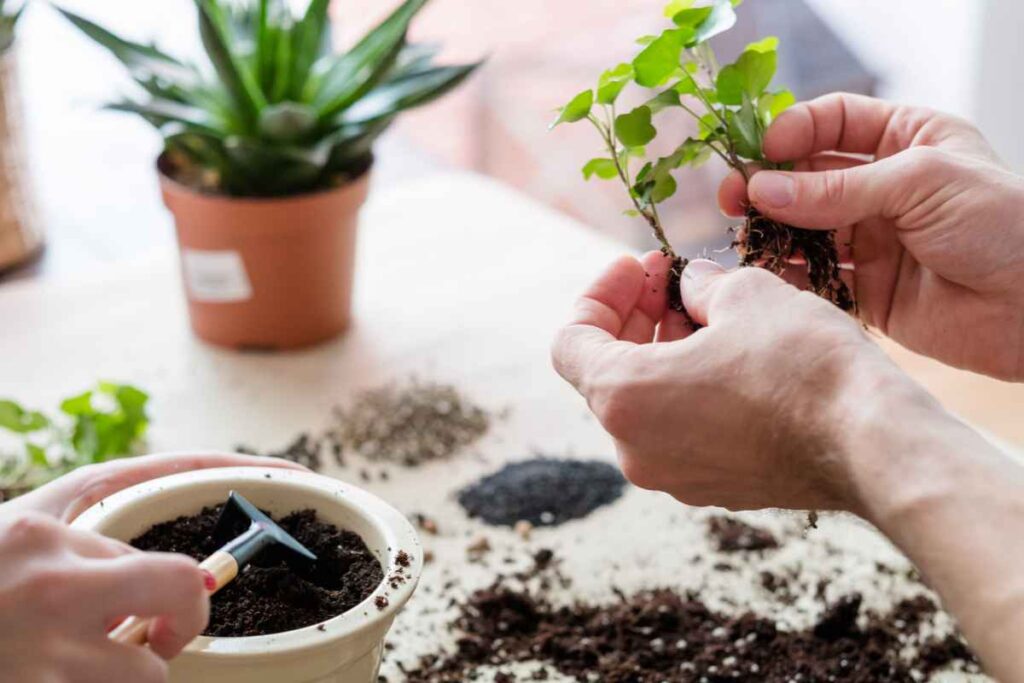
Living in an apartment without a balcony or outdoor space can sometimes feel limiting, especially for those with a passion for gardening.
However, the good news is that apartment gardening is entirely possible, even without access to a traditional garden or balcony.
Whether you’re looking to grow herbs, flowers, or even small vegetables, there are plenty of ways to create a thriving green space in your apartment. Let’s explore some innovative ideas for apartment dwellers without balconies.
Why Gardening Matters for Apartment Dwellers
Gardening offers a multitude of benefits beyond just beautifying your living space. Plants improve air quality by absorbing toxins and releasing oxygen, which can contribute to a healthier environment.
In addition to the aesthetic value, gardening can be a great stress reliever, providing a sense of tranquility and connection to nature.
For apartment dwellers, having indoor plants or a small indoor garden can help bring the outdoors in, creating a calming sanctuary within the hustle and bustle of city life.
The Basics of Indoor Gardening
Before jumping into specific ideas, it’s essential to understand a few basics of indoor gardening. Here’s what you need to keep in mind:
Light is Key
One of the most significant challenges when gardening indoors is ensuring that plants get the right amount of light. While some plants require full sunlight, others can thrive in lower light conditions.
South-facing windows typically receive the most light, while north-facing windows are the least bright. It’s important to consider the amount of natural light your apartment gets when choosing plants.
If natural light is limited, grow lights can provide the extra boost your plants need.
Choosing the Right Plants
Not all plants are suited for indoor environments. Some plants require specific conditions that may be difficult to replicate indoors.
For apartment dwellers, it’s best to choose low-maintenance plants that thrive in indoor conditions.
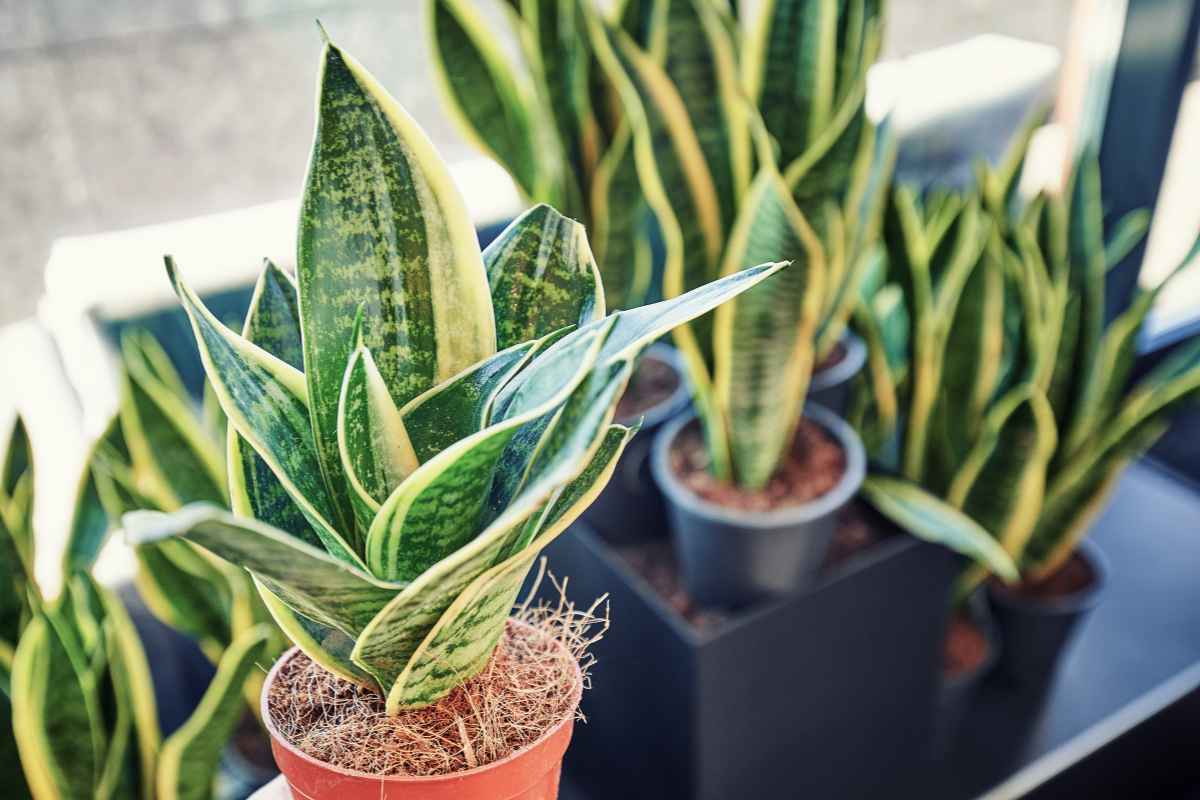
Consider plants like snake plants, spider plants, pothos, and succulents, which are known for being hardy and easy to care for.
Containers and Soil
For indoor gardening, containers are essential. You can use almost anything—pots, containers, or even repurposed items like jars or old mugs.
Just make sure the containers have proper drainage to prevent water from accumulating at the bottom, which could cause root rot.
Use a well-draining potting mix suited for indoor plants to give your greenery the best chance to thrive.
Creative Gardening Ideas for Apartment Dwellers
Even without a balcony, there are numerous creative ways to bring nature indoors. Here are some ideas to get you started.
1. Vertical Gardens
If space is limited, consider going vertical. Vertical gardens are a great way to maximize your apartment’s space while growing a variety of plants.
You can create a vertical garden using a trellis, shelves, or even hanging planters. Place plants like climbing ivy, vining tomatoes, or herbs along a wall or in small pockets of space.
A vertical garden not only adds greenery but also provides an attractive focal point for your apartment.
2. Windowsill Gardens
Many apartments have windowsills that are often underutilized. Turn your windowsill into a mini garden by planting small herbs like basil, parsley, and chives.
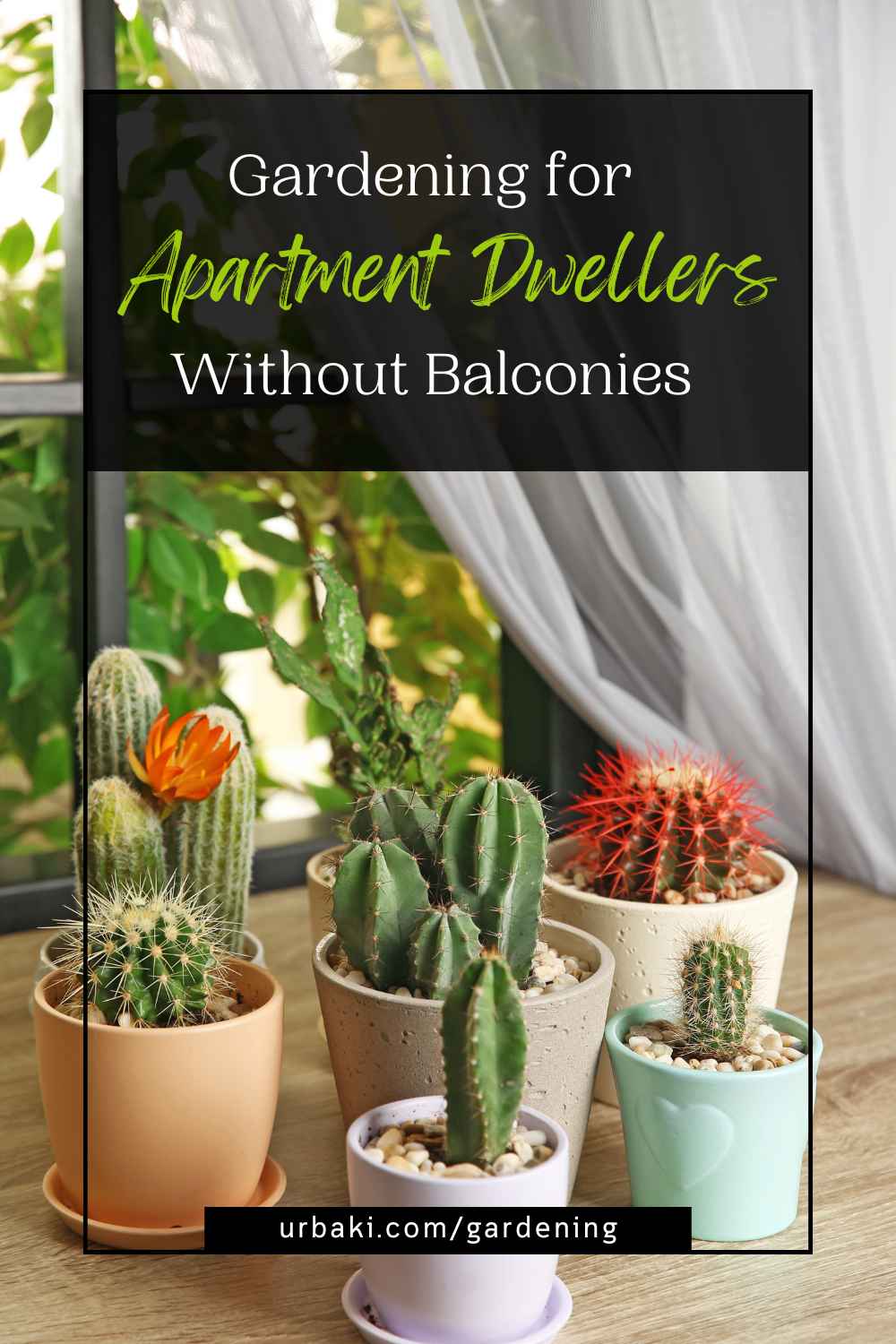
Herbs are perfect for small spaces and don’t require a lot of maintenance. Plus, they’ll add fresh flavors to your cooking. Another option for windowsills is to grow succulents or cacti, which thrive in sunny spots and don’t require frequent watering.
3. Hanging Planters
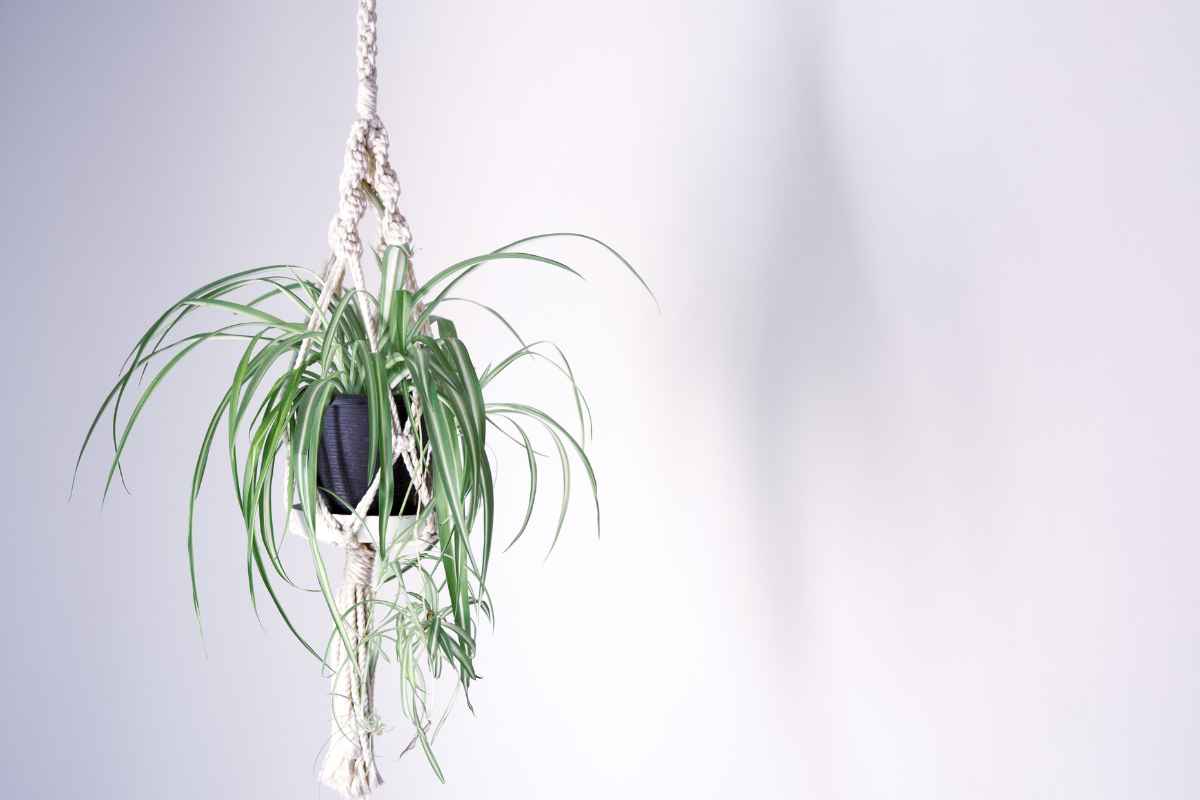
Hanging planters are an excellent way to save floor space while still adding plants to your apartment. You can hang plants from the ceiling, hooks, or even use window frames as a support.
Plants like ivy, fern, and trailing begonias look beautiful cascading down from above. Hanging planters work especially well in kitchens, living rooms, or even bathrooms, where they can thrive in humidity.
4. Tabletop Gardens
If you have a little bit of space on a table or counter, a tabletop garden can be a great option. You can create a small indoor garden by grouping several plants together on a table, or even use a tiered tray to arrange plants.
Consider growing a mix of flowers, herbs, or small vegetables like cherry tomatoes or lettuce. These mini gardens can serve as beautiful centerpieces while providing you with fresh greenery.
5. Herb Gardens in the Kitchen
The kitchen is the ideal place to grow herbs. You don’t need a lot of space to create your own herb garden. Window boxes or small containers placed near a sunny window can house a variety of herbs that are useful for cooking.
Fresh herbs like rosemary, thyme, oregano, and mint not only enhance your meals but also make your kitchen smell delightful.
You can even consider growing herbs in repurposed containers, like tin cans or mason jars, for a charming and rustic look.
6. Aquaponics and Hydroponics
For those who want to take their indoor gardening to the next level, hydroponics and aquaponics systems can be an excellent choice.
These systems allow you to grow plants without soil, using water-based solutions to deliver nutrients to the plants.
Hydroponics and aquaponics can be especially useful for growing leafy greens, herbs, and even small fruits indoors.
While the initial setup can be a bit more expensive and complex, it’s a fun and innovative way to grow food at home.
7. Terrariums
Terrariums are small, self-contained ecosystems that are perfect for apartment dwellers.
These miniature gardens are typically housed in glass containers and can include a variety of plants, such as ferns, moss, or succulents. Terrariums are low-maintenance, requiring minimal watering and care.
They make for beautiful decorative pieces that add a touch of nature to your apartment without taking up much space.
Maintaining Your Indoor Garden
Maintaining an indoor garden requires some attention and care, but it’s not difficult once you get the hang of it. Here are a few tips to keep your plants happy:
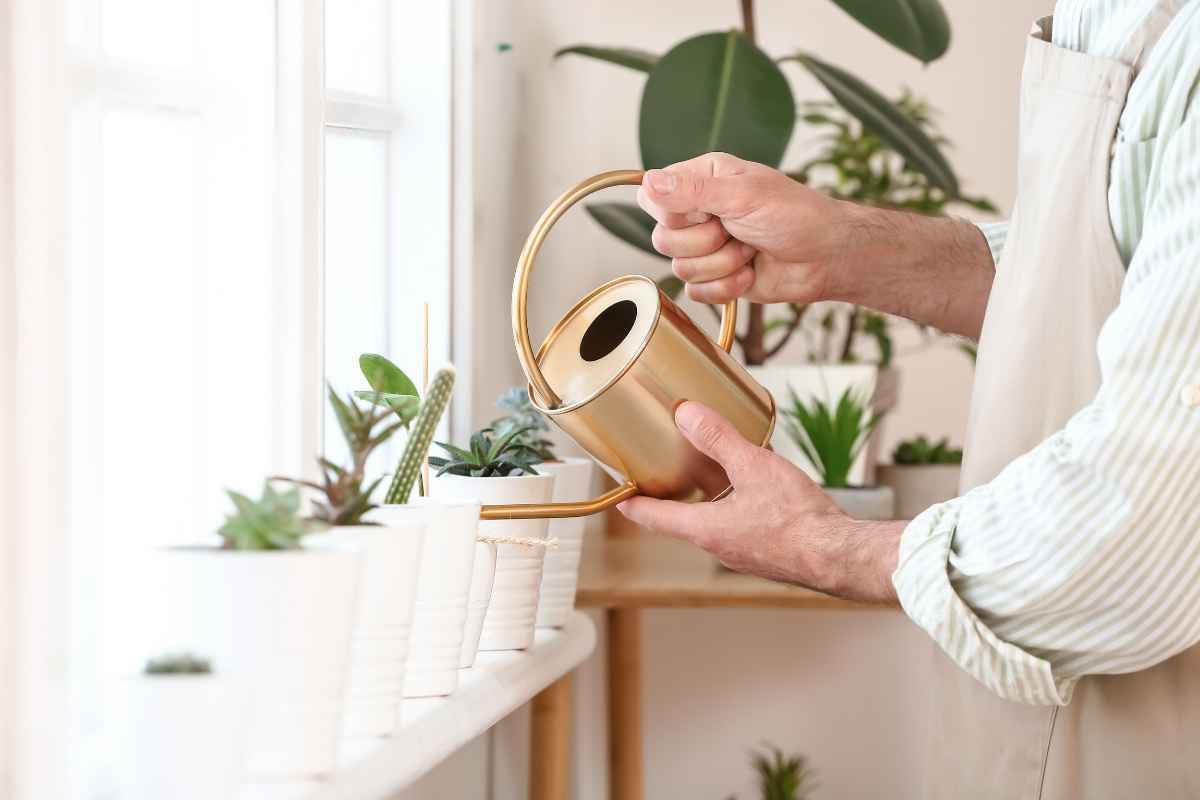
Watering: Indoor plants typically need less water than outdoor plants, so avoid overwatering. Make sure to check the moisture level of the soil before watering.
Fertilizing: Indoor plants don’t have the same access to natural nutrients as outdoor plants, so consider using a liquid fertilizer every few weeks to support growth.
Pruning: Keep your plants tidy by trimming dead or overgrown leaves. This will help maintain their shape and encourage new growth.
Cleaning: Dust can accumulate on plants and leaves, blocking sunlight. Gently wipe down leaves with a damp cloth to keep them clean and healthy.
Gardening in an apartment without a balcony is entirely possible with a little creativity and effort. Whether you use vertical gardens, windowsill plantings, or hydroponics systems, there are many ways to bring greenery into your home.
Not only does gardening improve the aesthetic of your living space, but it also contributes to a healthier, more relaxing environment.
By choosing the right plants and making the most of your available space, you can enjoy the benefits of gardening even in the heart of the city.
Did you find this post useful or inspiring? Save THIS PIN to your GARDEN Board on Pinterest!
More Gardening Tips 👇🏼👇🏼