
Gardening Without Water - Survival Strategies

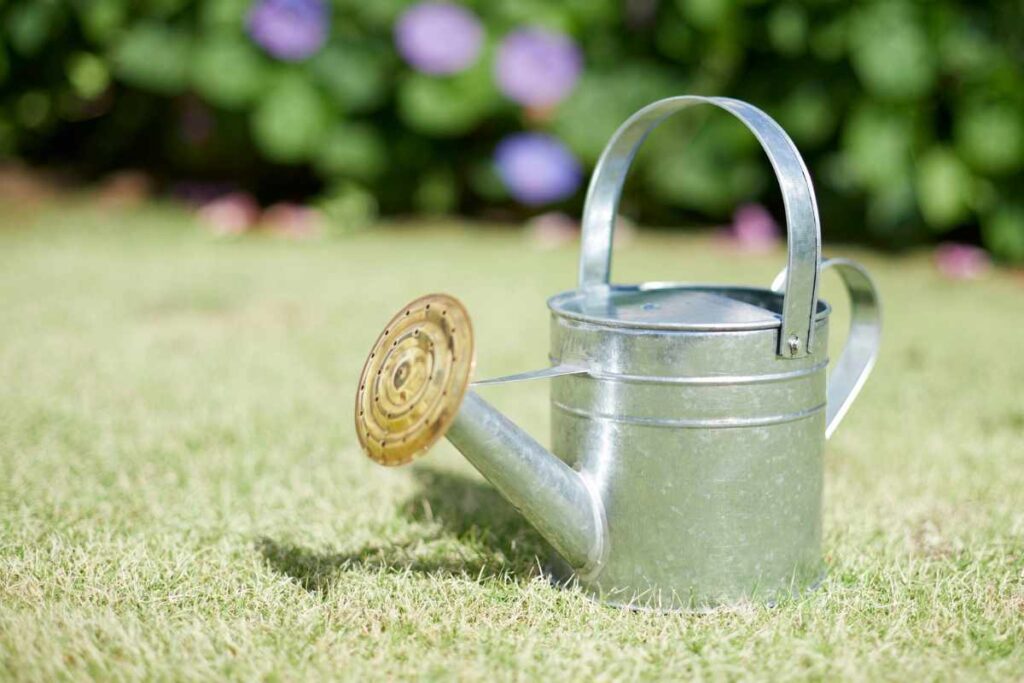
Gardening without a reliable water source may sound like an impossible task, but with the right strategies and mindset, it becomes a creative challenge rather than a frustrating limitation.
In many regions across the world, gardeners face long periods of drought, unpredictable rainfall, or even restrictions on water use.
Yet, these conditions don’t mean you have to give up on growing things altogether.
With a mix of thoughtful planning, plant selection, and smart techniques, it’s entirely possible to maintain a garden that not only survives dry spells but continues to thrive.
Understanding how to conserve moisture, work with your environment, and select resilient species makes a major difference in long-term success.
Adapting to Dry Conditions from the Ground Up
Every resilient garden starts with healthy, functional soil. In water-scarce conditions, improving the soil becomes a top priority.
Traditional gardening focuses heavily on irrigation, but when that’s not an option, the soil itself must do more of the work in retaining and delivering moisture.
Adding organic matter like compost, leaf mold, or well-aged manure increases the soil’s ability to hold water. This creates a sponge-like structure beneath the surface, reducing runoff and evaporation.
Even in sandy areas, repeated applications over time can transform dry ground into a more hospitable base for growing.
Avoid turning or disturbing the soil too often, as this exposes moisture to air and speeds up evaporation. Building and preserving soil life is key to keeping underground moisture stable.
Selecting Plants That Can Handle Drought
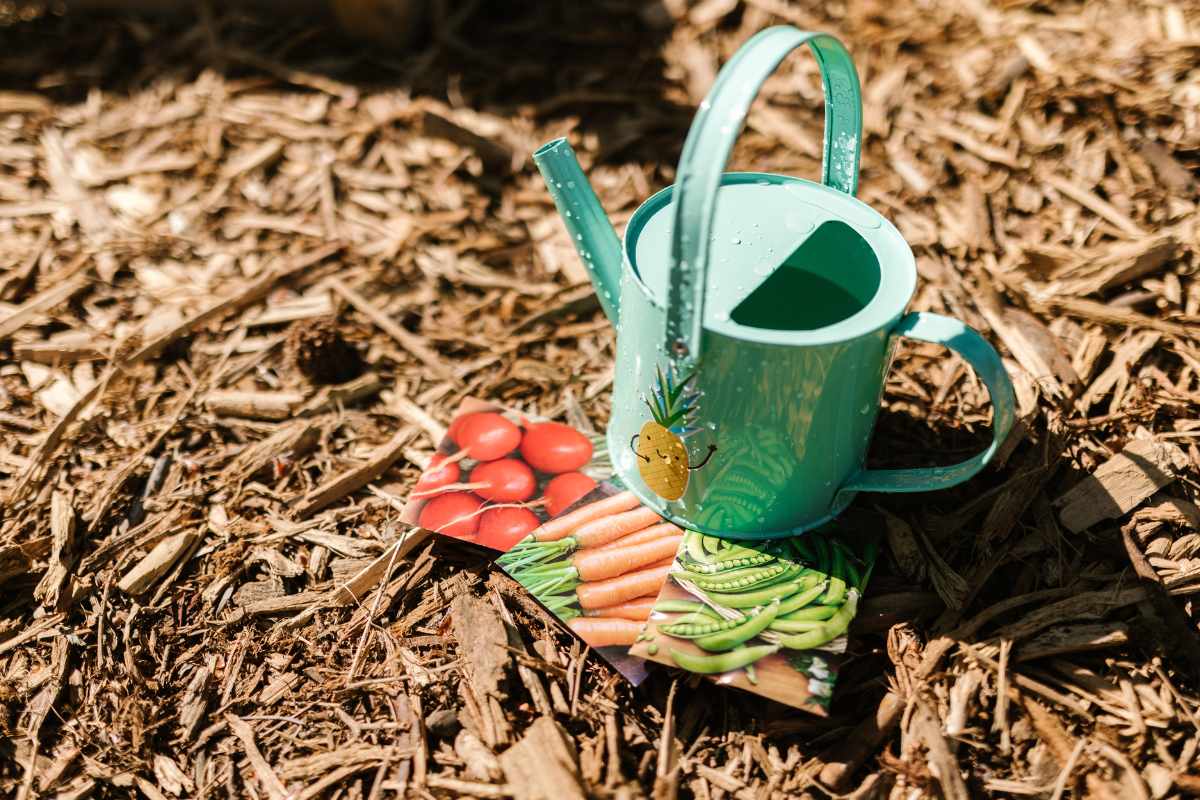
Plant selection is one of the most effective ways to minimize the need for watering. When water is scarce, choosing species that evolved in dry environments is your best defense. These plants have built-in adaptations like thick leaves, deep roots, or waxy coatings that help them conserve internal moisture.
Native plants are usually a great place to start. Since they’ve adapted to local weather patterns, they can often withstand drought with little or no help.
Mediterranean herbs such as lavender, sage, thyme, and oregano thrive in dry climates and add fragrance and beauty to the garden.
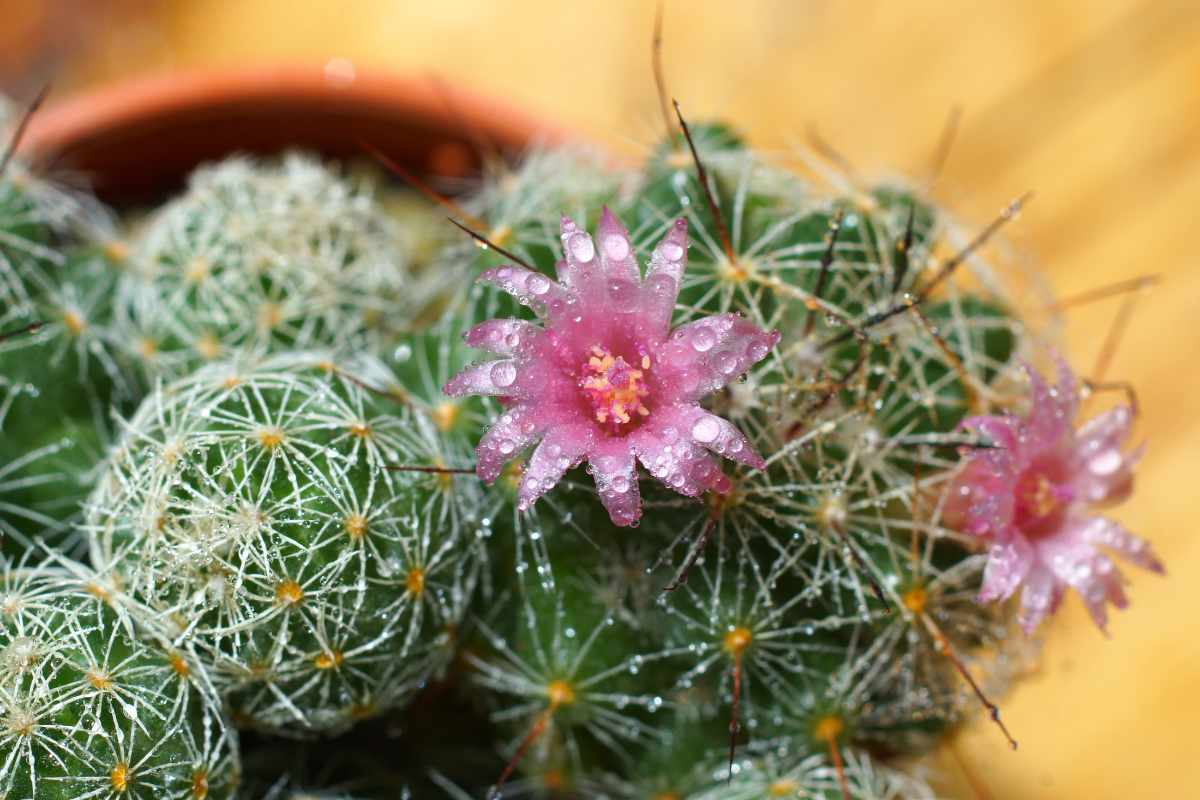
Ornamental grasses, succulents, and shrubs like rosemary or Russian sage not only cope with arid conditions but also bring texture and movement to the space. Even certain flowering plants like blanket flower or echinacea tolerate heat and dryness remarkably well once established.
Working with Shade and Microclimates
Creating shade is an often-overlooked method for protecting a garden during dry weather. While full sun may seem ideal for many plants, intense and prolonged exposure in water-limited areas can stress them quickly. Providing filtered light or partial coverage gives sensitive plants a better chance to flourish.
Trees, trellises, and even strategically placed rocks or fences can help break the intensity of the midday sun. Some gardeners use light-colored ground coverings to reflect heat away from delicate species.
Taking advantage of microclimates around your property can also be a game-changer. Areas close to walls or patios often retain warmth at night, helping keep soil temperatures more consistent.
Slight depressions in the land may collect condensation or hold moisture longer. Observing these subtleties allows you to position plants where they naturally have a better chance of success.
Maximizing Water You Do Have
When you can’t rely on regular irrigation, every drop counts. Capturing and storing water becomes a vital part of drought survival. Even brief rains can be harvested efficiently using barrels, tanks, or underground cisterns.
Simple systems that collect runoff from rooftops provide valuable reserves when you need them most.
Beyond rainwater, greywater systems offer another solution. With care and proper filtration, water from sinks, showers, or laundry can be redirected to landscape plants.
Using biodegradable soaps is essential to avoid harming the soil or vegetation.
Once water is applied, it’s important to keep it in the ground as long as possible. Apply water slowly and directly to the base of plants, avoiding overhead sprinkling that evaporates quickly.
Deep, infrequent watering helps train roots to grow downward, making plants more drought-resilient over time.
Protecting the Soil Surface with Mulch
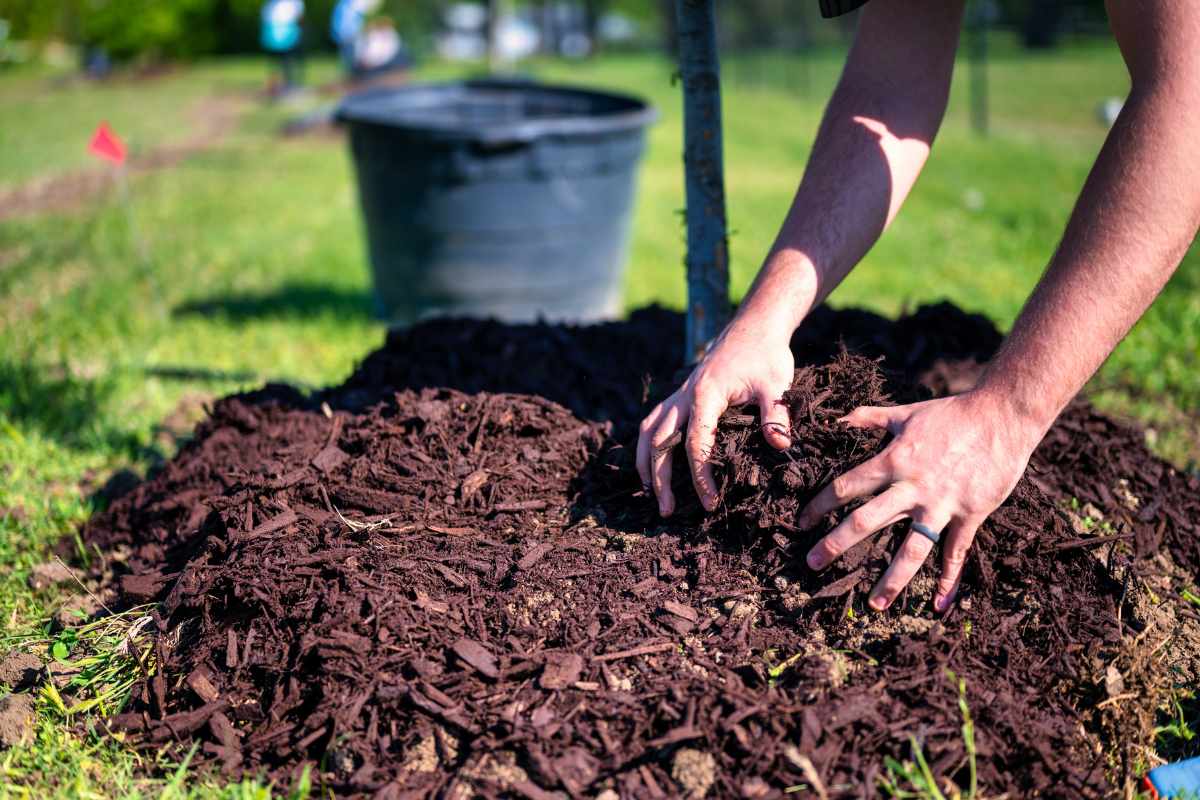
Mulching is one of the simplest and most effective steps a dry-climate gardener can take. Covering the soil surface protects it from sun exposure, wind, and sudden temperature changes, all of which contribute to moisture loss.
Organic mulches like bark, straw, pine needles, or shredded leaves break down slowly, adding nutrients while keeping the soil cool.
In very dry areas, even inorganic options like gravel or crushed stone can be beneficial, especially around drought-tolerant plants.
Reapply mulch as needed, especially after windstorms or heavy rain. A thick layer of mulch also prevents weeds from taking over, which helps reduce competition for precious water.
Changing the Way You Think About Garden Design
Traditional gardens often rely on lush lawns and densely packed flower beds. In water-scarce regions, rethinking layout and embracing minimalism can be the secret to long-term success.
Spacing plants farther apart allows for better airflow, deeper root development, and less competition for resources.
Designing with visual balance in mind—using a mix of height, shape, and color—ensures beauty without the need for constant maintenance or watering.
Gravel paths, large decorative stones, and container groupings help define structure while keeping open areas easy to manage. Many gardeners discover that low-water landscapes can be just as artistic and expressive as more conventional styles.
Supporting Growth Through Seasonal Shifts
Drought conditions can vary by season, so adjusting your gardening rhythm to match natural weather patterns makes sense. In some places, rainfall is more likely during winter or early spring. That’s the best time to plant new additions or move established ones.
During the hottest months, the focus shifts to preservation and observation.
Prune only when necessary, and avoid disturbing roots or adding stress. Let your garden rest and adapt, just as the native plants around you do.
Over time, you’ll develop a deeper understanding of how your environment responds to different conditions. This knowledge helps you work with nature instead of constantly battling against it.
Learning from Those Who Garden with Less
People have been cultivating food and beauty in dry environments for centuries. From the terraced plots of North Africa to the water-smart techniques used in Australia or the American Southwest, there’s a long tradition of resourceful gardening in tough conditions.
Studying these methods can inspire modern solutions, even in urban settings.
Wicking beds, olla pots, and sunken beds all help deliver moisture directly where it's needed, reducing waste and promoting steady growth.
Connecting with gardeners who share your climate or challenges opens up a valuable source of knowledge. Online forums, local gardening groups, or community gardens are full of insights gained through experience.
Building a Resilient Garden Philosophy
Gardening without water forces a shift in mindset. Instead of expecting rapid results or constant lushness, it encourages patience, intention, and appreciation for every sign of life.
Watching a plant push through tough soil and bloom in the heat becomes a quiet celebration.
This approach builds resilience—not just in your plants, but in your relationship with the land. You begin to understand cycles, adapt more easily, and find satisfaction in small victories.
Ultimately, gardening in dry conditions isn’t about doing more with less. It’s about doing smarter with less, and letting nature show you what’s possible.
Did you find this post useful or inspiring? Save THIS PIN to your GARDEN Board on Pinterest!
More Gardening Tips 👇🏼👇🏼