
- Urbaki Gardening
- Planting Flowers
- Growing Celandine: A Wildflower with Medicinal Charm
Growing Celandine: A Wildflower with Medicinal Charm

Emily Brooks
21/07/2025 · Updated on: 04/02/2026
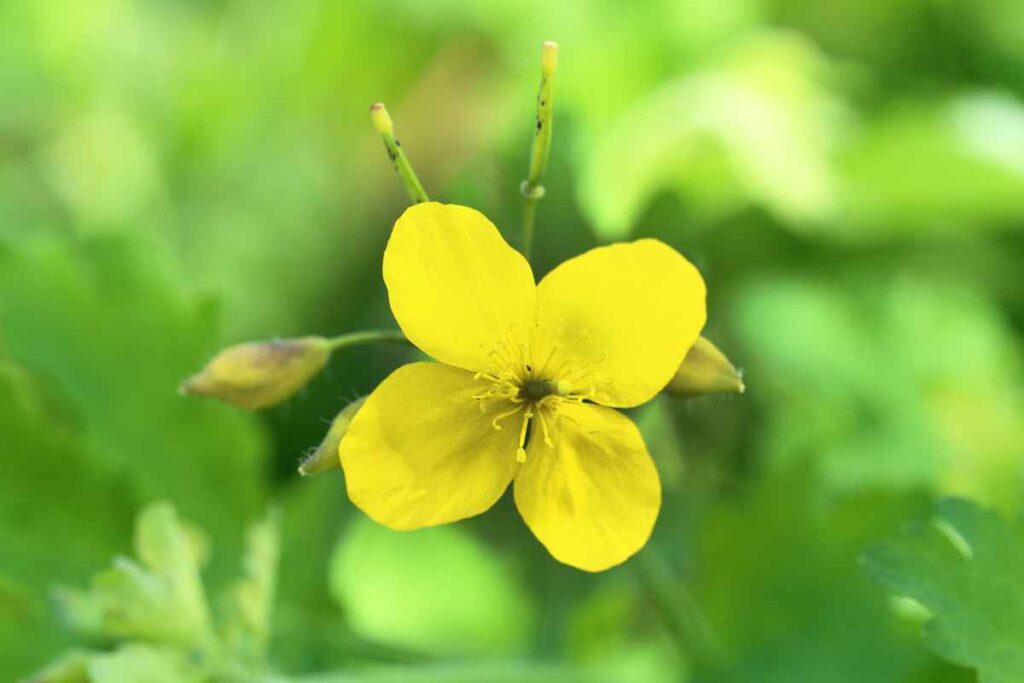
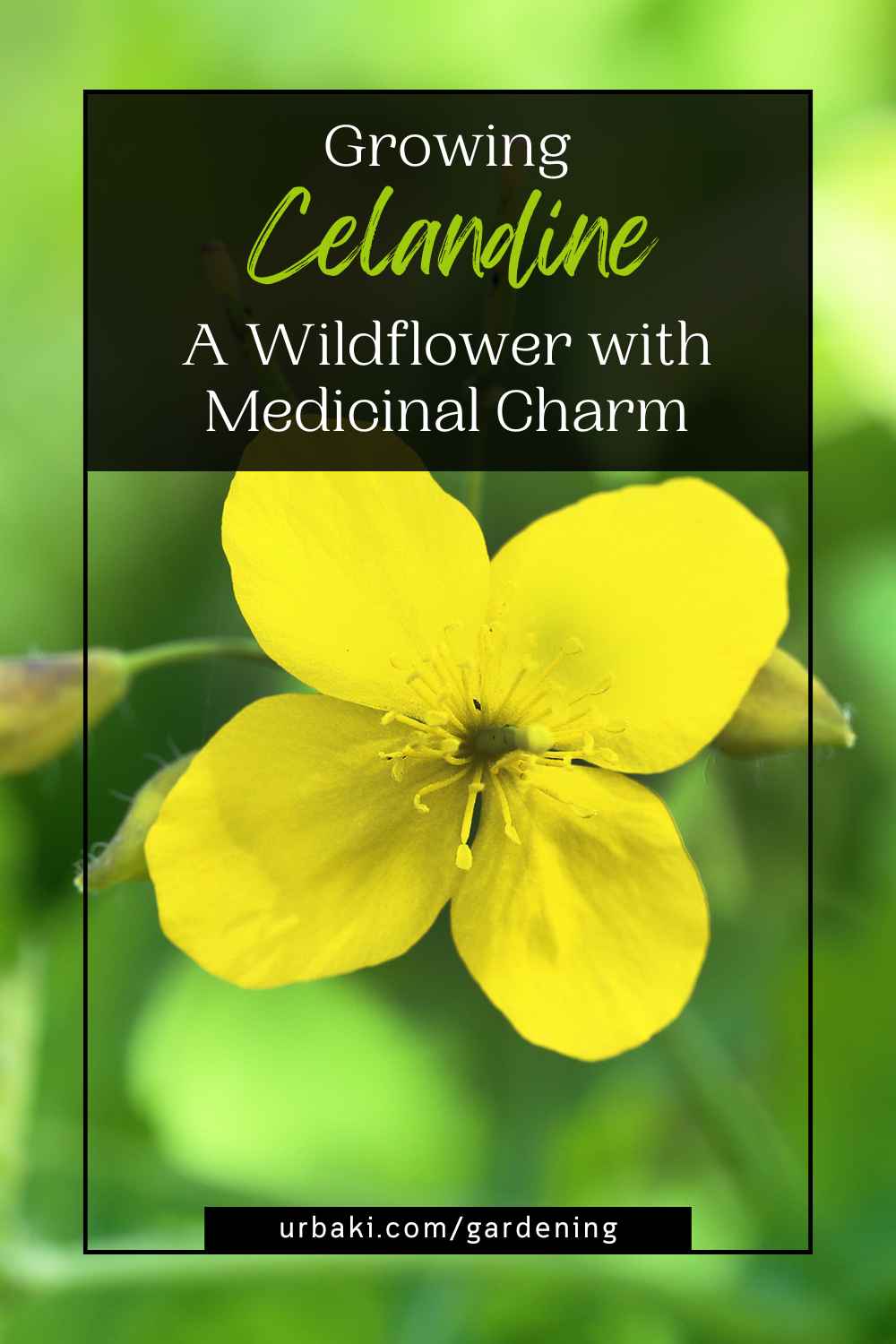
Celandine, also known as Chelidonium majus, is a wildflower that has long been admired for both its beauty and its medicinal properties.
With its bright yellow flowers and attractive foliage, it’s a delightful addition to any garden. But beyond its aesthetic appeal, this plant has been historically revered for its various health benefits.
Whether you’re interested in cultivating it for its medicinal uses or simply to enjoy its vibrant flowers, understanding how to grow and care for celandine is essential. In this article, we will explore the best practices for growing celandine and its many uses.
What is Celandine?
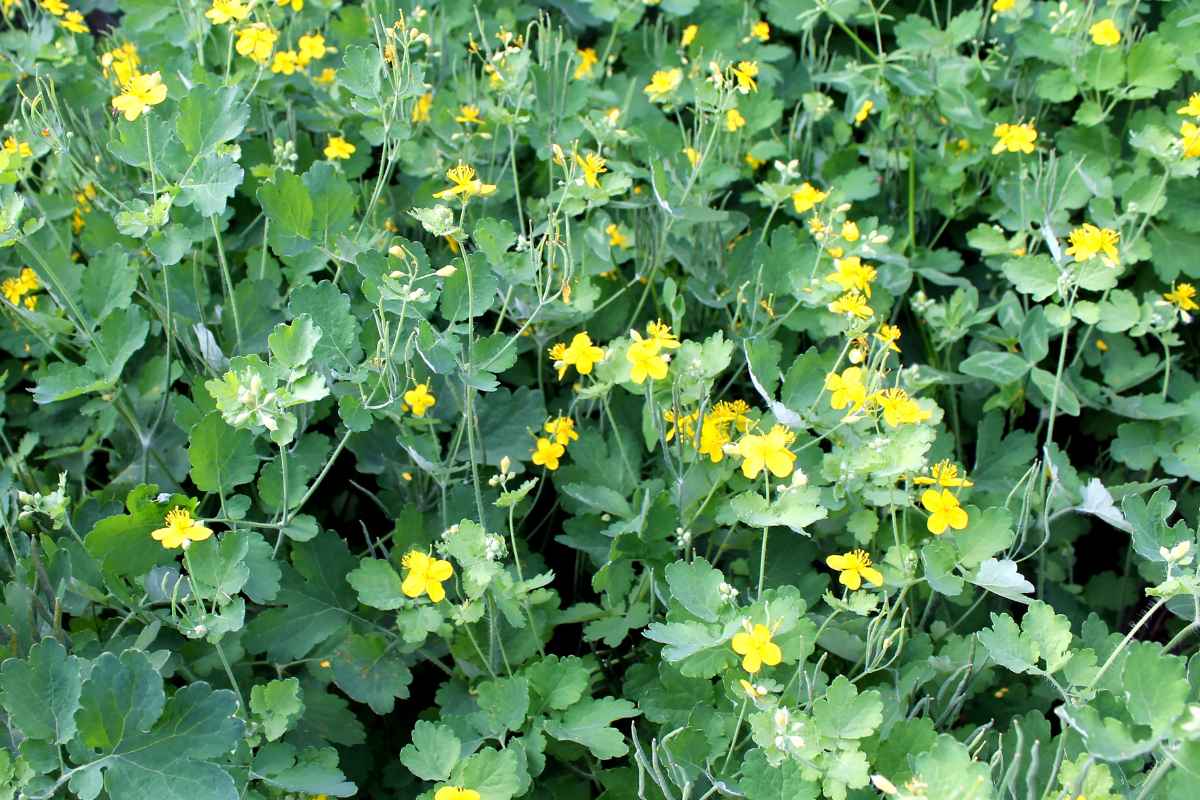
Celandine is a perennial plant that is native to Europe and parts of Asia but has spread to North America as well. It typically grows in woodlands, hedgerows, and grassy areas, thriving in damp, well-drained soils. The plant reaches a height of around 2 to 3 feet, with broad, deeply lobed leaves and distinctive bright yellow flowers that bloom in early to late spring.
While the plant is primarily known for its medicinal qualities, it is important to note that it can be toxic if consumed in large amounts, so it should be used with caution.
The active compounds in celandine, including alkaloids such as chelidonine, are believed to have various therapeutic properties, though they should only be used under the guidance of a medical professional.
How to Grow Celandine in Your Garden
Growing celandine in your garden is relatively straightforward, as long as you mimic its natural environment. Here's what you need to know about planting and caring for this charming wildflower.
1. Choosing the Right Location
Celandine thrives in partially shaded areas, making it a great choice for woodland gardens or shaded corners of your yard. It prefers moist, well-drained soil, but it can tolerate a variety of soil types, including clay, loam, or sandy soils. Ideally, plant celandine in a spot that receives some morning sunlight and afternoon shade. This will help it grow healthy and strong.
2. Planting Celandine
You can grow celandine from seeds, transplants, or root cuttings. If you are planting from seed, it’s best to start in the fall, as celandine seeds require a period of cold stratification to germinate effectively.
Soak the seeds in water for 24 hours before planting, and scatter them on the surface of the soil, lightly pressing them into the earth. Keep the soil moist but not waterlogged, and expect germination in early spring.
If you prefer a faster-growing option, you can transplant celandine seedlings or root divisions from an existing plant. When transplanting, dig a hole about the same size as the root ball, place the plant in the hole, and cover it with soil. Water generously after planting to help establish the roots.
3. Watering and Care
Celandine is relatively low-maintenance once it’s established. However, during the growing season, it requires consistent moisture. Water the plant regularly, especially in dry spells, but be careful not to let the soil become soggy, as this can lead to root rot. The plant is known to be somewhat drought-tolerant once established, but it thrives best in moist conditions.
Fertilizing celandine isn’t necessary for healthy growth, but you can apply a light layer of compost in the spring to encourage robust foliage and flowers. Mulching around the plant will also help retain soil moisture and keep the roots cool.
4. Pruning and Maintenance
Although celandine is a perennial that can thrive year after year, it’s still important to give it some care to ensure it doesn’t become invasive. After flowering, deadhead spent blooms to prevent self-seeding if you want to control its spread. In the fall, cut back the plant’s stems to about 4 inches above the ground. This will help it regrow strongly in the spring.
Celandine can sometimes become leggy or sparse, especially if it’s grown in poor conditions. If this happens, you can cut it back during the growing season to encourage new growth and a fuller appearance.
Medicinal Uses of Celandine
Celandine has been used in traditional medicine for centuries, particularly in European herbalism. The plant contains alkaloids, flavonoids, and other compounds that are believed to have various therapeutic effects. However, it’s crucial to note that celandine should only be used with care and under the guidance of a healthcare professional.
1. Digestive Health
One of the most common uses of celandine in herbal medicine is for supporting digestive health. Celandine is believed to stimulate bile production, which helps with the digestion of fats. It has traditionally been used to treat liver and gallbladder issues, including conditions like jaundice and gallstones. The plant’s bitter compounds are thought to have detoxifying properties, promoting overall liver function.
2. Skin Conditions
Celandine has a long history of use for treating various skin ailments, particularly warts and skin growths. A tincture made from celandine’s sap has been used to treat warts by applying it directly to the affected area. The plant’s juice is also believed to have antimicrobial properties, which can help treat rashes, eczema, and other skin irritations.
3. Pain Relief
Celandine has been used in folk medicine as a remedy for pain, especially for conditions involving inflammation. It is believed that the alkaloids in celandine can reduce muscle spasms and act as a mild pain reliever. In some cultures, celandine has been used to treat headaches and even menstrual pain.
Caution: Potential Risks and Toxicity
While celandine has many beneficial properties, it’s important to be aware of its potential toxicity. The alkaloids present in the plant, especially chelidonine, can be harmful if ingested in large quantities. Overuse of celandine can lead to symptoms such as nausea, vomiting, and dizziness. It is also not recommended for pregnant or breastfeeding women, as its safety in these conditions is not well established.
If you are interested in using celandine for medicinal purposes, it is essential to consult with a healthcare professional, particularly one knowledgeable in herbal remedies. Never use celandine in large doses, and always follow proper guidelines for its preparation and application.
A Wildflower with a Dual Purpose
Celandine is more than just a beautiful wildflower; it is a plant with a rich history in herbal medicine. Whether you choose to grow it for its vibrant yellow flowers or for its medicinal benefits, celandine is a unique and charming addition to any garden.
With proper care, it can thrive in your garden, adding color and potentially offering natural remedies for a variety of health concerns. However, always remember to handle it with care, respecting its potent properties and consulting with an expert before using it for medicinal purposes.
Did you find this post useful or inspiring? Save THIS PIN to your GARDEN Board on Pinterest!
Emily Brooks
I’m Emily, a lifelong nature lover with dirt on my boots and a passion for all things green. I don’t claim to be a botanist; I’m just an enthusiast who believes that every backyard—no matter how small—can become a sanctuary. After years of trial and error (and more than a few wilted ferns), I’m sharing my honest journey of growing flowers and veggies. Let's learn from the seasons and grow something beautiful together!
More Gardening Tips 👇🏼👇🏼