
How to Grow Currants: From Planting to Harvest


Did you know that for decades, growing currants was against the law in the United States? In the early 20th century, the federal government banned planting currants and gooseberries to protect white pine forests from a disease called white pine blister rust. The federal ban was lifted in 1966, and these tart, jewel-like berries are slowly finding their way back into home gardens.
Currants are easy, productive shrubs that tolerate cool weather and even some shade. A single plant will fruit on its own, and a few bushes can supply a family with berries for jams, jellies, sauces and baking. Here's how to grow them from planting to harvest.
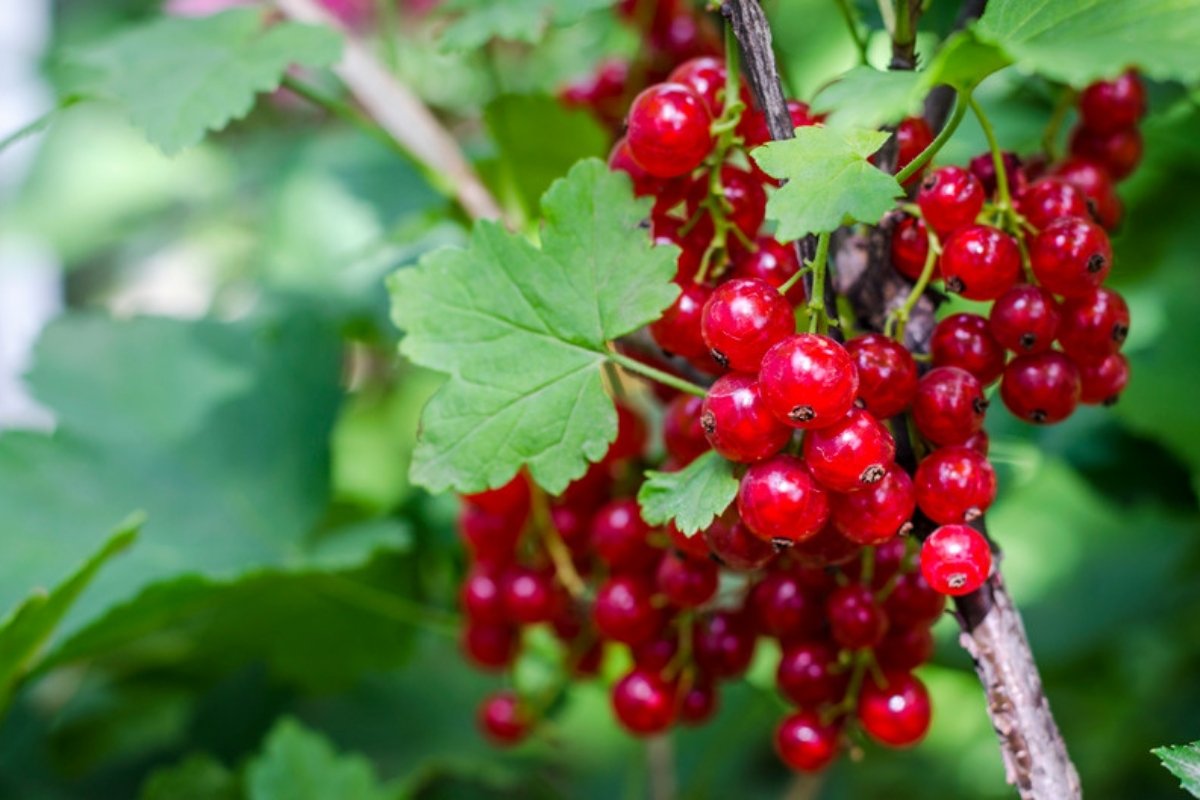
Why Currants Were Banned (and Where They Still Are)
White pine blister rust is a fungus that needs two hosts to complete its life cycle: a plant in the Ribes genus (currants and gooseberries) and a white pine. It does little harm to currants, but it is often deadly to white pines. To protect the timber industry, planting Ribes was banned nationwide until 1966.
Today the rules are set by each state, and several still ban or restrict black currants, which are the most susceptible to the disease. Red and white currants and gooseberries are somewhat more resistant. Before you buy plants, check with your state's department of agriculture or your local extension office.
Choosing a Variety
Iowa State University Extension recommends a few proven varieties for home gardens:
- 'Red Lake': large red berries with a mild flavor; hardy, vigorous and often considered the best red currant.
- 'Wilder': large clusters that ripen a little earlier than 'Red Lake'.
- 'White Imperial': white berries with a pink blush and excellent flavor.
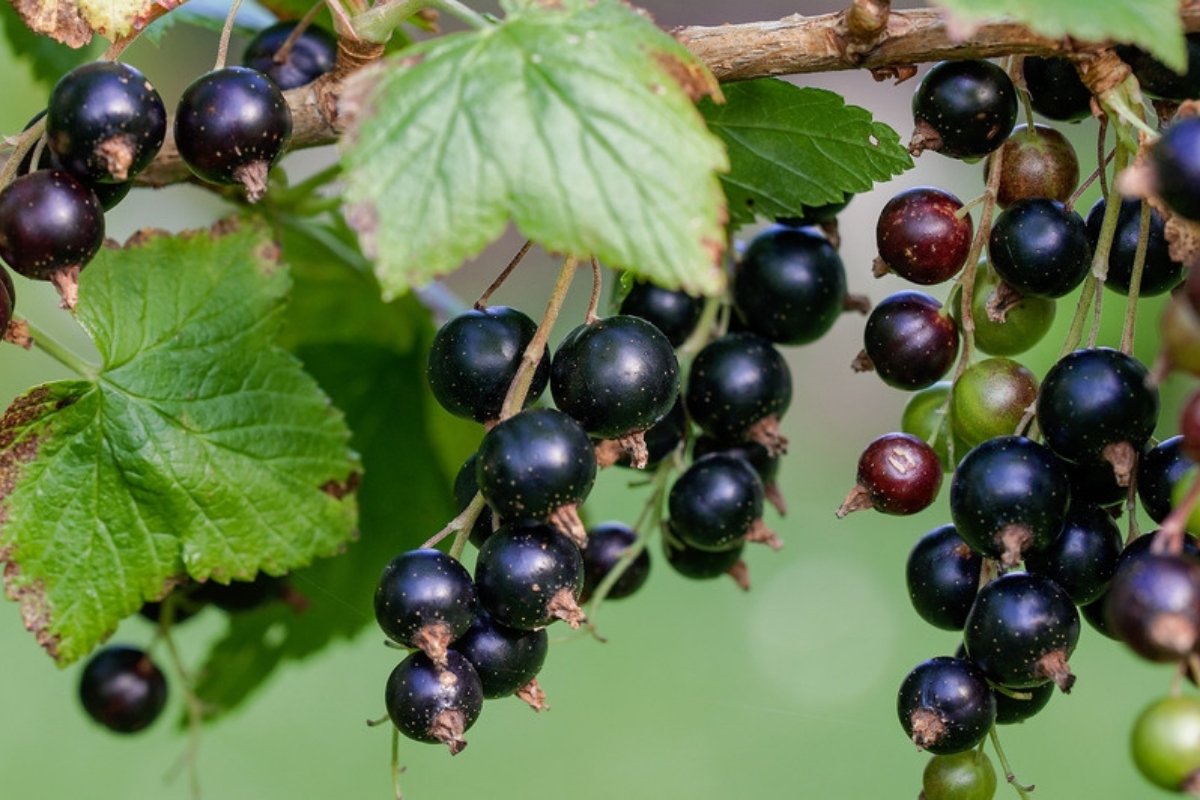
- 'Consort', 'Crusader' and 'Coronet': black currants with resistance to white pine blister rust.
Where to Plant
Currants like it cool. Choose a site with partial to full sun, moist but well-drained soil and good air movement, which helps prevent powdery mildew. Avoid soggy ground as well as hot, dry spots. They tolerate a wide range of soil pH but do best in slightly acidic soil between 6.0 and 7.0.
Because they handle partial shade well, currants are a good fit for spots that are too shady for many other fruits, such as the east side of a house or the edge of a tree line.
How to Plant Currants
- Plant in early spring, as soon as the soil can be worked.
- Space them well. Allow 4 to 5 feet between plants and 6 to 8 feet between rows.
- Set them a little deep. Plant slightly deeper than the bush grew in the nursery.
- Cut back at planting. Trim the shoots to 6 to 10 inches above the ground to encourage strong new growth.
- Mulch. Spread 2 to 4 inches of straw, wood chips or grass clippings around the plants and top it up each year.
Pruning for Bigger Harvests
Pruning is the secret to steady crops. Most fruit grows on shoots that are two and three years old, while shoots four years and older produce very little. Prune in late winter or early spring before growth starts:
- Year 1: keep 6 to 8 vigorous, healthy shoots.
- Year 2: keep 4 or 5 one-year-old shoots and 3 or 4 two-year-old shoots.
- Year 3: keep 3 or 4 shoots of each age (one, two and three years old).
- After that: remove all four-year-old shoots every year and thin the new growth, so an established bush has 9 to 12 shoots.
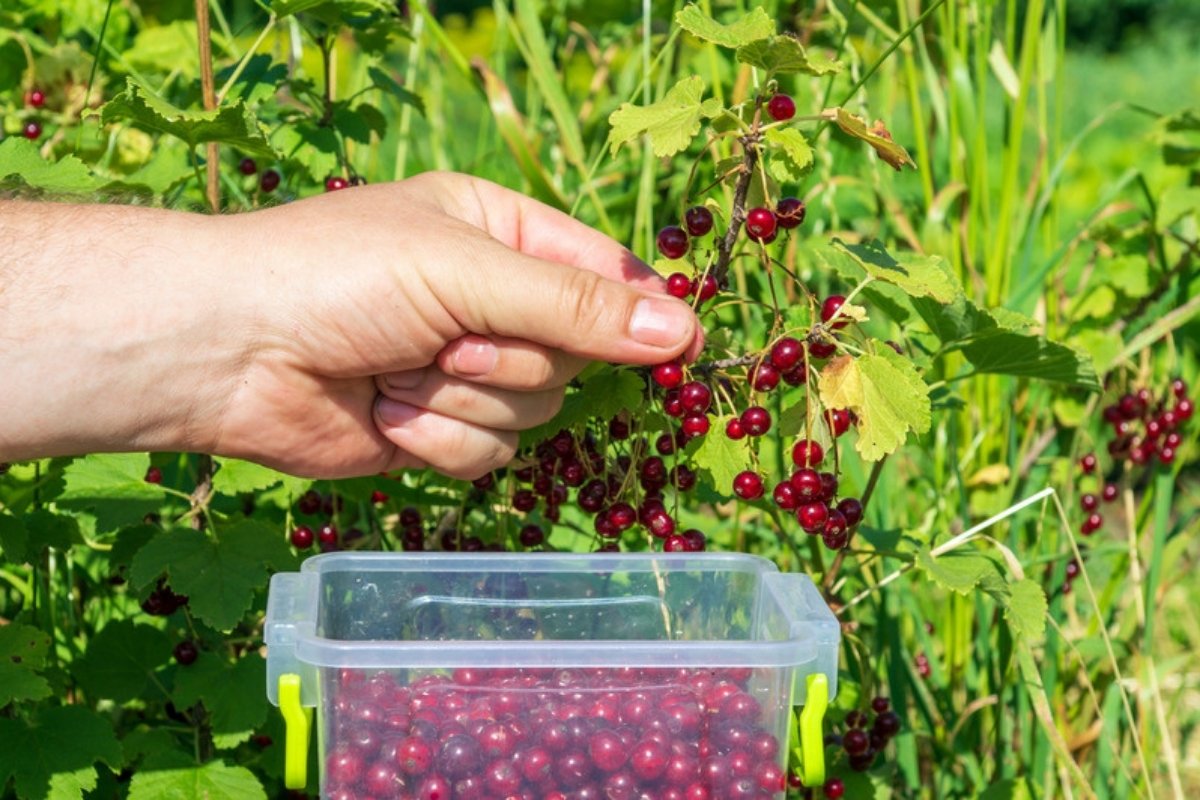
Harvesting and Storing
Expect your first berries in the second growing season, with production peaking around year five. The University of Wisconsin reports typical yields of 5 to 10 pounds per bush. The fruit usually ripens in July and holds on the plant for a couple of weeks.
Pick whole clusters (called strigs) and strip the berries off afterwards. For jams and jellies, harvest when the berries are well colored but still firm, because slightly underripe fruit contains more pectin. Fresh currants keep for about two weeks in the refrigerator at 35 to 40°F.
Quick Facts: Growing Currants
- Sun: partial to full sun
- Soil: moist, well drained, pH 6.0 to 7.0
- Planting time: early spring
- Spacing: 4 to 5 feet between plants
- Pollination: self-fruitful, one plant will set fruit
- First harvest: second growing season
- Yield: about 5 to 10 lbs per mature bush
Frequently Asked Questions
Is it legal to grow currants in the US?
The federal ban ended in 1966, but some states still restrict black currants. Check your state's rules before planting.
Do I need more than one currant bush?
No. Currants are self-fruitful, so a single plant will produce berries. Three or four plants are usually enough for an average family.
Watch: Grow Currants From Planting to Harvest
Source: GrowVeg
More gardening ideas
- Edible Landscaping: Combine Beauty and Food
- 3 Fast Growing Fruits - Get a Bountiful Harvest in No Time
- List of Plants to Propagate from Hardwood Cuttings
Did you find this post Useful or Inspiring? Save THIS PIN to your GARDENING Board on Pinterest!

More Gardening Tips 👇🏼👇🏼