
Edible Landscaping: Combine Beauty and Food

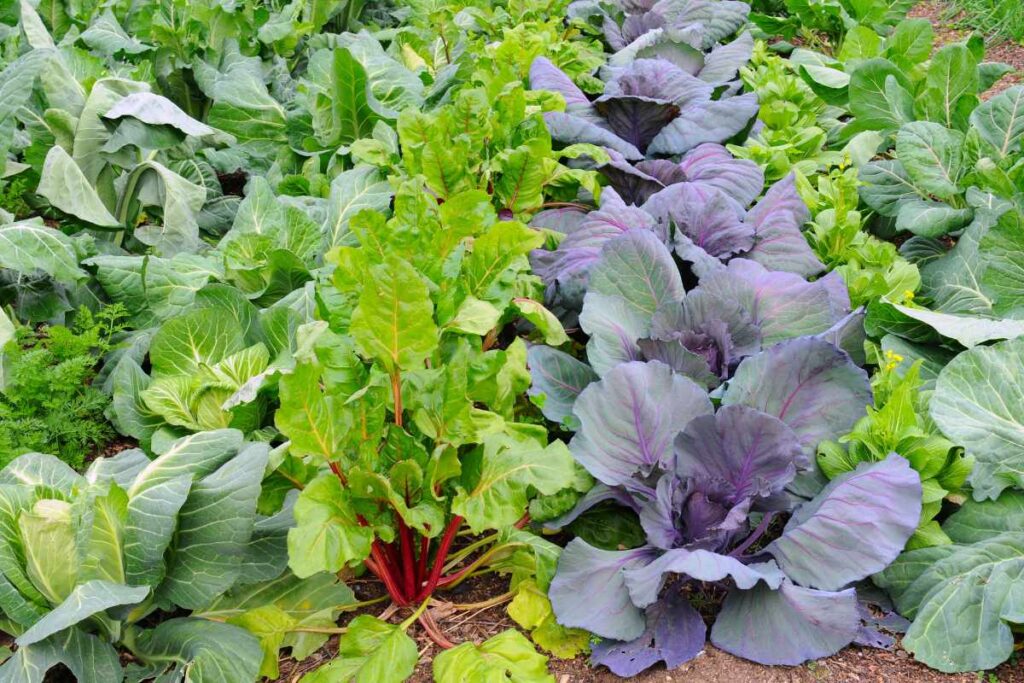
Edible landscaping is one of the most exciting trends in modern gardening.
Instead of separating flowers from vegetables, or ornamentals from food crops, this approach blends both into a beautiful, harmonious design to look at, and is practical for the table.
Whether you have a large yard or just a small balcony, creating an edible garden design allows you to enjoy fresh harvests while surrounding yourself with vibrant colors, textures, and seasonal interest.
This guide explores how to make the most of ornamental and edible plants, adapt the concept to small spaces, and design a landscape that provides beauty, structure, and nourishment all year long.
What Is Edible Landscaping?
At its core, edible landscaping is the practice of incorporating fruits, vegetables, and herbs into your overall landscape design.
Instead of having a vegetable patch tucked away in a corner, food crops are intentionally woven into flower beds, borders, and containers.
The result is a garden that looks as polished as an ornamental landscape but offers the added reward of fresh food.
Imagine glossy kale leaves providing structure in a bed of marigolds, a blueberry hedge doubling as a decorative border, or grapevines creating shade over a patio.
The possibilities are endless, and the beauty is that every plant serves more than one purpose.
Blending Ornamentals and Edibles in Harmony
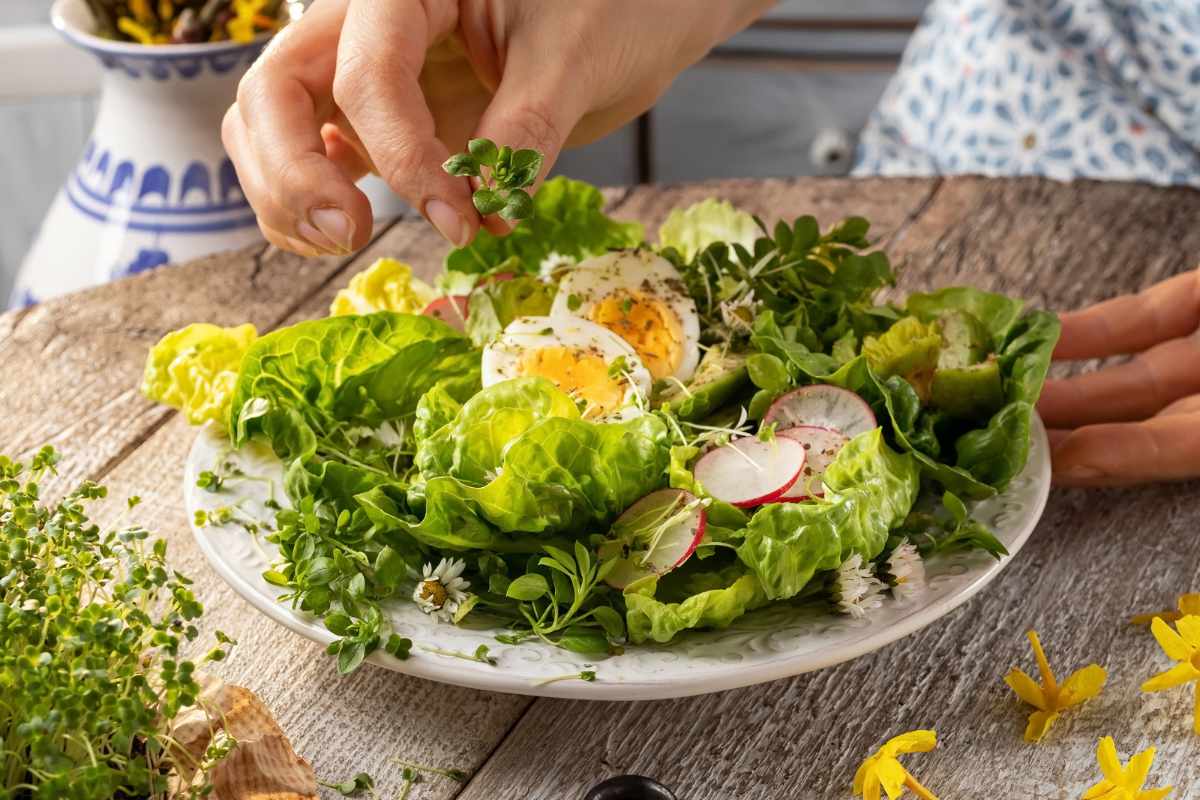
A successful edible garden design doesn’t have to resemble a traditional vegetable plot.
By choosing plants with attractive foliage, colorful blooms, and varied textures, you can create a visually balanced landscape. For example:
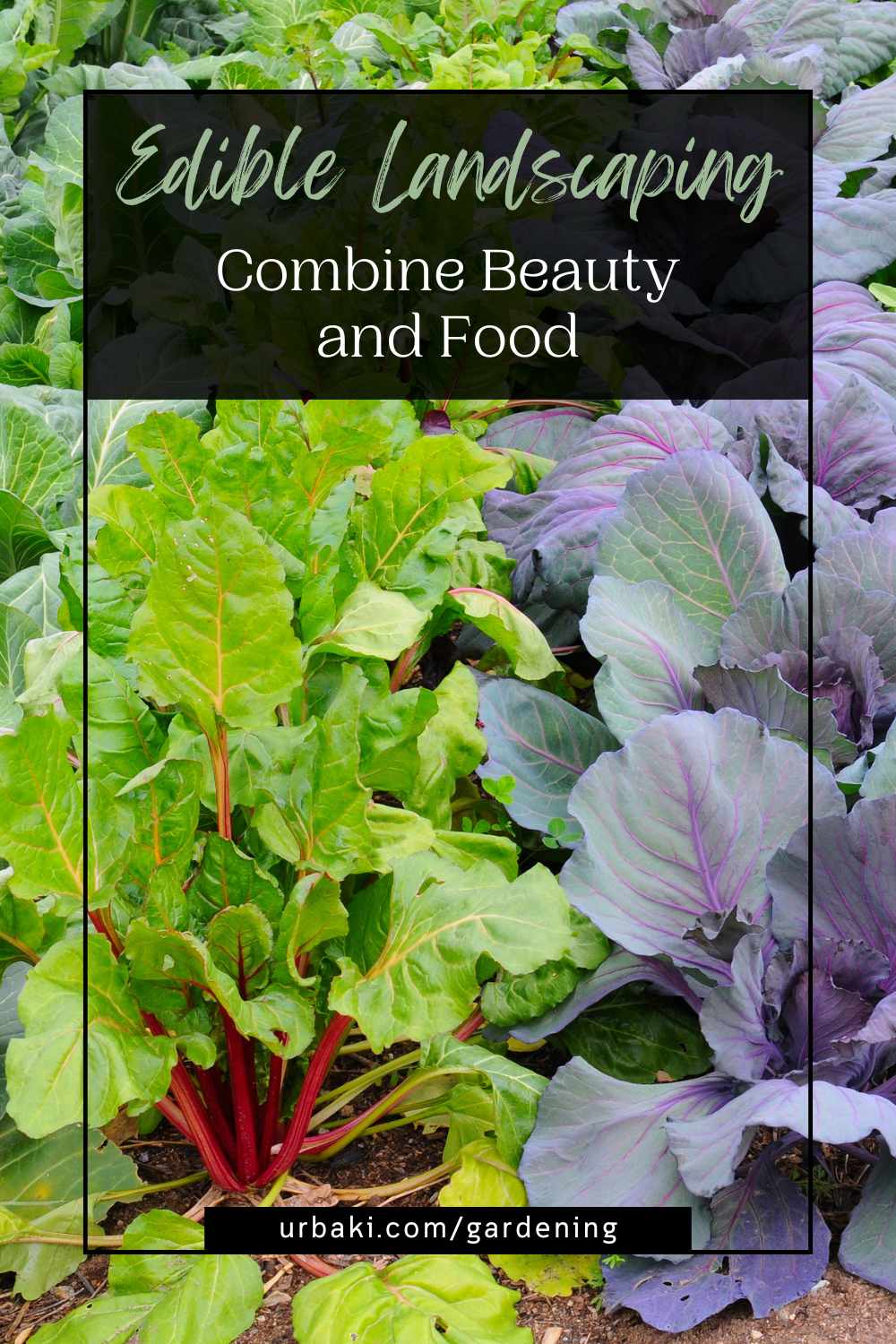
Swiss chard with its rainbow stems looks striking alongside bright zinnias.
Purple basil adds depth and contrast next to ornamental salvias.
Blueberry bushes make a neat, edible hedge that produces both flowers and fruit.
Artichokes act as sculptural focal points in beds and borders.
When planning, consider plant height, seasonal interest, and color combinations.
Tall shrubs like raspberries or currants can form a backdrop, while herbs, lettuces, and strawberries can fill in the front.
Layering plants in this way brings structure and variety, ensuring that the garden looks attractive throughout the year.
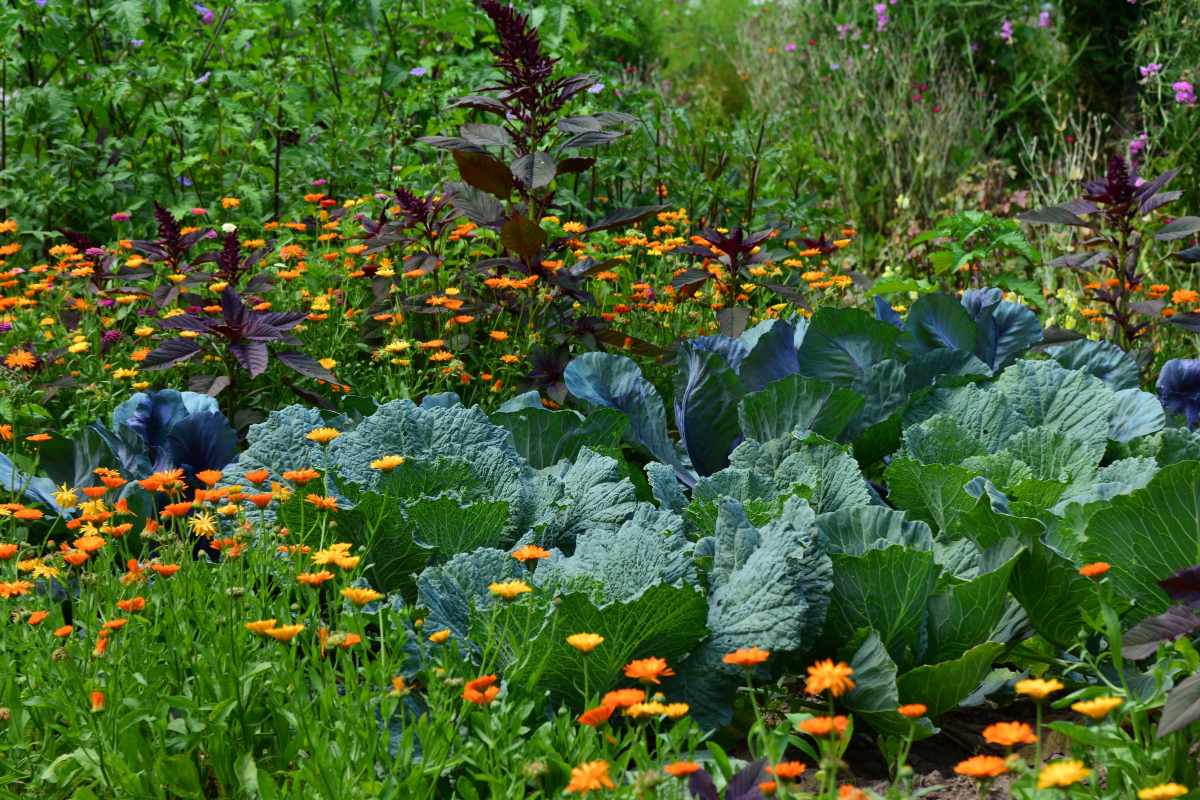
Making the Most of Small Spaces
One of the biggest benefits of edible landscaping is its adaptability to any garden size.
Even the smallest courtyard, balcony, or patio can become productive if every plant is chosen with intention.
Vertical gardening: Climbing crops like beans, cucumbers, or peas can be trained on trellises, arbors, or walls.
Container gardening: Dwarf fruit trees or compact berry bushes thrive in pots and can be moved for seasonal interest.
Perennial edibles: Rhubarb, asparagus, and strawberries provide structure and return year after year, reducing the need for replanting.
By mixing annual crops with permanent perennials, you ensure stability in your design while still rotating seasonal vegetables for variety.
Designing for Year-Round Appeal
A thoughtful edible garden design provides beauty and productivity in every season.
Planning with staggered planting and crop rotations keeps the space interesting all year long.
Spring
Blossoms from apple, cherry, or plum trees fill the garden with fragrance and attract pollinators.
Early crops like peas, lettuces, and radishes provide the first harvests.
Summer
Lush greenery from tomatoes, peppers, and squashes fills garden beds.
Herbs like basil, dill, and parsley thrive in the warm weather.

Autumn
Warm-toned foliage combines with ripening pumpkins and winter squash.
Root vegetables such as carrots and beets continue to produce.
Winter
Ornamental kales, evergreen rosemary, and thyme add texture and color.
Mulched beds hold structure while protecting soil for spring planting.
This seasonal rhythm ensures that your garden never feels empty or dull.
Supporting a Healthy Ecosystem
When planned carefully, edible landscaping goes hand in hand with sustainable gardening practices.
Companion planting: Tomatoes grow well with basil, carrots with onions, and marigolds deter pests naturally.
Pollinator support: Flowering herbs and nectar-rich ornamentals keep bees, butterflies, and hummingbirds active in your garden.
Soil care: Mulching with straw, compost, or shredded leaves conserves moisture, suppresses weeds, and improves soil over time.
Eco-friendly practices: Avoiding harsh chemicals protects beneficial insects, birds, and the soil’s natural balance.
By designing for nature as well as for yourself, you create a thriving, resilient ecosystem.

Choosing the Right Plants for Your Climate
Success in edible landscaping starts with selecting plants that suit your region’s climate, soil, and sunlight.
Warm, dry climates: Opt for drought-tolerant herbs like rosemary, thyme, oregano, and sage.
Cooler regions: Leafy greens, spinach, peas, and berries thrive in lower temperatures.
Mixed climates: Combine hardy perennials with annual vegetables for flexibility.
Your local nursery or agricultural extension office can guide the best varieties for your area.
Bringing Personality Into Your Design
Every edible garden can reflect the unique personality of its gardener. Small details add charm and make the space feel like an extension of your home.
Use vintage containers for herbs on a patio.
Add painted wooden signs to label crops.
Install whimsical trellises or arches for climbing vegetables.
Design pathways that lead directly from the kitchen door to clusters of culinary herbs.
Whether your passion is cooking, entertaining, or simply enjoying nature, personal touches make the garden truly yours.
The Joy of Harvesting and Sharing
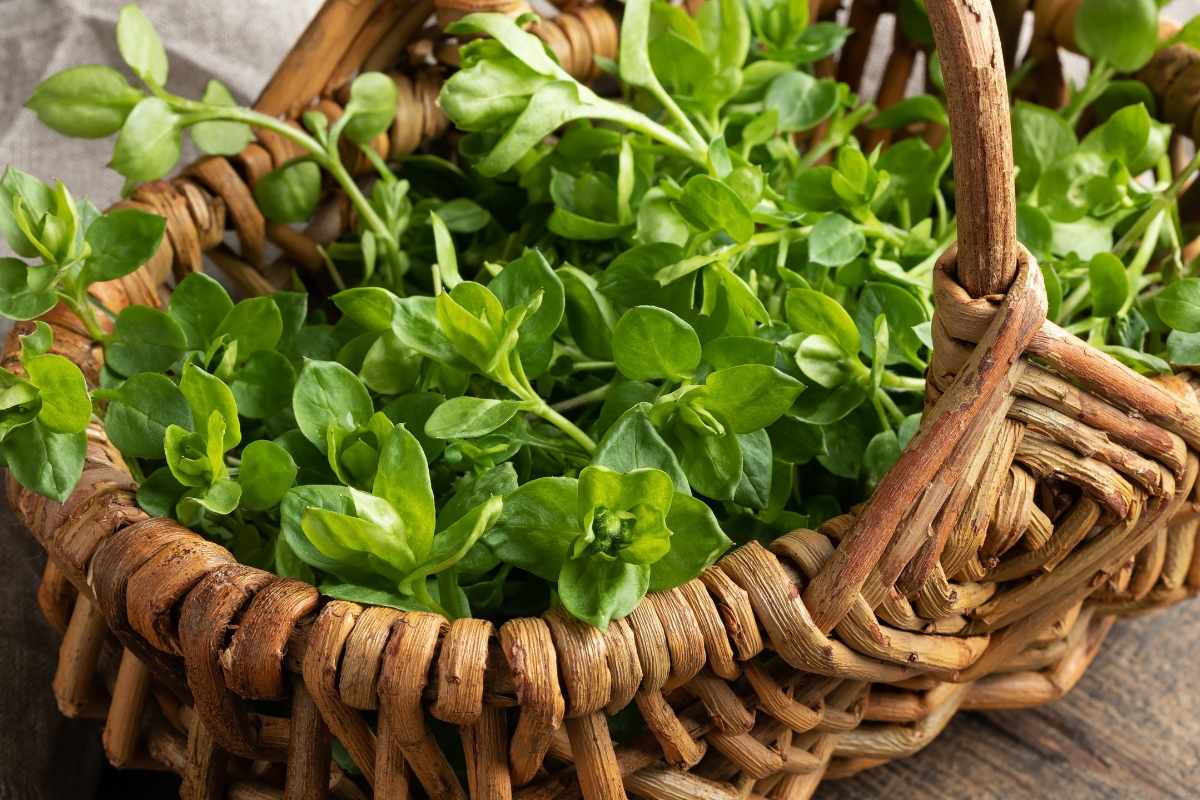
Perhaps the most rewarding part of edible landscaping is the daily connection with your food.
Picking sun-ripened tomatoes, gathering fresh herbs, or harvesting a basket of berries becomes a ritual that enriches your lifestyle.
Sharing this abundance with family, friends, or neighbors fosters community and generosity.
What begins as a personal hobby quickly becomes a way to connect with others through the universal language of food.
Growing Beauty and Food Together
Edible landscaping is more than just a gardening trend—it’s a lifestyle choice that brings together beauty, functionality, and sustainability.
By blending ornamental and edible plants, designing for seasonal interest, and adding personal touches, you create a landscape that nourishes both the eyes and the table.
Start planning your edible landscape today and enjoy the rewards of a garden that’s as delicious as it is beautiful.
Did you find this post useful or inspiring? Save THIS PIN to your GARDEN Board on Pinterest!
More Gardening Tips 👇🏼👇🏼