
How to Grow Tomatoes That Actually Taste Good


There’s nothing quite like the taste of a perfectly ripe tomato fresh from the garden. Juicy, sweet, tangy, and full of flavor, homegrown tomatoes are miles ahead of most store-bought varieties.
But not all garden tomatoes are created equal. Sometimes, despite your best efforts, they can turn out watery, bland, or overly acidic. So, what truly improves the flavor of tomatoes?
From soil composition to sun exposure and variety selection, many factors influence the taste of your tomatoes.
Understanding how each one works can help you grow tomatoes that are not only healthy but also bursting with rich, complex flavor.
The Right Tomato Variety Matters
The first key to flavorful tomatoes lies in choosing the right variety. Not all tomatoes are bred for taste—some are developed for shelf life or disease resistance instead. For home gardeners, taste should be the priority.
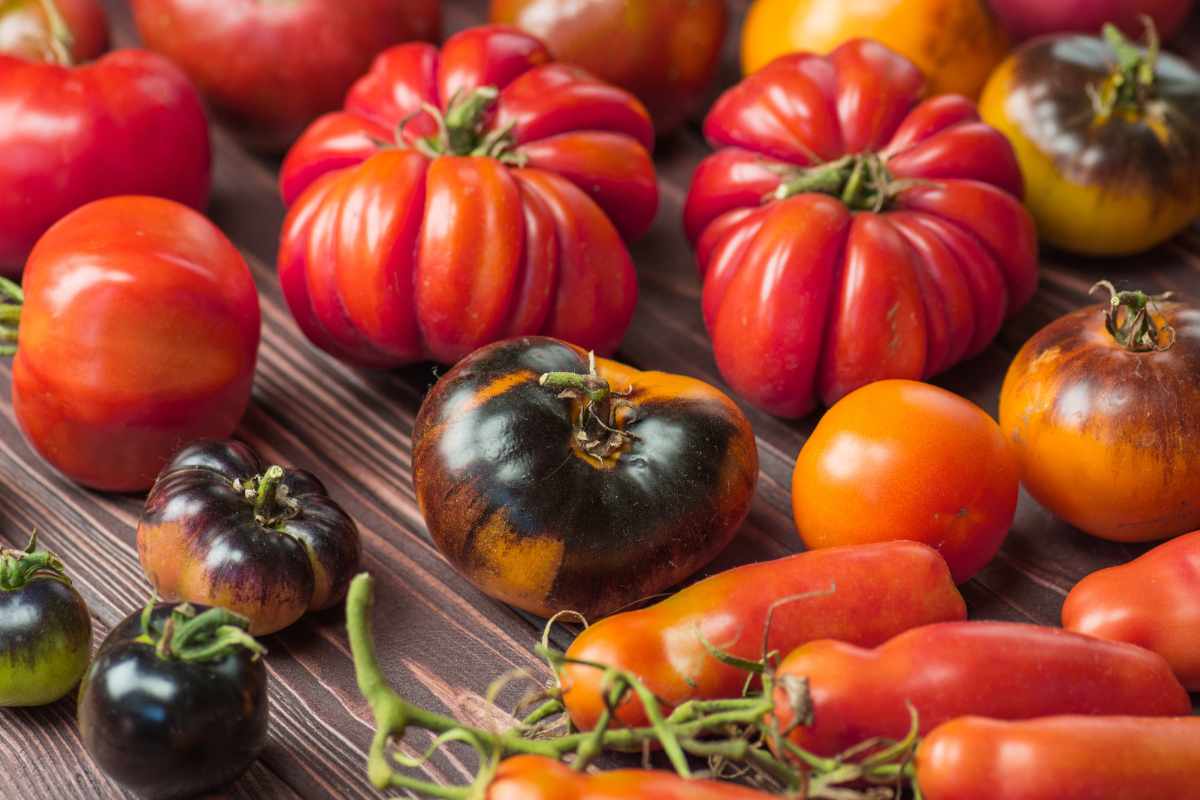
Heirloom varieties, in particular, are known for their intense, nuanced flavor. These include types like:
Brandywine – Sweet, slightly smoky, with a rich tomato taste.
Cherokee Purple – Deep, earthy flavor with a hint of sweetness.
Sungold – A cherry tomato known for its fruity, sugary flavor.
San Marzano – Great for sauces with their meaty texture and low acidity.
In contrast, many hybrid varieties grown for supermarkets sacrifice taste for uniformity and long-distance shipping. So if flavor is your goal, go heirloom.
Sunlight Fuels Sugar Production
Tomatoes are sun lovers. They need at least 6 to 8 hours of direct sunlight every day, but ideally, more.
Sunlight is essential not just for growth, but for developing sugars within the fruit.
When tomatoes receive plenty of sunlight, they photosynthesize more effectively, which leads to higher sugar content in the fruit. That’s what gives tomatoes their sweet and satisfying bite.
Insufficient sun can result in bland, watery fruit.
To improve flavor:
Choose a south-facing location if possible.
Avoid planting tomatoes where they'll be shaded by trees or tall plants.
Prune lower leaves to improve airflow and light penetration.
Soil Quality: The Foundation of Flavor
Flavor starts in the soil. Tomatoes absorb nutrients from the ground, and a well-balanced, nutrient-rich soil makes a noticeable difference in how your fruit tastes.
Good tomato soil should:
Be loamy and well-draining
Contain organic matter like compost or aged manure
Have a pH between 6.0 and 6.8
Adding compost improves flavor by providing a full range of micronutrients and beneficial microbes.
These microbes help tomatoes access nutrients more efficiently, improving overall plant health and boosting flavor.
You can also amend your soil with:
Bone meal (for phosphorus, supports flowering and fruiting)
Wood ash (a mild potassium source for sweetness)
Epsom salt (adds magnesium, which enhances photosynthesis)
Just remember: over-fertilizing with nitrogen can backfire. It can make plants lush and leafy at the expense of fruit production and flavor.
Don’t Overwater
Tomatoes need consistent moisture, but too much water can dilute the flavor. Overwatering causes fruits to swell rapidly, making them watery and bland. This is especially true in the weeks leading up to harvest.
To strike the right balance:
Water deeply but less frequently
Use mulch to retain soil moisture and regulate temperature
Let the top few inches of soil dry between watering
As harvest time approaches, reduce watering slightly. Allowing the plant to focus energy on ripening the fruit rather than taking in excess water can concentrate sugars and flavors.

Harvest Timing is Critical
Tomatoes don’t continue to develop flavor after being picked. While some ripening can occur off the vine, the best taste develops when the fruit is left to mature fully on the plant.
Signs of perfect ripeness include:
Rich, even color (red, orange, yellow, etc.)
Slight softness to the touch
Easy separation from the vine
Don’t harvest too early or you’ll miss out on peak flavor. Also, avoid leaving ripe tomatoes on the plant too long, as they may become overripe or split.
Temperature Makes a Difference
Tomatoes thrive in warm temperatures, but extremes on either end of the spectrum can negatively affect their taste. Cool weather slows sugar development, while excessive heat (above 85°F/29°C) can inhibit it altogether.
To maintain good flavor:
Plant after the last frost date
Use row covers or cloches to protect young plants from cold snaps
Provide shade cloth during intense heat waves
If your area experiences unpredictable weather, try growing tomatoes in containers so you can move them as needed.
Proper Pruning and Spacing
A crowded garden with tangled tomato vines doesn’t just limit air circulation—it can also lead to poor fruit development. Proper pruning and spacing allow the plant to focus energy on producing fewer, but more flavorful fruits.
Prune suckers (the shoots that grow in leaf axils) to improve airflow and redirect energy into fruit production. Just don’t overdo it—some foliage is needed to protect fruit from sunscald.
Aim for a spacing of about:
18–24 inches for determinate varieties
24–36 inches for indeterminate types
This helps prevent disease, improve sun exposure, and support overall fruit quality.

Companion Plants That Enhance Tomato Flavor
Believe it or not, the plants you grow near your tomatoes can have an impact on taste. Some companion plants improve tomato flavor indirectly by repelling pests, attracting pollinators, or enhancing soil quality.
Great companion plants for tomatoes include:
Basil – Said to improve flavor and protect against pests like aphids.
Marigolds – Deter nematodes and harmful insects.
Chives and onions – Can mask the tomato scent and repel some pests.
Avoid planting tomatoes near brassicas (like cabbage or broccoli) and fennel, as they can compete for nutrients or stunt growth.
Did you find this post useful or inspiring? Save THIS PIN to your GARDEN Board on Pinterest!

More Gardening Tips 👇🏼👇🏼