
The Right Way to Grow Celery from the Grocery Store

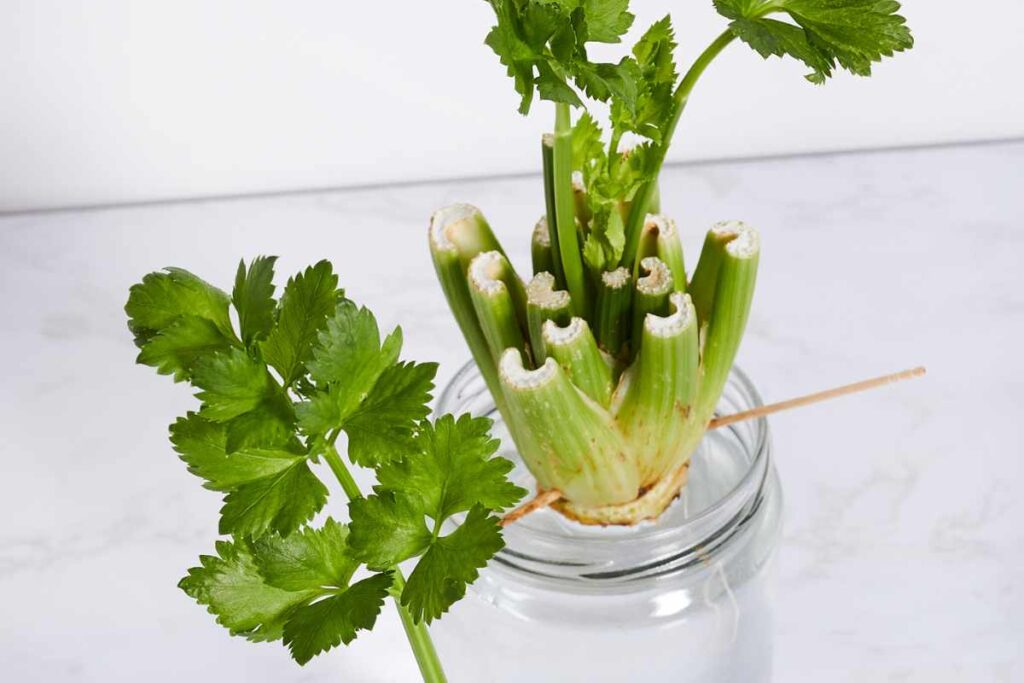
Growing food at home doesn't always require seeds or gardening experience. Celery is one of the easiest vegetables to regrow using the base of a store-bought bunch.
Whether you’re looking to reduce food waste, save money, or simply explore the joy of gardening, learning how to regrow celery can be a rewarding project for all ages.
This guide will take you through everything you need to know to start and succeed with grocery store celery in your kitchen or garden.
Getting Started with a Fresh Base
To begin this process, the only thing you truly need is a healthy base of celery. After preparing stalks for cooking or snacks, save the bottom part—approximately 2 inches from the root end.
Look for celery with a firm, white base and no signs of rot. It’s a small but essential detail: a strong, healthy root end increases your chances of regrowth and reduces the risk of mold while rooting in water.
Give it a gentle rinse to remove any remaining dirt or produce wax. Then you’re ready for the next step.
Encouraging Roots with Water and Light
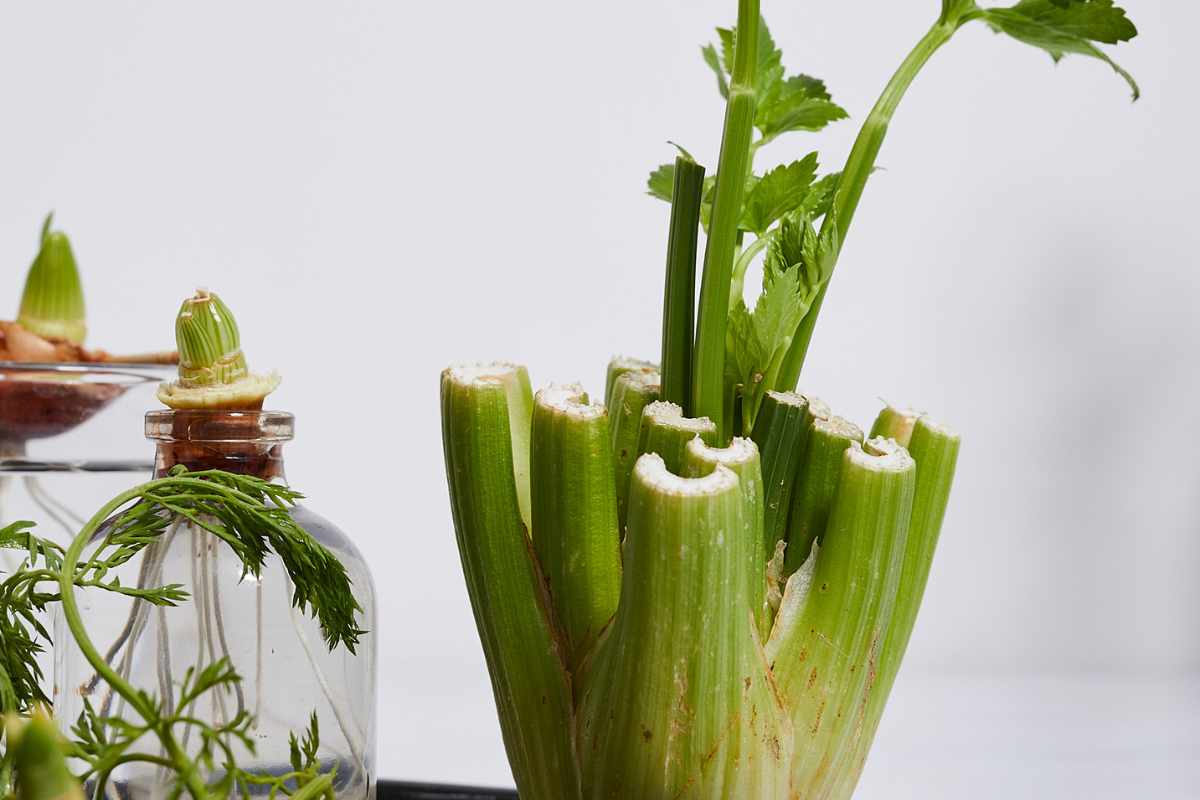
One of the easiest ways to encourage new life in your celery is by placing the cut base in a shallow container of water. Use a bowl or jar with just enough water to cover the lower part of the root end—no more than an inch deep.
Place it on a sunny windowsill, ideally one that gets several hours of indirect sunlight each day.
After just a few days, you’ll start to see small leaves forming at the center, and roots may begin to develop at the bottom.
This stage is as exciting as it is crucial. You’ll want to change the water every two or three days to keep bacteria at bay and ensure healthy growth. If the water gets cloudy or smelly, it's time to refresh it.
Within a week, the base will look like a tiny green fountain—your celery is officially coming back to life.
Transitioning from Water to Soil
Once you see a cluster of new roots about an inch long and a clear growth of leaves in the center, your celery base is ready for planting in soil.
You can use a container with good drainage or plant it directly into your garden if the weather permits.
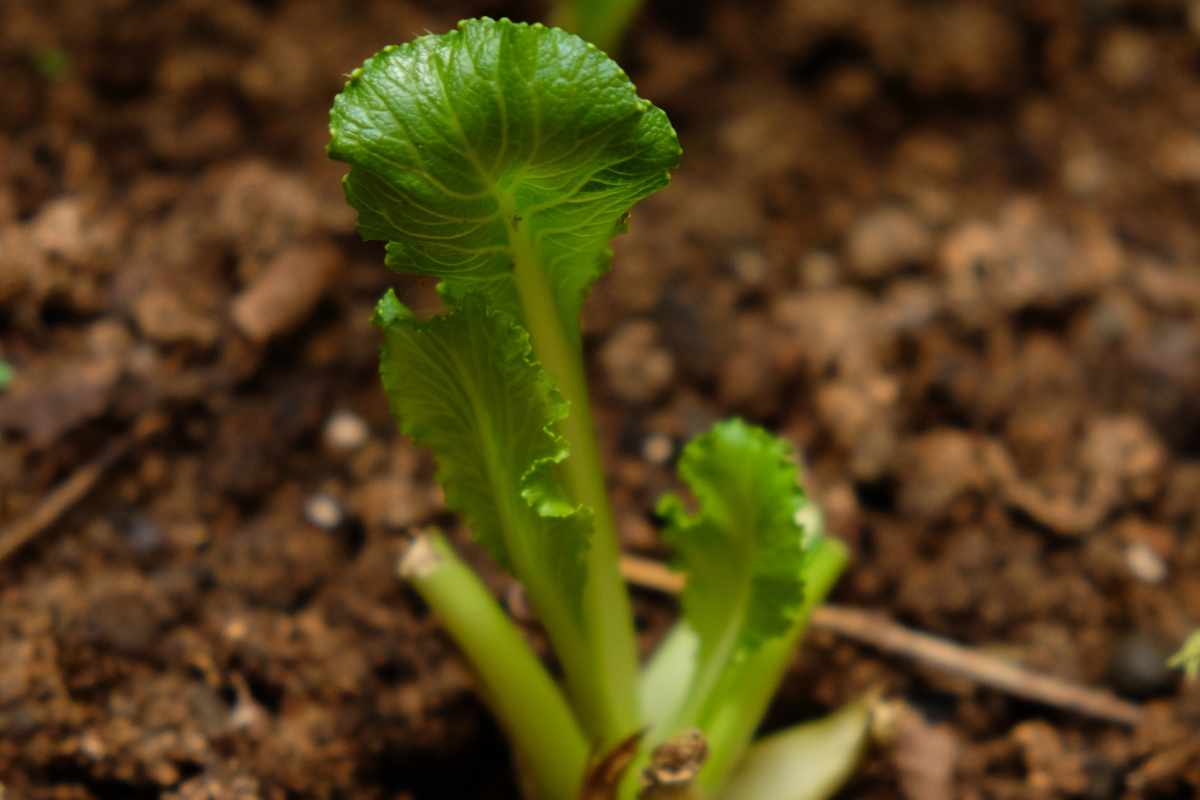
Choose moist, nutrient-rich soil, and bury only the root portion of the base, keeping the new growth exposed. Pat the soil gently around it and water generously.
Place your potted celery in a bright area that gets a mix of sun and shade. Avoid overly hot locations, as celery prefers cooler temperatures—ideally between 55°F and 75°F (13°C to 24°C).
Keep the soil consistently damp, especially during the first few weeks, as your celery adapts to its new environment. Mulch can be useful to retain moisture and regulate soil temperature.
Supporting Healthy Growth
Once established, celery requires a little patience. It’s not a fast-growing plant, but with regular care, it will reward you with fresh, flavorful stalks in about 3 to 4 months.
Avoid letting the soil dry out completely, but don’t overwater either. Watch the leaves for signs of stress—yellowing or wilting might indicate a watering issue or poor light.
Celery benefits from a balanced, all-purpose fertilizer every couple of weeks during the growing season.
If you prefer organic gardening, compost tea or worm castings can provide essential nutrients.
Pruning outer leaves occasionally can help the inner stalks develop more fully.
As with most homegrown vegetables, harvesting can be done selectively—snip a few stalks as needed and let the rest continue growing.
Common Challenges to Watch For
Regrowing celery is straightforward, but a few common issues can slow your progress. Mold or rotting in water is often caused by stagnant conditions or a lack of sunlight.
Clean containers and frequent water changes help prevent this.
Pests are rarely a problem indoors, but if you transplant your celery outside, you might encounter slugs, aphids, or earwigs.
Using natural deterrents like neem oil or companion planting can help protect your crop without resorting to chemicals.
Another potential challenge is bolting, where the plant starts producing flowers instead of leafy stalks.
This usually happens in high heat or inconsistent watering, and once it occurs, the stalks may become bitter.
To reduce the risk of bolting, try to maintain a stable environment and shield the plant during heat waves.

The Sustainability Factor
One of the best parts of growing celery this way is the opportunity to reuse kitchen scraps. Instead of tossing that celery base in the compost bin, you give it a second life and enjoy multiple harvests.
It’s also an excellent way to introduce children to gardening or to start your kitchen garden with minimal effort and cost.
There’s a simple joy in watching new life emerge from what many would consider waste.
Plus, growing your herbs and vegetables contributes to a more sustainable and eco-conscious lifestyle. You control the growing conditions, eliminate packaging waste, and reduce your reliance on mass-produced produce.
Other Vegetables You Can Regrow
If this process sparks your interest, celery is just the beginning. Many other vegetables can be regrown from scraps, including:
Green onions (just like celery, using the white base)
Lettuce and bok choy (using the crown)
Carrot tops (great for herbs, not roots)
Garlic cloves and onion bulbs
Each has its own specific needs, but most follow a similar process: start in water, then move to soil.
This approach is particularly helpful for small-space gardeners, apartment dwellers, or anyone who wants to experiment with growing food before committing to a full garden.
Did you find this post useful or inspiring? Save THIS PIN to your GARDEN Board on Pinterest!
More Gardening Tips 👇🏼👇🏼