
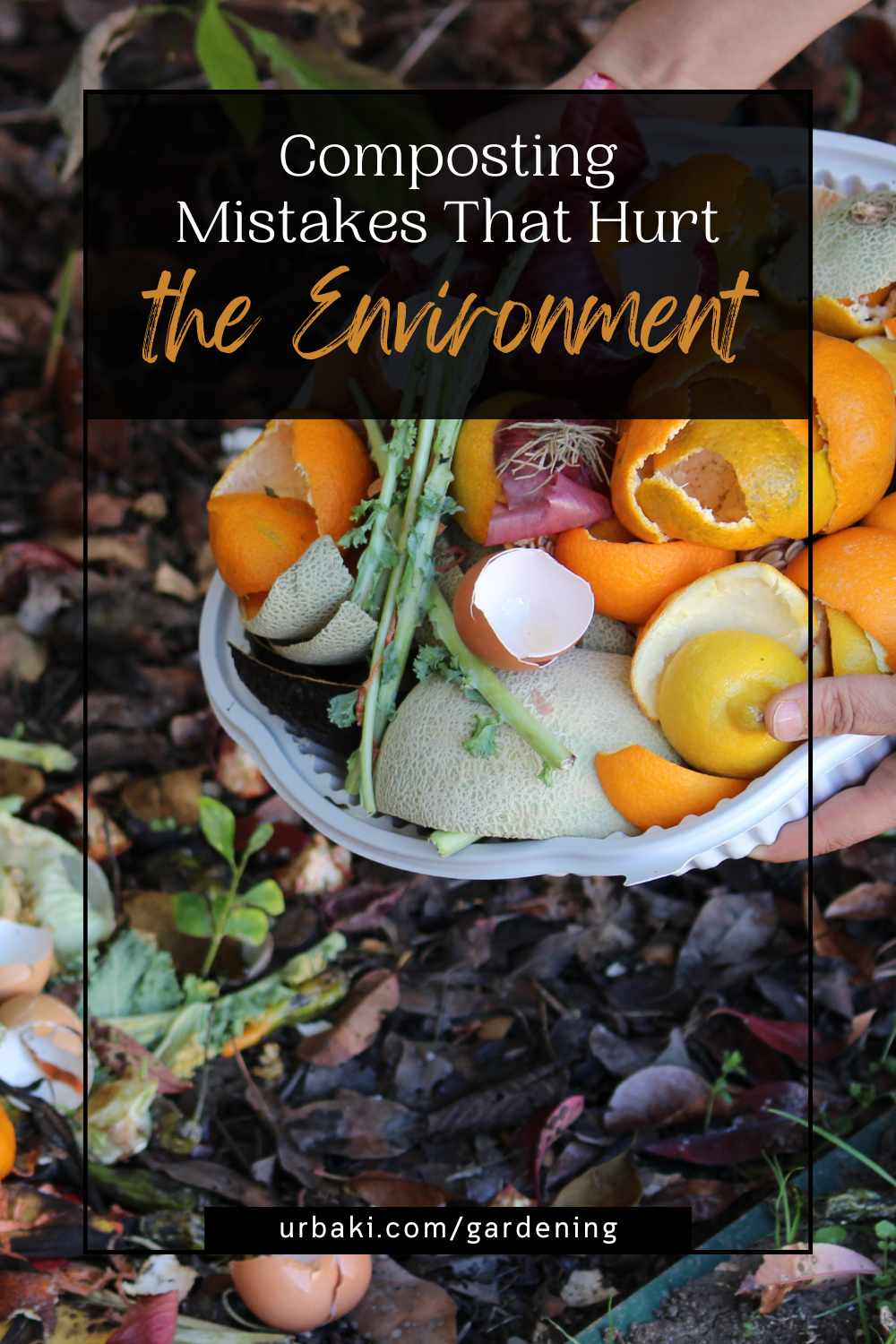
Composting Mistakes That Hurt the Environment


Composting is often seen as one of the most eco-friendly habits we can adopt. It turns kitchen and garden waste into nutrient-rich soil, reduces landfill contributions, and supports healthier plants.
But not all composting is beneficial. When done incorrectly, it can harm the environment, releasing excess greenhouse gases or introducing toxins into the soil.
Understanding the most common composting mistakes can help us build better habits that truly support sustainability.
Adding the Wrong Materials
One of the most frequent missteps is throwing non-compostable items into the pile. While it might seem harmless to toss in leftovers or paper products, not all waste breaks down the same way. Items like glossy magazines, meat scraps, dairy, and oily foods can disrupt the composting process.
Some of these materials attract pests, while others break down anaerobically, producing methane, a potent greenhouse gas.
Plastics, even those labeled as biodegradable, often require industrial settings to decompose and shouldn't be added to home compost systems.
Keeping the pile clean and organic is key to preventing contamination and unnecessary emissions.

Imbalanced Green and Brown Ratio
Successful composting relies on a balance between “greens” (wet, nitrogen-rich materials like vegetable scraps or grass clippings) and “browns” (dry, carbon-rich materials like leaves, cardboard, or straw). Too much of one type can throw the pile off balance.
An overload of greens leads to a sloppy, smelly pile that may emit ammonia and other odors. On the other hand, too many browns can slow down decomposition, making the pile dry and inactive.
When the balance is off, microbial activity decreases, which affects both the quality of the compost and the amount of carbon released during breakdown.
Letting the Pile Go Anaerobic
Composting depends on oxygen. When the pile becomes too compact or wet, it shifts from aerobic (oxygen-based) to anaerobic decomposition. This change significantly increases methane production, turning what should be a climate-friendly process into a polluting one.
Turning the pile regularly allows air to circulate and keeps beneficial microbes active. Neglecting this step might not seem critical, but it can drastically impact the environmental footprint of the compost.
A pile that smells like rotten eggs is a clear sign that oxygen levels are too low.

Using Treated Grass and Plants
It’s tempting to toss all garden waste into the compost bin, but using chemically treated grass or diseased plants can introduce harmful substances. Pesticides and herbicides used in lawns don’t necessarily break down during composting.
If the compost is later applied to a vegetable garden, these chemicals may leach into the food you grow.
Similarly, plants that were affected by mildew, rust, or fungus may carry pathogens into the compost, especially if it doesn’t reach high enough temperatures to kill them.
Compost should always be built from healthy, untreated plant matter to avoid spreading contaminants.
Forgetting About Moisture Control
Just like plants, compost needs the right amount of moisture to thrive. A pile that's too dry won’t decompose efficiently. But overwatering is just as bad—it reduces airflow, suffocates microbes, and creates anaerobic conditions.
Moisture management often gets overlooked, especially in rainy climates or during summer when evaporation speeds up.
Regularly checking the moisture level (ideally, the pile should feel like a wrung-out sponge) helps ensure that decomposition remains steady and clean.

Composting in Plastic Bags or Sealed Bins Without Ventilation
A common misconception is that composting in a plastic bag or sealed container is efficient. In reality, these setups usually prevent airflow, leading to anaerobic breakdown. Compost needs air circulation not only to prevent odors but also to minimize methane production.
If space is limited, small composting bins with proper aeration are a better option. There are compact systems designed for urban settings that allow composting without harming the environment.
Sealing waste in airtight bags and calling it composting is not just ineffective—it’s counterproductive.
Ignoring Temperature
Temperature is a key indicator of microbial activity. Hot composting systems can kill weed seeds and pathogens, but only if they reach the necessary heat range.
If the pile is cold or inactive, harmful organisms might survive and be transferred to your soil.
Low temperatures also slow down decomposition, increasing the chance of rot or pest attraction. Paying attention to heat levels—noticing if the pile warms up or needs adjustment—is an easy way to keep composting both effective and eco-conscious.
Spreading Unfinished Compost
Sometimes, we’re eager to use our compost and spread it before it's fully broken down. Unfinished compost can still contain seeds, pathogens, or harmful bacteria, and may rob the soil of nitrogen as it continues to decompose.
When this happens, the compost not only fails to nourish your plants, but it can also weaken soil health and affect nearby ecosystems.
A fully matured compost pile smells earthy, not sour, and has no visible food scraps. Waiting until it's done pays off in the long run.

Composting Without Purpose
Another subtle mistake is composting just for the sake of it, without considering how you’ll use the finished product. Compost that sits in a pile unused continues to break down and may release stored carbon unnecessarily.
Composting is a tool for soil improvement, not just a waste management system.
By integrating compost back into the garden, you’re supporting natural cycles and improving biodiversity. But letting it pile up without intention can reduce its environmental value.
Did you find this post useful or inspiring? Save THIS PIN to your GARDEN Board on Pinterest!
More Gardening Tips 👇🏼👇🏼