
5 Essentials for Growing Your Own Food Successfully

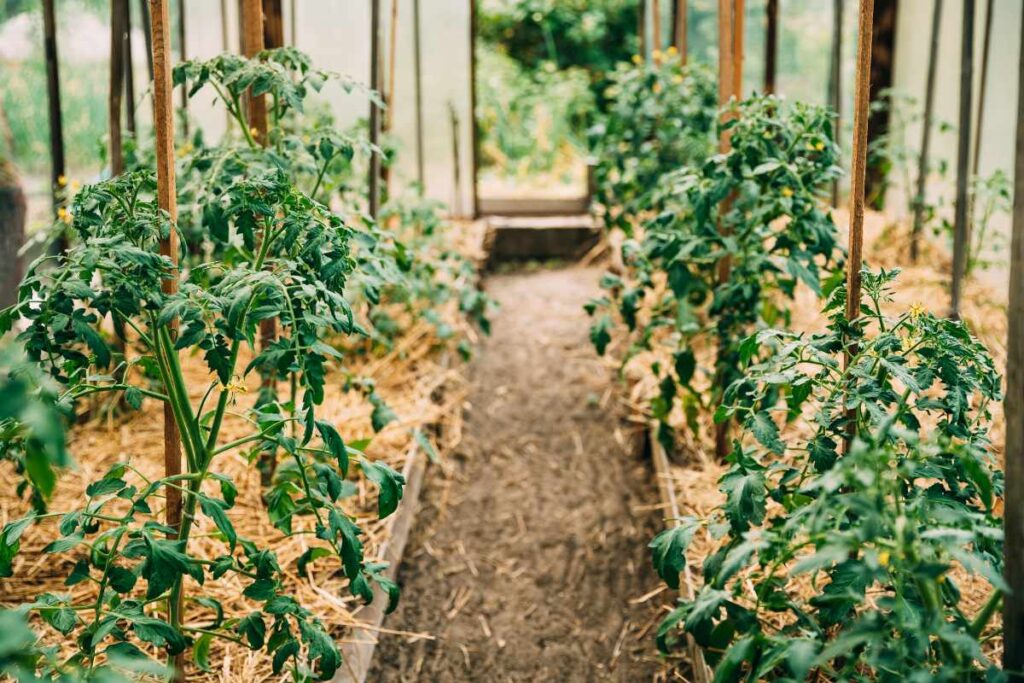
Starting your food garden is one of the most rewarding and sustainable choices you can make.
Whether you're working with a spacious backyard or a small balcony, growing your own produce helps you reconnect with nature, eat healthier, and reduce your environmental impact.
But before you dive into planting, there are a few key elements that can make all the difference.
These five essentials will help set you up for a thriving, productive garden that provides fresh, homegrown food all season long.
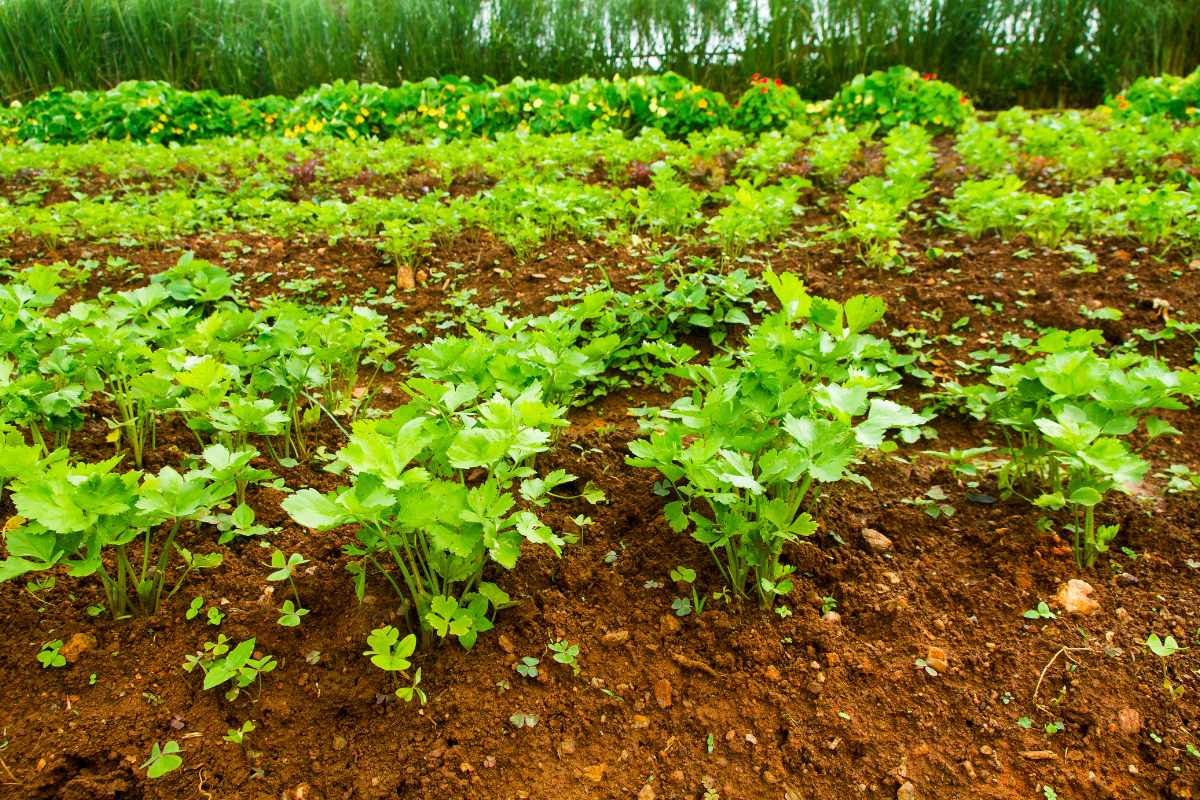
Healthy Soil: The Foundation of Every Garden
No matter what you’re growing, soil quality is everything. Rich, well-draining soil full of organic matter gives your plants the nutrients and structure they need to thrive.
Without it, even the best seeds or strongest plants can struggle.
Start by using compost—either store-bought or homemade—to enrich your soil. You can also add worm castings, aged manure, or mulch to improve structure and moisture retention.
If you're working in containers, choose high-quality potting mixes designed for vegetables and herbs. Good soil leads to stronger roots, better yields, and fewer pests and diseases.
Sunlight: Fuel for Growth
Vegetables and fruits need plenty of sunlight to produce well. Most food crops require at least 6 to 8 hours of direct sunlight each day.
Without enough light, plants grow slowly, become leggy, and may not produce at all.
Observe your space throughout the day and choose the sunniest spots for crops like tomatoes, peppers, or strawberries.
Leafy greens like spinach or lettuce can tolerate a bit more shade, making them perfect for partial-sun locations.
If you're limited on natural light, you can supplement with grow lights to ensure your plants get what they need.
Quality Seeds or Seedlings
Not all seeds are created equal. Choosing organic, non-GMO, and high-quality seeds or seedlings gives your garden a better start.
Look for varieties suited to your climate and season to increase your chances of success.
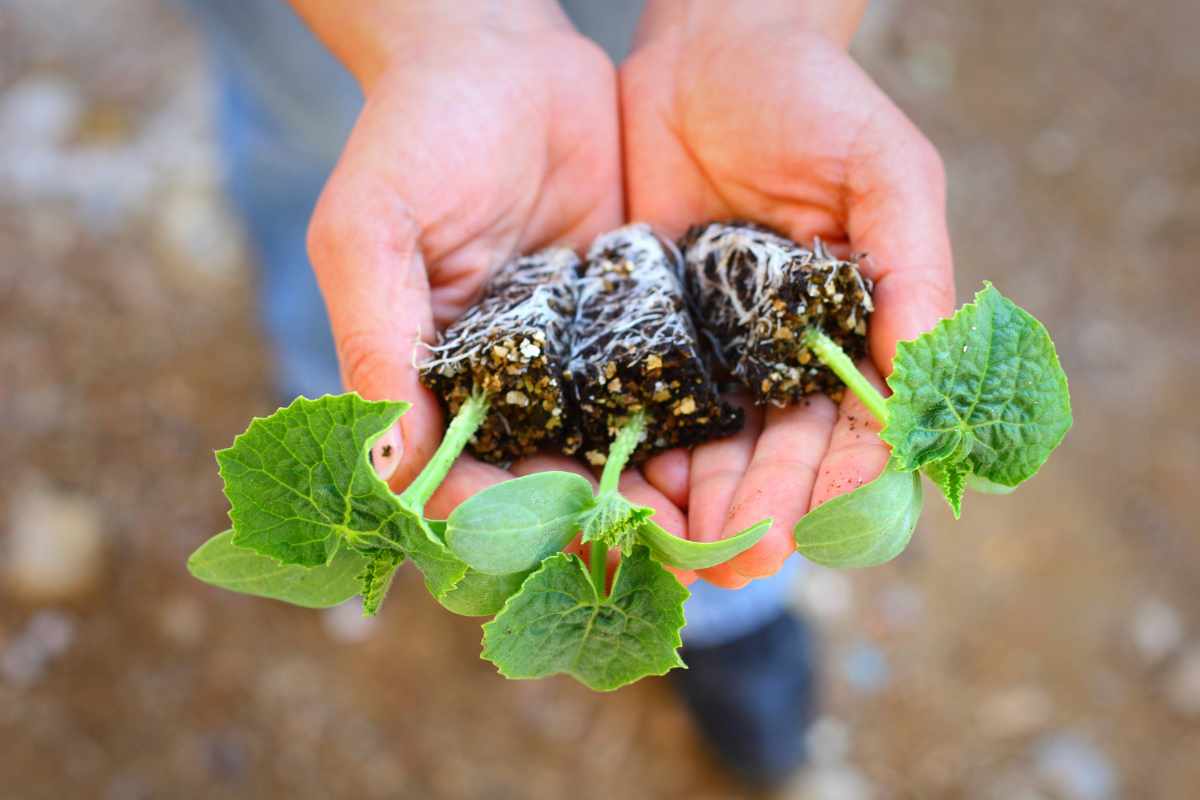
If you're a beginner, starting with seedlings can save time and help you avoid early frustrations. Crops like basil, kale, cherry tomatoes, or zucchini are great starter plants.
As you gain confidence, you can expand your garden with seed trays and experiment with different vegetables.
Reliable Watering System
Consistent moisture is crucial for healthy plant development, especially during the germination and fruiting stages.
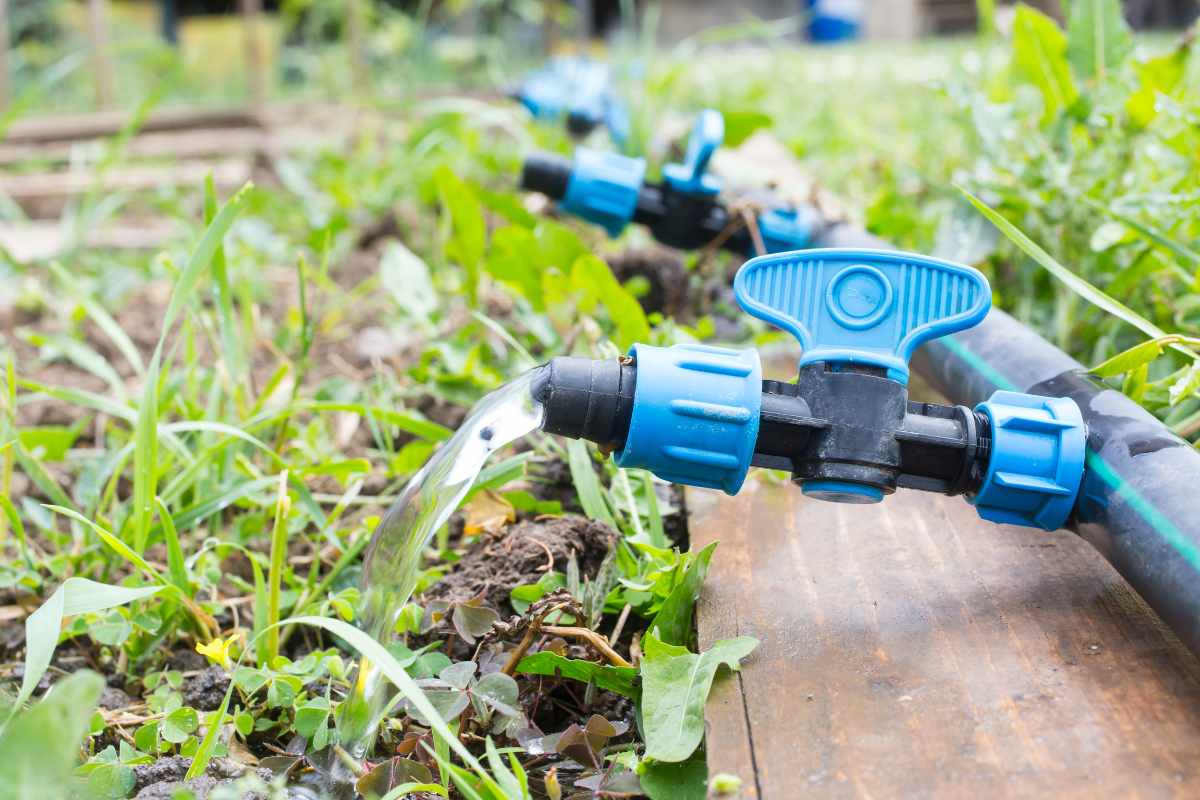
While watering by hand is fine for small gardens, having a reliable system in place will help you maintain your garden without daily stress.
Drip irrigation or soaker hoses are efficient and water-conserving options. They deliver water directly to the soil and roots, minimizing evaporation and reducing the risk of fungal diseases.
If you're container gardening, make sure each pot has good drainage and check moisture levels regularly. Mulching around plants can also help retain moisture and keep weeds down.
Basic Tools and a Little Patience
You don’t need a shed full of gadgets to get started. A few essential gardening tools—like a hand trowel, watering can, pruning shears, and gloves—are more than enough.
These help you plant, maintain, and harvest your crops comfortably.
But perhaps the most important tool is patience. Gardening takes time, and not every seed will sprout exactly as planned.
Weather, pests, or timing can all throw off your expectations. Stay observant, keep learning, and enjoy the process—watching your food grow is a truly satisfying experience.
Did you find this post useful or inspiring? Save THIS PIN to your GARDEN Board on Pinterest!

More Gardening Tips 👇🏼👇🏼