
Hibiscus Flower: 10 Tips For Year-Round Blooms

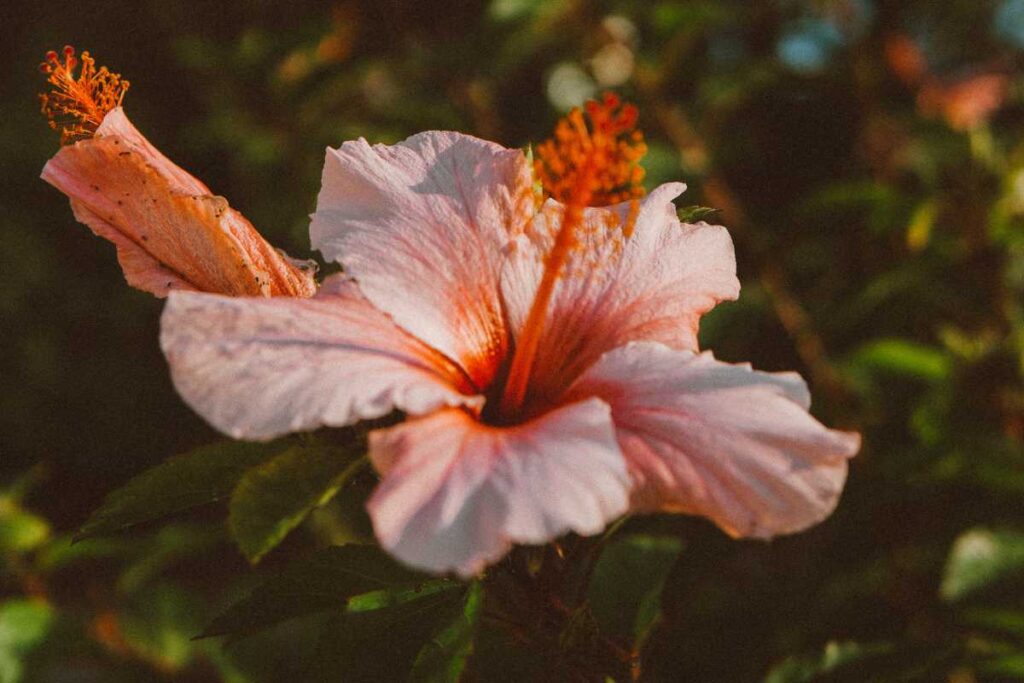
If your hibiscus flower dazzles in summer but fades the rest of the year, a few precise tweaks can keep buds coming in a steady rhythm.
Consider this your friendly Hibiscus Care Guide, built around ten field-tested tips that fit patios, balconies, and garden beds alike. You’ll learn How To Care For Hibiscus Plants through light, water, feeding, and pruning that work together to fuel continuous color.
Below, we group the tips into practical themes—sun, moisture, nutrition, training, and environment—so you can apply them today.
Whether you’re nurturing a Summer Garden Hibiscus Plant or a hardy shrub that sleeps through frost, these strategies turn good habits into nonstop bloom.
Hibiscus Flower Basics: Light & Location
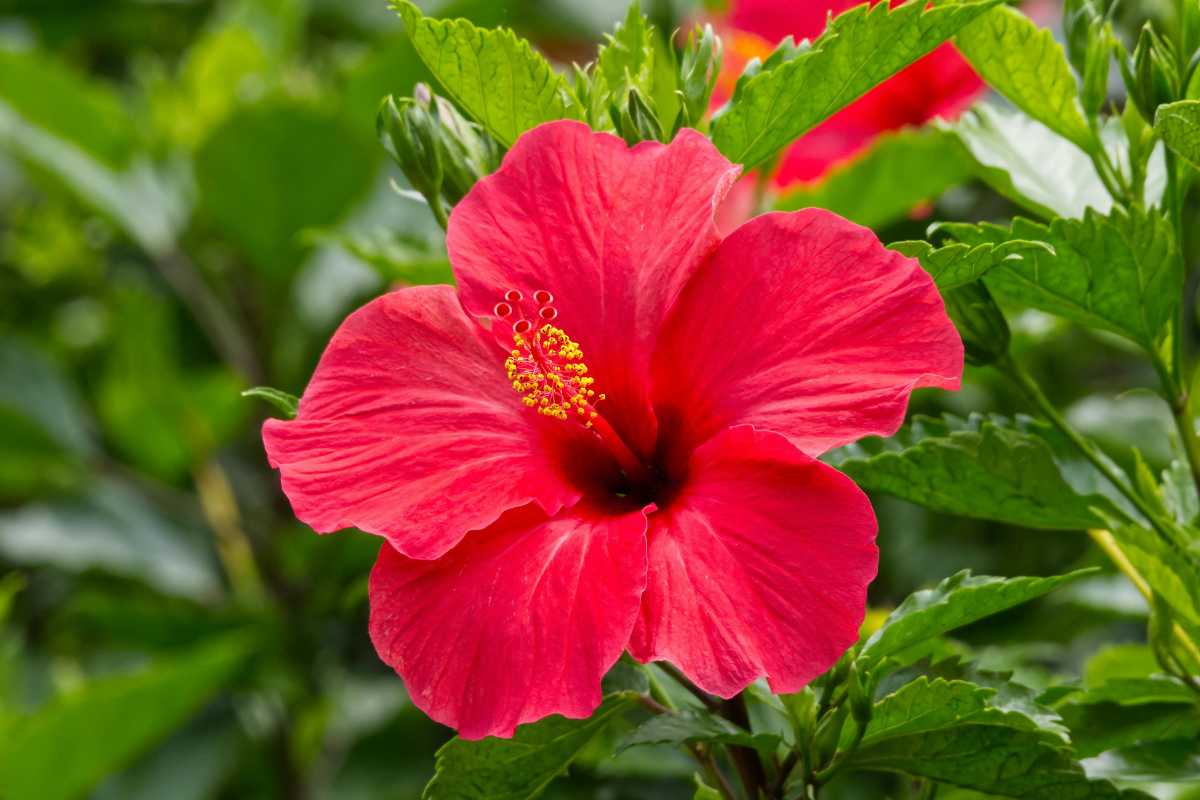
Tip 1 — Give it full sun most days. Aim for 6–8 hours of direct light. Bud production is light-powered, so partial shade usually means fewer flowers.
If trees or fences have crept into the sun path, reposition containers or thin competing branches to restore exposure. This is core to any Hibiscus Plant Maintenance Guide.
Tip 2 — Move pots with the seasons. As the sun angle shifts, so should your planters. Roll containers a quarter-turn every week to keep growth even, especially if you’re training a feature shrub for Front Entry Landscaping.
Balanced light prevents leggy stems and keeps the canopy packed with buds.
Tip 3 — Match plant to climate. Tropical hibiscus deliver best in warm conditions; a Hardy Hibiscus Plant (like Hibiscus moscheutos) handles cold, then rockets back in late spring.
Choose the right type for your region so “year-round” means active bloom in your warm season and healthy dormancy in winter.
Water & Soil: Consistency Over Guesswork
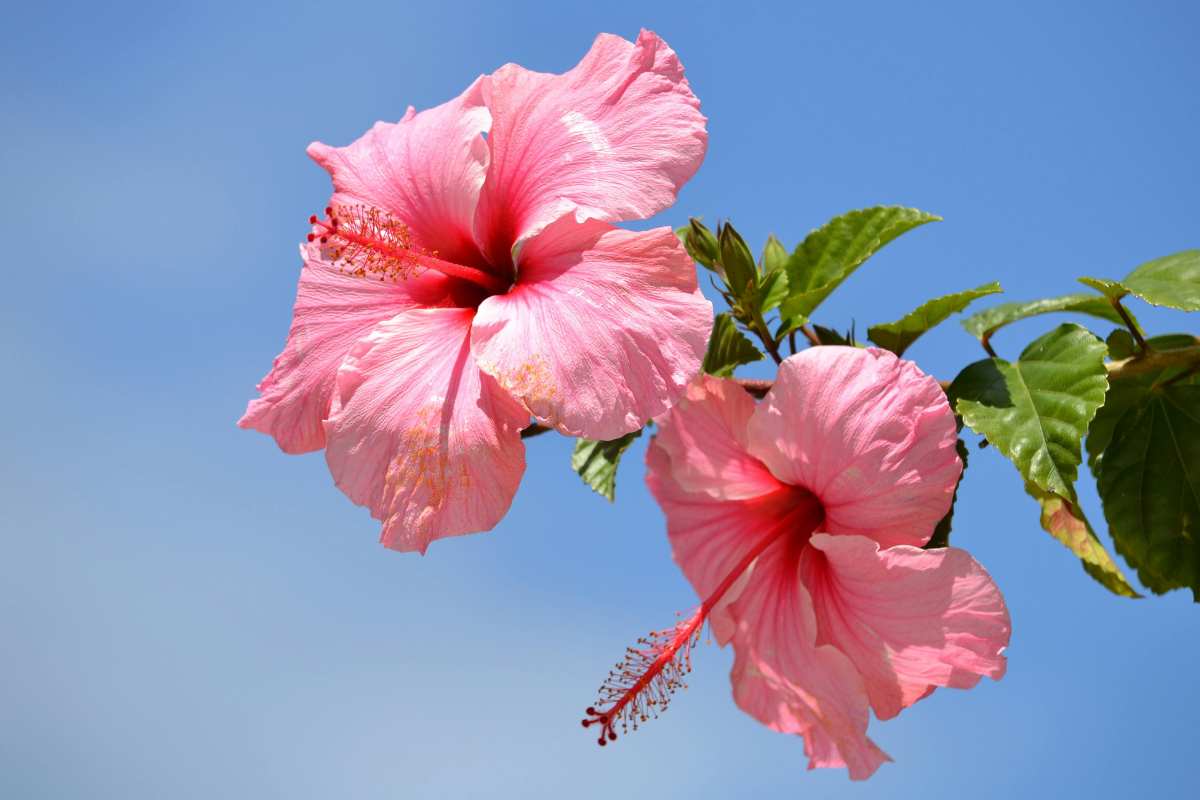
Tip 4 — Water deeply, then let the top inch dry. Shallow sips = shallow roots. Soak the root ball until water drains, then hold off until the surface dries.
This rhythm reduces bud drop and supports a steady queue of blooms. Mulch 5–7 cm (2–3 in.) to buffer moisture without touching the trunk.
Tip 5 — Improve drainage to prevent sulks. Hibiscus love moisture but resent soggy feet. Use a chunky, peat-free potting mix in containers, and amend beds with compost to loosen clay.
If bud tips yellow or abort, check the saucer: standing water can quietly cancel your next wave of Cherry-red or Pink Hibiscus In Garden flowers.
Tip 6 — Feed little and often in the bloom phase. A balanced, slow-release base in spring plus light liquid feeds every 2–3 weeks keeps energy flowing to buds.
Avoid heavy nitrogen (lawn fertilizer drift is a classic culprit) or you’ll grow leaves at the expense of flowers.
Training, Pruning & Bud Protection
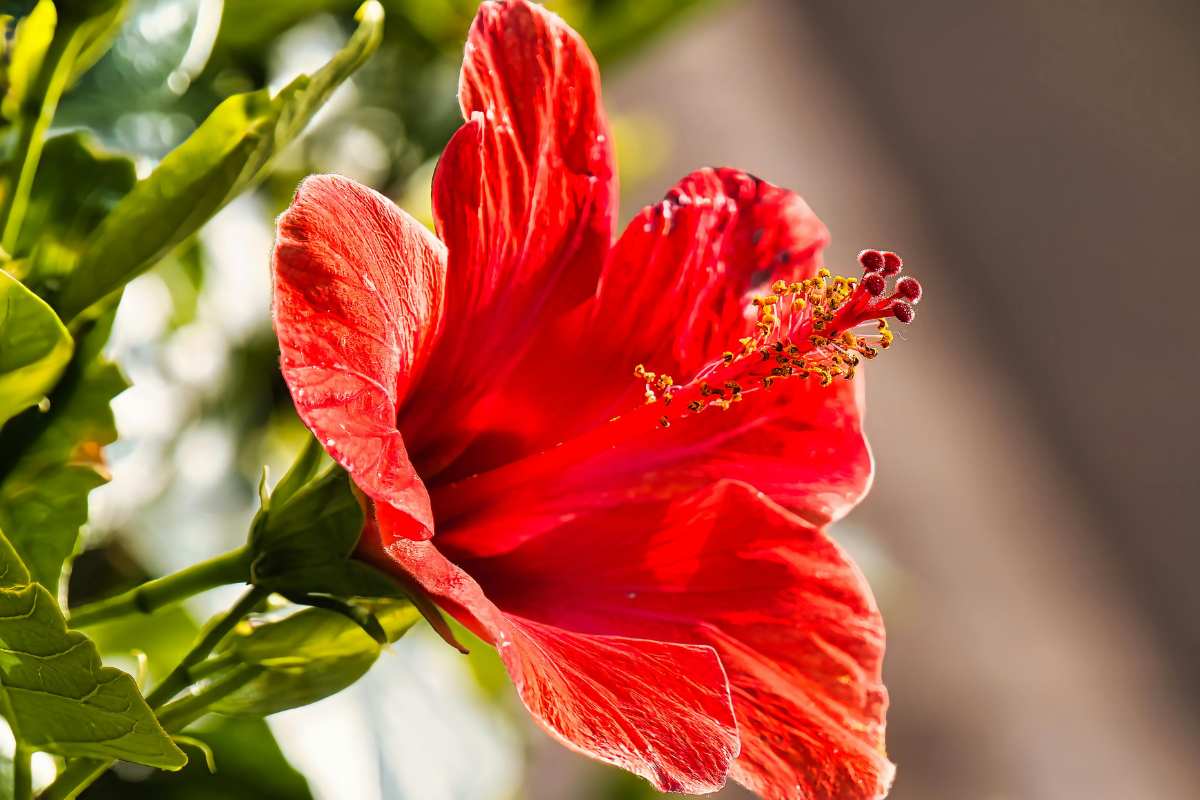
Tip 7 — Prune at the right time. Many hibiscus set next season’s flower buds on current-year wood. The safest window for shaping is right after flowering slows.
Remove dead, crossing, or inward-growing shoots, then tip-prune to encourage branching. This simple step sits at the heart of smart Hibiscus Garden Maintenance.
Tip 8 — Pinch for more bloom sites. On vigorous shoots, pinch soft tips during active growth to trigger side branches. More tips = more spurs for flowers.
Stake early if winds are strong, especially for statuesque cultivars or when training a specimen for a dramatic entrance in your Front Entry Landscaping.
Tip 9 — Deadhead with intention. Spent blooms turn to seed, rerouting energy away from new buds. Snip or twist off faded flowers daily during peak flushes. This quick habit is an underrated secret in every “How To Grow Hibiscus” success story.
Environment: Temperature, Pests & Stress
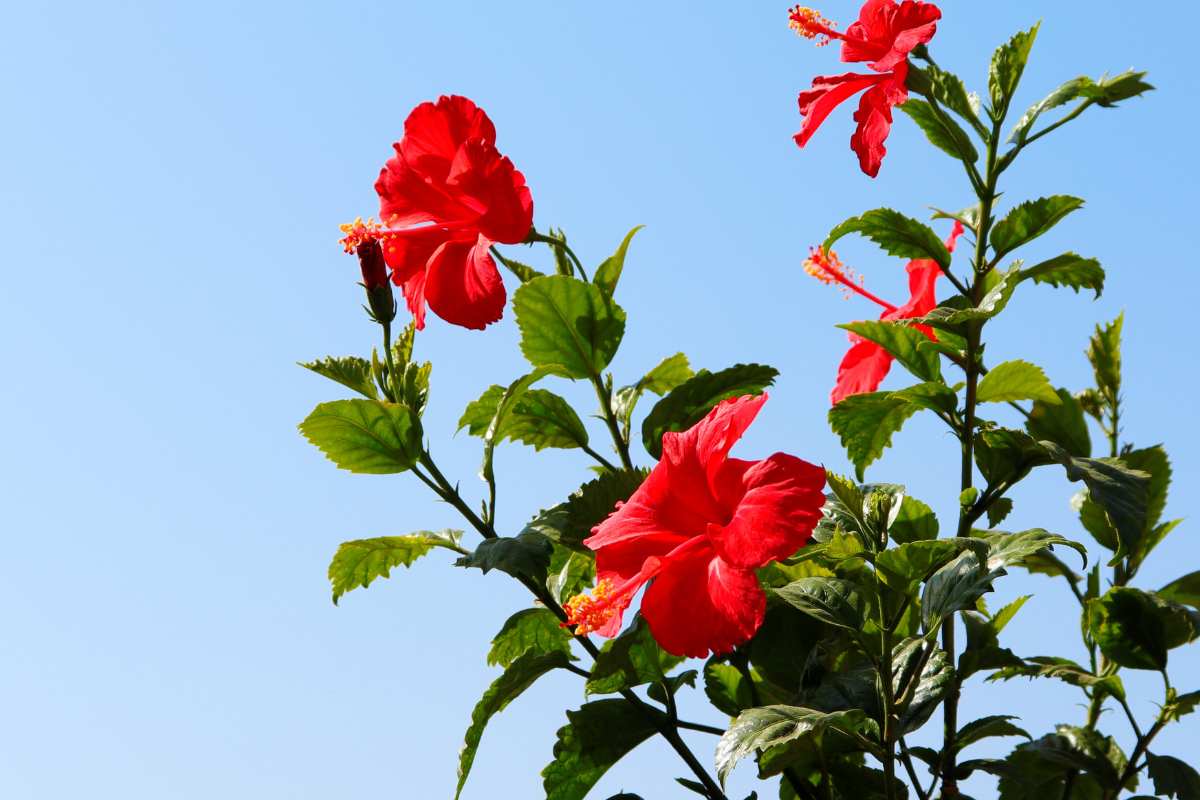
Tip 10 — Guard against temperature swings. Sudden chills or heat spikes can cause bud drop. In shoulder seasons, pull containers close to walls that radiate warmth at night, or drape a light frost cloth when a cold snap looms.
Indoors, keep plants away from heater vents and cold drafts to protect the delicate hibiscus flower buds.
Bonus — Keep pests in check, gently. Aphids, whiteflies, and spider mites stress plants and reduce blooms. A strong water blast, followed by horticultural soap per label, usually restores balance without harming pollinators. Healthy leaves equal a reliable bloom engine.
Bonus — Refresh tired soil annually. Top-dress containers with 2–3 cm of compost in spring and repot every 1–2 years. In beds, renew mulch and add organic matter to maintain a loose, fertile structure that roots can explore.
Picking Cultivars & Setting Expectations
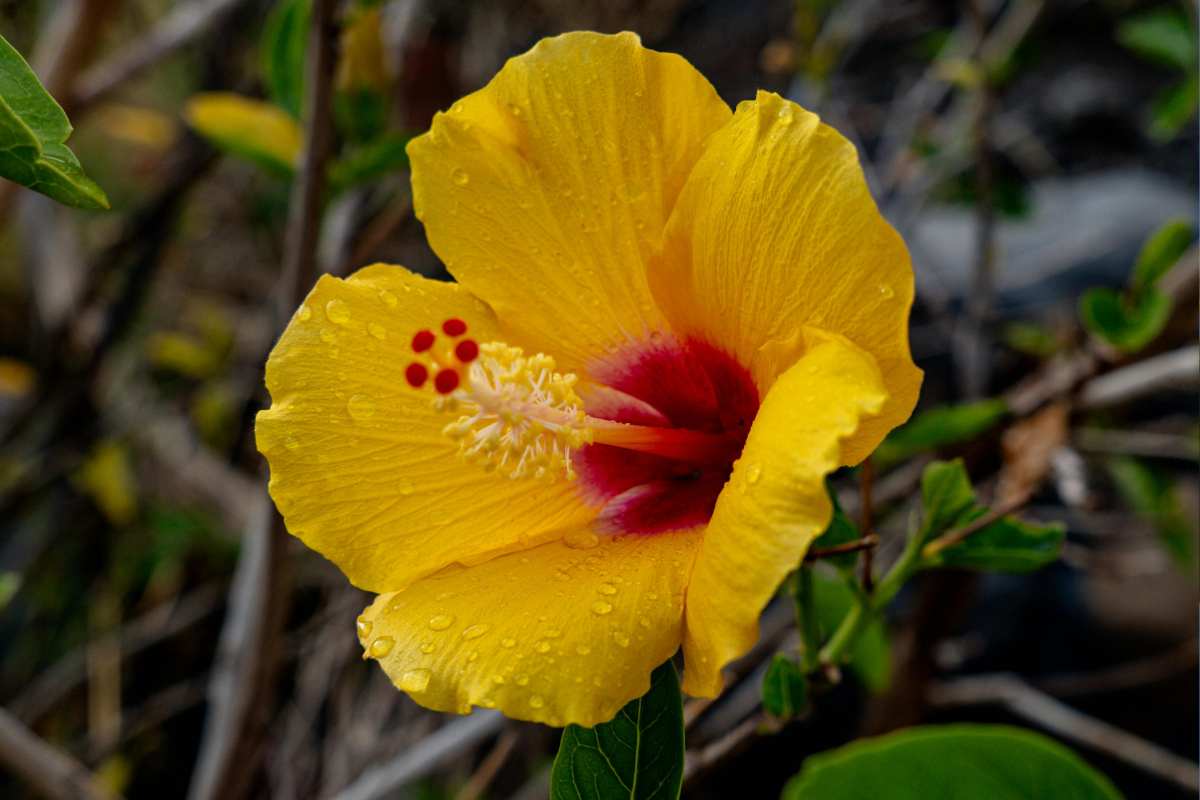
Some varieties flower in big, dramatic waves; others push smaller but steadier flushes. If you love eccentric forms, explore named selections and tailor care accordingly.
For example, Fifth Dimension Hibiscus Care follows the tropical playbook—bright light, consistent moisture, and modest, regular feeding—yet still benefits from careful wind protection and rotation for even growth.
Prefer an early-morning pastel show near the porch? A Pink Hibiscus In Garden container pair can flank steps to lift curb appeal.
Want bolder color all summer? Train a compact shrub in a glazed pot as the anchor for your seating area. Both approaches fit the “How To Grow Hibiscus” mantra: right plant, right place, right routine.
Putting It All Together (Your Mini Plan)
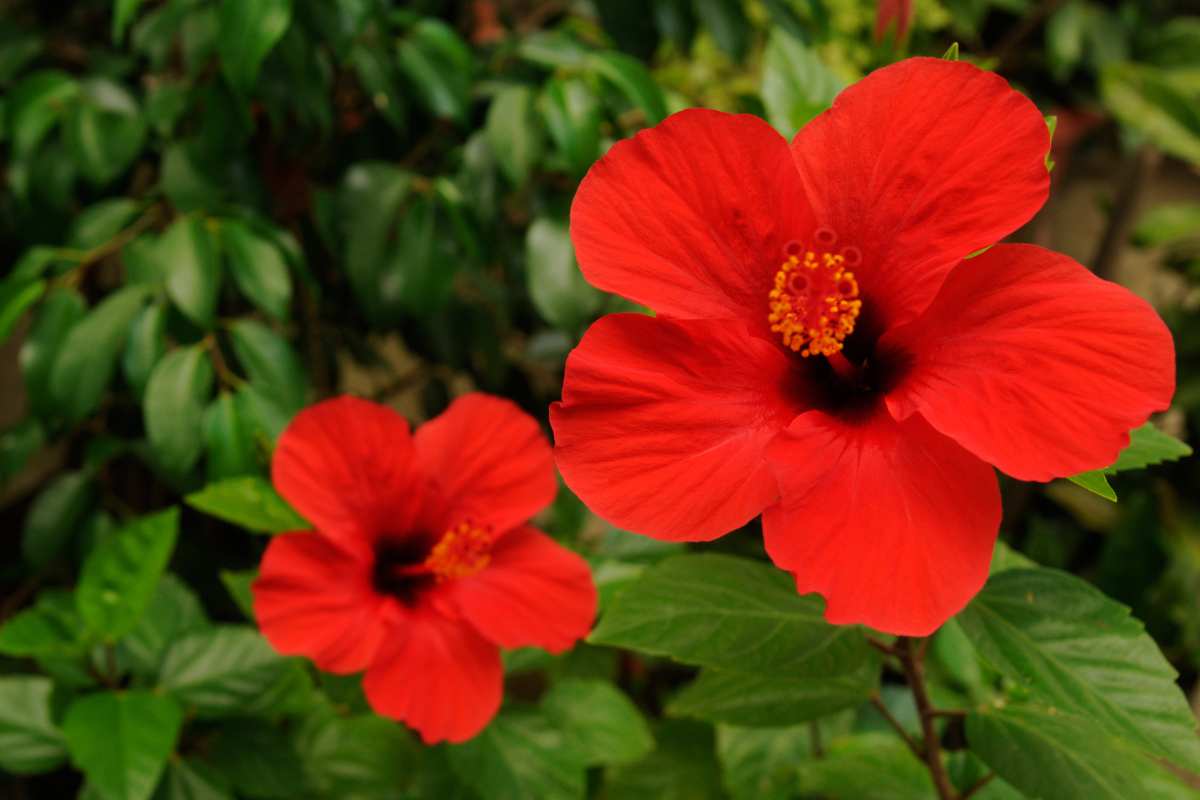
Morning checklist: confirm sun exposure, check the top inch of soil, and scan for pests.
Weekly: rotate containers, deadhead, and give a light feed during active growth.
Monthly: tip-prune lightly after a bloom wave, refresh mulch, and inspect stakes.
Seasonal: repot or root-prune container plants, and winterize tender types while your Hardy Hibiscus Plant rests.
Follow this cadence and you’ll turn a single flush into a rolling calendar of color. It’s a practical, real-world Hibiscus Plant Maintenance Guide you can adapt for any space—from a tiny balcony to a broad path framed by hibiscus and grasses.
Troubleshooting Shortfalls Fast
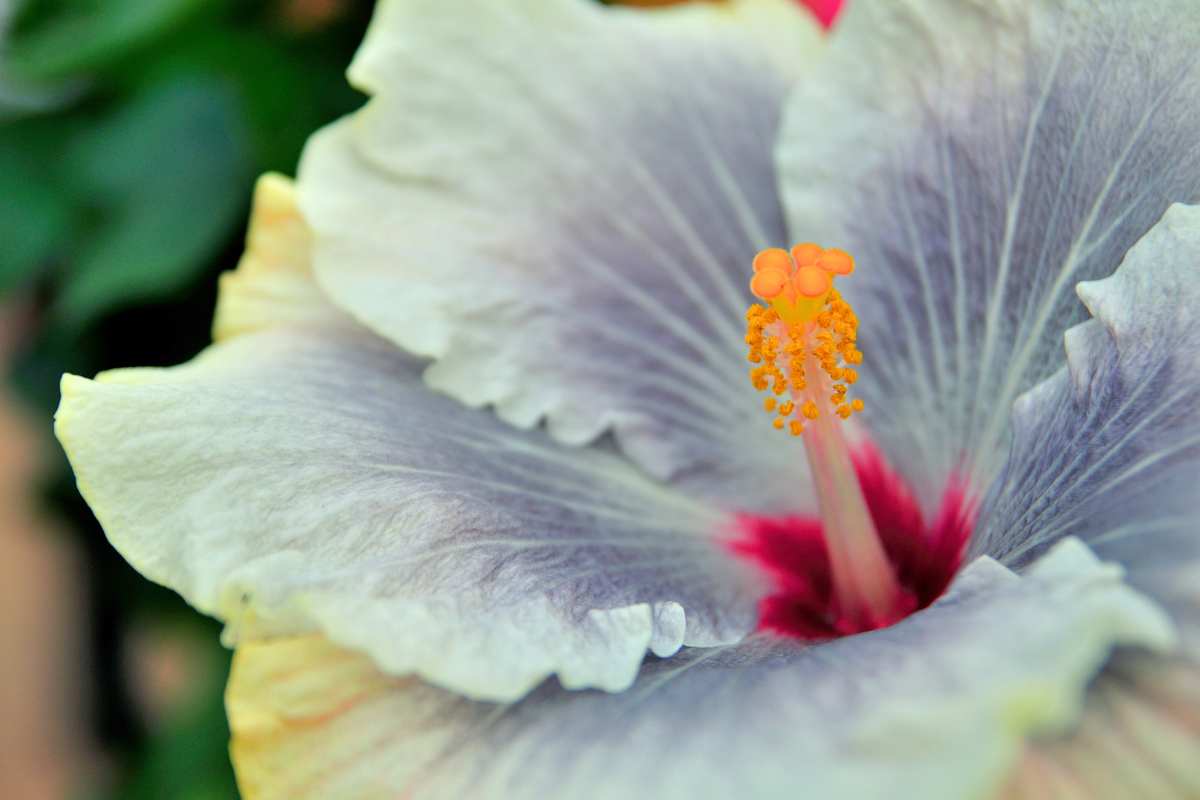
If buds form but drop: stabilize watering and shelter from sudden drafts. If leaves thrive but blooms stall: cut back on nitrogen, increase light, and add a bloom-balanced liquid feed. If growth is weak overall: repot with a well-drained mix and check that the root flare isn’t buried.
Remember, stress today shows up as missing flowers tomorrow. Stay consistent, and your hibiscus flower display will stack wave after wave of color through the warm season—and rebound quickly after cool spells.
Explore More
Enjoyed this guide? Dive into more practical ideas for vibrant entries, small-space designs, and all-season color.
You’ll find inspiration for Front Entry Landscaping, checklists for Hibiscus Garden Maintenance, and deep-dive tutorials on How To Care For Hibiscus Plants so your blooms keep coming.
More Gardening Tips 👇🏼👇🏼