
How Can You Extend the Growing Season into Fall?


As summer comes to an end, many gardeners lament the close of the growing season. However, with a bit of planning and effort, you can extend your gardening activities well into the fall.
Whether you're growing vegetables, herbs, or flowers, there are several strategies you can employ to keep your garden thriving even as temperatures drop.
In this guide, we'll explore practical tips and techniques to extend the growing season and make the most of your garden in the cooler months.
1. Choose Cold-Hardy Plants
One of the simplest ways to extend your growing season is by selecting cold-hardy plants. These plants can withstand cooler temperatures and even light frosts, making them ideal for fall gardening. Some excellent options include:
- Leafy Greens: Kale, spinach, and Swiss chard are not only nutritious but also thrive in cooler weather.
- Root Vegetables: Carrots, beets, and radishes can be grown in the fall and often taste sweeter when harvested after a frost.
- Brassicas: Broccoli, Brussels sprouts, and cabbage are all members of the brassica family that do well in cooler temperatures.
Tip: Start planting these crops in late summer so they have time to mature before the first hard frost.

2. Utilize Season Extenders
Season extenders are tools and techniques that help protect plants from the cold, thereby extending their growing period. Here are some popular methods:
- Row Covers: Lightweight fabric covers can be placed over plants to protect them from frost and wind. They allow light and moisture to reach the plants while providing insulation.
- Cold Frames: These are mini-greenhouses that trap heat from the sun, creating a warmer environment for plants. Cold frames are excellent for starting seeds early in spring or extending the harvest in fall.
- Greenhouses: For a more substantial investment, greenhouses offer the most control over temperature and humidity, allowing for year-round gardening in many climates.
Tip: Use bricks or stones to hold down row covers and cold frames, preventing them from blowing away in strong winds.
3. Practice Succession Planting
Succession planting is a technique where you plant new crops as others finish, ensuring a continuous harvest. This method is particularly useful for extending the growing season because it maximizes the use of garden space and takes advantage of the cooler fall weather.
- Fast-Maturing Crops: Plant quick-growing vegetables like radishes, lettuce, and spinach after summer crops are harvested. These can often be ready to harvest in as little as 30-45 days.
- Staggered Planting: Instead of planting all your seeds at once, stagger plantings every two weeks. This results in a staggered harvest, providing fresh produce over an extended period.
Tip: Monitor the weather forecast closely. Be prepared to protect young seedlings from unexpected early frosts with covers or cloches.
4. Improve Soil Quality
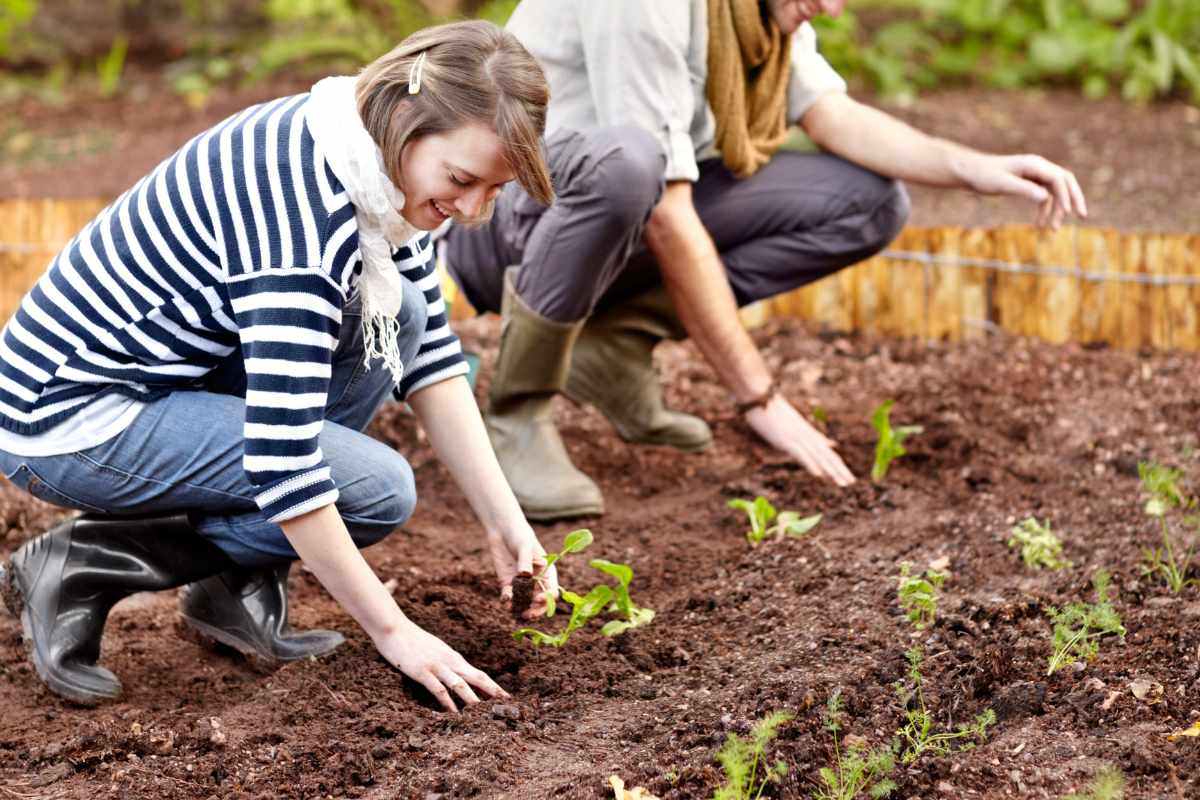
Healthy soil is crucial for extending the growing season. As the summer progresses into fall, replenish nutrients and improve soil structure to support continued plant growth.
- Compost: Adding compost to your soil improves its fertility and structure, providing essential nutrients to your plants.
- Mulch: Applying a layer of mulch helps retain soil moisture, suppress weeds, and regulate soil temperature. Organic mulches, like straw or shredded leaves, gradually decompose, adding nutrients to the soil.
- Cover Crops: Planting cover crops like clover or rye can improve soil health and structure. These crops can be tilled into the soil in the spring, providing organic matter and nutrients.
Tip: Avoid using too much fertilizer late in the season, as it can encourage new growth that may not withstand the colder weather.
5. Optimize Sunlight and Warmth
As the days shorten and temperatures drop, maximizing the sunlight and warmth your garden receives is crucial for extending the growing season.
- Orient Rows North to South: This orientation maximizes sunlight exposure, helping to warm the soil and plants.
- Use Dark-Colored Mulch: Dark materials absorb more heat from the sun, which can help keep the soil warmer.
- Reflective Surfaces: Place reflective materials, such as aluminum foil or white boards, around plants to bounce additional light and warmth onto them.
Tip: Pay attention to microclimates in your garden. Areas near walls or buildings may retain more heat and be suitable for late-season planting.
6. Protect Plants from Frost
Frost is one of the biggest threats to extending the growing season. However, with proper precautions, you can shield your plants from the cold.
- Watering: Well-watered soil holds more heat than dry soil, which can protect roots from freezing.
- Covering Plants: Use blankets, sheets, or commercial frost cloths to cover plants overnight. Remove covers in the morning to allow sunlight to reach the plants.
- Harvesting Early: If a hard frost is predicted, consider harvesting any remaining crops. Many vegetables, like tomatoes and peppers, can be ripened indoors if picked green.
Tip: Keep a thermometer in your garden to monitor temperatures closely and take action when frost is expected.
By implementing these strategies, you can significantly extend your growing season into the fall, enjoying fresh produce and beautiful plants longer than ever.

Did you find this post Useful or Inspiring? Save THIS PIN to your GARDENING Board on Pinterest!
Once again, thank you for visiting our website!
We hope you've enjoyed exploring the content we've created for you.
Give yourself the chance to learn, get inspired, and have even more fun, keep browsing...
More Gardening Tips 👇🏼👇🏼