
How Charcoal Can Boost Your Garden Soil

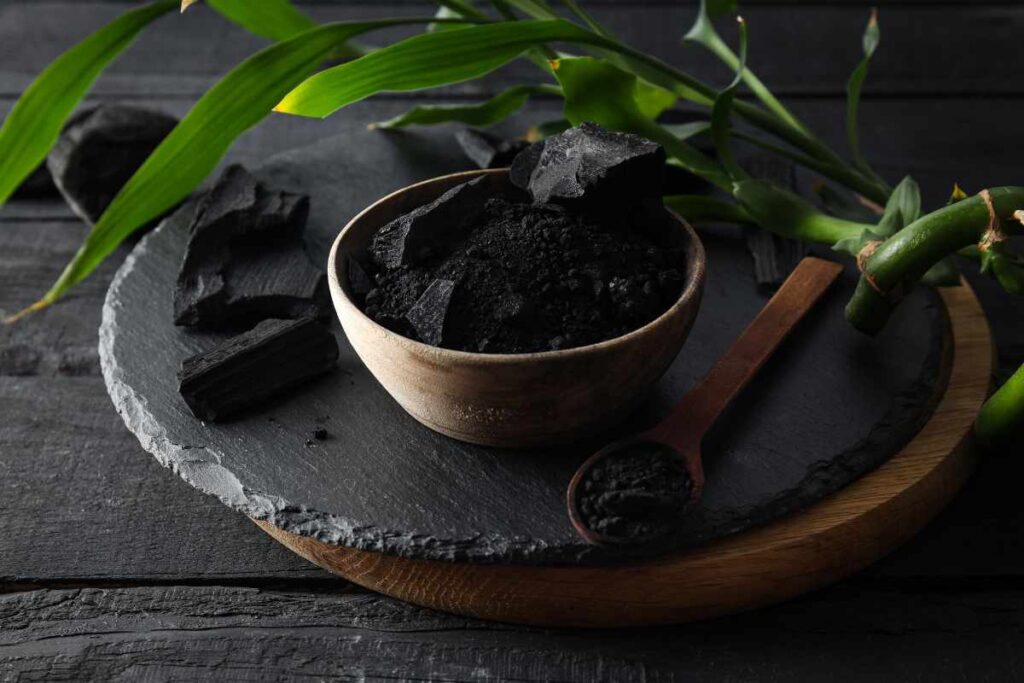
Charcoal proves to be a marvelous ally, offering not only cost-effectiveness but also the potential to boost both your garden's soil health and the growth of your plants.
As we look at its many benefits, you'll see how this simple material can make a real difference in your garden.
In this article, we'll go over the many advantages of adding charcoal to your gardening routine.
From enhancing soil structure to promoting nutrient absorption, charcoal's transformative properties are bound to redefine the way you nurture your plants.
Enhancing Soil Structure
Boosting soil porosity becomes a breeze with the introduction of charcoal. By enhancing aeration and drainage, it creates an environment where plant roots thrive.
Simultaneously, it champions water retention, tackling erosion, and shielding plants from water stress.
Additionally, its soil cohesion magic reduces compaction, offering roots the space they need to flourish.
Elevating Soil Fertility
The nutrient-rich composition of charcoal is a boon for soil fertility. Packed with essential micro and macronutrients like potassium, calcium, magnesium, and phosphorus, it becomes a nutritional powerhouse for plants.
This carbon wizardry extends to improving nutrient absorption by plant roots, ensuring they have access to the sustenance they need.
Furthermore, acting as a carbon reservoir, it adds a layer of sophistication to soil, enhancing its ability to retain carbon and diminish atmospheric emissions.
Stimulating Microbial Activity
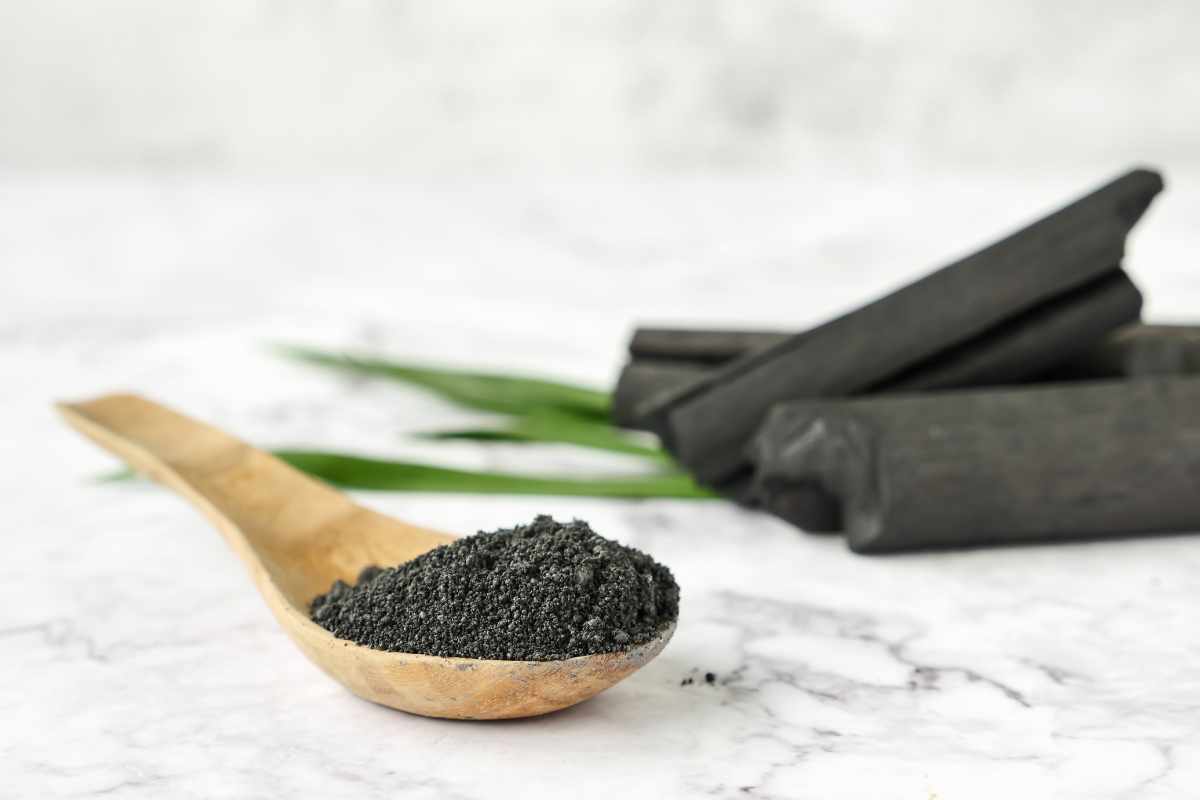
Charcoal sets the stage for a microbial masterpiece in the soil. It fosters an environment conducive to the proliferation of beneficial microorganisms, including bacteria and fungi.
These microscopic allies play a pivotal role in breaking down organic matter, releasing essential nutrients, and bolstering overall soil health.
As a bonus, they become natural allies in the battle against diseases and pests, fortifying your plants from the ground up.
Other Remarkable Benefits
The versatility of charcoal doesn't stop at soil enrichment. It boasts the power to alkalize the soil, balancing pH levels for optimal plant growth.
Playing the role of a water purifier, charcoal filters and cleanses water, reducing the presence of contaminants.
As a formidable ally against root rot and fungal diseases, its contributions to plant health extend beyond the surface.
How to Incorporate Carbon into Your Plants
Adding charcoal to your gardening routine is easy, and there are a few ways to do it:
- Blend it into the soil during planting or transplanting.
- Apply it as a surface cover around your cherished plants.
- Prepare a charcoal tea, offering a nutrient-rich elixir for watering plants.
- Utilize charcoal pieces strategically as sturdy supports for climbing or epiphytic plants.
Crucial Considerations
If you're starting to use carbon for your plants, keep these key points in mind:
- Opt for plant-friendly charcoal types, especially biochar, designed specifically for agricultural use.
- Embrace smaller or medium-sized charcoal pieces to ensure seamless absorption by plants.
- Exercise moderation, recognizing that an excess of charcoal can influence soil pH and hinder nutrient absorption.

The incorporation of charcoal into your gardening practices unfolds a new chapter in the story of your plants. Following recommended guidelines ensures a harmonious symphony of soil health and flourishing plant life.
Give charcoal a try and enjoy a healthier, more vibrant garden.
The future of your garden awaits its carbon-powered revival.
Did you find this post Useful or Inspiring? Save THIS PIN to your GARDENING Board on Pinterest!
Once again, thank you for visiting our website!
We hope you've enjoyed exploring the content we've created for you.
Give yourself the chance to learn, get inspired, and have even more fun, keep browsing...
More Gardening Tips 👇🏼👇🏼