
How Does Climate Change Affect Gardening Practices?

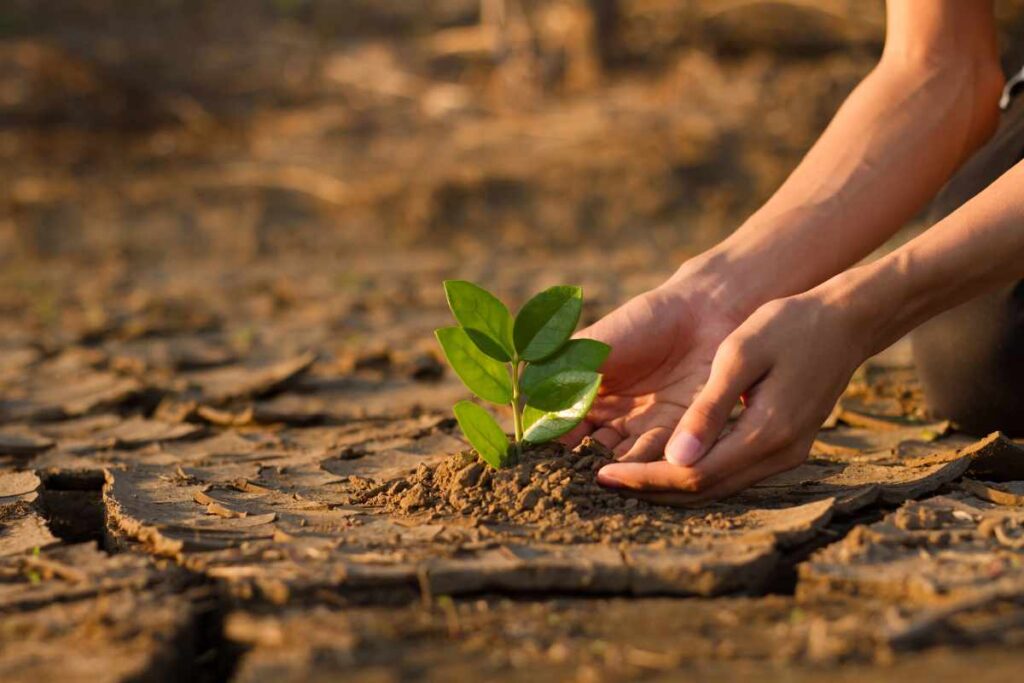
Climate change is no longer a distant threat; it’s a present reality that affects various aspects of our lives, including our gardening practices.
As temperatures rise, weather patterns shift and extreme events become more frequent, gardeners must adapt to these new conditions.
Understanding how climate change impacts gardening can help you develop resilient practices to maintain a thriving garden.
With the right strategies, you can protect your plants from the adverse effects of climate fluctuations and ensure a sustainable, productive garden for the future.
This adaptability not only supports your gardening efforts but also contributes to broader environmental sustainability.
1. Changing Temperature Patterns
Warmer Winters
One of the most noticeable effects of climate change is the increase in average temperatures, including warmer winters.
While this might sound like a blessing, it disrupts the natural cycles that many plants rely on.
Perennial plants and fruit trees, for instance, need a period of cold dormancy to produce blooms and fruit in the spring. Without sufficient chilling hours, these plants may fail to flower or yield properly.
Hotter Summers
Hotter summers pose significant challenges to gardeners. Extended heatwaves can stress plants, leading to wilting, sunburn, and increased water demand.
Heat-tolerant varieties and proper watering techniques become essential to keep your garden flourishing during extreme temperatures. Mulching is also a valuable practice to help retain soil moisture and keep roots cool.
2. Shifts in Growing Zones
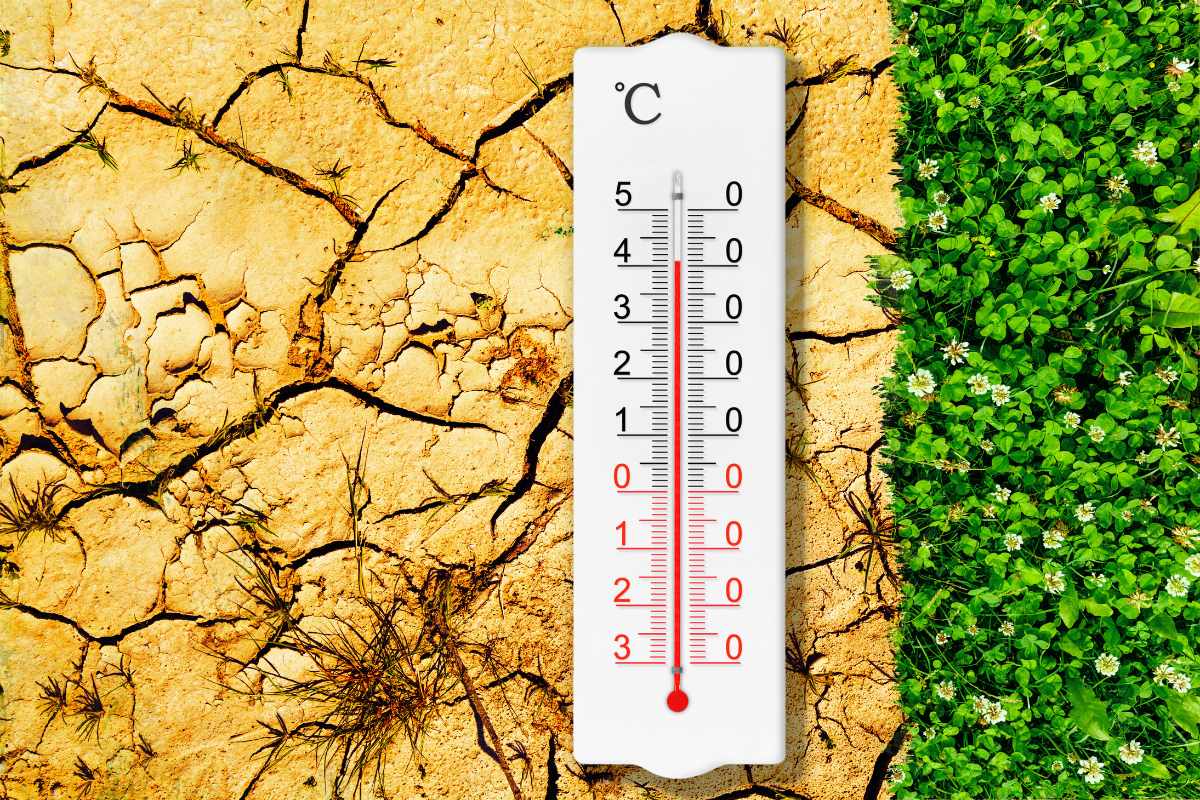
USDA Hardiness Zones are shifting due to changing climate conditions. Plants that once thrived in your region may struggle, while others previously unsuitable might now grow well.
It’s crucial to stay updated on the latest zone maps and adjust your plant choices accordingly.
This shift means embracing new varieties and perhaps letting go of old favorites that can no longer withstand the local climate.
3. Altered Precipitation Patterns
Increased Rainfall
In some regions, climate change is causing increased rainfall and more intense storms. This can lead to waterlogged soil and root rot, which can be detrimental to plants. Raised beds and improved drainage systems can help mitigate these issues.
Additionally, selecting plants that tolerate wet conditions can keep your garden healthy during rainy periods.
Drought Conditions
Conversely, other areas may experience prolonged droughts, making water conservation a priority. Drought-resistant plants, xeriscaping, and efficient irrigation methods like drip systems become critical.
Rainwater harvesting and using greywater for irrigation are sustainable practices that can help maintain your garden during dry spells.
4. Pest and Disease Pressure
New Pests
Climate change is also altering the range and behavior of pests. Warmer temperatures allow pests to survive and reproduce in areas where they previously couldn’t, increasing the likelihood of infestations.
Gardeners may need to adopt new integrated pest management strategies to address these emerging threats.
Monitoring your garden regularly and using organic pest control methods can help manage pest populations.
Increased Disease Incidence
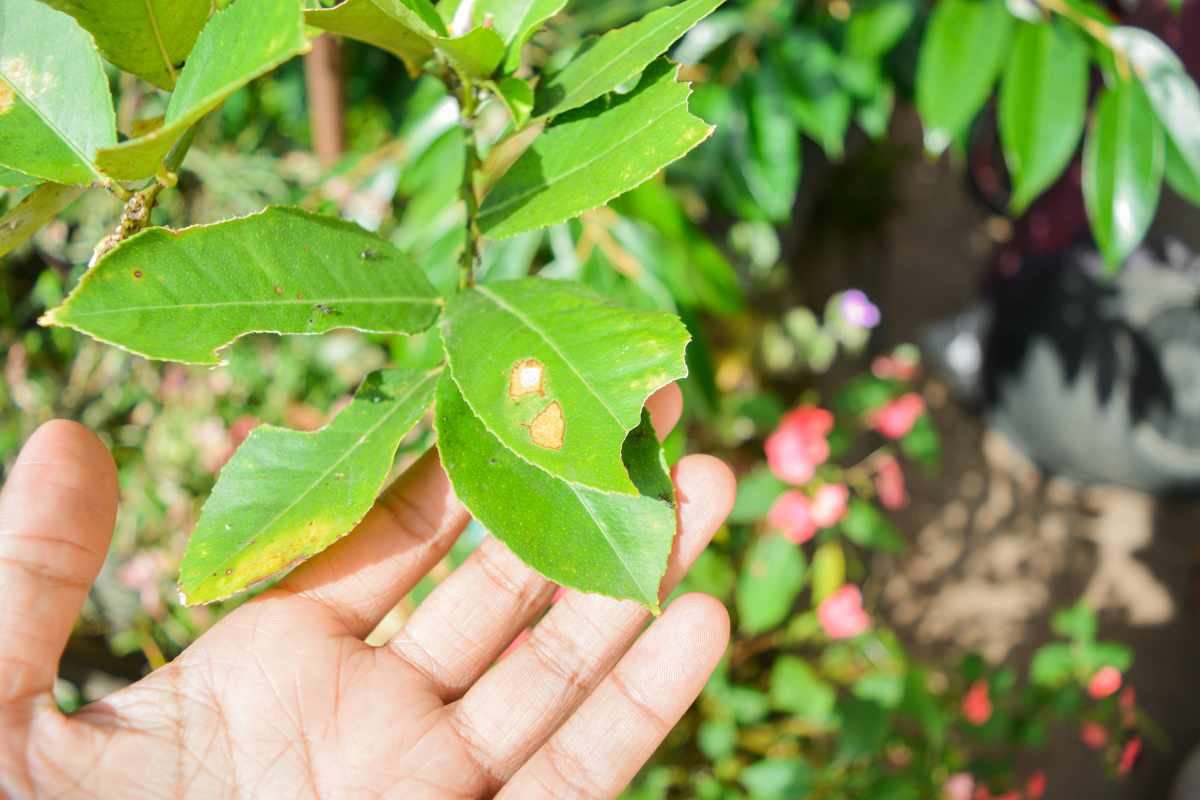
Warmer, wetter conditions can create an ideal environment for plant diseases. Fungal infections, in particular, thrive in these settings.
Practicing good garden hygiene, such as removing diseased plant material and ensuring adequate spacing for air circulation, can reduce the risk of disease.
Resistant plant varieties and proper watering techniques (watering at the base of plants rather than overhead) are also beneficial.
5. Adapting Gardening Practices
Soil Health Management
Maintaining healthy soil is crucial for resilient gardens. Climate change can degrade soil quality, making it more prone to erosion and nutrient loss.
Regularly adding organic matter, such as compost, can improve soil structure and fertility. Cover cropping and minimal tillage are also effective practices to enhance soil health and protect it from the impacts of extreme weather.
Water Conservation
Efficient water use is more important than ever. Implementing rain barrels, using drip irrigation, and applying mulch can significantly reduce water consumption.
Selecting native plants, which are adapted to local climate conditions, can also reduce the need for additional watering.
Plant Diversity
Diversifying your garden can increase its resilience to climate change. A variety of plants can create a more balanced ecosystem, reducing the impact of pests and diseases.
Including a mix of annuals, perennials, shrubs, and trees can ensure that some plants thrive even if others struggle due to changing conditions.
6. Embracing Sustainability
Reducing Carbon Footprint
Gardening practices can contribute to climate change mitigation. Reducing your garden’s carbon footprint by using fewer chemical inputs, composting, and minimizing fossil fuel use (e.g., using manual tools instead of gas-powered ones) is essential.
Organic gardening and permaculture principles promote sustainability and resilience.
Supporting Wildlife
Creating a garden that supports local wildlife can enhance biodiversity and help ecosystems adapt to climate change.
Planting native species, providing water sources, and creating habitats for pollinators and beneficial insects can make your garden a haven for wildlife.

Climate change is undeniably altering the way we garden, but with awareness and adaptability, we can continue to enjoy thriving gardens.
By understanding the effects of changing temperature patterns, altered precipitation, and increased pest and disease pressure, gardeners can implement strategies to build resilience.
Embracing sustainable practices and focusing on soil health, water conservation, and plant diversity will help ensure that our gardens remain vibrant and productive in the face of climate change.
Did you find this post Useful or Inspiring? Save THIS PIN to your GARDENING Board on Pinterest!
Once again, thank you for visiting our website!
We hope you've enjoyed exploring the content we've created for you.
Give yourself the chance to learn, get inspired, and have even more fun, keep browsing...
More Gardening Tips 👇🏼👇🏼