
- Urbaki Gardening
- Plants
- How One Small Garden Can Change a Neighborhood
How One Small Garden Can Change a Neighborhood

Emily Brooks
04/08/2025 · Updated on: 06/03/2026
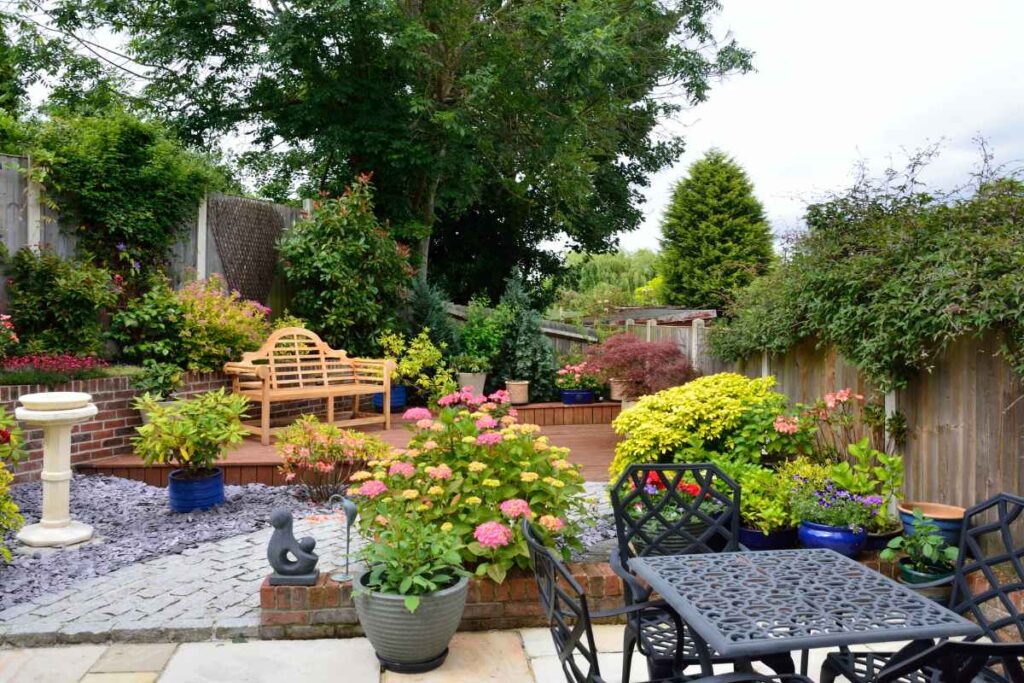
A small garden might seem like a minor feature in the grand scheme of a neighborhood, but it has the potential to create a ripple effect that transforms the entire community.
From enhancing the environment to fostering social connections, a well-planned garden can do much more than simply beautify a space.
It can become a focal point for positive change, bringing people together, improving mental health, and even increasing property values.
In this article, we’ll explore how one small garden can make a significant impact on a neighborhood.
The Power of Green Spaces in Urban Environments
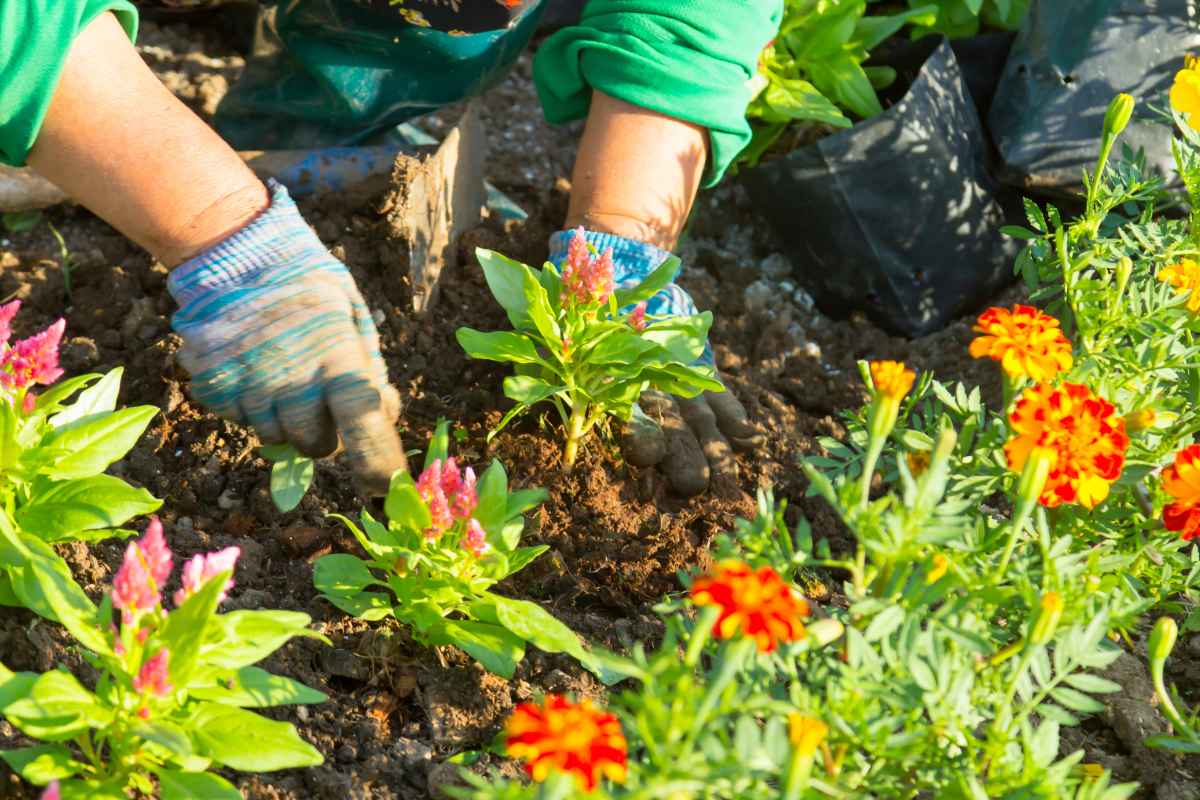
As cities become more densely populated and urban areas expand, green spaces are often pushed to the margins or completely erased.
Yet, studies consistently show that nature has a profound effect on human well-being.
Whether it’s a small urban garden, a community park, or a single tree in a yard, greenery plays a crucial role in improving both the physical and mental health of those who have access to it.
The Mental Health Benefits of Gardens
Gardens, no matter how small, offer a peaceful retreat from the hustle and bustle of everyday life. Spending time in nature has been shown to reduce stress, anxiety, and depression.
A small garden can provide a much-needed escape for people living in crowded or urbanized areas, offering them a place to relax and reflect.
The simple act of caring for plants can be meditative and fulfilling, giving individuals a sense of purpose and accomplishment.
Tip: Even a small flower bed or vegetable patch can help lift spirits, improve focus, and offer a sense of calm.
Environmental Impact: A Cleaner, Greener Neighborhood
One small garden can have a noticeable effect on the local environment. Plants naturally filter air pollution, improve soil quality, and reduce the urban heat island effect, where cities become significantly hotter than rural areas due to human activities.
Even in small quantities, plants help absorb carbon dioxide, release oxygen, and increase the biodiversity of the area by attracting pollinators like bees and butterflies.
Did You Know? A garden with native plants can help restore local ecosystems and promote the survival of native species.
By planting more greenery, even on a micro scale, neighborhoods can combat pollution and enhance local ecosystems. This small garden could eventually inspire neighboring homes to do the same, creating a network of green spaces that provide environmental benefits for the whole community.
A Catalyst for Social Connections
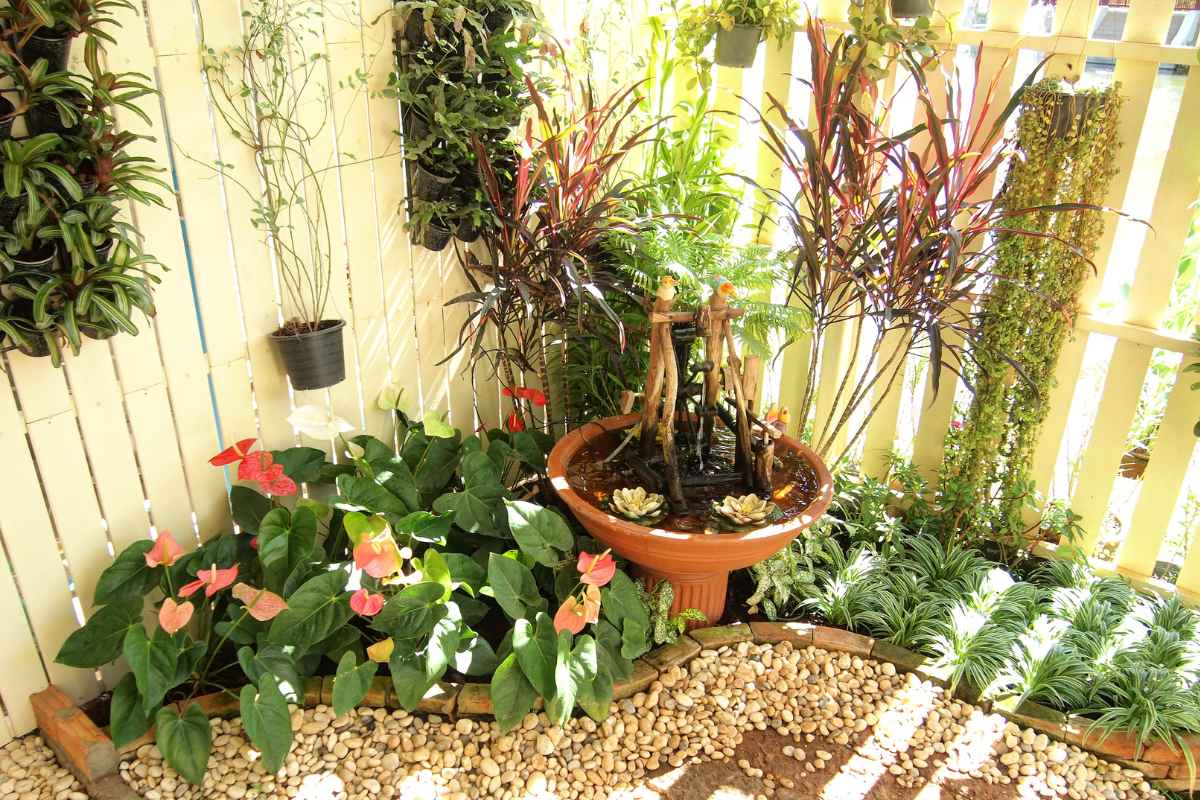
While a garden may begin as a personal project, it can quickly evolve into a social hub for the neighborhood. The act of gardening itself is often a shared activity, one that brings people together across different backgrounds and ages.
A small garden can foster community engagement, sparking conversations between neighbors who might not have otherwise interacted.
Gardening as a Community-Building Tool
Consider how many people are naturally drawn to the beauty and peacefulness of a garden. A neighbor may stop by to admire the flowers, ask for gardening tips, or offer advice.
Over time, these small interactions can lead to stronger community bonds. Gardeners may also come together for shared gardening projects, swapping plants, tools, and ideas.
Community gardens, which are collectively maintained by neighbors, have become a popular way to bring people together.
Even if it’s just one small garden in the neighborhood, it can catalyze more collaborative green initiatives.
Inspiring Others to Transform Their Spaces
When one garden blooms, it often inspires others to follow suit. A beautifully cultivated garden acts as a living advertisement for the power of green spaces, sparking curiosity and admiration in others.
Neighbors may begin to realize that they, too, can transform their own yards or public spaces into vibrant gardens.
Tip: As gardens flourish, they can inspire not only individual gardeners but also groups and organizations within the community to come together for larger-scale beautification projects.
This kind of transformation creates a sense of pride in the neighborhood, improving overall morale and encouraging people to care for their surroundings.
Economic and Property Value Benefits
While the social and environmental benefits of a small garden are significant, there are also tangible economic benefits for homeowners and neighborhoods. Small gardens have the potential to increase property values, especially in urban areas where green spaces are limited.
Property Values and Curb Appeal
It’s no secret that homes with well-maintained gardens often fetch higher prices than those without. The presence of a well-kept garden can greatly enhance a property’s curb appeal, making it more attractive to potential buyers.
For homeowners in densely populated areas or urban neighborhoods, a garden offers a slice of nature that stands out in the otherwise concrete landscape.
Moreover, properties surrounded by well-maintained gardens can create a positive perception of the neighborhood as a whole. People are more likely to invest in an area that feels welcoming, safe, and green. Thus, a single small garden can be a first step toward boosting the entire community’s aesthetic appeal.
Local Economic Growth and Sustainability
Gardens can also play a role in local food production. With the rising interest in sustainability and growing your own food, a small vegetable garden or community garden can help provide fresh produce to residents.
This can reduce food costs and provide access to nutritious food, especially in food deserts, where grocery stores are scarce.
Moreover, local farmers’ markets or garden co-ops can spring up from small, individual gardening efforts. These types of initiatives can not only strengthen the local economy but also contribute to a more sustainable way of life.
How to Start a Small Garden that Can Change Your Neighborhood
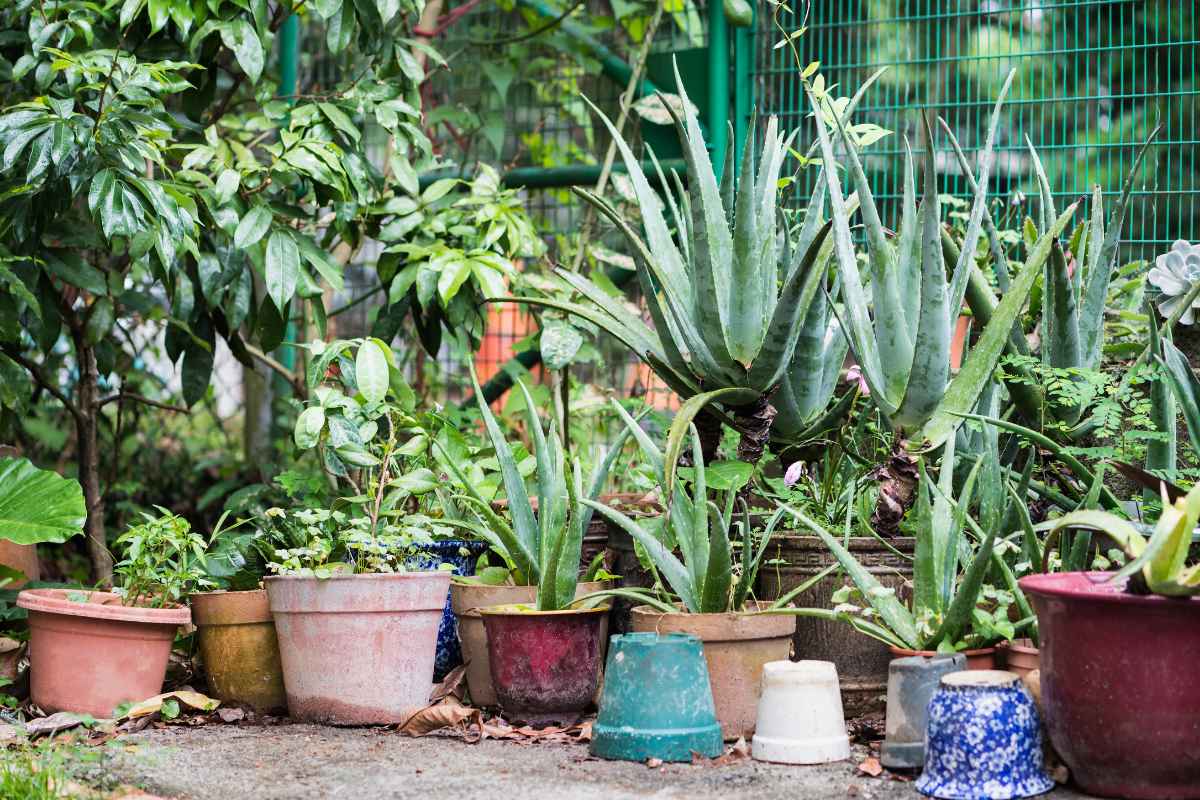
If you’re ready to make a difference in your neighborhood, starting a small garden is easier than you might think. Whether it’s in your front yard, on a balcony, or in a shared space, every little bit of green counts.
1. Start Small and Simple
If you’re new to gardening or working with limited space, start small. Choose easy-to-grow plants that require minimal maintenance, like herbs, succulents, or flowers that are native to your area.
Tip: Choose plants that are drought-tolerant and attract pollinators to create a garden that’s both eco-friendly and aesthetically pleasing.
2. Engage Your Neighbors
Invite your neighbors to participate in your gardening efforts. Whether it’s a casual gardening chat or a weekend garden-cleanup event, getting others involved can help strengthen community ties. If space allows, consider creating a community garden where everyone can share responsibilities and benefits.
3. Utilize Vertical Space
If you have limited space, make the most of it by growing vertically. Install vertical garden systems, like trellises, hanging baskets, or wall planters, to maximize your garden area. Vertical gardening allows you to grow a wide variety of plants, including vegetables and flowers, in a compact space.
4. Share Your Success
Once your garden starts to grow, share your knowledge and success with others. Offer gardening tips, swap plants, or host a garden party to celebrate your efforts and inspire others. Sharing your journey can motivate your neighbors to start their green projects.
A small garden may seem like a modest project, but its impact on a neighborhood can be far-reaching. From fostering social connections to improving the environment and increasing property values, a garden can transform not just a single yard, but an entire community.
When you plant a garden, you’re not just cultivating flowers or vegetables; you’re sowing the seeds for a greener, healthier, and more connected neighborhood. So, grab a shovel, pick your favorite plants, and start making a difference in your community—one garden at a time.
Emily Brooks
I’m Emily, a lifelong nature lover with dirt on my boots and a passion for all things green. I don’t claim to be a botanist; I’m just an enthusiast who believes that every backyard—no matter how small—can become a sanctuary. After years of trial and error (and more than a few wilted ferns), I’m sharing my honest journey of growing flowers and veggies. Let's learn from the seasons and grow something beautiful together!
More Gardening Tips 👇🏼👇🏼