
How People Garden in Desert Environments

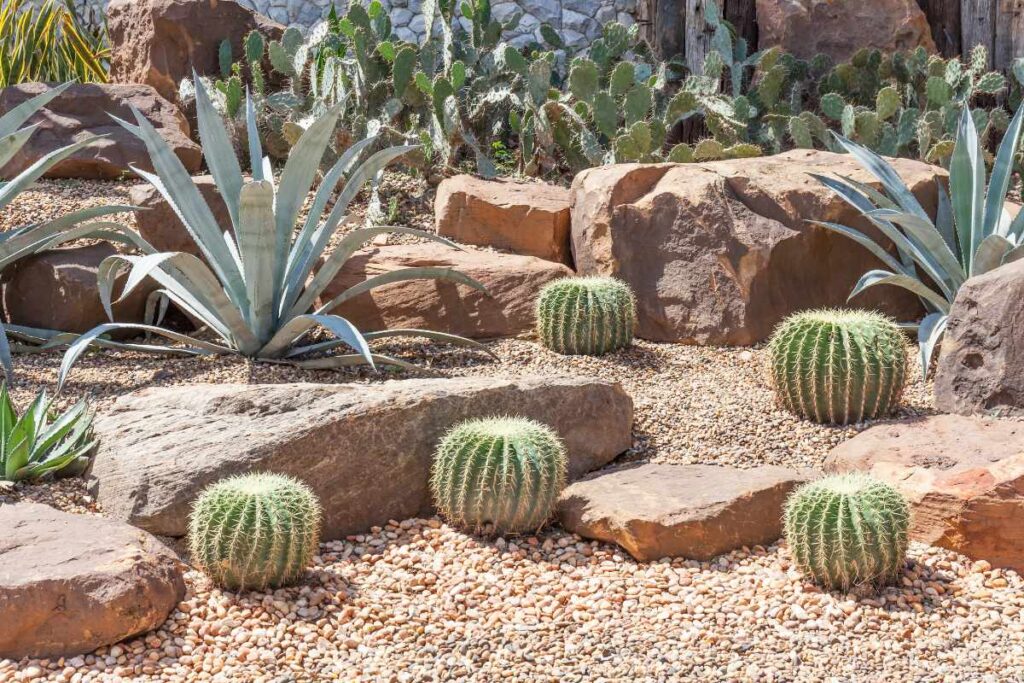
Gardening in the desert presents a unique set of challenges, but also unexpected rewards. While the intense heat, limited rainfall, and sandy soil may discourage some, many gardeners in arid climates have learned how to embrace the elements and work with the environment rather than against it.
Desert gardening can be surprisingly abundant, with vibrant flowers, productive vegetables, and sculptural succulents thriving under the right care.
By using thoughtful strategies and observing how nature behaves in these conditions, gardeners can transform dry spaces into lush and inviting oases.
Understanding the Landscape Before You Begin
The foundation of a successful desert garden lies in understanding the land you're working with. That means paying attention to sun exposure, soil composition, and wind patterns.
In most desert regions, sunlight is intense for the majority of the day, and shade can be hard to come by naturally.
Before planting anything, it’s worth watching your space at different times to see how the light shifts and where shelter might be needed. Rocks, walls, or trees can act as natural heat buffers, creating microclimates that are more plant-friendly.
The soil in desert environments is often loose, gritty, and low in organic matter. Though it drains well, it also tends to lack nutrients and struggles to retain moisture.
Rather than fighting this, successful desert gardeners improve the soil slowly over time, adding compost, aged mulch, or worm castings to enhance structure without overwhelming it.
Choosing Plants That Belong in Dry Climates
One of the keys to growing well in dry regions is selecting plants that are either native to the area or naturally adapted to similar conditions. These plants not only withstand high temperatures, but also make the most of limited water.
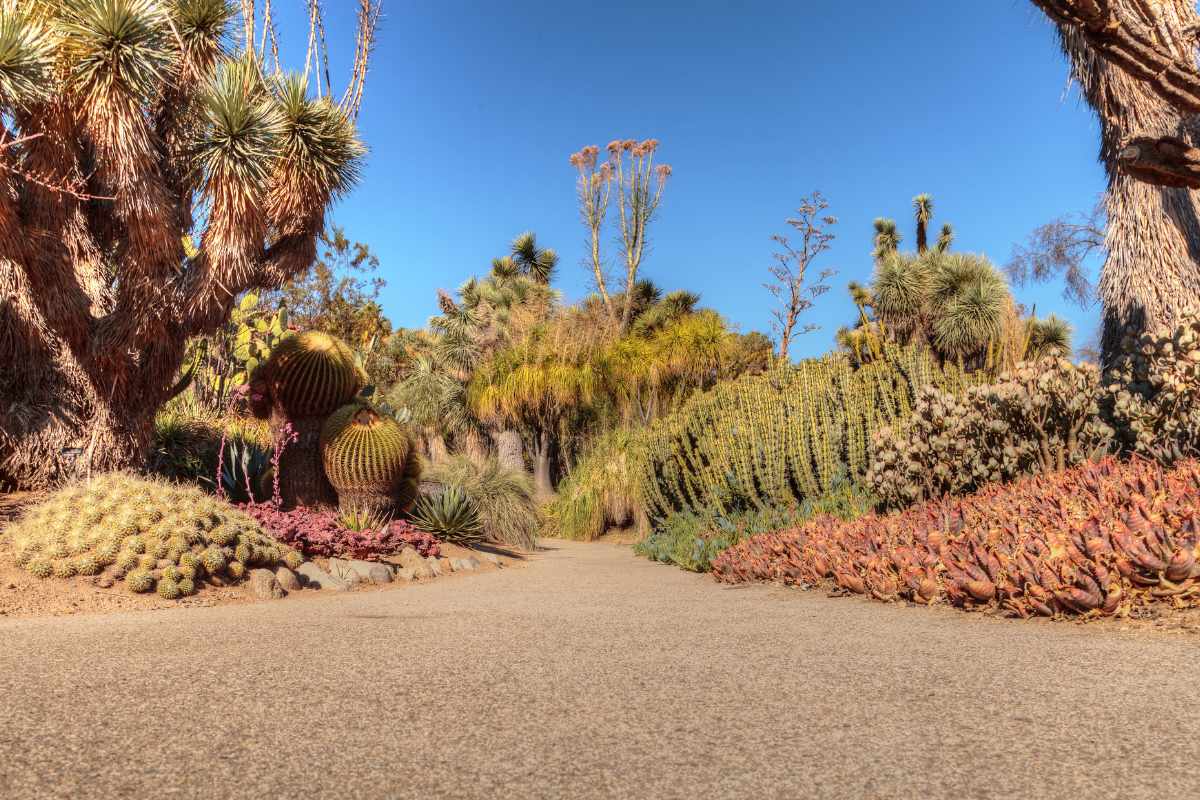
Succulents, agaves, cacti, and aloes are obvious choices, but there’s more variety than many people expect. Herbs like rosemary, thyme, and oregano thrive in dry conditions.
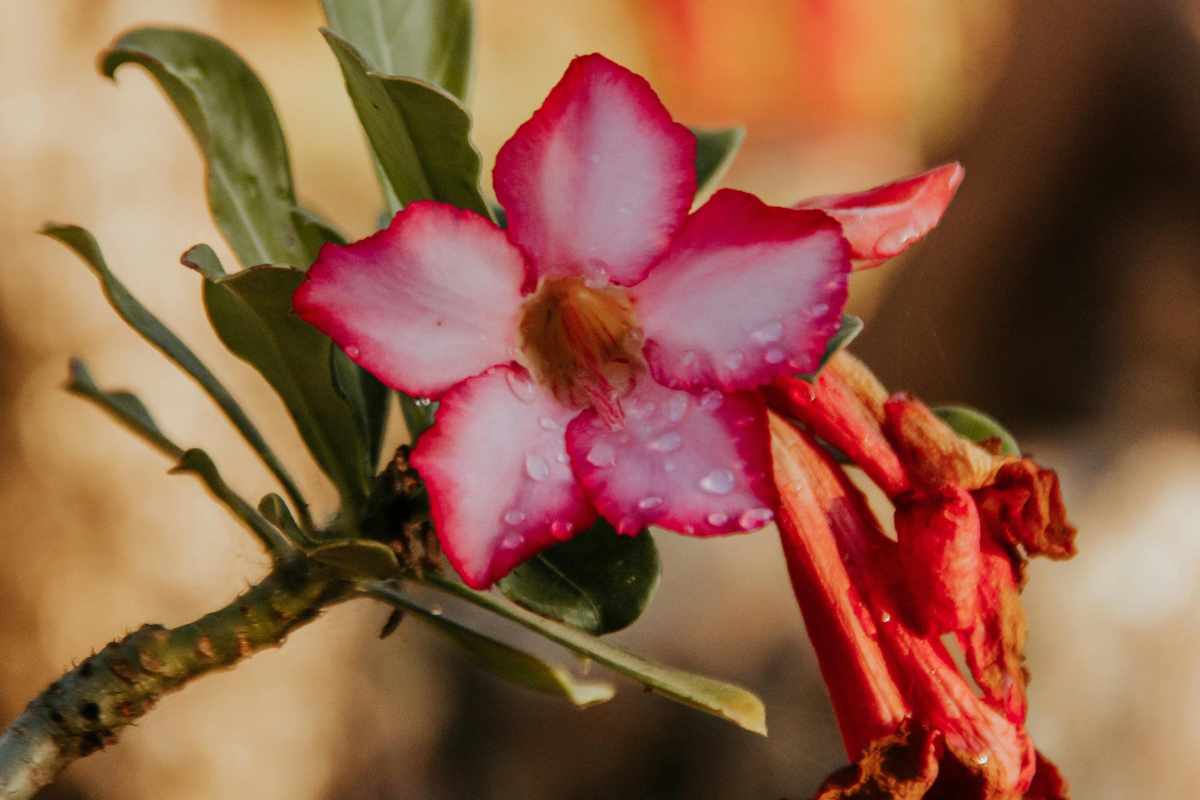
Native wildflowers such as desert marigold or penstemon offer seasonal color without demanding much attention. Even some vegetables like okra, eggplant, and certain varieties of peppers tolerate the heat better than others.
Grouping plants with similar water needs is another smart move. It allows for more efficient watering and keeps delicate species from being overwhelmed.
Making the Most of Water
Water conservation is at the heart of gardening in arid climates. The goal isn’t to eliminate watering, but to use it wisely. Many gardeners rely on drip irrigation systems or soaker hoses, which deliver moisture directly to the roots with minimal evaporation.
Timing matters too. Watering early in the morning helps reduce loss from the sun’s heat, and gives plants time to absorb what they need before temperatures climb. Mulching is also essential.
A layer of organic mulch—like bark, straw, or even gravel—helps the soil stay cool and slows evaporation.
Rainwater harvesting is another practice gaining popularity. Collecting runoff from roofs and storing it in barrels or tanks ensures that every drop counts, especially during the driest months.
Creating Shade and Reducing Heat Stress
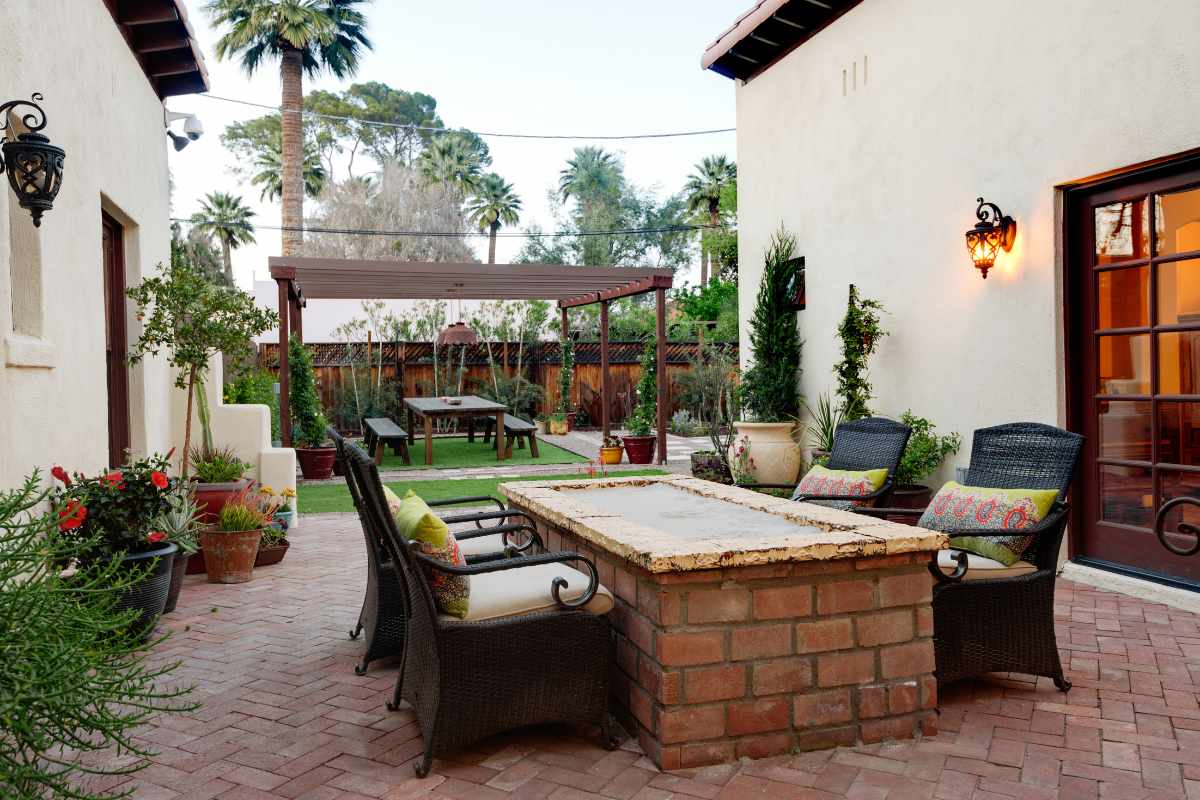
In most desert gardens, finding ways to reduce exposure during the hottest parts of the day can make a big difference in plant health. Shade structures, trellises, and even fabric canopies can provide temporary relief to both plants and gardeners.
Some desert gardeners use taller plants or trees to offer dappled protection to more delicate varieties underneath.
Mesquite and palo verde trees, for instance, not only survive with little water but also create ideal conditions for a layered garden.
When planning your layout, consider airflow as well. Allowing space for air to circulate prevents hot pockets from forming and helps cool down both plants and soil.
Working with Natural Design Principles
Desert gardening often benefits from a different kind of aesthetic—one that blends structure with organic movement. Instead of aiming for dense, overflowing beds, many gardeners design with space in mind, allowing each plant to stand out.
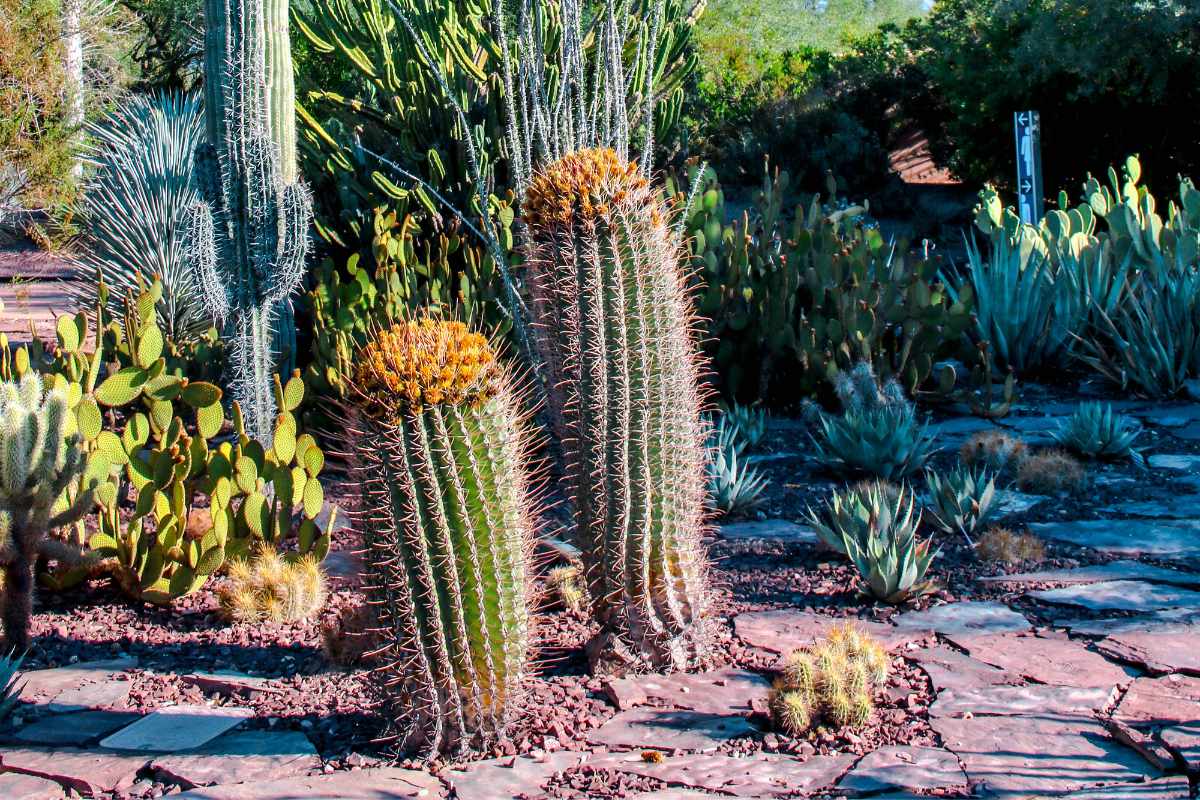
Pathways of gravel or decomposed granite, interspersed with bold, architectural plants, create a clean and calming landscape.
Raised beds or berms help control water flow and prevent erosion, especially during brief but intense rains.
Using native stone and materials found locally not only harmonizes with the setting but also supports sustainability. Gardens in arid regions often take cues from nature, with soft curves, textures, and muted colors forming the palette.
Maintaining Growth Throughout the Seasons
While some seasons in desert climates are intensely hot, others—particularly fall and early spring—are surprisingly pleasant. These windows offer opportunities to grow cool-season crops or give established plants time to recover.
During extreme heat, growth tends to slow. That’s not a sign of failure, but rather the plant entering a phase of rest. Gardeners in desert regions learn to adjust their expectations and shift their tasks depending on the weather.
For example, summer may be better for maintaining, mulching, and watering, while spring brings the burst of new growth and planting.
Planning around the rhythm of the climate creates a more intuitive and low-stress gardening experience.
Embracing Local Knowledge and Community
Many successful desert gardeners didn’t learn everything from books—they learned from neighbors, community gardens, and local experts who’ve spent years observing what works and what doesn’t.
Connecting with others through gardening clubs, extension offices, or even farmers’ markets can unlock valuable insights.
In dry regions, shared wisdom often includes tips for dealing with heat waves, recognizing subtle soil changes, and finding the best planting windows.
Learning from gardeners who’ve adapted to the local environment helps shorten the learning curve for newcomers and builds a stronger sense of connection to place.
Finding Joy in the Process
Gardening in the desert isn’t about imitating lush, tropical landscapes—it’s about appreciating what resilience and adaptation can create.
There’s beauty in drought-tolerant blooms, satisfaction in harvesting food from a seemingly harsh setting, and inspiration in the way plants stretch toward the sun, thriving against the odds.
It teaches patience, observation, and a deep respect for nature’s balance.
Once you learn to see the desert not as a limitation but as a unique canvas, the experience becomes even more rewarding.
Did you find this post useful or inspiring? Save THIS PIN to your GARDEN Board on Pinterest!
More Gardening Tips 👇🏼👇🏼