
How To Get Rid Of Gnarly Weeds (Without Spraying)


If you’re ready to get rid of gnarly weeds without harsh chemicals, this curated breakdown of the Epic Gardening video distills what works, where, and why—so you can act today with confidence.
What This Video Covers (and Why It Matters)
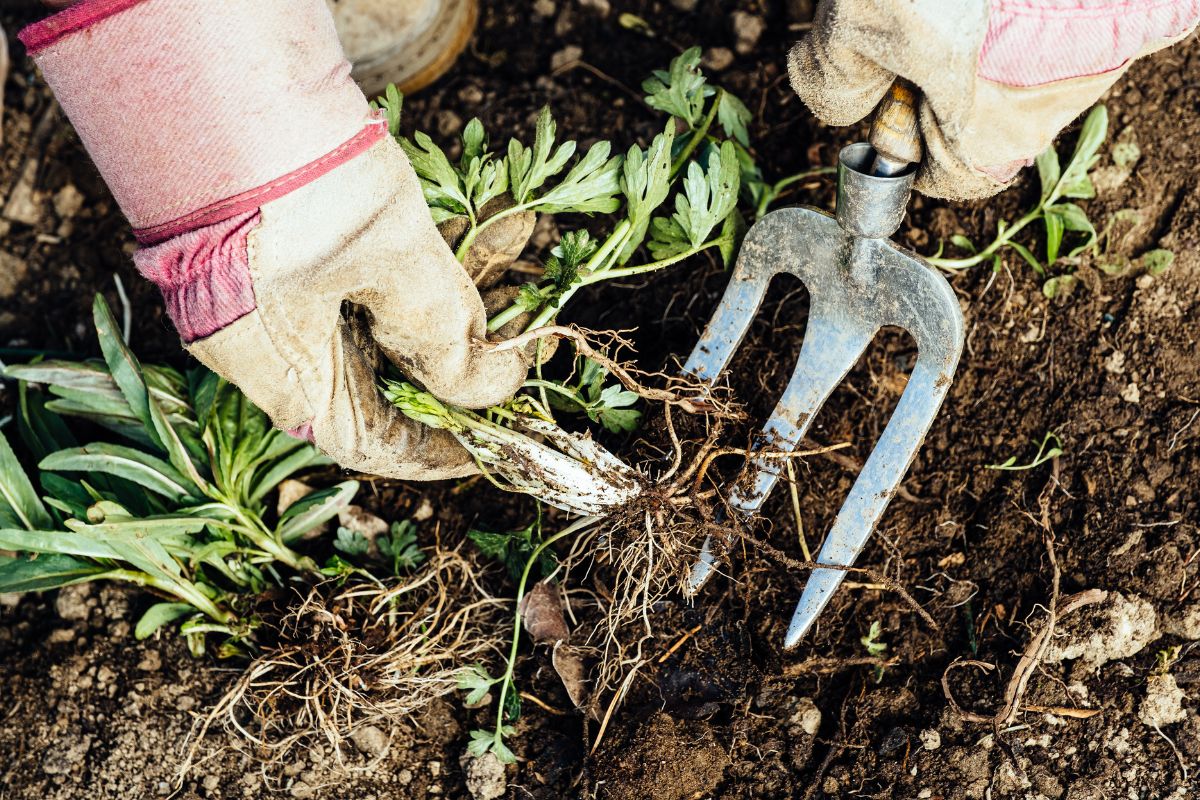 Epic Gardening tests practical, low-cost methods to kill weeds naturally over a three-month period, focusing on approaches you can apply in raised beds, borders, gravel paths, and lawns.
Instead of a step-by-step blueprint, you get a realistic look at trade-offs—speed vs. effort, and short-term clearing vs. long-term prevention.
Expect takeaways you can use immediately: smarter mulching, surface disturbance that favors crops over grass weeds, and selective suppression techniques.
If you’ve been weeding the garden nonstop and still feel behind, this field test helps you choose the right lever for the problem in front of you.
Credit: This tutorial and experiment are by the epic gardening YouTube channel, known for accessible, science-aware gardening advice.
The video explores organic strategies and compares results across different beds and surfaces.
Flower Beds: From Crisis to Control
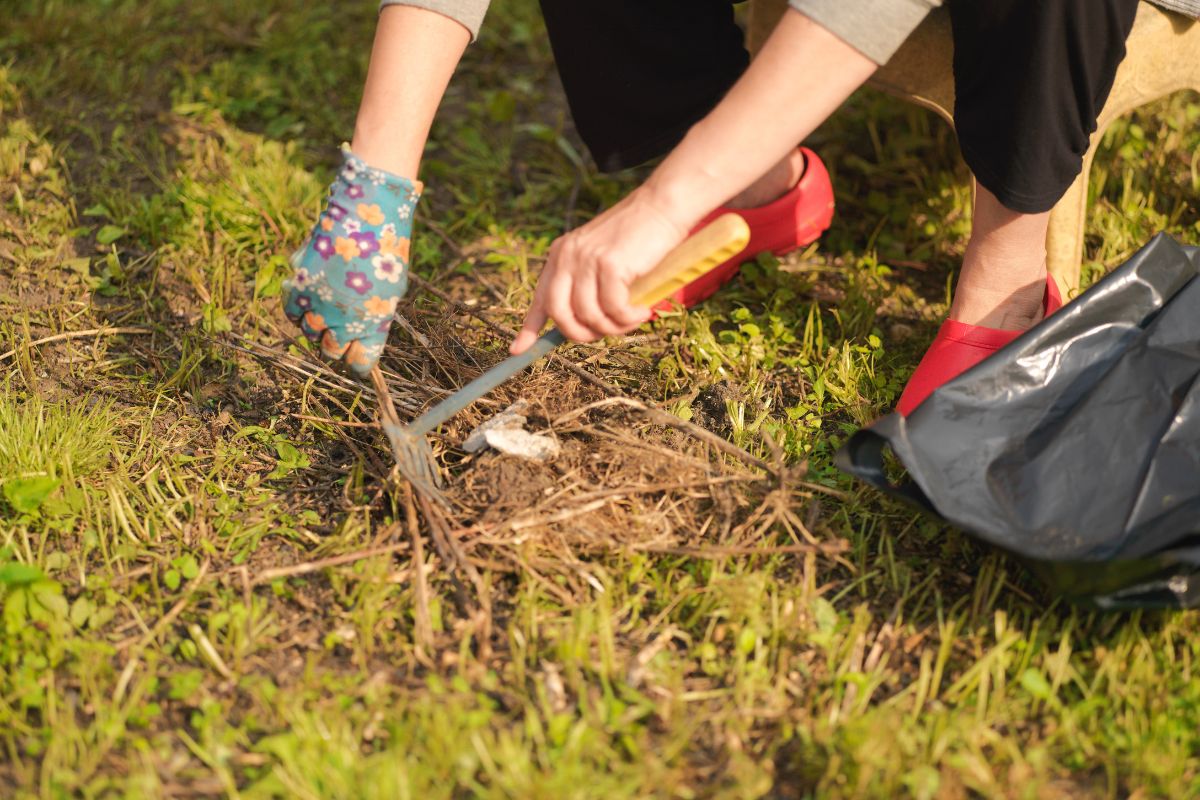 For borders and ornamentals, the big wins are surface coverage and minimal soil disturbance. Thick organic mulch starves seedlings of light—an essential tactic for keeping weeds out of flower beds.
Top up mulch as it breaks down, and avoid routine deep tilling that brings buried seeds to the surface.
Start with a quick pass of Pulling Weeds after irrigation (roots slide out easier). Then lay compost and bark or chip mulch to prevent weeds in flower bed areas before they rebound.
Over time, these layers also improve soil life and moisture holding, which favors your ornamentals.
If you’re wondering how to prevent weeds in flower beds long-term, focus on plant density and living mulches.
Ground covers and close spacing create shade that suppresses germination—key to preventing weeds in flower beds season after season.
Paths, Driveways, and Gravel
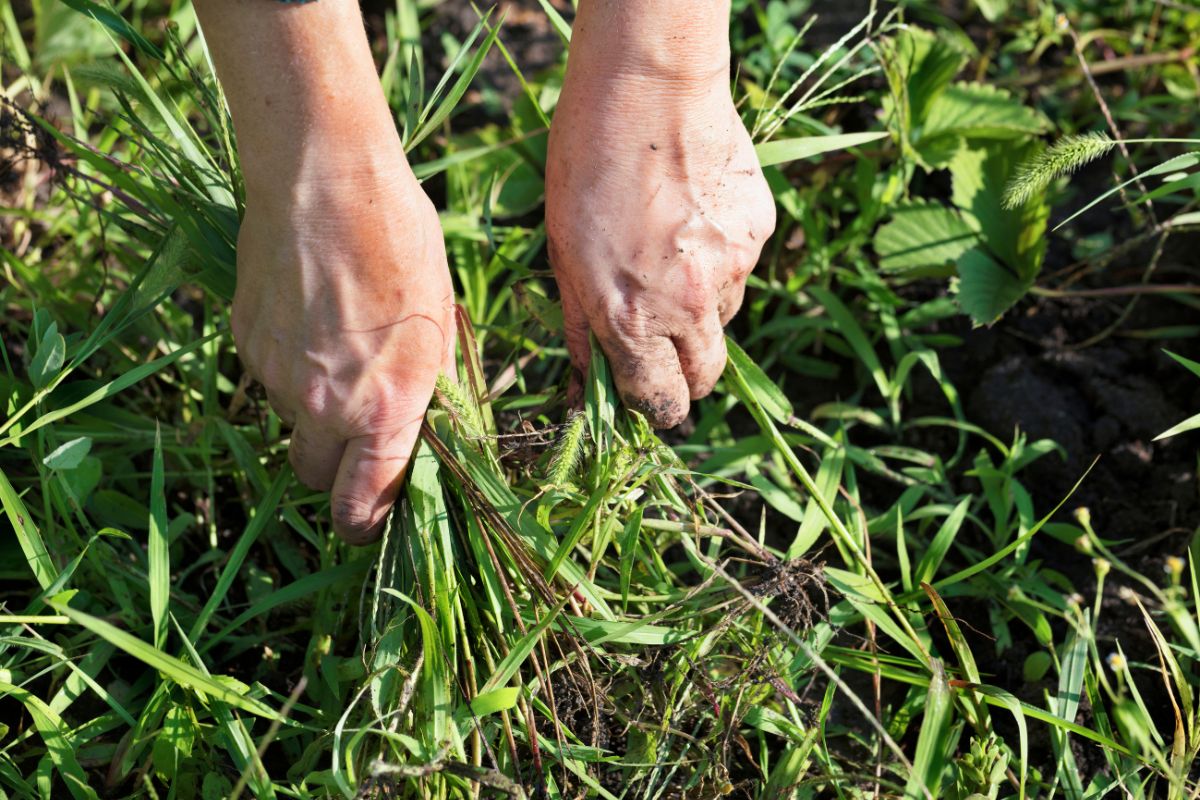 Gravel can be a magnet for opportunistic seedlings. To tackle how to stop weeds growing through gravel, use a two-step approach: disturb and desiccate.
Rake or scuffle-hoe to uproot small weeds on hot, dry days, then let sun and airflow finish the job. Spot-treat escapes with boiling water or flame (where safe) for a quick top-kill.
For persistent patches, sheet mulch before topping with fresh gravel. That barrier dramatically reduces light and germination, a proven route for killing weeds with cardboard underneath refresh layers.
It’s a tidy upgrade during any weedy garden cleanup.
Lawns: Diagnose Before You Treat
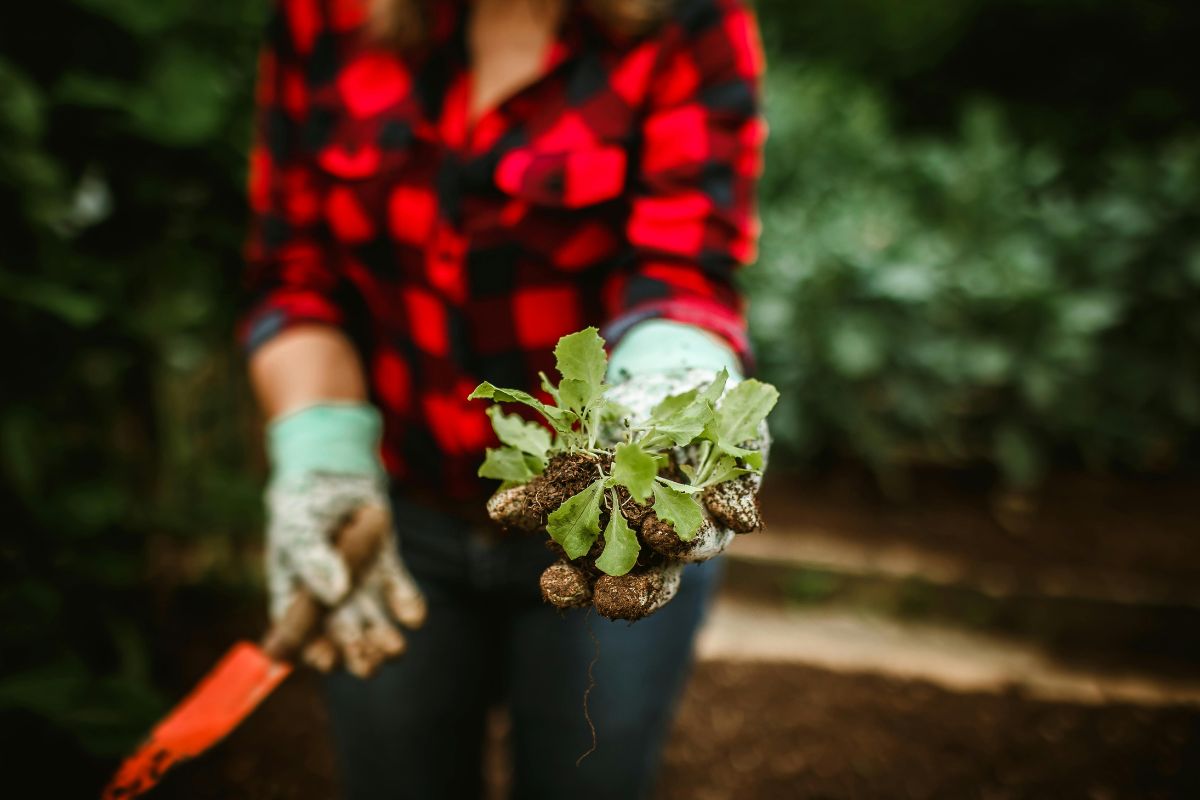 Success in turf starts with ID. Skim pictures of weeds in garden guides to separate annuals from perennials among Common Lawn Weeds. Then choose targeted actions that protect turf density rather than thinning it out.
Core principles for how to fix a weedy lawn: mow high, water deeply but infrequently, and feed appropriately. Denser turf outcompetes invaders, reducing the need to ask, what kills grass and weeds fastest.
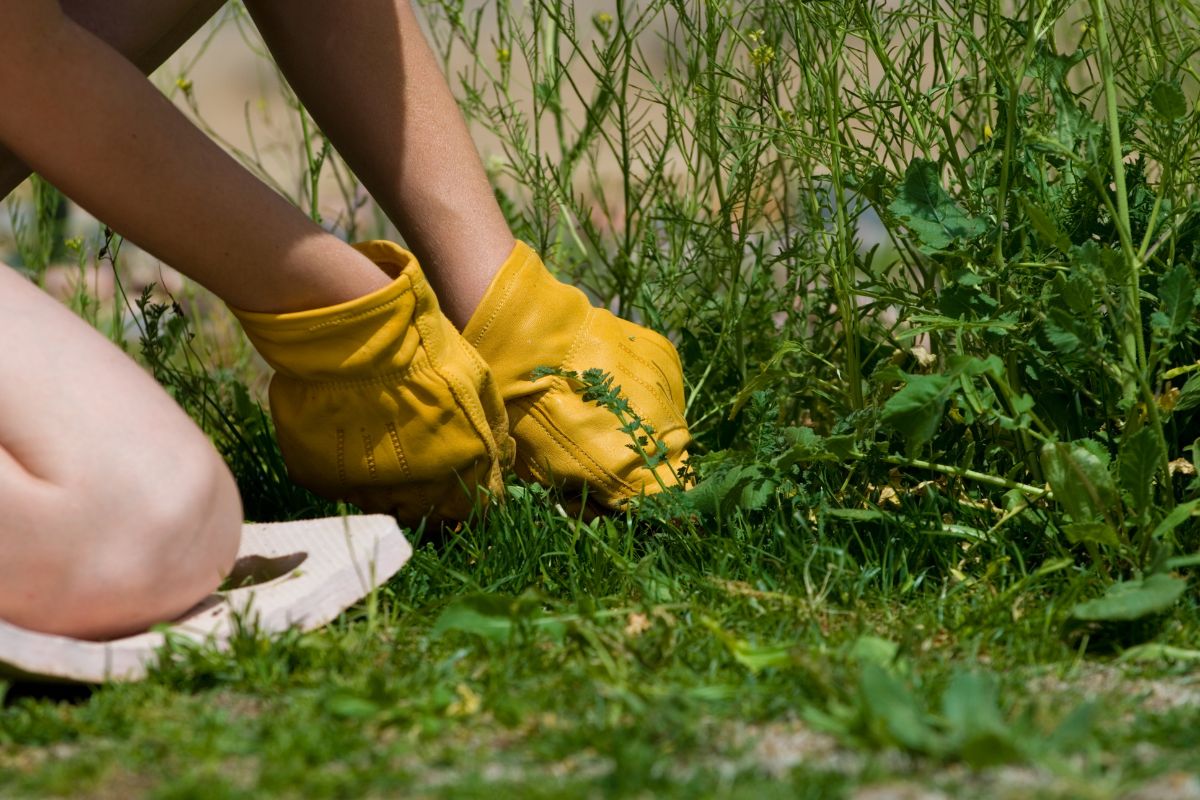
Where hand removal is practical, a slim weeding knife lifts taproots while preserving surrounding blades—ideal when you want to Kill Weeds Naturally and keep grass happy.
Sheet Mulch & Smother: The Low-Spray Workhorse
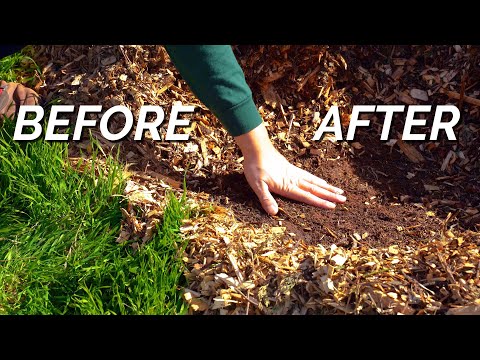
 If you’ve inherited a bed full of perennial roots, smothering shines. The video’s long-view trials show why layered organic matter over a light-blocking sheet slows regrowth to a crawl.
That’s the essence of Killing Weeds by attrition rather than by spray.
Use compost, paper, and chips to create a breathable, dark barrier.
This is also where Home Remedy To Kill Weeds ideas can complement your plan—think boiling water in cracks, vinegar on tiny seedlings in non-lawn spaces, and hand tools for isolated clumps.
Rotate tactics instead of relying on any single silver bullet.
Choosing the Right Method for Your Garden
When the goal is to get rid of gnarly weeds, match method to site: mulch and dense planting for beds, sheet mulch for resets, scuffle hoeing for paths, and cultural practices for turf.
That’s how you answer how to stop weeds in flower beds today while safeguarding tomorrow’s growth.
Keep notes and snap your own pictures of weeds in garden as seasons change. Identification improves results, and your records will make it easier to choose among natural ways to kill weeds the next time trouble pops up.
FAQ: Quick Wins and Realistic Expectations
Q: Is there a single best way to kill weeds naturally?
A: No. Combine methods. In beds, mulch plus spot hand-pulling works fast. In gravel, agitation and heat excel. For turf, cultural fixes beat quick sprays.
Q: Any tips for how to stop weeds in flower beds after a big cleanup?
A: Re-mulch immediately, patch bare soil with plants, and avoid deep digging that wakes dormant seed—simple steps for preventing weeds in flower beds.
Q: Are there safe options for what kills grass and weeds together?
A: In areas you plan to replant, sheet mulching is safer than non-selective sprays. In lawns, selective hand tools help remove grass weeds without harming turf.
 Bonus: Micro-Habits That Pay Off
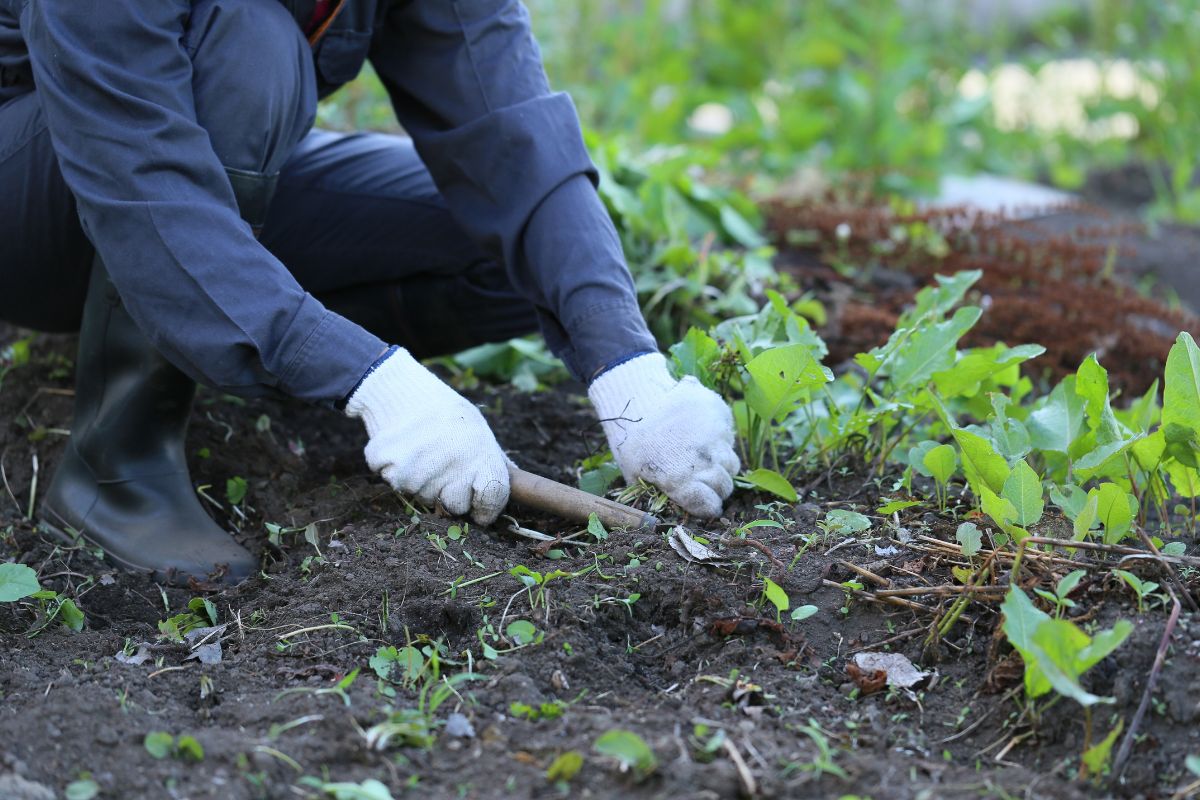
Five minutes of pulling weeds after each watering prevents seed-set. A weekly pass with a stirrup hoe in paths keeps surfaces clean. Small, repeatable habits often beat heroic weekend marathons.
Most importantly, keep perspective. Rotating strategies means you always have an answer—whether you need how to Prevent Weeds In Flower Beds during peak growth or a winter weedy Garden Cleanup.
Watch the Full Experiment
Full credit to the creator for the techniques and results shown. This is an overview; for exact demonstrations, see the source video from Epic Gardening.
Enjoy This Video Tutorial About Pest and Problem
Source: Epic Gardening
Don’t forget to Subscribe to our Newsletter to receive amazing tips and tricks about Gardening and the FREE Ebook Green Living Strategies!
Did you find this post Useful or Inspiring? Save THIS PIN to your GARDENING Board on Pinterest! 😊

Once again, thank you for visiting our website!
We hope you've enjoyed exploring the content we've created for you.
Give yourself the chance to learn, get inspired, and have even more fun, keep browsing...
More Gardening Tips 👇🏼👇🏼