
How to Get Rid of Gnats Indoors


If tiny black bugs are hovering around your houseplants or kitchen, you’re not alone.
Gnats indoors—especially fungus gnats—can quickly become a nuisance. The good news is that these pests are manageable once you understand where they come from and how to stop them.
Let’s look at how to get rid of gnats naturally and prevent them from coming back.
What Are Gnats and Why Are They Indoors?
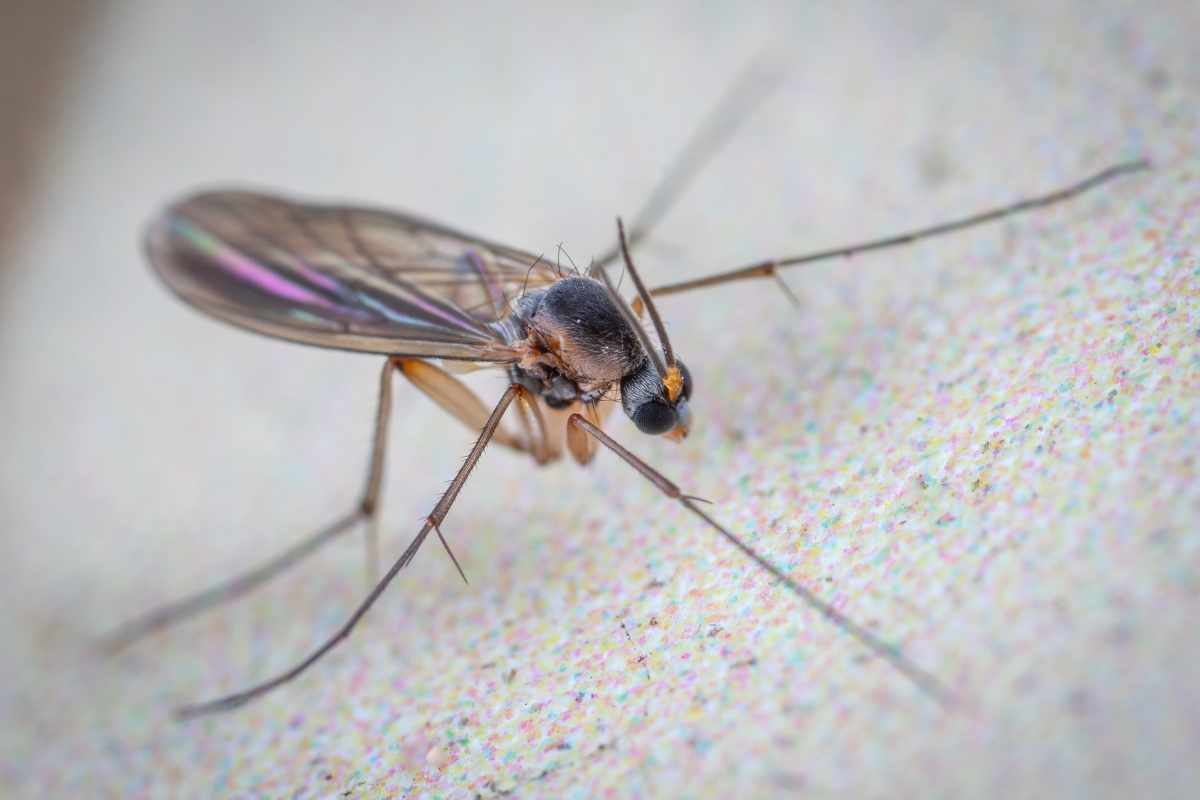
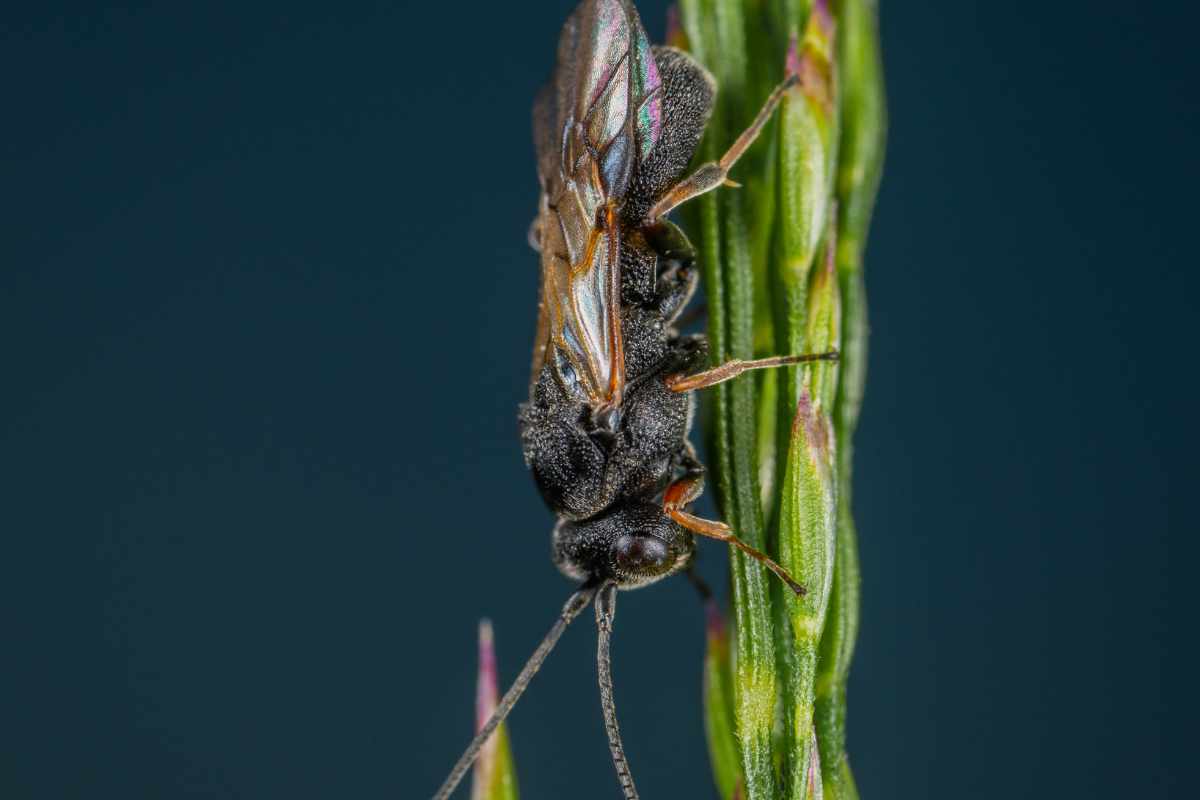
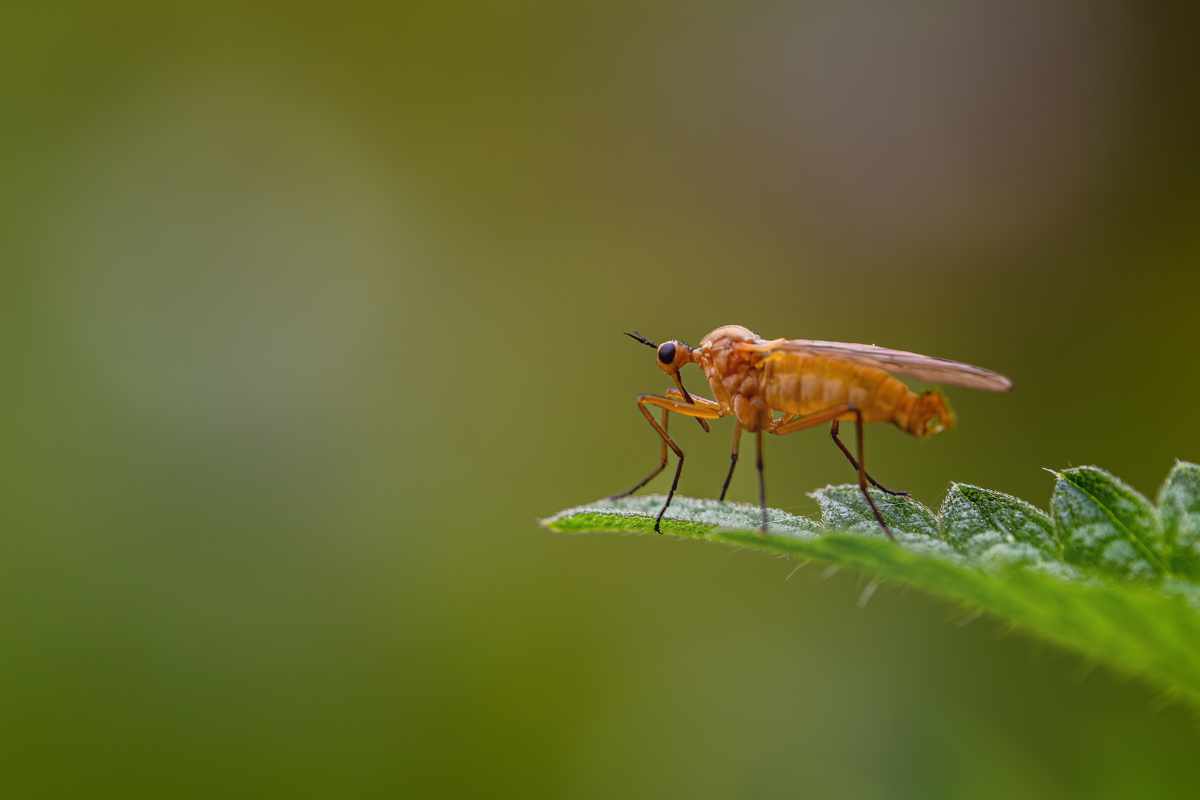
Gnats are small flying insects that look like miniature mosquitoes, but they’re much less harmful.
The most common indoor species are fungus gnats, which thrive in moist soil and organic matter.
If you notice them around your houseplants, sinks, or trash bins, it’s because they’ve found a humid, food-rich environment to breed.
Common Causes of Gnat Infestations
Overwatering plants: Damp soil is perfect for fungus gnat larvae.
Dirty drains or garbage: Fruit and moisture attract adult gnats.
Decaying organic material: Old potting mix or fallen leaves can harbor larvae.
Open produce: Ripe fruits or vegetables left out on counters can draw fruit flies and gnats.
How to Get Rid of Gnats Indoors
Let’s explore the most effective ways to eliminate gnats naturally and safely.
1. Let the Soil Dry Out

If gnats are living in your potting mix, stop watering for a few days.
Dry soil kills larvae and discourages adults from laying new eggs.
Always check that your pots have good drainage holes to prevent waterlogging.
2. Use Sticky Traps
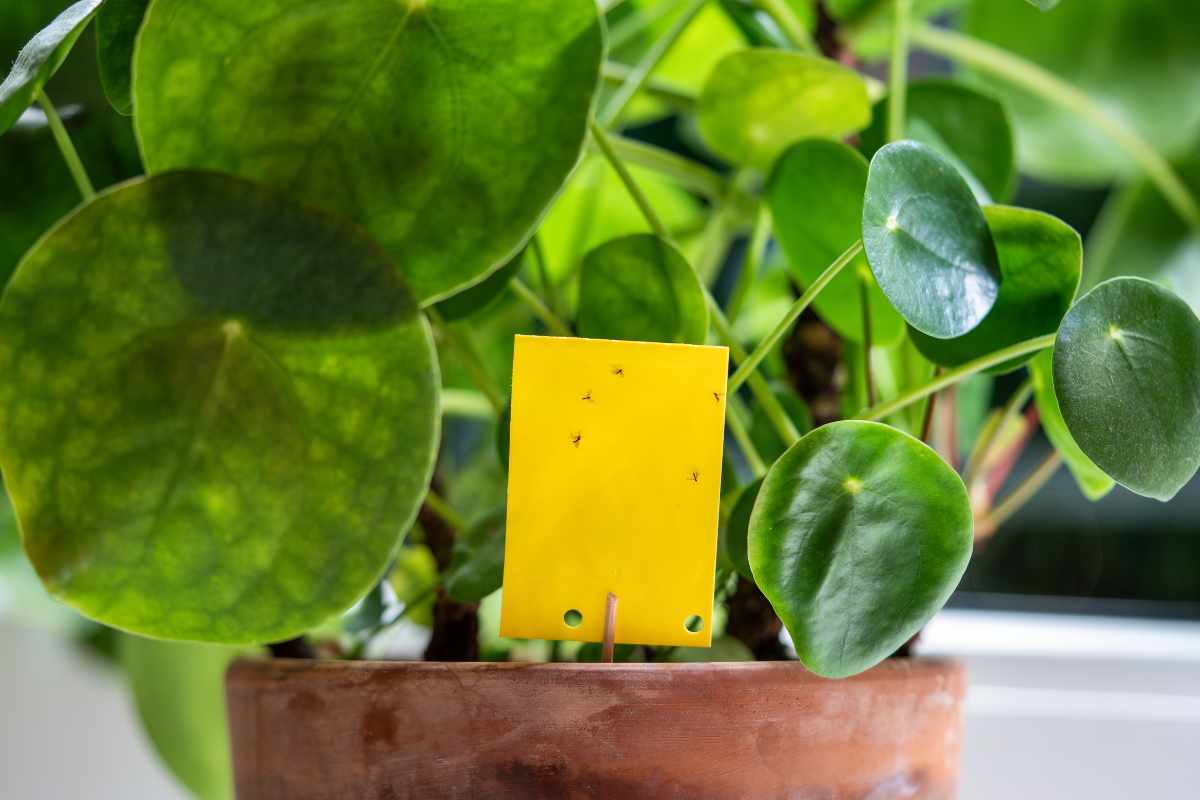
Yellow sticky traps are a simple and non-toxic solution. Place them near affected plants or damp areas.
Adult gnats are attracted to the bright color and get stuck on the surface, reducing their population over time.
3. Try a Vinegar and Dish Soap Trap
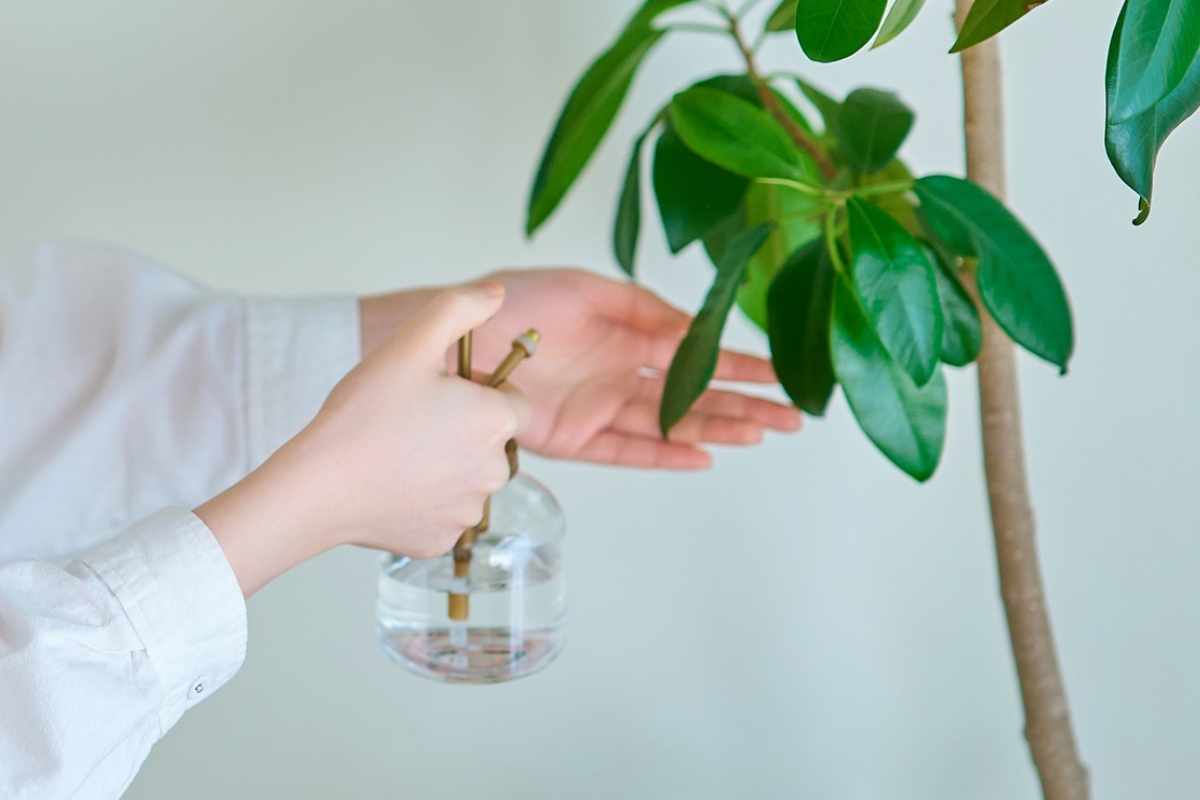
Fill a small bowl with apple cider vinegar and add a drop of dish soap.
The vinegar attracts the gnats, and the soap breaks the surface tension, trapping them. Place several bowls around problem areas like sinks or plant shelves.
4. Clean Drains and Garbage Bins
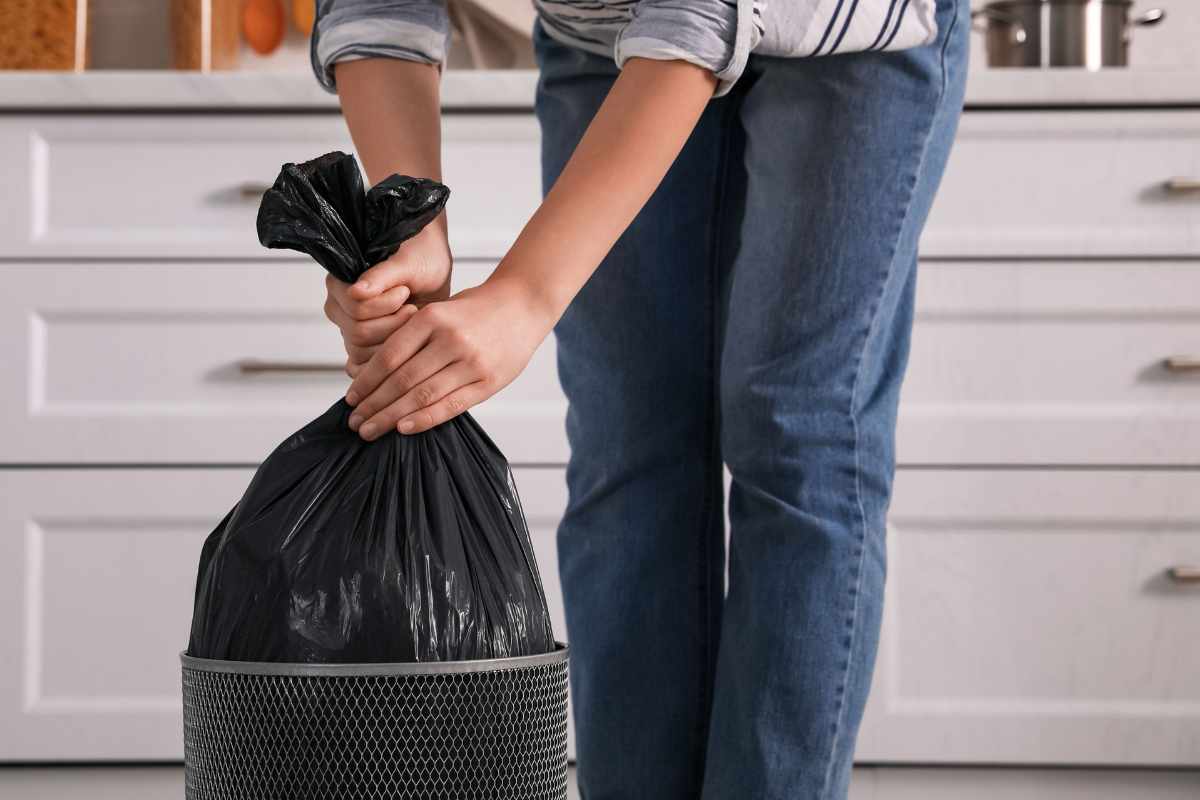
Sometimes, gnats aren’t coming from plants at all.
Check your kitchen drains, compost bins, or trash cans—they can easily become breeding grounds. Pour boiling water down the drain or clean with baking soda and vinegar to kill larvae.
5. Replace or Refresh Potting Soil

If the infestation persists, it may be time to repot your plants.
Remove as much old soil as possible, rinse the roots gently, and use a fresh, sterile potting mix. Avoid garden soil since it can harbor eggs or fungus spores.
Natural Remedies That Help
Besides traps and cleaning, there are natural ways to deter gnats safely:
Neem oil spray: Mix a few drops with water and spray directly on the soil to kill larvae.
Hydrogen peroxide solution: Dilute one part hydrogen peroxide with four parts water, and water your plants with it once. It kills larvae without harming roots.
Cinnamon powder: Sprinkle a thin layer on the top of your potting soil. Cinnamon has antifungal properties that discourage gnat growth.

Preventing Future Gnat Problems
Prevention is always easier than dealing with an infestation. Here’s how to keep indoor gnats from coming back:
1. Watch Your Watering Routine
Only water plants when the top inch of soil feels dry. Using a moisture meter can help you stay consistent.
2. Improve Air Circulation
Stagnant air encourages mold and fungus, both of which attract gnats. Open windows, use fans, or move plants occasionally to ensure airflow.
3. Cover the Soil
Add a layer of coarse sand, gravel, or decorative stones on top of the soil to make it harder for gnats to lay eggs.
4. Store Produce Properly
Keep ripe fruits in the fridge or sealed containers, and empty compost bins frequently.
5. Regular Plant Inspection
Check new plants before bringing them home. A quick look at the soil can save you a lot of trouble later.
When to Seek Professional Help
If you’ve tried all these methods and gnats keep returning, the problem might be deeper—possibly inside drain pipes or within large indoor planters.
In such cases, it might help to call a pest control professional who can inspect and treat the area safely.
Enjoy This Video Tutorial

Source: Julie Khuu
Don’t forget to Subscribe to our Newsletter to receive amazing tips and tricks about Gardening and the FREE Ebook Green Living Strategies!
Did you find this post Useful or Inspiring? Save THIS PIN to your GARDENING Board on Pinterest! 😊

Once again, thank you for visiting our website!
We hope you've enjoyed exploring the content we've created for you.
Give yourself the chance to learn, get inspired, and have even more fun, keep browsing...
More Gardening Tips 👇🏼👇🏼