
How to Grow Amaranth - Beautiful and Edible Blooms

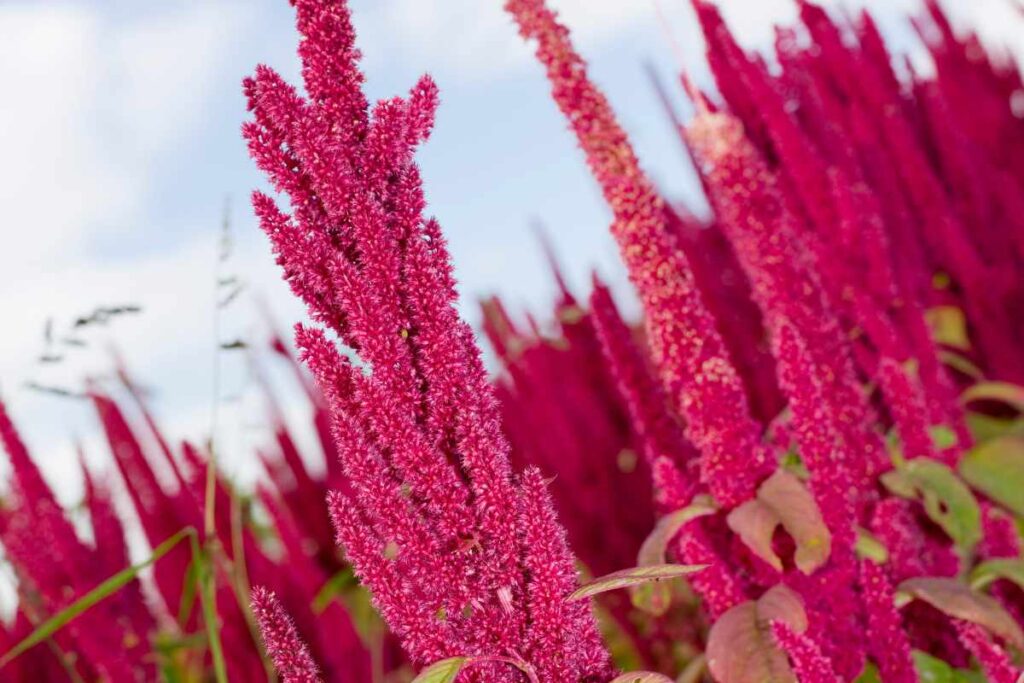
Amaranth is one of those rare plants that gracefully blends beauty and function. With its dramatic, cascading flowers and edible leaves and seeds, it deserves a place in more gardens than it currently gets.
Whether you're drawn to its vibrant plumes or curious about its culinary uses, growing amaranth can be a rewarding experience for gardeners of all skill levels.
This striking annual can be grown for ornamental purposes, as a leafy green, or as a grain crop, making it a multipurpose favorite in any outdoor space. Let’s explore how to make amaranth thrive, from seed to harvest.
Selecting the Right Variety for Your Garden
Before you begin, it's helpful to know there are several types of amaranth. Some are grown for their showy flowers, while others are cultivated mainly for their leaves or seeds.
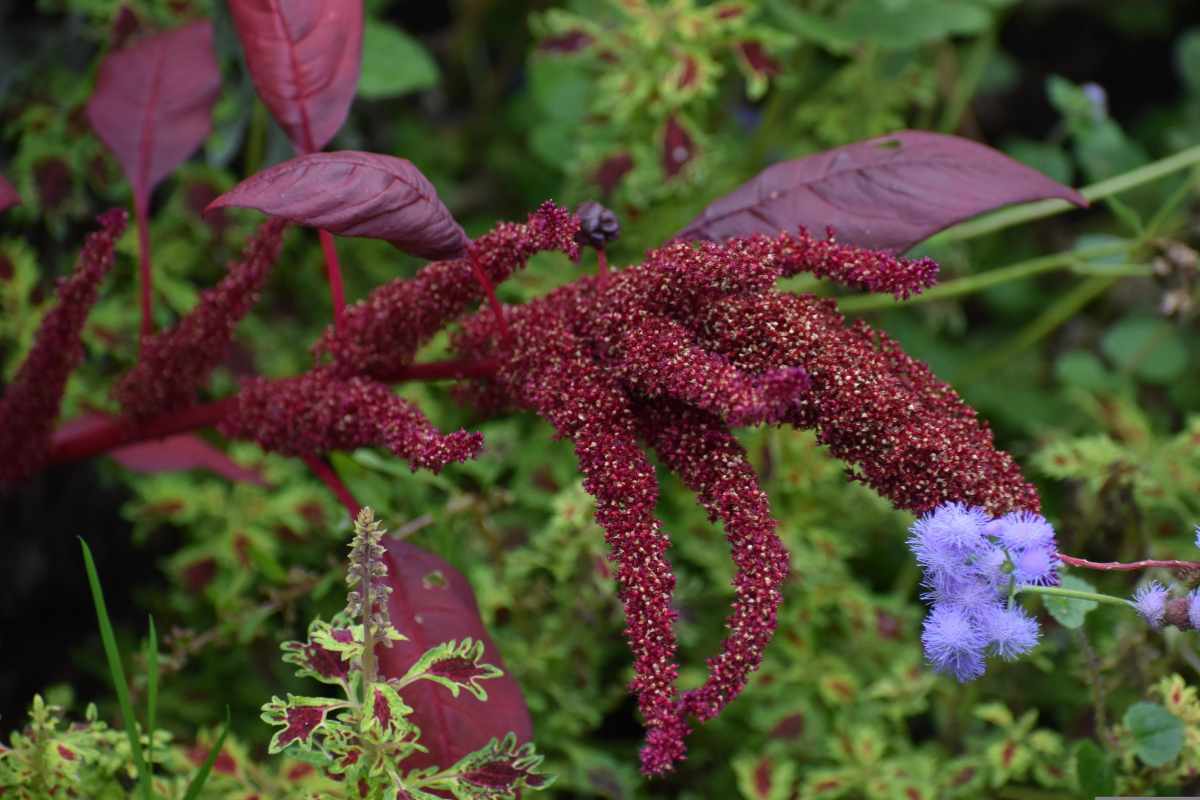
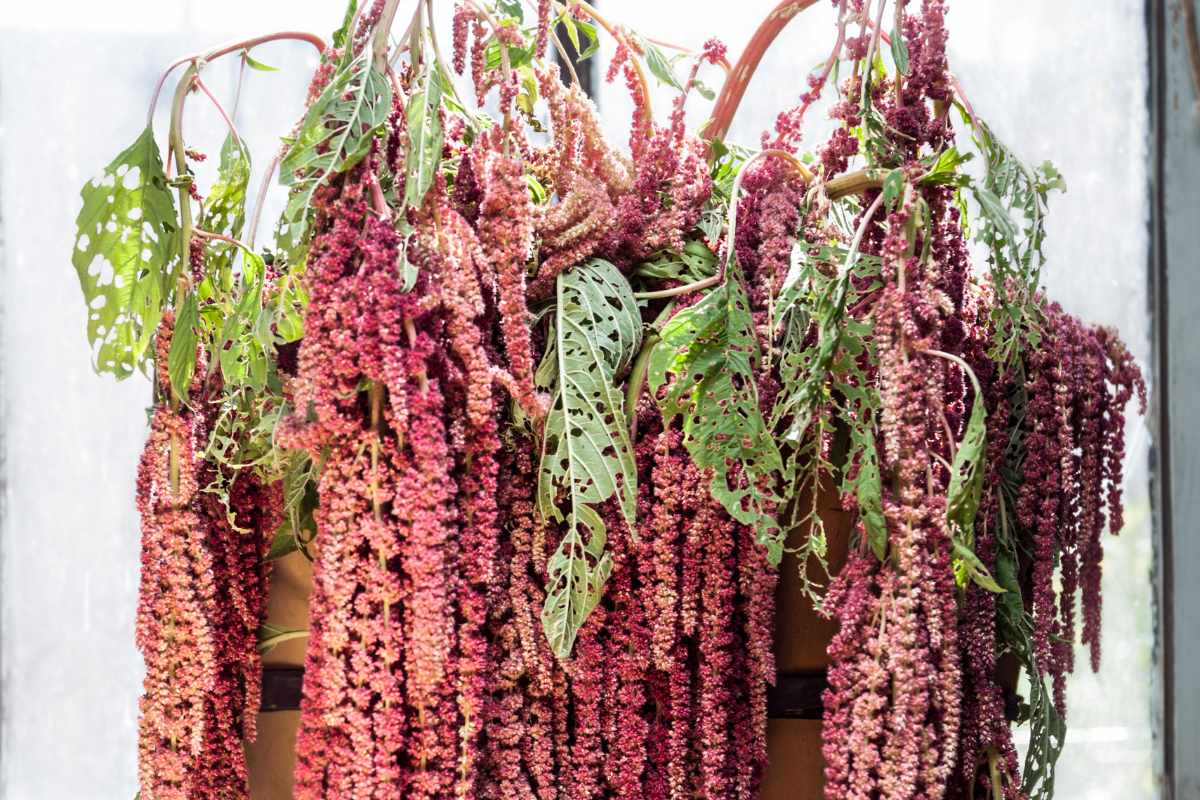
‘Love Lies Bleeding’ is one of the most visually dramatic, with long, deep red tassels that add texture and movement to any bed or border.
‘Hopi Red Dye’ and ‘Golden Giant’ are grown for their nutrient-rich seeds, and others like ‘Green Callaloo’ are favored for their edible leaves.
The variety you choose will depend on what you hope to get from the plant. If you’re looking for ornamental appeal, go with the flowering types. If you're more interested in greens or grain, select a variety bred specifically for those purposes.
All types, however, provide both visual interest and edible parts, so you really can’t go wrong.
Finding the Best Spot to Plant
Amaranth thrives in warm weather and loves the sun. Look for a location that receives full sunlight for most of the day.
These plants are heat-tolerant and quite resilient once established, but they appreciate protection from strong winds, especially when they begin to grow tall.
The soil should be well-draining and moderately fertile. While amaranth isn’t fussy, it will perform best in soil that isn’t compacted or overly sandy.
A little compost worked into the ground before planting helps boost growth without overwhelming young seedlings.
Raised beds, containers, and even flower borders can all serve as suitable homes for this plant, as long as the conditions are right.
Sowing Seeds and Encouraging Healthy Growth
Amaranth is typically grown from seed. Direct sowing is often easiest, especially once the soil has warmed up in spring. You can also start seeds indoors a few weeks earlier and transplant them outside once all danger of frost has passed.
Scatter seeds lightly and cover with a thin layer of soil. Keep the area moist until germination, which usually takes 7 to 14 days. Once seedlings appear, thin them out to avoid overcrowding.
Spacing them about 10–12 inches apart ensures they have enough room to develop fully.
Young amaranth plants grow quickly. Regular watering helps them establish strong roots, but once they mature, they become quite drought-tolerant. Mulching around the base retains moisture and keeps weeds down, especially in hotter climates.

Caring for the Plants Through the Season
Once your amaranth is up and growing, there’s not much you need to do. It’s a low-maintenance plant, especially compared to more delicate vegetables or flowers. Occasional watering during dry spells, a layer of mulch, and the occasional weeding are usually enough.
You won’t need to fertilize heavily. Too much nitrogen can lead to lots of leafy growth at the expense of flowers or seeds.
If you're growing the plant primarily for its foliage, this might be a benefit, but if you want blooms or grain, go easy on the feeding.
Keep an eye on the height as the season progresses. Some varieties can grow quite tall, even reaching six feet or more. Taller plants may need light support or shelter from strong winds.
Harvesting Leaves, Flowers, and Seeds
One of amaranth’s most charming qualities is its versatility. You can start harvesting tender young leaves when the plants are still small. They have a mild, earthy flavor and are often used in soups, stir-fries, or salads.
The flowers will begin to appear mid- to late-summer, forming long, textured spikes in shades of red, gold, or purple.
They’re beautiful, fresh, and hold their color well when dried, making them a favorite for floral arrangements.
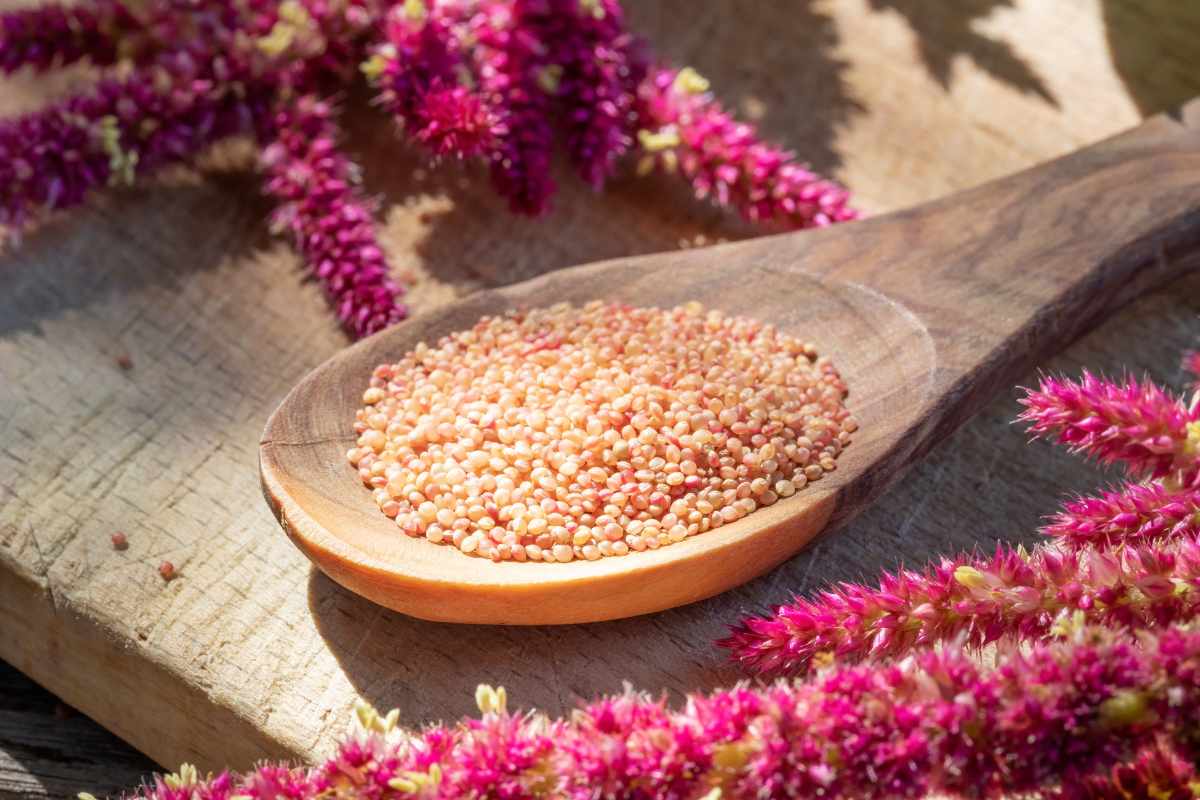
If you’re growing for grain, wait until the flowers start to dry on the plant. The seed heads will gradually mature and can be shaken or rubbed to release the tiny, protein-rich seeds. Allow the seeds to dry thoroughly before storing them in an airtight container.
Managing Common Issues Without Much Fuss
Amaranth isn’t especially prone to pests or disease, which is one reason it’s so beginner-friendly. However, like any garden plant, it can occasionally run into trouble.
Flea beetles or leaf miners may nibble on leaves, but these rarely cause serious damage. A floating row cover during the seedling stage can help keep pests at bay. Aphids may also show up in warm, dry weather, but a spray of water or a gentle soap solution usually takes care of them.
Powdery mildew can appear in overly humid conditions, especially if plants are crowded. Spacing them properly and allowing good air circulation keeps this issue to a minimum.
Using Amaranth Beyond the Garden
Once harvested, amaranth opens up a world of creative uses. The grain is gluten-free, rich in protein, and can be cooked like quinoa or popped like popcorn. It adds texture to soups and makes a unique porridge when simmered with milk or water.
The leaves are packed with nutrients and can be steamed or sautéed. In Caribbean and Southeast Asian cuisines, amaranth leaves are a staple ingredient, valued for both flavor and nourishment.
Even the flowers are versatile. Dried, they can be used in wreaths or arrangements, or left on the plant for fall interest. Their bold form and rich color make them a standout feature in any garden design.
Bringing Amaranth into a Garden Routine
Once you’ve grown amaranth, it’s hard not to fall in love with its presence. Its ease of care and wide range of uses make it a reliable and rewarding addition to almost any garden space.
It’s also an excellent plant to save seeds from, especially if you’re growing heirloom varieties. Let a few flower heads mature fully, then dry and store the seeds for next year.
It’s a great way to become more self-sufficient and keep the cycle going season after season.
Even if you grow it just once, amaranth offers so much color, harvest, beauty, and discovery. It’s a perfect example of how gardening can be both practical and poetic.
Did you find this post useful or inspiring? Save THIS PIN to your GARDEN Board on Pinterest!

More Gardening Tips 👇🏼👇🏼