
How to Grow AMAZING Ranunculus!


Grow ranunculus with confidence—even if you’re new to cool-season blooms.
In this guide inspired by a helpful YouTube tutorial, we’ll cover practical timing, setup, and care so you know when to plant ranunculus, how to start them, and what these flowers symbolize.
You’ll also find growing ranunculus tips and answers to common questions gardeners type—sometimes with misspellings like “ranaculas growing” or “ranaculas flower.”
Grow Ranunculus Basics
Ranunculus are cool-season perennials typically grown as annuals for their long stems and tissue-paper petals.
If you’ve wondered how to grow ranunculus flowers that look florist-grade, the secret is cool roots, bright light, and steady but not soggy moisture.
Think of them like poppies that prefer mild weather, excellent drainage, and a head start before heat arrives.
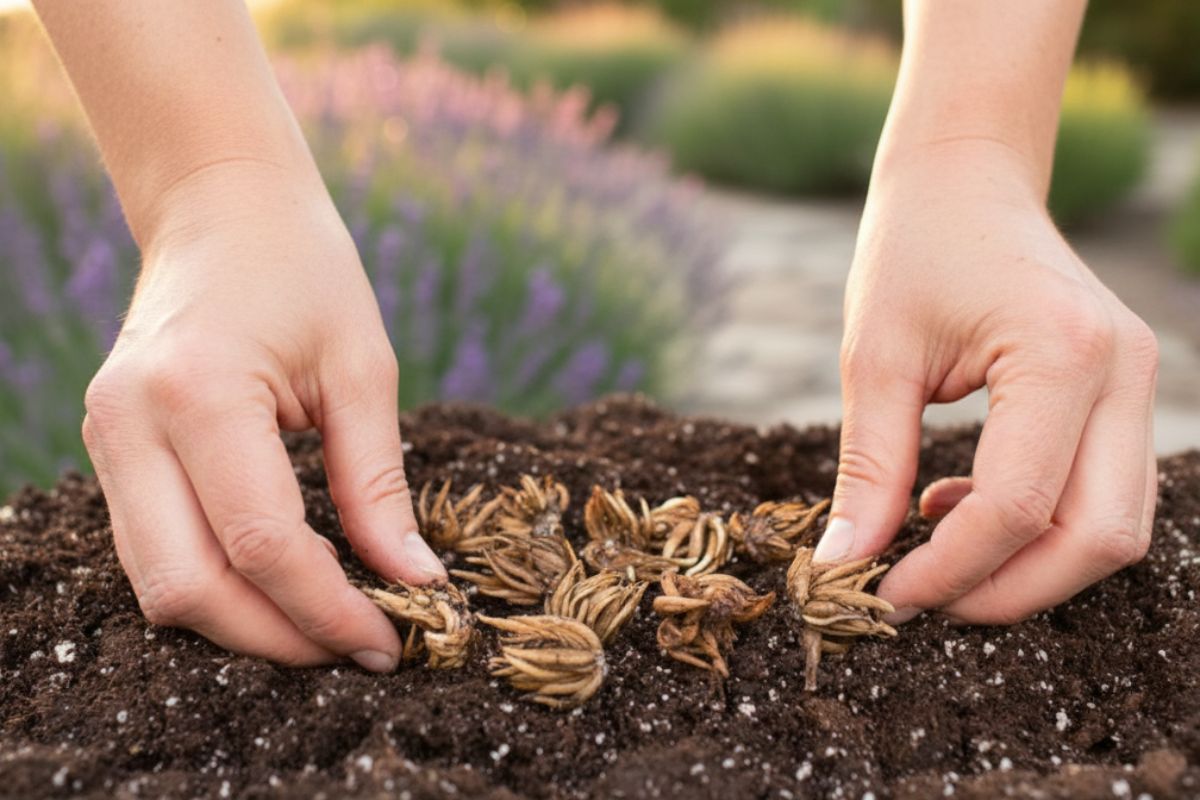
Most home gardeners work with corms (often called “bulbs”). Soaking and pre-sprouting are common prep steps, but exact methods vary by grower.
Rather than following a rigid recipe, focus on the principles shown in the video: hydrate gently, provide airflow, and plant into loose, well-drained mix.
These fundamentals set you up for success regardless of climate and help you Grow Ranunculus that last longer in the vase.
If you’re browsing search results such as “how to grow ranunculus from seed,” know that seeds are possible but slow and variable. Corms are faster and more predictable for abundant spring color.
 When to Plant: Fall vs. Spring
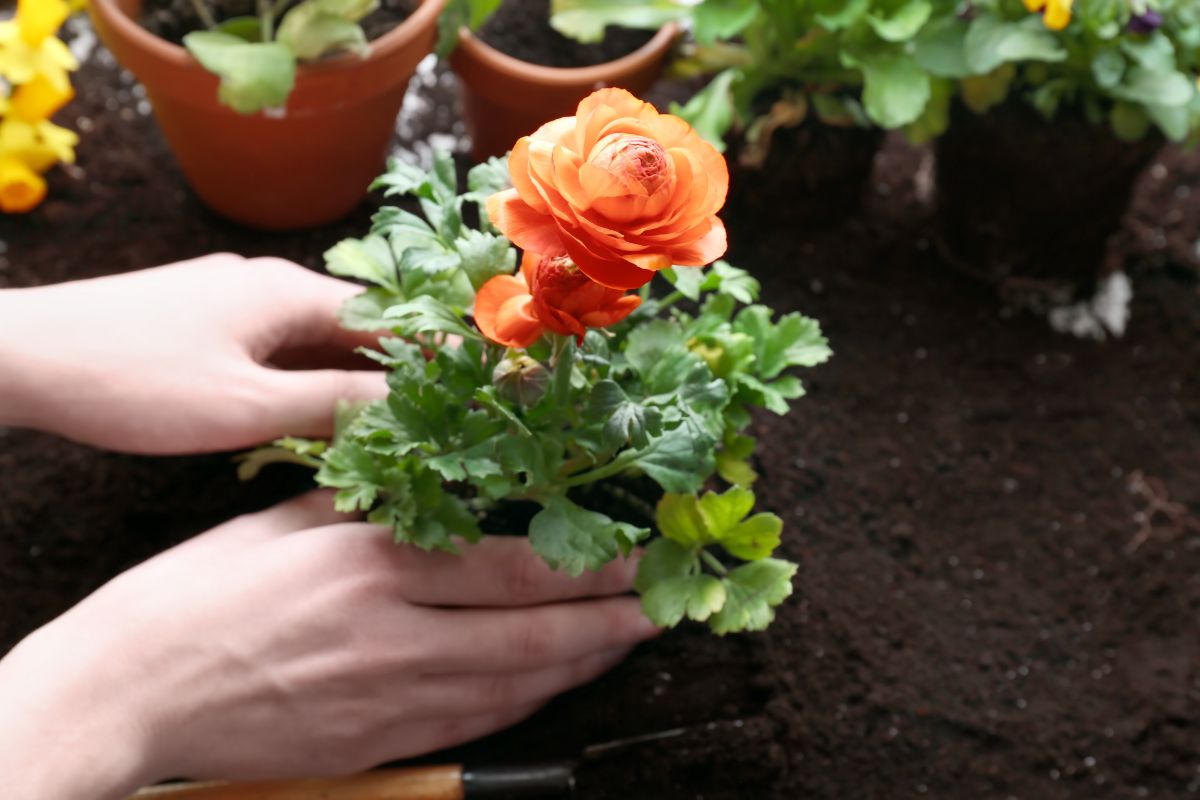
Timing is the biggest lever. In mild winter zones, many gardeners choose when to plant ranunculus in the fall so plants root over winter and bloom early.
In colder climates, it’s safer to wait for late winter or early spring once deep freezes pass—this is your window for when to plant ranunculus in the spring.
Not sure exactly when to plant ranunculus bulbs? Aim for cool nights (around 1–7°C / mid-30s to mid-40s °F) and crisp days (10–15°C / 50–60°F). Heat shortens the show; frosts damage foliage.
If in doubt, plant in trays or a protected tunnel first, then move outside as conditions stabilize so you can Grow Ranunculus through the most favorable temperatures.
In summary, when to plant ranunculus depends on your frost calendar: give them cool rooting time before true spring warmth arrives.
Starting From Seed (Advanced)
Curious about how to grow ranunculus from seed? It’s a longer, more technical path that requires cool germination, strong light, and patience.
Most flower farmers still prefer corms for reliable, uniform blooms. If you do try seed, start very early, keep temperatures on the cooler side, and pot up promptly to avoid lanky seedlings.
 Meaning and Varieties You’ll Love
People often ask, “what does a ranunculus flower mean?”
Traditionally, ranunculus symbolizes charm, radiant attraction, and a kind of delighted admiration—perfect for romantic bouquets or uplifting spring arrangements.
That makes them a favorite for weddings and photo-ready centerpieces.
Exploring the types of ranunculus is half the fun.
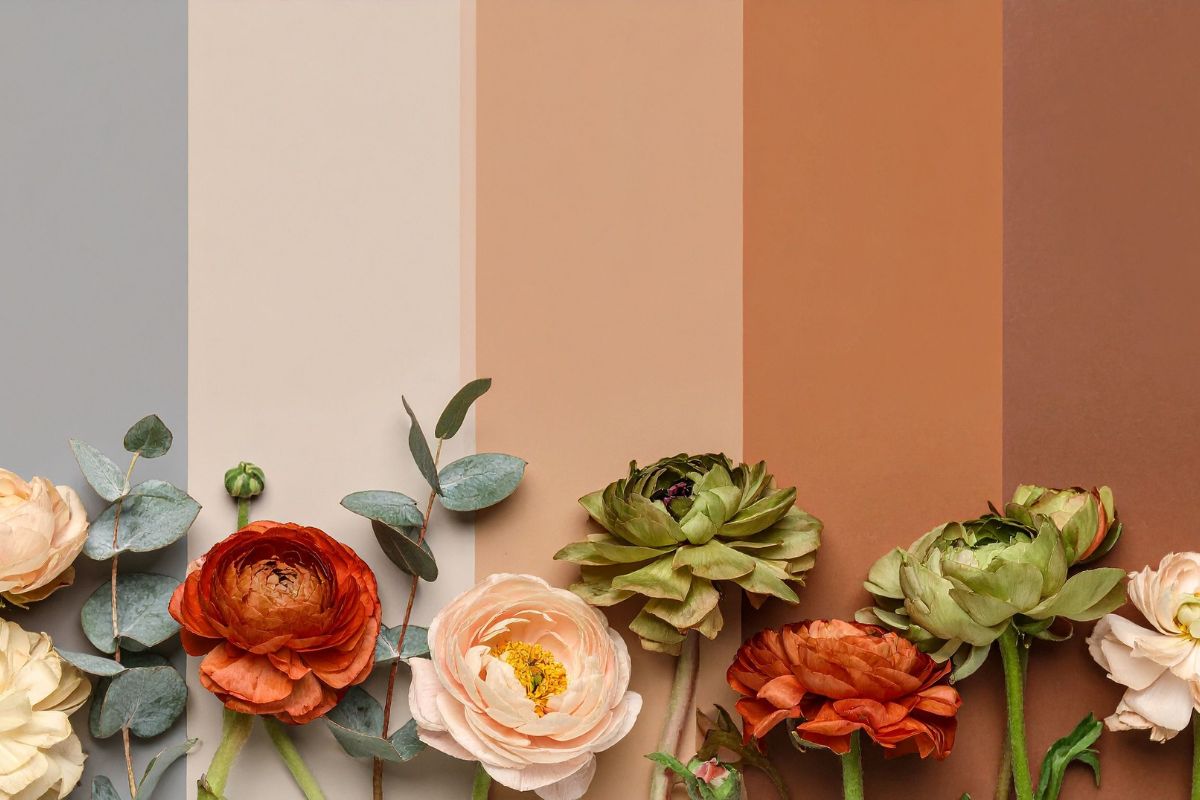
You’ll find classic Persian ranunculus with layered rosettes, frilly butterfly types with lighter, papery petals, and modern breeding lines ranging from sherbet pastels to saturated jewel tones.
Whether you call them “ranunculus” or accidentally search “ranaculas flower,” you’re still on the right track—look for healthy corms sized appropriately for bigger blooms.
Color can influence mood: apricot and blush feel soft and romantic; tangerine and raspberry read joyful; white and cream keep arrangements elegant.
Mix heights and hues to Grow Ranunculus arrangements that look florist-made at home.
 Growing Ranunculus Tips for Bigger, Longer Blooms
Here are practical growing ranunculus tips distilled from experienced growers. First, give them sun—six hours or more—while keeping roots cool with mulch and consistent moisture.
Second, feed lightly but regularly; a balanced liquid feed during active growth supports stems without producing floppy foliage.
Third, harvest or deadhead frequently. Cutting just as blooms loosen (but before fully open) extends vase life dramatically.
Fourth, watch drainage: these plants dislike waterlogged soil. Raised beds, coarse amendments, and containers with generous holes help prevent rot and help you Grow Ranunculus with stronger stems.
If you enjoy green house plants gardening and have a small tunnel, cold frame, or greenhouse, you can stretch the season.
Vent on sunny days to avoid overheating, close up before chilly nights to protect tender growth, and stage plantings in batches to Grow Ranunculus over a longer bloom window.
 Quick Troubleshooting
Yellowing, stunted leaves often point to soggy mix or nutrition imbalance. Tight, short stems can come from heat spikes or insufficient light.
If buds blast or fail, revisit temperature swings and watering cadence. A simple calendar noting local frosts plus weekly care tasks can transform results and help you consistently Grow Ranunculus.
Watch the Full Tutorial
This summary highlights concepts from an external creator’s video and is intended for inspiration and education—not a verbatim, step-by-step blueprint.
For the creator’s full process, preparation details, and demonstrations, watch the original here.
Enjoy This Video Tutorial About Planting Flowers
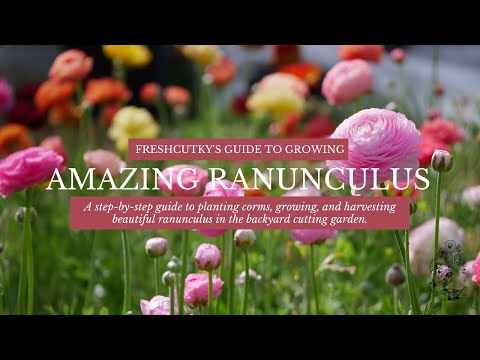
Source: FRESHCUTKY Cut Flower & Vegetable Garden
Don’t forget to Subscribe to our Newsletter to receive amazing tips and tricks about Gardening and the FREE Ebook Green Living Strategies!
Did you find this post Useful or Inspiring? Save THIS PIN to your GARDENING Board on Pinterest! 😊

Once again, thank you for visiting our website!
We hope you've enjoyed exploring the content we've created for you.
Give yourself the chance to learn, get inspired, and have even more fun, keep browsing...
More Gardening Tips 👇🏼👇🏼