
How to Grow and Care for Pine Bonsai

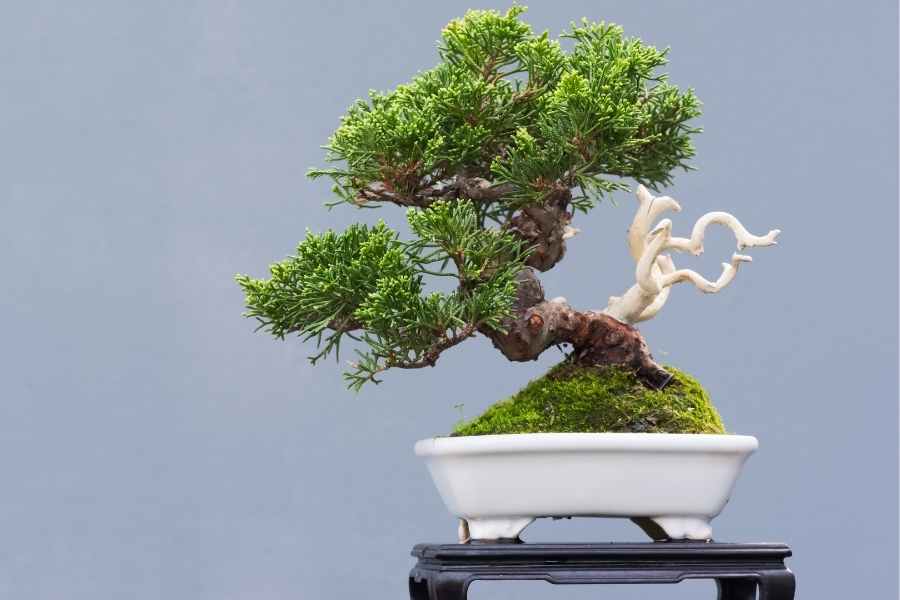
pine bonsai blends rugged character with refined technique. This guide distills the essentials of How To Grow Pine Bonsai—from wiring and candle work to soil, watering, and wintering—so you can master Pine Tree Bonsai Care at home.
You’ll also find the symbolism behind pines, practical Pine Bonsai Care Tips, and step-by-step Pine Bonsai Care Instructions for year-round success.
Pine Bonsai Tree Meaning

Across East Asian traditions, pines symbolize endurance, longevity, and steadfast friendship. Their evergreen needles and time-worn bark suggest resilience through harsh seasons—an ideal metaphor for patience and discipline in bonsai practice.
Styling your tree with aged features—low, sweeping branches, textured bark, and deadwood accents—amplifies this meaning. Each cut or wire should support a story of a mountain tree surviving wind, snow, and sun.
Choosing Species & Material
Common choices include Japanese black pine (Pinus thunbergii), Japanese red pine (P. densiflora), Scots pine (P. sylvestris), and white pine (P. parviflora). Black and red pines respond well to vigorous techniques; white pines prefer gentler handling and excellent drainage.
Start with nursery stock or pre-bonsai that already shows taper and branch options. If you’re learning How To Bonsai A Tree from scratch, choose healthy material with flexible branches and an energetic root system; it forgives beginner mistakes.
Soil, Pot & Repotting

Pines demand fast drainage and abundant oxygen at the roots. Use a gritty mix (e.g., pumice + lava + akadama or similar) with particle sizes matched to tree size: finer for shohin, coarser for larger bonsai. Avoid water-holding peat for long-term culture.
Repot young, fast-growing trees every 2–3 years; mature specimens 3–5 years. Repot in late winter to very early spring, just before buds swell. Leave a modest amount of old soil around fine feeder roots; over-cleaning can stall growth.
Watering & Fertilizing
Water thoroughly, then allow the top layer to dry slightly—never keep pines constantly wet. In heat, water earlier in the day for better oxygen exchange. Good airflow prevents fungal issues and strengthens needles.
Fertilize lightly but consistently from spring through mid-summer with an organic cake or a balanced liquid feed at reduced strength. Ease off late in the season to avoid overly soft growth before winter.
Light, Air & Placement
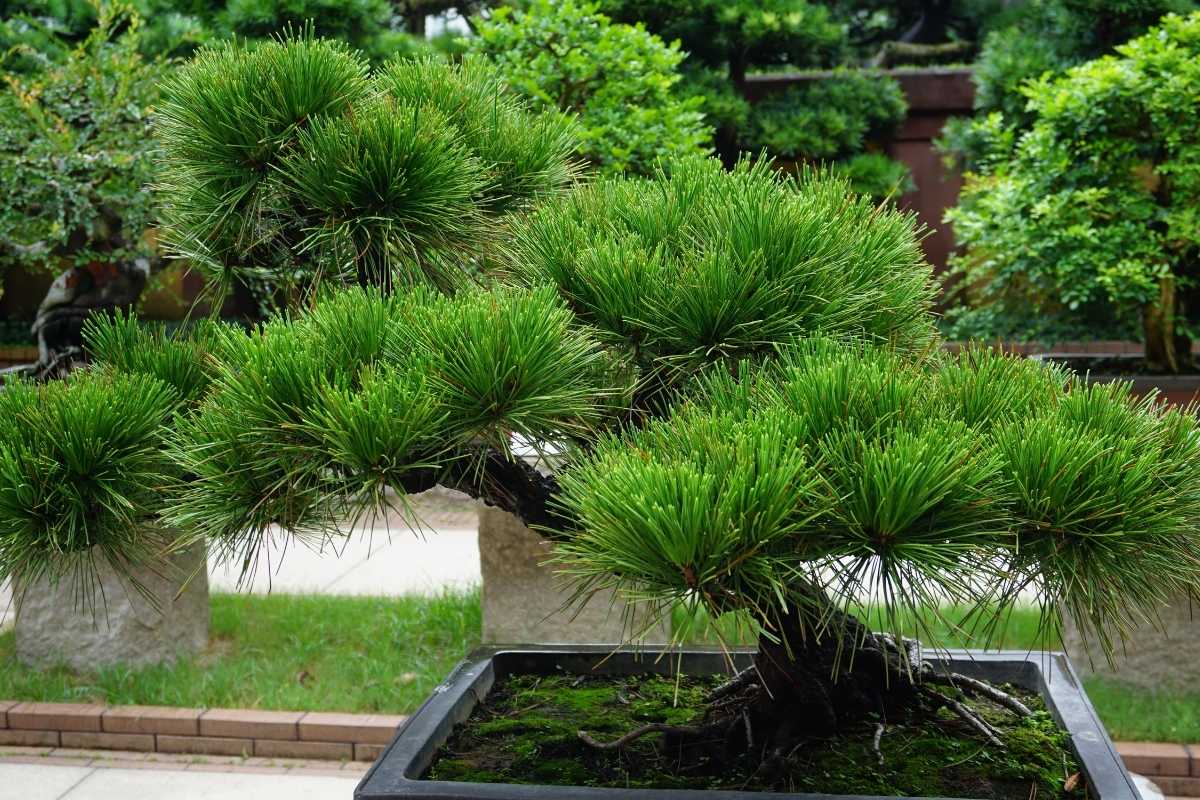
Pines are outdoor bonsai. Give full sun (at least 6 hours daily) for tight internodes and dense buds. In very hot climates, provide brief afternoon shade and extra airflow to keep needles compact and healthy.
Protect from scorching, reflected heat on patios by elevating pots and using light-colored benches. Strong light plus moving air is the engine of vigorous Pine Tree Bonsai Care.
Structure: Wiring & Form
Wire during late autumn to early spring when growth is firm. Anchor wire securely, then set trunk movement first, primary branches second, and secondary twigs last. Spiral at ~45° without crossing; check monthly and remove before wire bites.
Compose a credible “story”: apex leaning slightly into the prevailing wind direction, lower branches heavier, and negative space that suggests age. This is where art meets technique in pine bonsai.
Candling, Needle Work & Bud Management
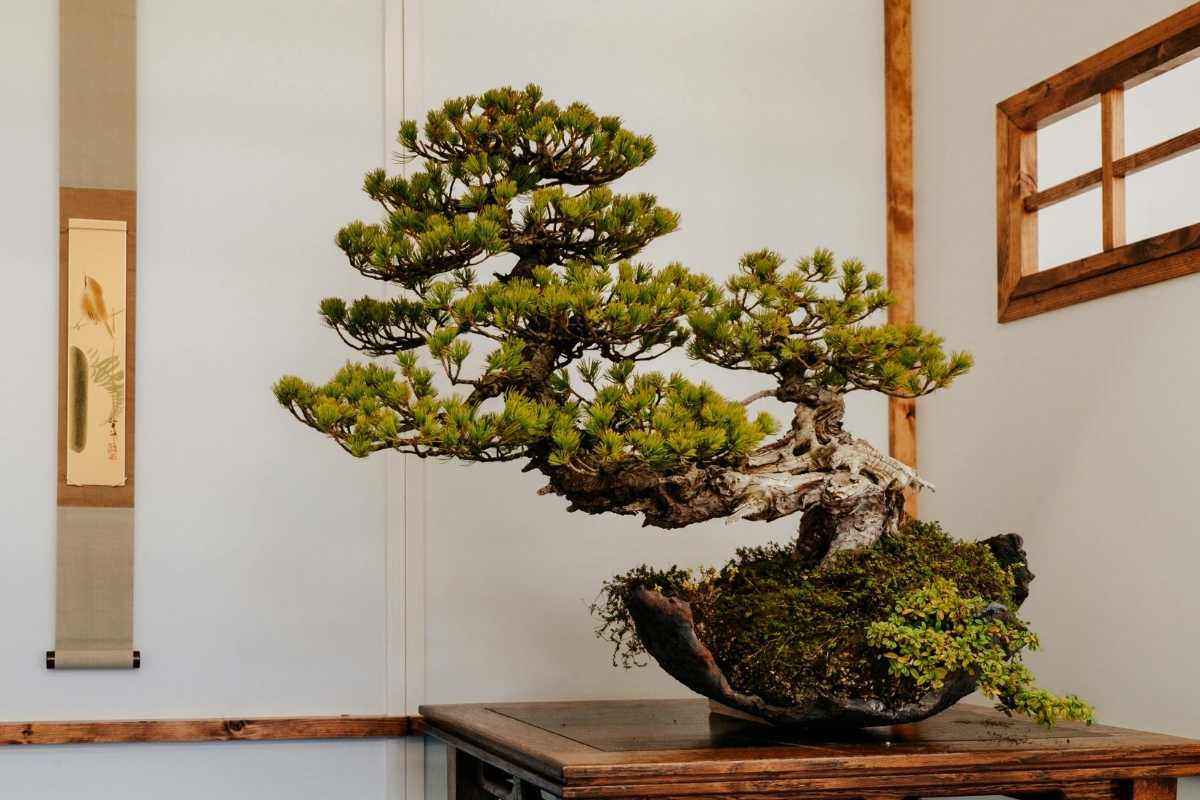
Two-flush pines (e.g., Japanese black pine) produce spring candles and can be decandled in early summer to trigger a second flush with shorter needles.
Single-flush pines (e.g., many mountain or white pines) should not be decandled; use gentler techniques such as selective candle shortening and careful bud selection.
Balance energy by reducing candles on strong zones and preserving weaker ones. In autumn, thin needles to allow light into inner buds and to reduce wind load. Proper timing keeps pads tight and encourages back-budding.
Seasonal Pine Bonsai Care Instructions
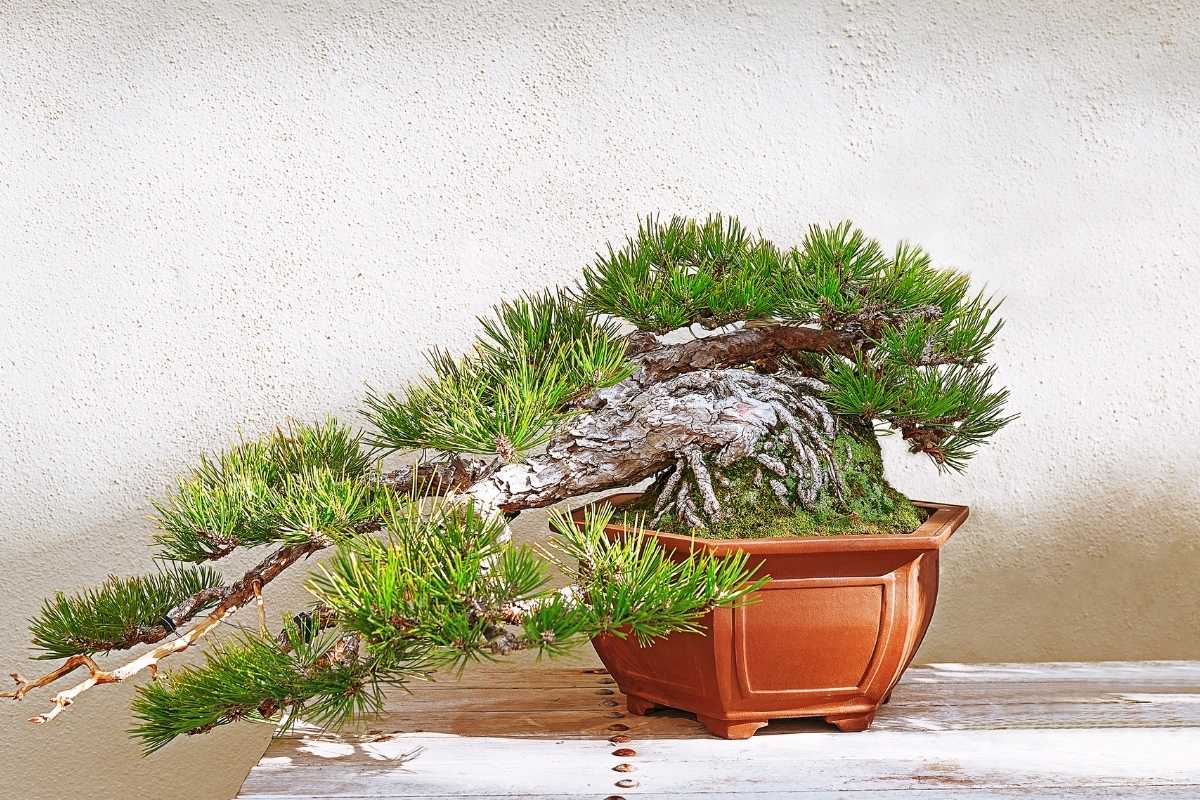
Spring: Repot as buds swell (if due). Begin light feeding once growth extends. Wire adjustments now are safer as tissues harden. Protect from late frosts after repotting.
Summer: For two-flush species, decandle at the correct window for your climate; then resume light fertilization after new buds set. Provide midday shade if needles pale or curl.
Autumn: Refine pads: needle thinning, minor wiring, and bud selection. Gradually reduce fertilizer so wood hardens before cold weather. Rotate trees for even light on developing buds.
Winter: Shelter roots from severe freezes with mulch around benches or move pots to a cold frame. Water sparingly but don’t allow complete dry-down. Check wiring monthly.
Pest & Disease Basics
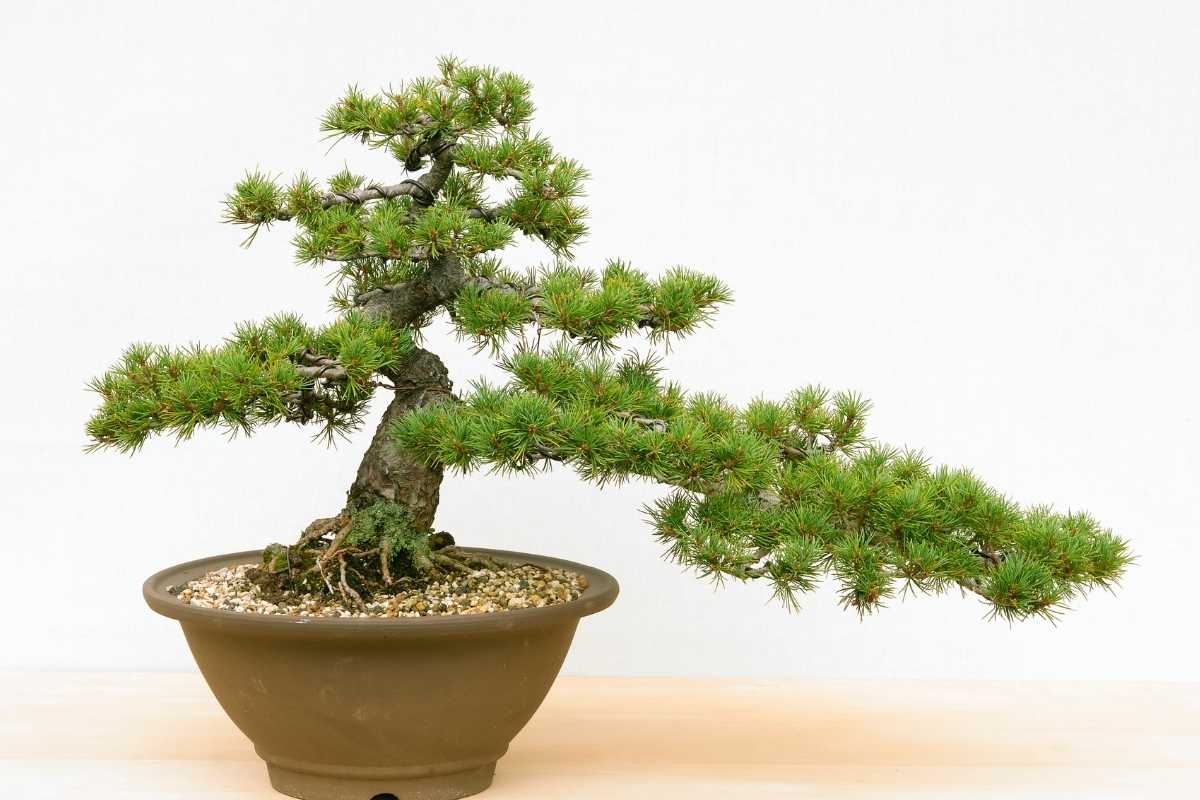
Watch for aphids on soft candles, spider mites in heat, and fungal issues in stagnant, wet conditions. Improve airflow, water early, and use horticultural oil or targeted treatments only when needed. Healthy culture is your best defense.
Yellowing confined to older needles can be seasonal shedding; uniform chlorosis may signal poor nutrition or soggy soil. Adjust feeding and drainage first, then reassess.
Wintering & Cold Management
Pines are hardy, but shallow pots chill fast. In freezing climates, heel pots into mulch or place in an unheated cold frame where temperatures fluctuate gradually. Avoid warm indoor storage—pines require dormancy to reset vigor.
Water on frost-free days just enough to keep roots slightly moist. Dry roots in mid-winter are a frequent cause of loss.
Pine Cone Bonsai Tree Care (Myth vs. Practice)
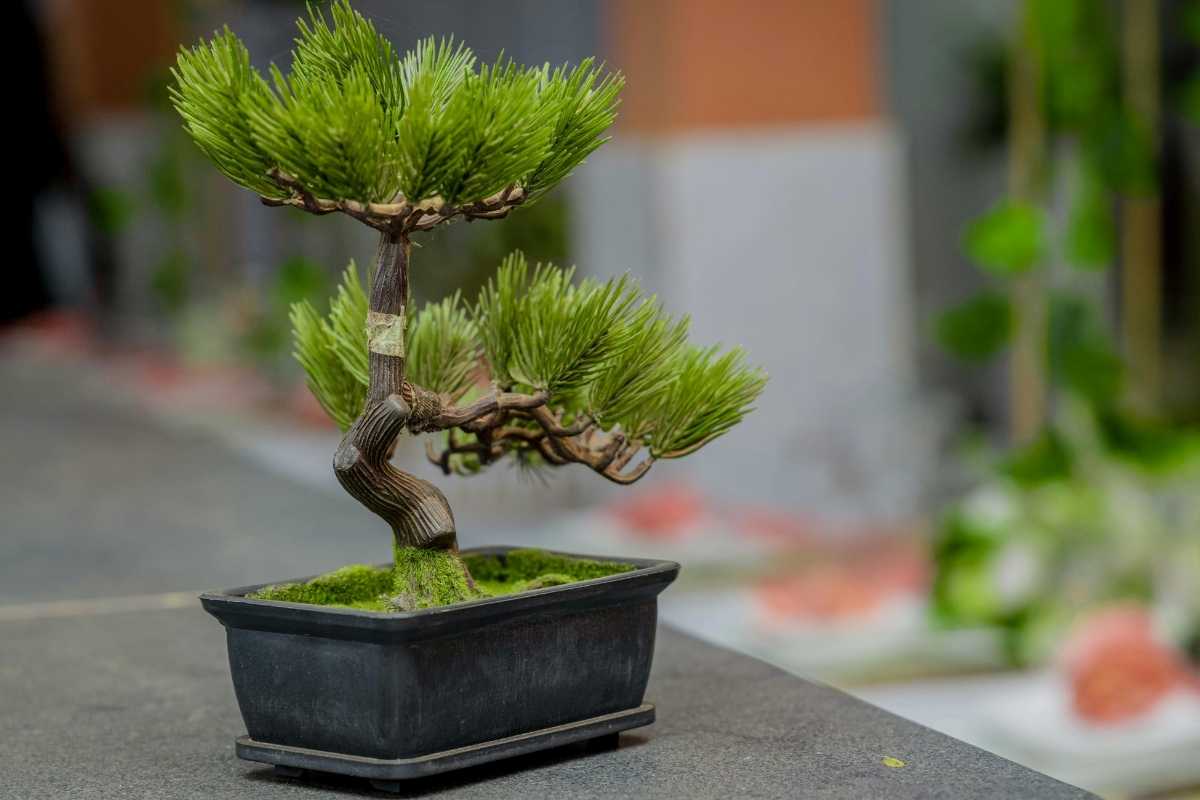
“Pine cone bonsai” usually refers to germinating seeds taken from cones and growing them as bonsai. Cones themselves aren’t living trees. For true Pine Cone Bonsai Tree Care, treat the resulting seedlings like any pine: abundant light, gritty soil, careful watering, and progressive training as trunks thicken.
Seedlings need patience: develop roots, then trunk, then branches. Early wiring creates movement before wood hardens, setting the foundation for a convincing mature form.
Pine Bonsai Care Tips (Quick Wins)
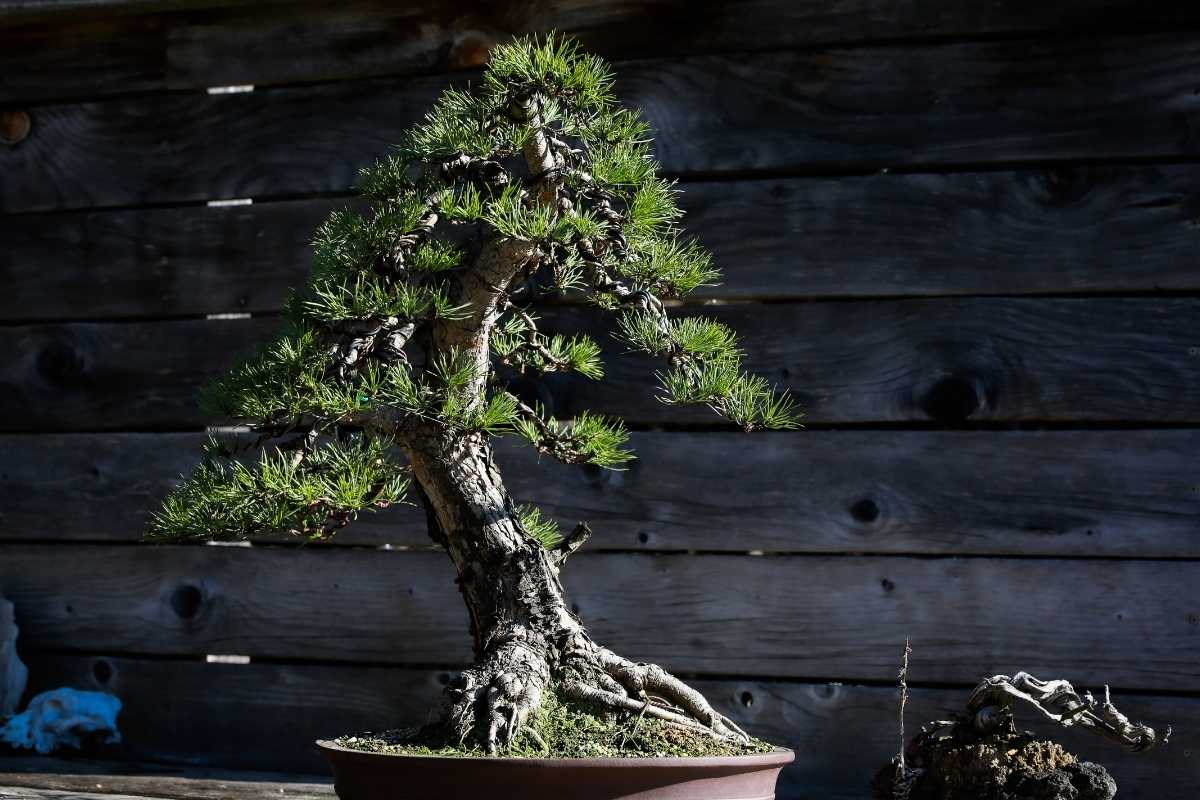
1) Prioritize sun and airflow; they tighten needles and keep buds active.
2) Water thoroughly, then wait—constant dampness weakens roots.
3) Match technique to species (two-flush vs. single-flush) to avoid setbacks.
4) Document dates for decandling, needle work, and repotting.
5) Feed lightly but regularly; slow strength beats fast, soft growth. These straightforward Pine Bonsai Care Tips compound into year-over-year improvement.
How To Grow Pine Bonsai: A Simple Plan
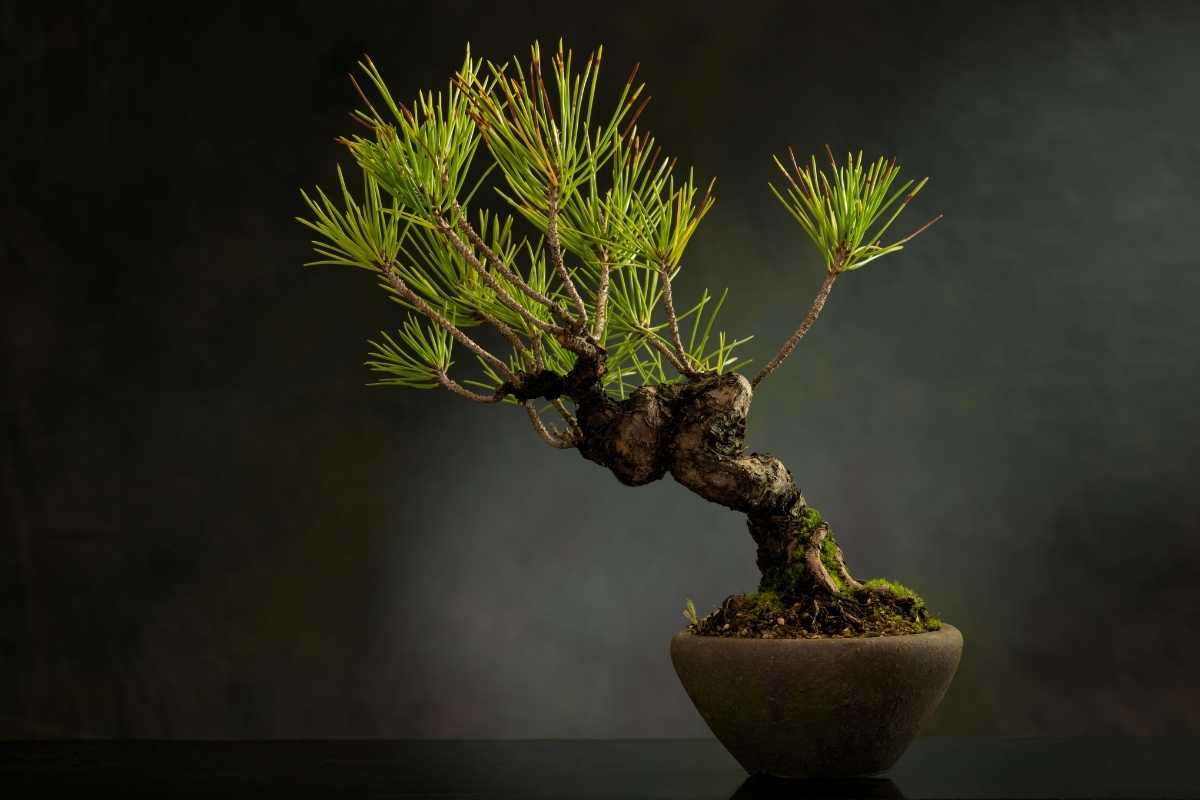
Year 1–2: Establish roots in a training pot; wire trunk movement; let growth run to thicken.
Year 3–4: Begin branching structure and pad formation; transition to a slightly tighter mix; start seasonal energy balancing.
Year 5+: Refine silhouette with targeted decandling (if applicable), bud selection, and needle thinning. Shift to a display pot once health and design are stable. This step-by-step approach shows exactly How To Bonsai A Tree without rushing artistry.
Common Mistakes To Avoid
Overwatering in dense soil, decandling single-flush pines, aggressive feeding late in the season, and leaving wire on too long are classic errors. Another pitfall is shade—insufficient sun stretches internodes and weakens buds.
When in doubt, do less but do it on time. Good timing beats heavy intervention in Pine Tree Bonsai Care.
Enjoy The Video Tutorial
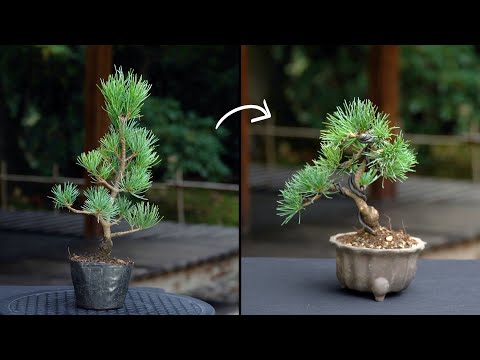
Source: Bonsái Empire
More Gardening Tips 👇🏼👇🏼