
How to Grow and Care for Tropical Hibiscus


The tropical hibiscus (Hibiscus rosa-sinensis) is a stunning ornamental plant celebrated for its large, colorful blooms.
Native to tropical Asia, it has become a favorite in gardens and indoor spaces worldwide.
With proper care, your hibiscus can bloom almost year-round, adding a vibrant and exotic touch to any space.
Light Requirements
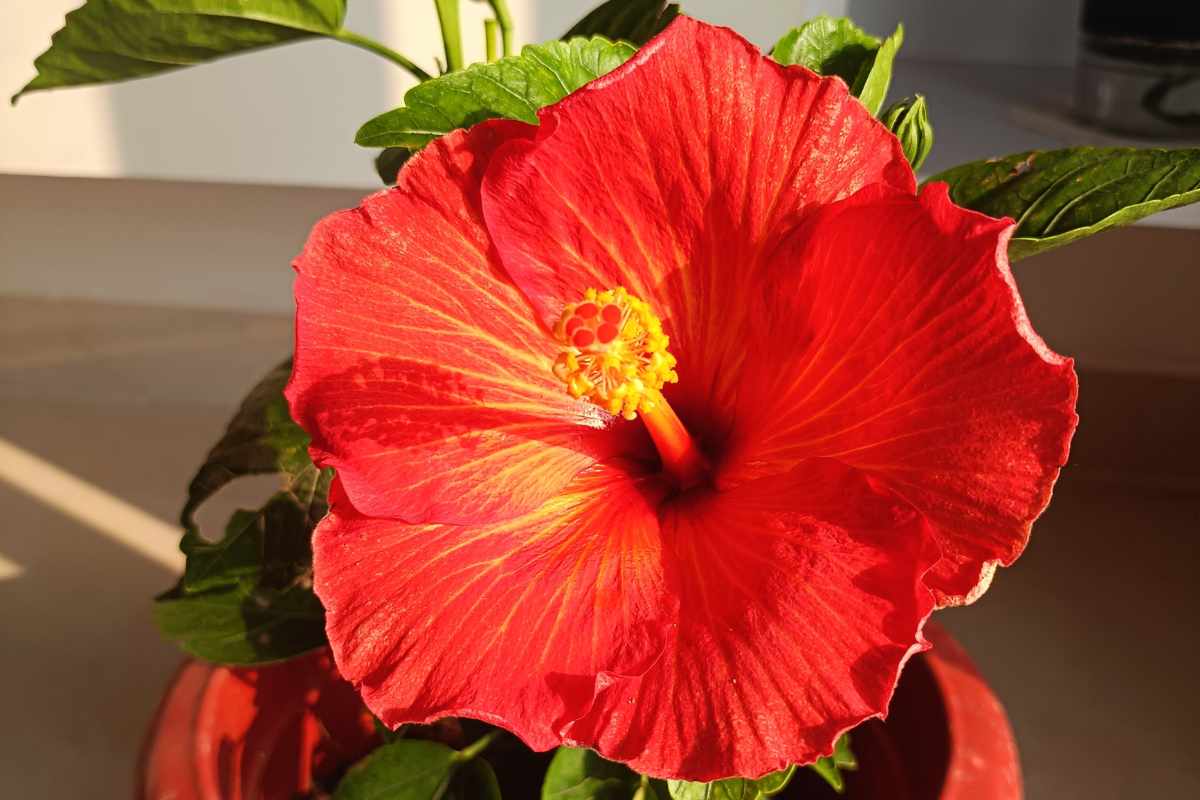
Tropical hibiscus thrives with at least 6 hours of direct sunlight daily.
In hotter climates, provide partial shade during the peak afternoon sun to prevent leaf scorch.
For indoor hibiscus, place the plant near a bright window or under grow lights to ensure adequate light.
Soil and Drainage
Hibiscus prefers well-draining, aerated soil.
A recommended soil mix is three parts potting soil, two parts coarse sand, and one part perlite or vermiculite.
This combination ensures that roots receive sufficient oxygen and prevents water from pooling, which can cause root rot.
Watering
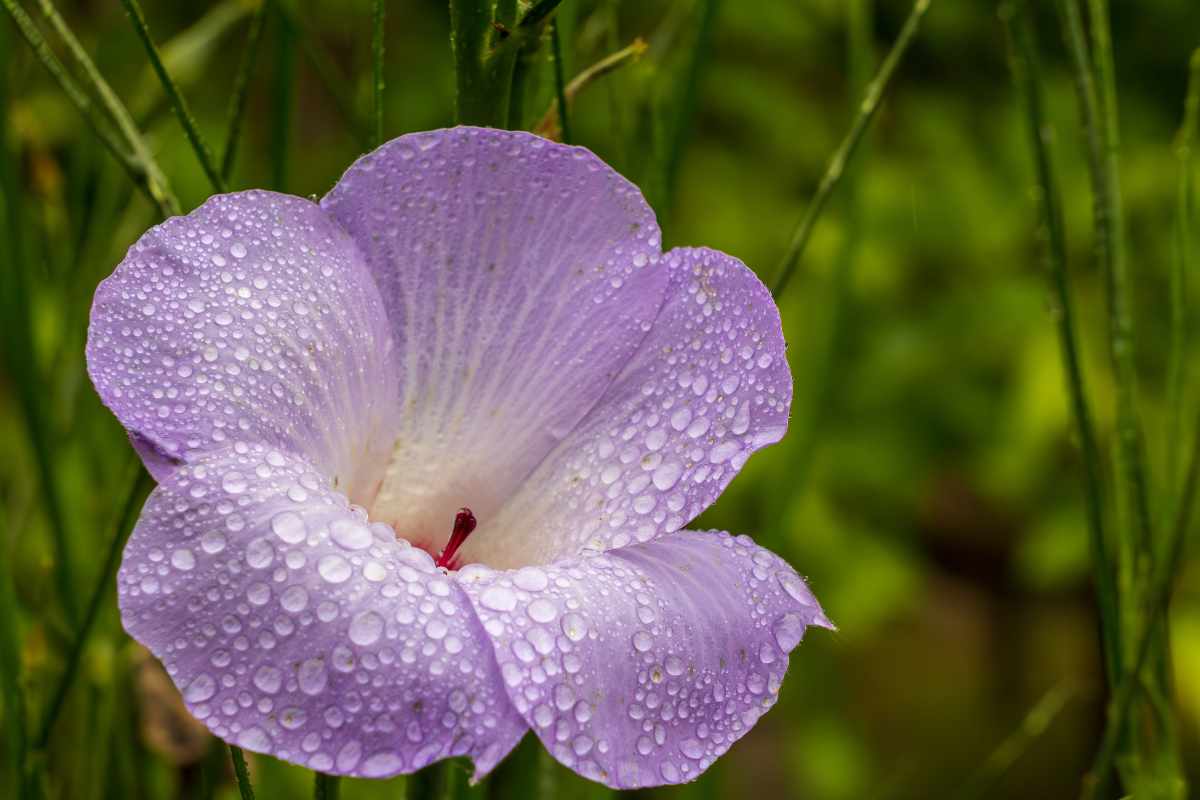
Maintain evenly moist soil, but avoid waterlogging.
Water your hibiscus when the top layer of soil feels dry to the touch. Never allow water to collect in the saucer, as this can lead to root problems.
During winter, reduce watering because the plant enters a period of slower growth.
Fertilization
Feed your hibiscus during the spring and summer growing season with a balanced fertilizer every 4–6 weeks.
In fall and winter, reduce or pause fertilization, as the plant’s growth slows during cooler months.
Pruning and Maintenance
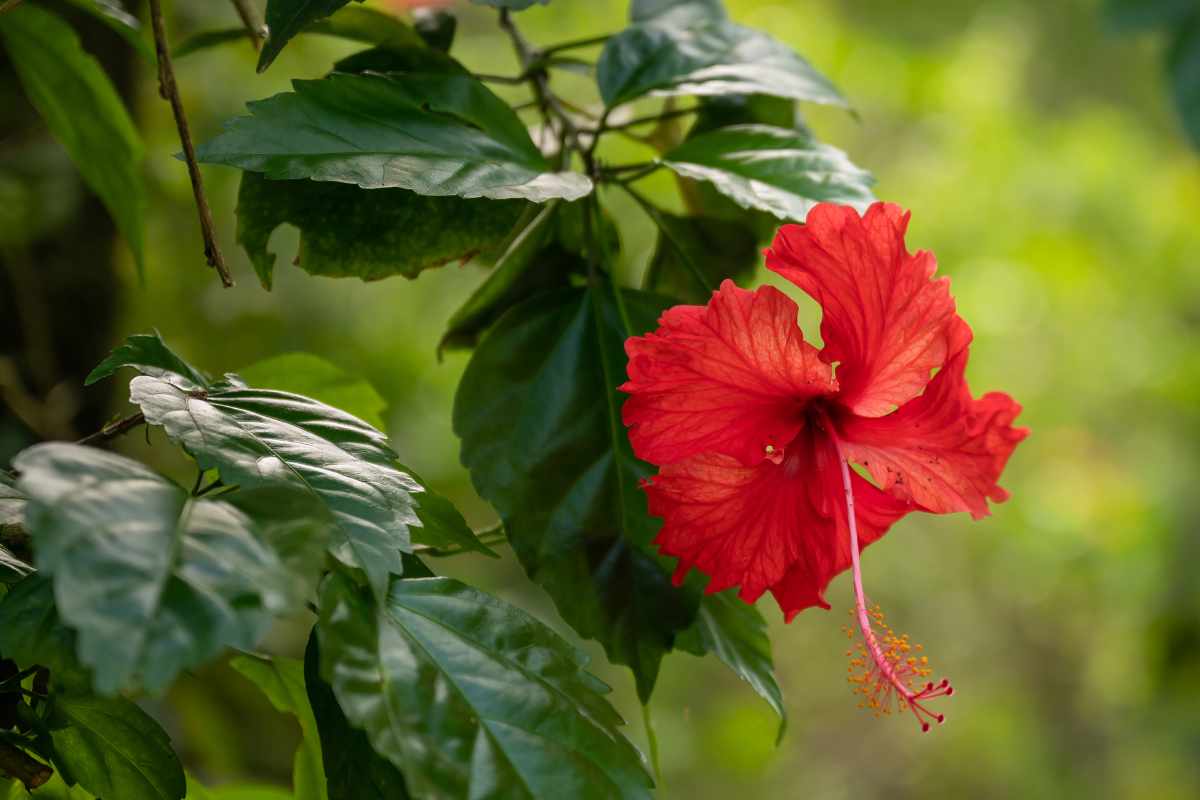
Prune your hibiscus to remove dead branches and faded flowers, which encourages new blooms.
Perform light pruning rather than heavy trimming to avoid stressing the plant.
Regularly inspect for pests and remove any damaged or yellowing leaves.
Pest Management
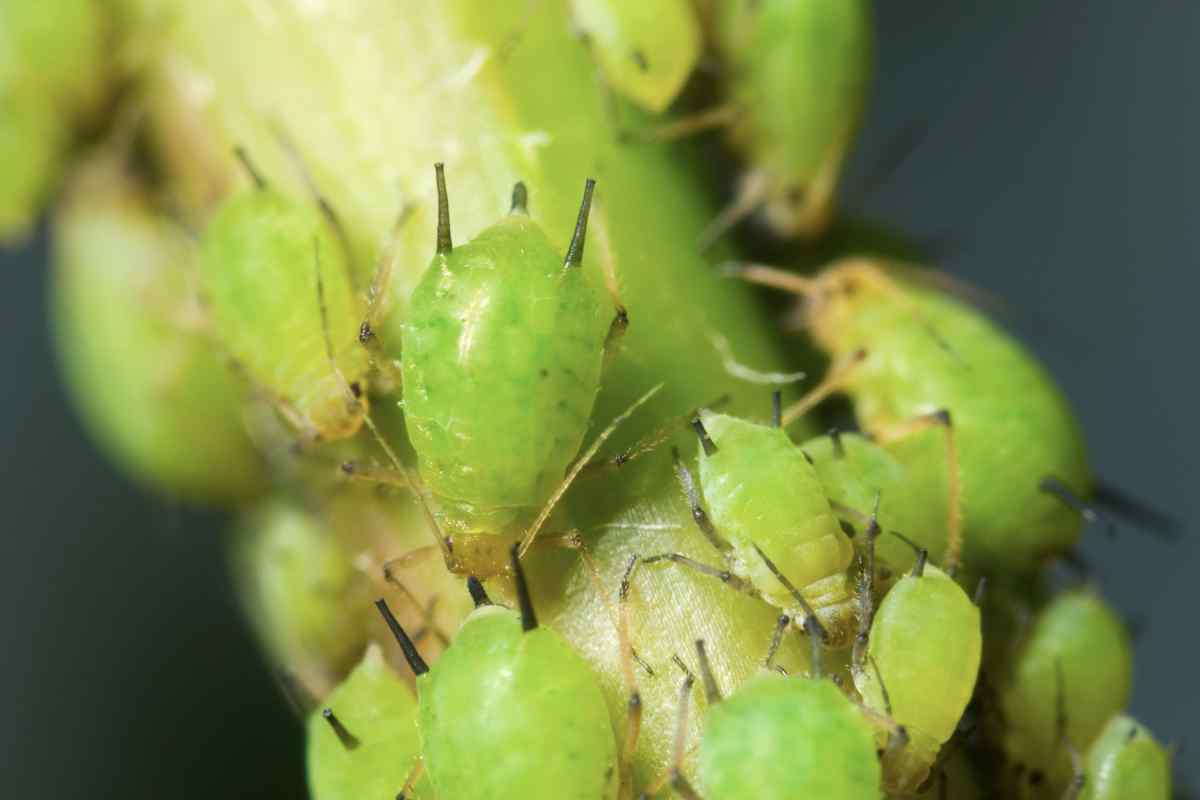
Tropical hibiscus can be affected by aphids, mealybugs, and spider mites. Check leaves and stems frequently.
If pests are detected, treat them with natural solutions like insecticidal soap or neem oil.
Early intervention helps keep your plant healthy.
Winter Care
In cooler climates, tropical hibiscus requires protection from cold temperatures.
Potted plants can be moved indoors to a warm, sunny location, while garden-planted hibiscus may need a frost cloth or relocation to a greenhouse if possible.
Final Thoughts
The tropical hibiscus is a rewarding and visually striking plant for gardeners of all skill levels.
With consistent care in terms of light, water, soil, and nutrients, it can produce vibrant, exotic flowers nearly year-round.
Its bold blooms will bring color and life to your garden or indoor space, making it a standout plant that draws attention and admiration.
Enjoy This Video Tutorial

Source: Hallmark Channel
Don’t forget to Subscribe to our Newsletter to receive amazing tips and tricks about Gardening and the FREE Ebook Green Living Strategies!
Did you find this post Useful or Inspiring? Save THIS PIN to your GARDENING Board on Pinterest! 😊

Once again, thank you for visiting our website!
We hope you've enjoyed exploring the content we've created for you.
Give yourself the chance to learn, get inspired, and have even more fun, keep browsing...
More Gardening Tips 👇🏼👇🏼